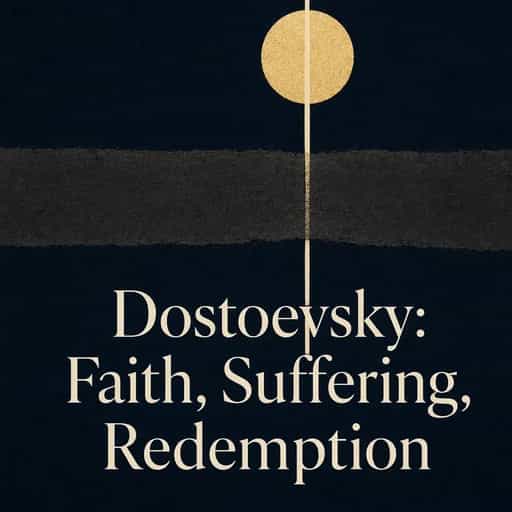
Leo Tolstoy's Critique of the Church: The Kingdom of God Is Within You
Explore Leo Tolstoy's analysis of church doctrine in 'The Kingdom of God Is Within You,' a profound critique of the Eastern Orthodox Church and religious dogma.

Bestes Zitat aus Leo Tolstoy's Critique of the Church: The Kingdom of God Is Within You
The Kingdom of God is not in a building, it’s not in a ritual, and it’s not in a future life. It’s in the choices we make right now to love, to forgive, and to live simply.
Generated by Ezra
Tolstoy wrote a book that attacked all the doctored of the church and analyzed them. Tell me about this book. I think it was pointed at the eastern church.

Häufig gestellte Fragen
In this seminal work, Leo Tolstoy provides a rigorous analysis and critique of established church doctrines, specifically targeting the Eastern Orthodox Church. He argues that the institutionalized church has strayed from the core teachings of Jesus, particularly the principle of non-resistance to evil. The book explores themes of Christian anarchism and the idea that true spiritual authority resides within the individual rather than through external religious hierarchies or state-sanctioned dogmas.
Tolstoy’s critique of the Eastern Orthodox Church was centered on what he viewed as the corruption of Christ's message by institutional power. He systematically analyzed church rituals and doctrines, labeling them as 'doctored' versions of faith designed to maintain social control. By contrasting the Sermon on the Mount with the actions of the church, Tolstoy highlighted the contradictions between organized religion and the practical application of Christian non-violence and universal love.
Christian anarchism is a central theme in Tolstoy's religious writings, particularly in 'The Kingdom of God Is Within You.' Tolstoy believed that if individuals truly followed the teachings of Christ, there would be no need for the coercive power of the state or the organized church. He advocated for a society based on voluntary cooperation and moral self-governance, rejecting any authority that used violence or dogma to compel obedience, which led to his eventual excommunication.
Von Columbia University Alumni in San Francisco entwickelt
"Instead of endless scrolling, I just hit play on BeFreed. It saves me so much time."


"I never knew where to start with nonfiction—BeFreed’s book lists turned into podcasts gave me a clear path."


"Perfect balance between learning and entertainment. Finished ‘Thinking, Fast and Slow’ on my commute this week."
"Crazy how much I learned while walking the dog. BeFreed = small habits → big gains."
"Reading used to feel like a chore. Now it’s just part of my lifestyle."

"Feels effortless compared to reading. I’ve finished 6 books this month already."
"BeFreed turned my guilty doomscrolling into something that feels productive and inspiring."

"BeFreed turned my commute into learning time. 20-min podcasts are perfect for finishing books I never had time for."
"BeFreed replaced my podcast queue. Imagine Spotify for books — that’s it. 🙌"

"It is great for me to learn something from the book without reading it."
"The themed book list podcasts help me connect ideas across authors—like a guided audio journey."
"Makes me feel smarter every time before going to work"
Von Columbia University Alumni in San Francisco entwickelt
"Instead of endless scrolling, I just hit play on BeFreed. It saves me so much time."
"I never knew where to start with nonfiction—BeFreed’s book lists turned into podcasts gave me a clear path."
"Perfect balance between learning and entertainment. Finished ‘Thinking, Fast and Slow’ on my commute this week."
"Crazy how much I learned while walking the dog. BeFreed = small habits → big gains."
"Reading used to feel like a chore. Now it’s just part of my lifestyle."
"Feels effortless compared to reading. I’ve finished 6 books this month already."
"BeFreed turned my guilty doomscrolling into something that feels productive and inspiring."
"BeFreed turned my commute into learning time. 20-min podcasts are perfect for finishing books I never had time for."
"BeFreed replaced my podcast queue. Imagine Spotify for books — that’s it. 🙌"
"It is great for me to learn something from the book without reading it."
"The themed book list podcasts help me connect ideas across authors—like a guided audio journey."
"Makes me feel smarter every time before going to work"
"Instead of endless scrolling, I just hit play on BeFreed. It saves me so much time."
"I never knew where to start with nonfiction—BeFreed’s book lists turned into podcasts gave me a clear path."
"Perfect balance between learning and entertainment. Finished ‘Thinking, Fast and Slow’ on my commute this week."
"Crazy how much I learned while walking the dog. BeFreed = small habits → big gains."
"Reading used to feel like a chore. Now it’s just part of my lifestyle."
"Feels effortless compared to reading. I’ve finished 6 books this month already."
"BeFreed turned my guilty doomscrolling into something that feels productive and inspiring."
"BeFreed turned my commute into learning time. 20-min podcasts are perfect for finishing books I never had time for."
"BeFreed replaced my podcast queue. Imagine Spotify for books — that’s it. 🙌"
"It is great for me to learn something from the book without reading it."
"The themed book list podcasts help me connect ideas across authors—like a guided audio journey."
"Makes me feel smarter every time before going to work"
"Instead of endless scrolling, I just hit play on BeFreed. It saves me so much time."
"I never knew where to start with nonfiction—BeFreed’s book lists turned into podcasts gave me a clear path."
"Perfect balance between learning and entertainment. Finished ‘Thinking, Fast and Slow’ on my commute this week."
"Crazy how much I learned while walking the dog. BeFreed = small habits → big gains."
"Reading used to feel like a chore. Now it’s just part of my lifestyle."
"Feels effortless compared to reading. I’ve finished 6 books this month already."
"BeFreed turned my guilty doomscrolling into something that feels productive and inspiring."
"BeFreed turned my commute into learning time. 20-min podcasts are perfect for finishing books I never had time for."
"BeFreed replaced my podcast queue. Imagine Spotify for books — that’s it. 🙌"
"It is great for me to learn something from the book without reading it."
"The themed book list podcasts help me connect ideas across authors—like a guided audio journey."
"Makes me feel smarter every time before going to work"