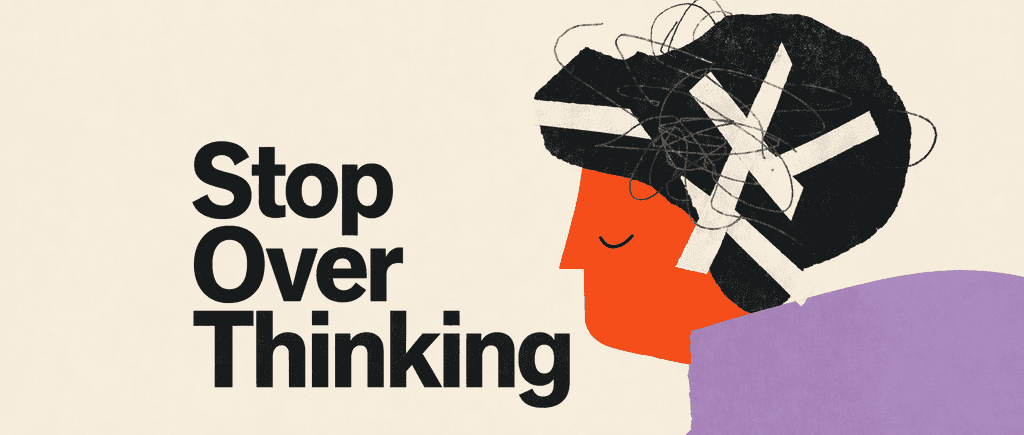
Why Rest Feels Like an Emergency
When you stop, do you feel anxious instead of relieved? Learn why your brain treats stillness as a threat and how to safely settle into the life you built.

Bestes Zitat aus Why Rest Feels Like an Emergency
Your worth has become so tangled up with your output that resting starts to feel like a moral failure, but your inability to chill out is actually your body trying to keep you safe.
Generated with BeFreed
Why Rest Feels So Impossible






Häufig gestellte Fragen
Productivity guilt is the persistent feeling that you are doing something wrong or failing morally simply by being still. It occurs when your sense of self-worth becomes so deeply tangled with your output and achievements that resting feels like a "code-red" emergency rather than a reward. For many, this is a survival strategy learned in childhood where being busy or helpful was the only way to feel safe or valued, leading the brain to treat stillness as a dangerous "trap."
This sensation is often caused by a dysregulated nervous system where the "gas pedal" (sympathetic system) has been jammed down for so long that the "brake" (parasympathetic system) feels like a malfunction. If your body has been conditioned to stay in a state of hypervigilance to stay safe or successful, the sudden drop in adrenaline during rest can feel like a physical crash or "leisure sickness." Your nervous system is essentially scanning for threats because it doesn't know how to trust the calm.
Separating your "being" from your "doing" requires recognizing that your value as a human is not a debt that needs to be repaid through constant contribution. Many people use "identity scaffolding," where they hide inside professional roles to avoid the existential void that appears during stillness. To break this cycle, you must address the "internal surveillance" that judges you by the standards of the past and realize that "enough" is not a moving target you have to chase, but a state of legitimacy you already possess.
The most effective approach is "titration," which involves taking very small, tolerable doses of stillness—such as ten minutes of unstructured time—to teach your nervous system that the world won't end if you stop. You can also use "Active Rest," such as slow walks or breathing exercises where exhales are longer than inhales, to send a biological "all clear" signal to the vagus nerve. Naming the anxious voice as a protective mechanism rather than a personal flaw can also help create the "felt safety" necessary for real relaxation.
Von Columbia University Alumni in San Francisco entwickelt
"Instead of endless scrolling, I just hit play on BeFreed. It saves me so much time."


"I never knew where to start with nonfiction—BeFreed’s book lists turned into podcasts gave me a clear path."


"Perfect balance between learning and entertainment. Finished ‘Thinking, Fast and Slow’ on my commute this week."
"Crazy how much I learned while walking the dog. BeFreed = small habits → big gains."
"Reading used to feel like a chore. Now it’s just part of my lifestyle."

"Feels effortless compared to reading. I’ve finished 6 books this month already."
"BeFreed turned my guilty doomscrolling into something that feels productive and inspiring."

"BeFreed turned my commute into learning time. 20-min podcasts are perfect for finishing books I never had time for."
"BeFreed replaced my podcast queue. Imagine Spotify for books — that’s it. 🙌"

"It is great for me to learn something from the book without reading it."
"The themed book list podcasts help me connect ideas across authors—like a guided audio journey."
"Makes me feel smarter every time before going to work"
Von Columbia University Alumni in San Francisco entwickelt
"Instead of endless scrolling, I just hit play on BeFreed. It saves me so much time."
"I never knew where to start with nonfiction—BeFreed’s book lists turned into podcasts gave me a clear path."
"Perfect balance between learning and entertainment. Finished ‘Thinking, Fast and Slow’ on my commute this week."
"Crazy how much I learned while walking the dog. BeFreed = small habits → big gains."
"Reading used to feel like a chore. Now it’s just part of my lifestyle."
"Feels effortless compared to reading. I’ve finished 6 books this month already."
"BeFreed turned my guilty doomscrolling into something that feels productive and inspiring."
"BeFreed turned my commute into learning time. 20-min podcasts are perfect for finishing books I never had time for."
"BeFreed replaced my podcast queue. Imagine Spotify for books — that’s it. 🙌"
"It is great for me to learn something from the book without reading it."
"The themed book list podcasts help me connect ideas across authors—like a guided audio journey."
"Makes me feel smarter every time before going to work"
"Instead of endless scrolling, I just hit play on BeFreed. It saves me so much time."
"I never knew where to start with nonfiction—BeFreed’s book lists turned into podcasts gave me a clear path."
"Perfect balance between learning and entertainment. Finished ‘Thinking, Fast and Slow’ on my commute this week."
"Crazy how much I learned while walking the dog. BeFreed = small habits → big gains."
"Reading used to feel like a chore. Now it’s just part of my lifestyle."
"Feels effortless compared to reading. I’ve finished 6 books this month already."
"BeFreed turned my guilty doomscrolling into something that feels productive and inspiring."
"BeFreed turned my commute into learning time. 20-min podcasts are perfect for finishing books I never had time for."
"BeFreed replaced my podcast queue. Imagine Spotify for books — that’s it. 🙌"
"It is great for me to learn something from the book without reading it."
"The themed book list podcasts help me connect ideas across authors—like a guided audio journey."
"Makes me feel smarter every time before going to work"
"Instead of endless scrolling, I just hit play on BeFreed. It saves me so much time."
"I never knew where to start with nonfiction—BeFreed’s book lists turned into podcasts gave me a clear path."
"Perfect balance between learning and entertainment. Finished ‘Thinking, Fast and Slow’ on my commute this week."
"Crazy how much I learned while walking the dog. BeFreed = small habits → big gains."
"Reading used to feel like a chore. Now it’s just part of my lifestyle."
"Feels effortless compared to reading. I’ve finished 6 books this month already."
"BeFreed turned my guilty doomscrolling into something that feels productive and inspiring."
"BeFreed turned my commute into learning time. 20-min podcasts are perfect for finishing books I never had time for."
"BeFreed replaced my podcast queue. Imagine Spotify for books — that’s it. 🙌"
"It is great for me to learn something from the book without reading it."
"The themed book list podcasts help me connect ideas across authors—like a guided audio journey."
"Makes me feel smarter every time before going to work"