Why Microsoft stock is facing its worst slide since 2008
Wall Street is losing patience with AI spending as Azure growth slows. Learn how Microsoft’s outlook compares to Nvidia and Google this quarter.

Bestes Zitat aus Why Microsoft stock is facing its worst slide since 2008
The market is moving from the discovery phase, where any AI news sent the stock soaring, to the execution phase where analysts are ignoring the flashy headlines and looking strictly at the margins.
Generated by Mike
Analyze thoroughly the Microsoft company outlook and its recent stock slide, read news, reports, analysis and public sentiment discussions from all different angles and come up with a comprehensive verdict on the stock performance expectation in the next quarter. Compare it with other competitors like Google, Meta, Amazon and AI infra companies like Nvidia. Does it have better or worse outlook, does it have more or less vulnerabilities and subject to world geopolitical uncertainties



Häufig gestellte Fragen
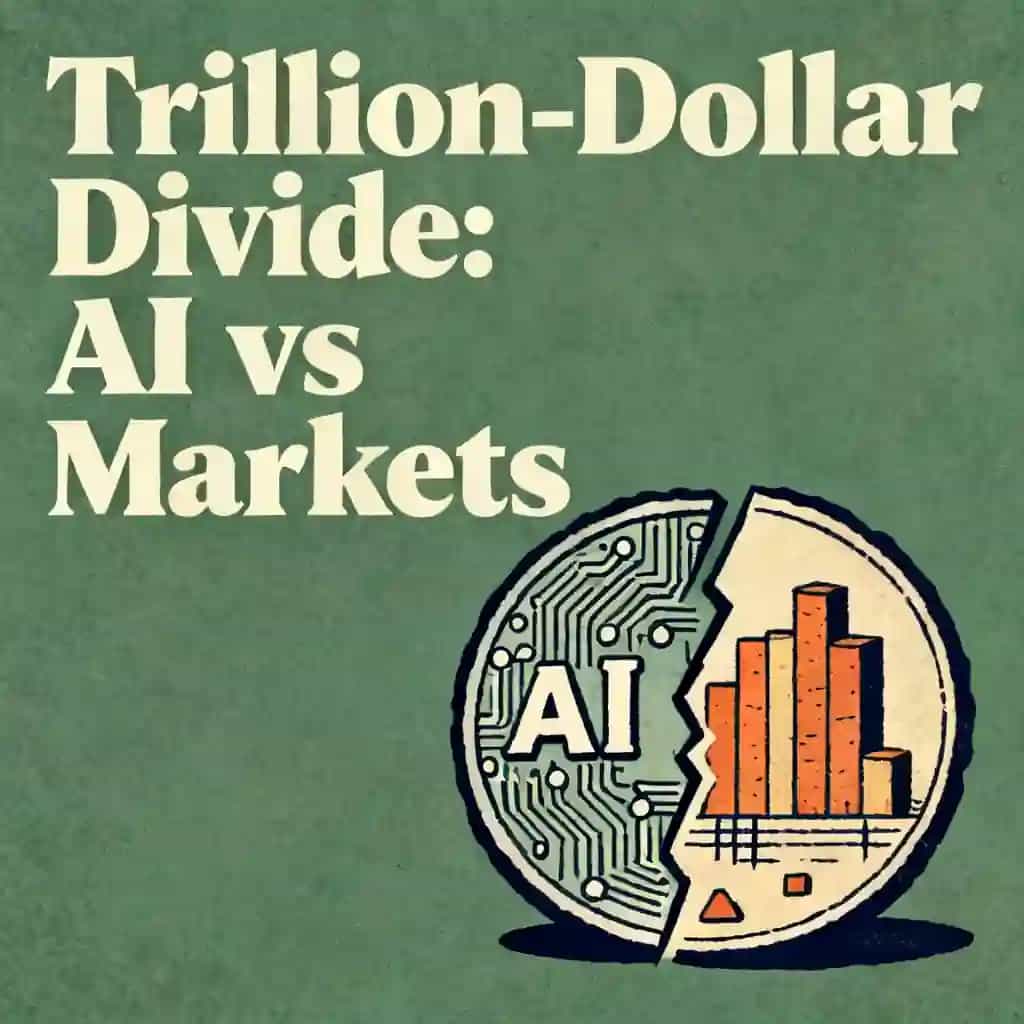
Microsoft is currently facing a "valuation reset" as Wall Street shifts from the discovery phase to the execution phase of AI. While the company is projected to spend approximately $146 billion on AI infrastructure by fiscal 2026, investors are becoming impatient for a clear return on investment. This tension is exacerbated by the fact that Microsoft's quarterly capital expenditures have nearly doubled to almost $30 billion, while high-margin revenue from products like Copilot is still in the early, experimental stages of adoption.
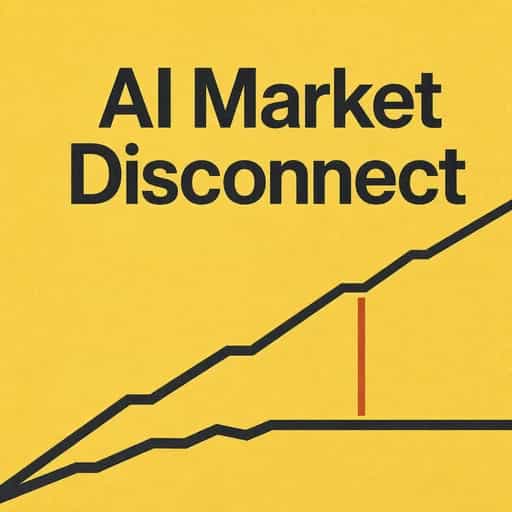
While Microsoft’s Azure cloud business reported a strong 39% revenue growth, it is facing stiff competition from Google Cloud, which recently grew at 48%. This disparity has led some analysts to worry that Microsoft may be losing market share in the rapidly expanding cloud sector. Additionally, Meta has seen more immediate stock rewards because its AI spending is directly linked to its core advertising business, whereas Microsoft’s AI revenue is more diffuse across a wide range of enterprise tools and software.
"Copilotization" refers to Microsoft’s strategy of deeply integrating AI assistants into its entire software stack, including Windows 12 and Microsoft 365. Currently, the strategy is in a transition phase; only about 15 million seats of Microsoft 365 Copilot are paid, representing just 3% of the standard bundle users. While Microsoft is achieving its quarterly goals for AI product sales, the market is waiting to see if these tools move from being "experimental" to "essential" utilities that drive significant recurring revenue.
Microsoft’s AI growth is limited by physical bottlenecks such as power grid capacities and the supply of essential materials like helium for chip fabrication. Geopolitically, the company’s massive data centers have become "physical addresses" that are vulnerable to regional conflicts and drone strikes. To mitigate these risks, Microsoft is acting as a "quasi-sovereign actor," investing billions in diverse regions like Japan, Singapore, and Taiwan to ensure infrastructure resilience and to navigate the "Tech Cold War" between Western and Chinese digital ecosystems.
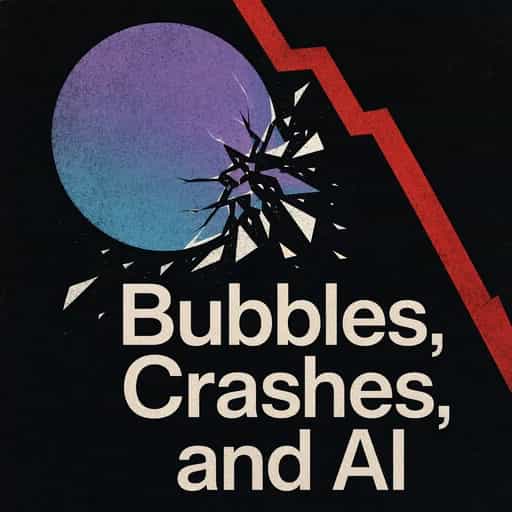
The script suggests the truth lies in the middle, describing the current state as a "valuation reset" rather than a total collapse. Unlike the dot-com bubble, Microsoft has a fortress balance sheet with over $100 billion in cash and a $625 billion backlog in commercial commitments for Azure, indicating real demand. While there is a risk of an "air pocket" where infrastructure spending outpaces immediate revenue, many analysts view the shift from CPU-centric to GPU-accelerated computing as a fundamental, multi-year supercycle.
Von Columbia University Alumni in San Francisco entwickelt
"Instead of endless scrolling, I just hit play on BeFreed. It saves me so much time."


"I never knew where to start with nonfiction—BeFreed’s book lists turned into podcasts gave me a clear path."


"Perfect balance between learning and entertainment. Finished ‘Thinking, Fast and Slow’ on my commute this week."
"Crazy how much I learned while walking the dog. BeFreed = small habits → big gains."
"Reading used to feel like a chore. Now it’s just part of my lifestyle."

"Feels effortless compared to reading. I’ve finished 6 books this month already."
"BeFreed turned my guilty doomscrolling into something that feels productive and inspiring."

"BeFreed turned my commute into learning time. 20-min podcasts are perfect for finishing books I never had time for."
"BeFreed replaced my podcast queue. Imagine Spotify for books — that’s it. 🙌"

"It is great for me to learn something from the book without reading it."
"The themed book list podcasts help me connect ideas across authors—like a guided audio journey."
"Makes me feel smarter every time before going to work"
Von Columbia University Alumni in San Francisco entwickelt
"Instead of endless scrolling, I just hit play on BeFreed. It saves me so much time."
"I never knew where to start with nonfiction—BeFreed’s book lists turned into podcasts gave me a clear path."
"Perfect balance between learning and entertainment. Finished ‘Thinking, Fast and Slow’ on my commute this week."
"Crazy how much I learned while walking the dog. BeFreed = small habits → big gains."
"Reading used to feel like a chore. Now it’s just part of my lifestyle."
"Feels effortless compared to reading. I’ve finished 6 books this month already."
"BeFreed turned my guilty doomscrolling into something that feels productive and inspiring."
"BeFreed turned my commute into learning time. 20-min podcasts are perfect for finishing books I never had time for."
"BeFreed replaced my podcast queue. Imagine Spotify for books — that’s it. 🙌"
"It is great for me to learn something from the book without reading it."
"The themed book list podcasts help me connect ideas across authors—like a guided audio journey."
"Makes me feel smarter every time before going to work"
"Instead of endless scrolling, I just hit play on BeFreed. It saves me so much time."
"I never knew where to start with nonfiction—BeFreed’s book lists turned into podcasts gave me a clear path."
"Perfect balance between learning and entertainment. Finished ‘Thinking, Fast and Slow’ on my commute this week."
"Crazy how much I learned while walking the dog. BeFreed = small habits → big gains."
"Reading used to feel like a chore. Now it’s just part of my lifestyle."
"Feels effortless compared to reading. I’ve finished 6 books this month already."
"BeFreed turned my guilty doomscrolling into something that feels productive and inspiring."
"BeFreed turned my commute into learning time. 20-min podcasts are perfect for finishing books I never had time for."
"BeFreed replaced my podcast queue. Imagine Spotify for books — that’s it. 🙌"
"It is great for me to learn something from the book without reading it."
"The themed book list podcasts help me connect ideas across authors—like a guided audio journey."
"Makes me feel smarter every time before going to work"
"Instead of endless scrolling, I just hit play on BeFreed. It saves me so much time."
"I never knew where to start with nonfiction—BeFreed’s book lists turned into podcasts gave me a clear path."
"Perfect balance between learning and entertainment. Finished ‘Thinking, Fast and Slow’ on my commute this week."
"Crazy how much I learned while walking the dog. BeFreed = small habits → big gains."
"Reading used to feel like a chore. Now it’s just part of my lifestyle."
"Feels effortless compared to reading. I’ve finished 6 books this month already."
"BeFreed turned my guilty doomscrolling into something that feels productive and inspiring."
"BeFreed turned my commute into learning time. 20-min podcasts are perfect for finishing books I never had time for."
"BeFreed replaced my podcast queue. Imagine Spotify for books — that’s it. 🙌"
"It is great for me to learn something from the book without reading it."
"The themed book list podcasts help me connect ideas across authors—like a guided audio journey."
"Makes me feel smarter every time before going to work"

![[6df5810b-fe16-4cb2-a8c4-bff4b978dd0d:c0000] I want to be scared, you know. I don't want to feel like … p1-1](/_next/image?url=https%3A%2F%2Fd1y2du6z1jfm9e.cloudfront.net%2Fassets%2Fpodcast%2Fyellow.png&w=1024&q=50)
![[6df5810b-fe16-4cb2-a8c4-bff4b978dd0d:c0001] I want to be scared, you know. I don't want to feel like … p1-1](/_next/image?url=https%3A%2F%2Fd1y2du6z1jfm9e.cloudfront.net%2Fassets%2Fpodcast%2Fblue.png&w=1024&q=50)
![[6df5810b-fe16-4cb2-a8c4-bff4b978dd0d:c0002] I want to be scared, you know. I don't want to feel like … p1-1](/_next/image?url=https%3A%2F%2Fd1y2du6z1jfm9e.cloudfront.net%2Fassets%2Fpodcast%2Fpurple.png&w=1024&q=50)
![[58fbcc90-6393-404d-883e-75d02cc9c7f1:c0001] I want to be scared, you know. I don't want to feel like … p1-1](/_next/image?url=https%3A%2F%2Fd1y2du6z1jfm9e.cloudfront.net%2Fassets%2Fpodcast%2Fgreen.png&w=1024&q=50)