Why Betrayal Happens Without Empathy
Struggling to understand why a partner can see your pain but not feel it? Explore the disconnect between cognitive and affective empathy to find closure.

Bestes Zitat aus Why Betrayal Happens Without Empathy
Some people actually have 'cognitive empathy'—the intellectual ability to map out your emotions—but they completely lack 'affective empathy,' which is the emotional capacity to actually care or feel moved by that pain.
Generated by John
I want to learn why some women can compartmentalize and deliberately disrespect and betray their partners and why they can control the narrative and not feel the slightest bit of empathy

Häufig gestellte Fragen
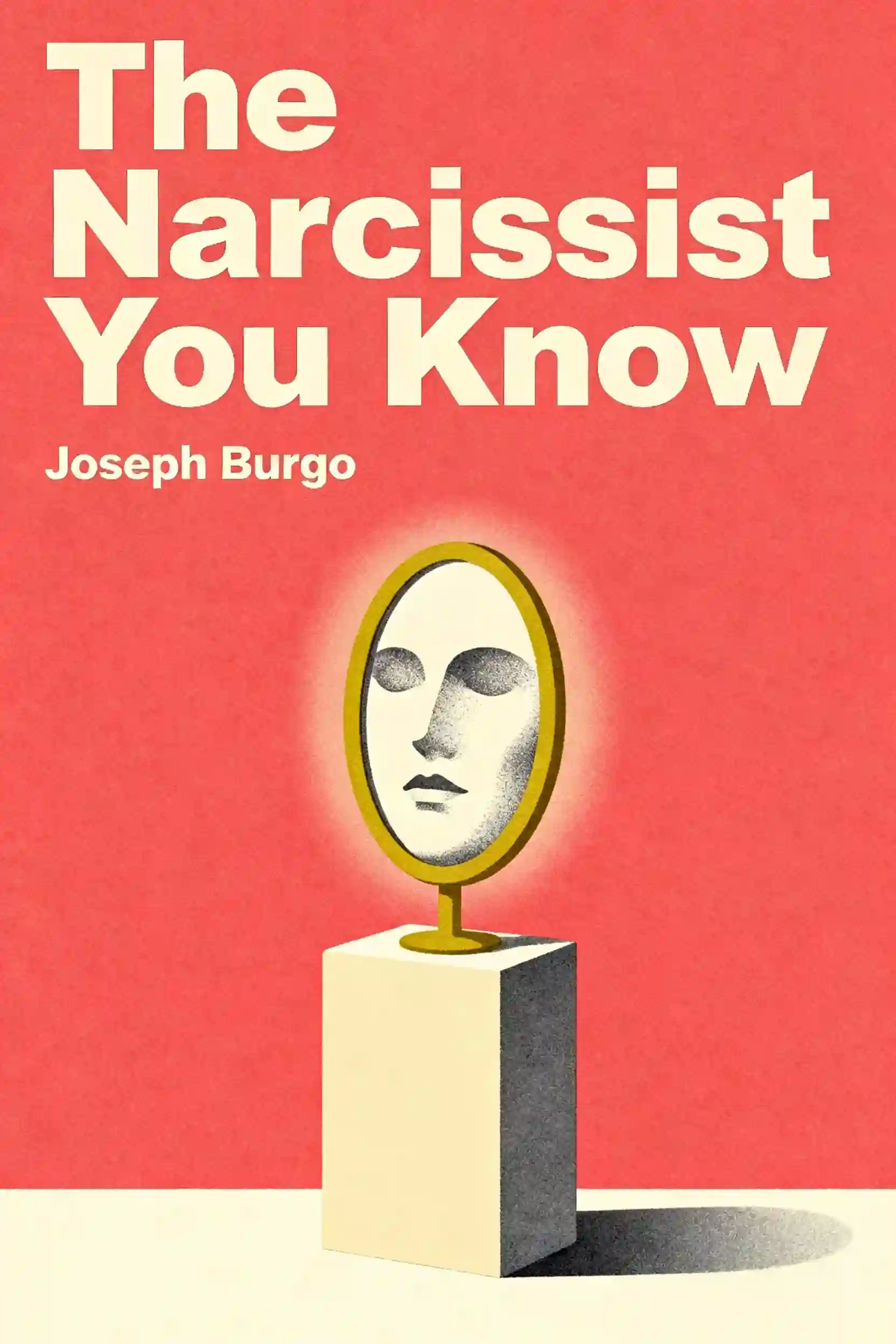
Cognitive empathy is the intellectual ability to understand or map out another person's emotions, allowing someone to summarize or describe how you feel with great accuracy. Affective empathy, on the other hand, is the emotional capacity to actually feel moved by or care about that person's pain. Individuals with an "empathy void" often possess high cognitive empathy but completely lack affective empathy, meaning they can understand your suffering perfectly while remaining entirely unmoved by it.
Compartmentalization acts like an emotional circuit breaker or a filing cabinet with sealed drawers. A person uses this defense mechanism to wall off distressing emotions or conflicting realities into isolated mental boxes, such as keeping a "loving partner" persona separate from a "secret life" persona. Because these mental compartments do not leak into one another, the individual avoids cognitive dissonance—the mental tension that occurs when actions don't match values—allowing them to switch between different lives without feeling a clash or a sense of guilt.
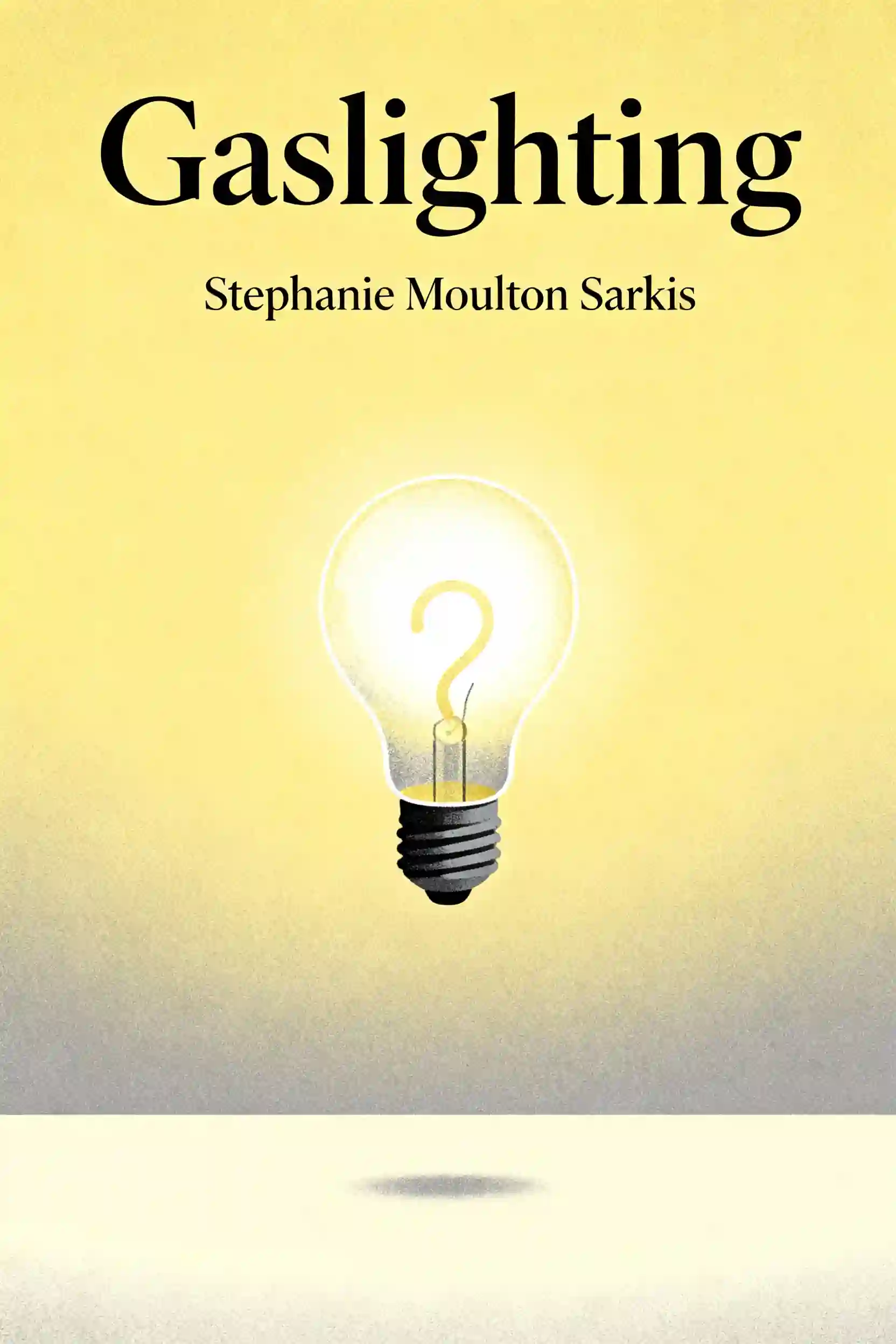
Reality erosion is a subtle form of manipulation where a person rewrites the history of events to ensure they remain the hero or the victim in any given story. By using selective memory, attribution theory, and gaslighting, they deny your lived experience and blame external situations for their bad behavior. Over time, this causes the partner to doubt their own instincts and feel disoriented, as the manipulator delivers their polished version of the truth with such total conviction that the partner begins to believe their own internal compass is broken.
Yes, research suggests several physical and neurological factors, including "Alexithymia," which is a difficulty in identifying and describing emotions. This often involves a disconnect between the prefrontal cortex (the brain's logic center) and the amygdala (where emotions are processed). In some cases, chronic stress or the strain of living a double life floods the brain with cortisol, which can damage the neural pathways responsible for empathy and emotional regulation, effectively "uninstalling" the hardware needed to process the feelings of others.
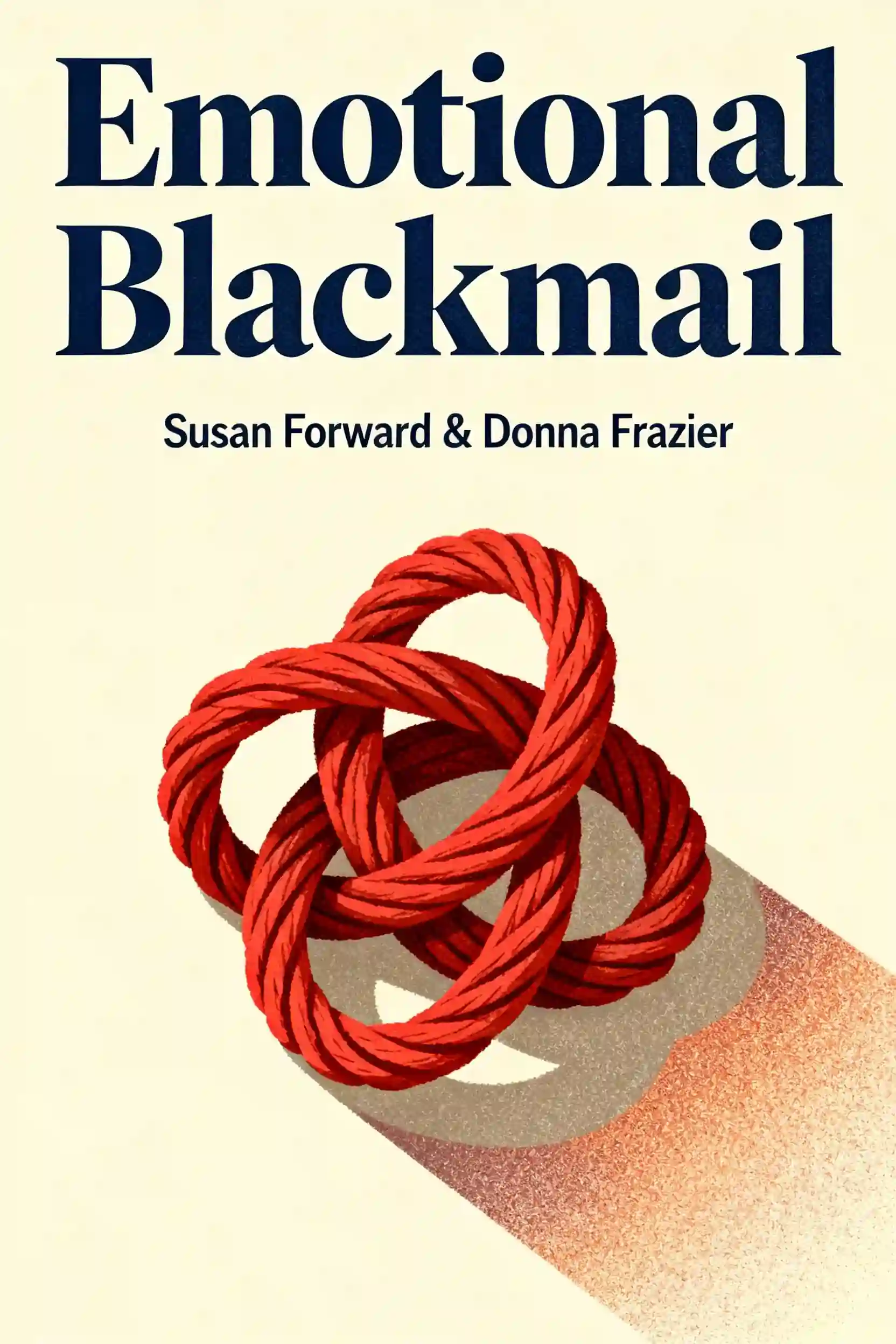
Trying to reason with someone who lacks affective empathy is described as trying to describe color to someone who cannot see it; if the internal circuitry isn't there to value the bond, no amount of explaining will change the outcome. In many cases, justifying, arguing, defending, and explaining (JADE-ing) actually provides the manipulator with more material to twist or triggers a "split" where they view the partner as an enemy. Closure comes not from their apology, but from recognizing their limitations and rebuilding your own reality independently.
Von Columbia University Alumni in San Francisco entwickelt
"Instead of endless scrolling, I just hit play on BeFreed. It saves me so much time."


"I never knew where to start with nonfiction—BeFreed’s book lists turned into podcasts gave me a clear path."


"Perfect balance between learning and entertainment. Finished ‘Thinking, Fast and Slow’ on my commute this week."
"Crazy how much I learned while walking the dog. BeFreed = small habits → big gains."
"Reading used to feel like a chore. Now it’s just part of my lifestyle."

"Feels effortless compared to reading. I’ve finished 6 books this month already."
"BeFreed turned my guilty doomscrolling into something that feels productive and inspiring."

"BeFreed turned my commute into learning time. 20-min podcasts are perfect for finishing books I never had time for."
"BeFreed replaced my podcast queue. Imagine Spotify for books — that’s it. 🙌"

"It is great for me to learn something from the book without reading it."
"The themed book list podcasts help me connect ideas across authors—like a guided audio journey."
"Makes me feel smarter every time before going to work"
Von Columbia University Alumni in San Francisco entwickelt
"Instead of endless scrolling, I just hit play on BeFreed. It saves me so much time."
"I never knew where to start with nonfiction—BeFreed’s book lists turned into podcasts gave me a clear path."
"Perfect balance between learning and entertainment. Finished ‘Thinking, Fast and Slow’ on my commute this week."
"Crazy how much I learned while walking the dog. BeFreed = small habits → big gains."
"Reading used to feel like a chore. Now it’s just part of my lifestyle."
"Feels effortless compared to reading. I’ve finished 6 books this month already."
"BeFreed turned my guilty doomscrolling into something that feels productive and inspiring."
"BeFreed turned my commute into learning time. 20-min podcasts are perfect for finishing books I never had time for."
"BeFreed replaced my podcast queue. Imagine Spotify for books — that’s it. 🙌"
"It is great for me to learn something from the book without reading it."
"The themed book list podcasts help me connect ideas across authors—like a guided audio journey."
"Makes me feel smarter every time before going to work"
"Instead of endless scrolling, I just hit play on BeFreed. It saves me so much time."
"I never knew where to start with nonfiction—BeFreed’s book lists turned into podcasts gave me a clear path."
"Perfect balance between learning and entertainment. Finished ‘Thinking, Fast and Slow’ on my commute this week."
"Crazy how much I learned while walking the dog. BeFreed = small habits → big gains."
"Reading used to feel like a chore. Now it’s just part of my lifestyle."
"Feels effortless compared to reading. I’ve finished 6 books this month already."
"BeFreed turned my guilty doomscrolling into something that feels productive and inspiring."
"BeFreed turned my commute into learning time. 20-min podcasts are perfect for finishing books I never had time for."
"BeFreed replaced my podcast queue. Imagine Spotify for books — that’s it. 🙌"
"It is great for me to learn something from the book without reading it."
"The themed book list podcasts help me connect ideas across authors—like a guided audio journey."
"Makes me feel smarter every time before going to work"
"Instead of endless scrolling, I just hit play on BeFreed. It saves me so much time."
"I never knew where to start with nonfiction—BeFreed’s book lists turned into podcasts gave me a clear path."
"Perfect balance between learning and entertainment. Finished ‘Thinking, Fast and Slow’ on my commute this week."
"Crazy how much I learned while walking the dog. BeFreed = small habits → big gains."
"Reading used to feel like a chore. Now it’s just part of my lifestyle."
"Feels effortless compared to reading. I’ve finished 6 books this month already."
"BeFreed turned my guilty doomscrolling into something that feels productive and inspiring."
"BeFreed turned my commute into learning time. 20-min podcasts are perfect for finishing books I never had time for."
"BeFreed replaced my podcast queue. Imagine Spotify for books — that’s it. 🙌"
"It is great for me to learn something from the book without reading it."
"The themed book list podcasts help me connect ideas across authors—like a guided audio journey."
"Makes me feel smarter every time before going to work"

![[2603.15245] Practicing with Language Models Cultivates Human Empathic Communication](/_next/image?url=https%3A%2F%2Fd1y2du6z1jfm9e.cloudfront.net%2Fassets%2Fpodcast%2Fyellow.png&w=1024&q=50)