Who’s Driving? Connecting Your Past, Present, and Future Selves
Explore the 'golden thread' of identity to distinguish between your inner child and your future self. Learn to recognize who is leading your life and how to embrace the woman you are becoming.

Bestes Zitat aus Who’s Driving? Connecting Your Past, Present, and Future Selves
The current you is the one holding the steering wheel, even if the other two are shouting directions from the backseat. The goal is to move from being the 'Actor' who is stuck following a script to being the 'Author' who decides what your life events mean.
Generated by Freedee_C80FE9AB
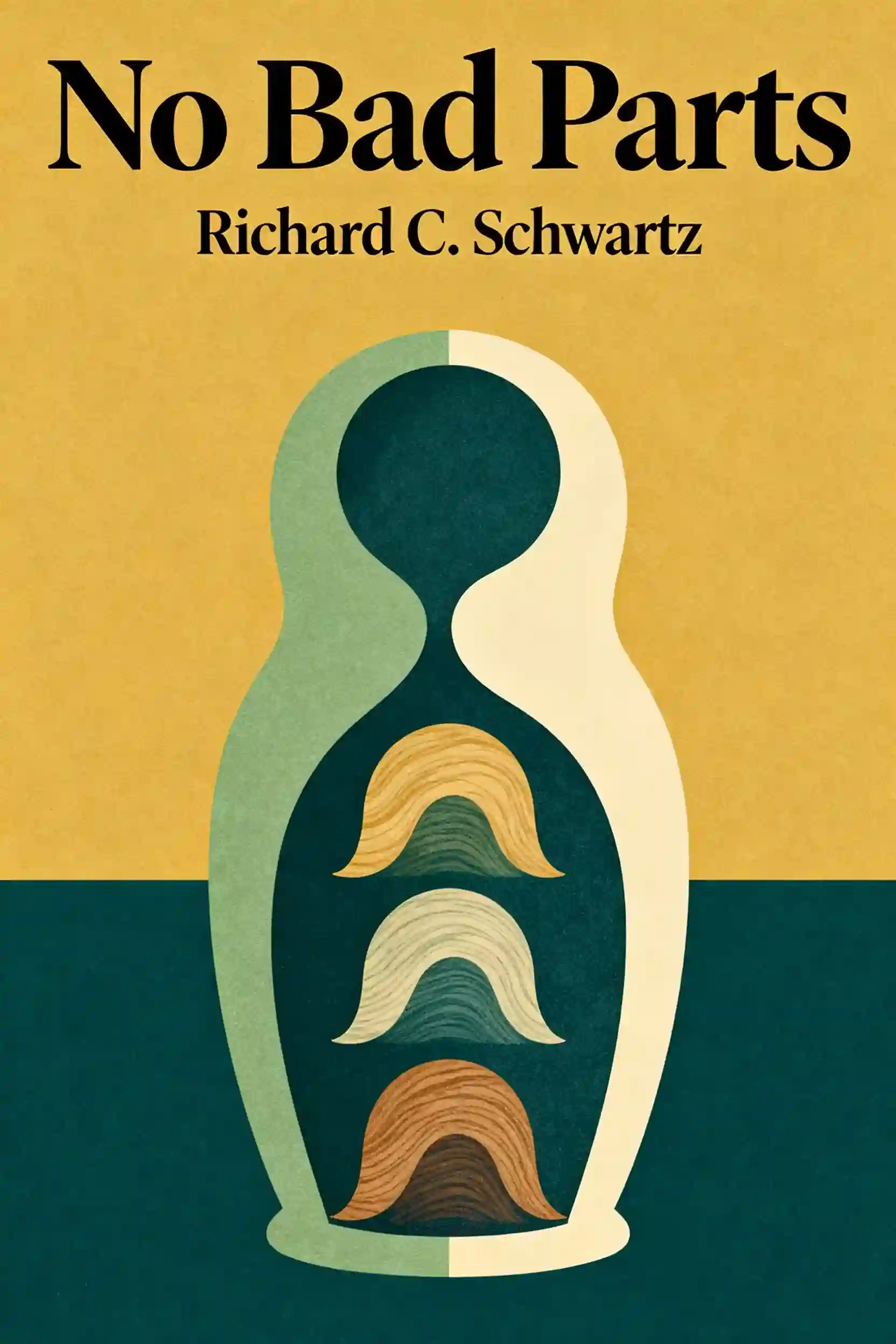
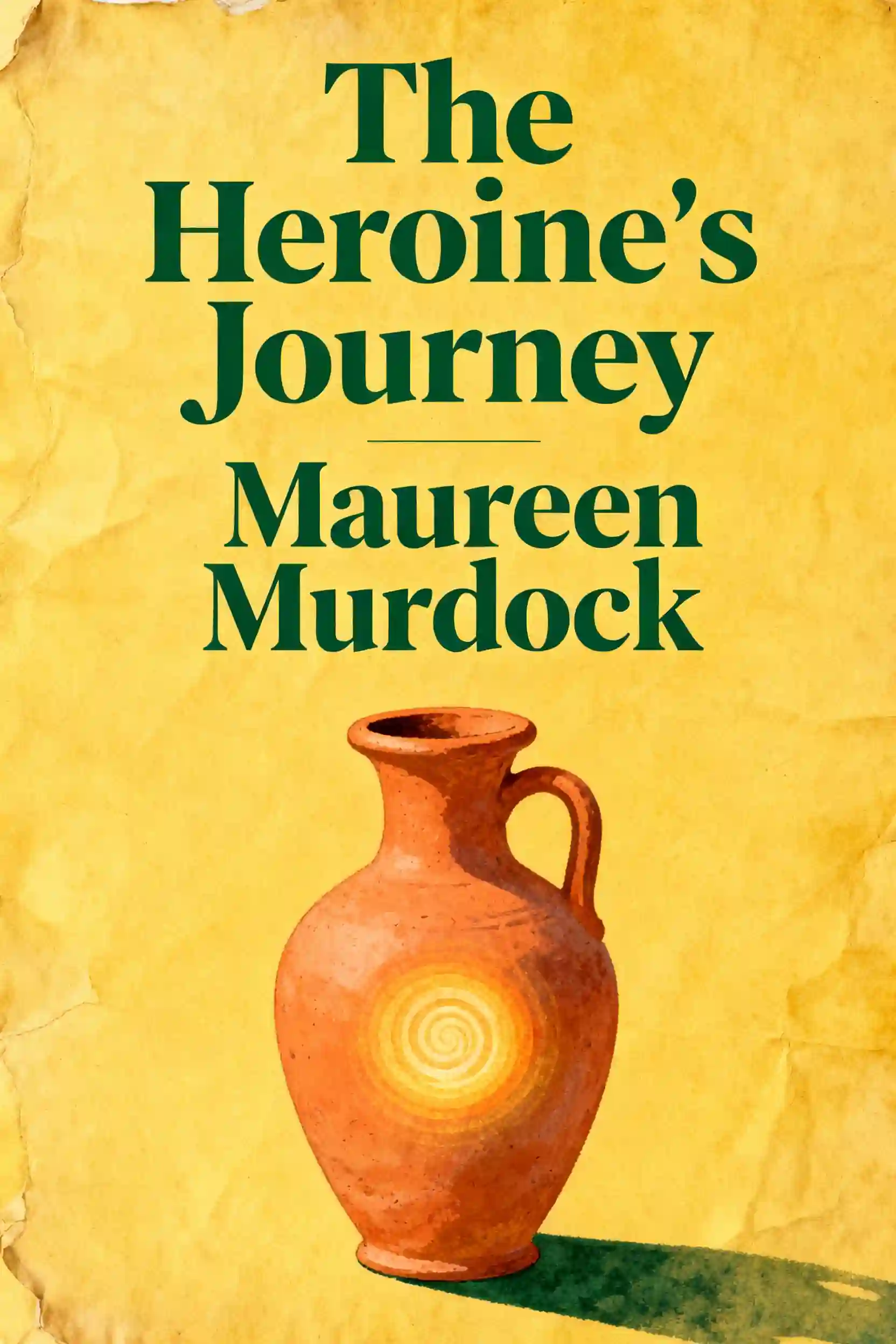
Is there a future woman the current woman I am and a younger version of my friend can you explain that to me? I’m trying to determine when the future woman comes in when it’s just me and when it’s my younger self.

Häufig gestellte Fragen
You can distinguish between these internal voices by paying attention to your bodily sensations and the intensity of your emotions. The inner child often manifests as a "contraction," such as a tight chest or racing heart, and typically drives disproportionate emotional reactions or "stuckness" based on past wounds. In contrast, the future self feels like an "expansion" or a sense of peace and clarity. While the child reacts to the past with defensive mechanisms, the future self acts as a visionary guide, pulling you toward your potential and long-term purpose.
Temporal discounting is a psychological phenomenon where an individual chooses a small, immediate reward over a significantly larger reward in the future. This often happens when there is a lack of "self-continuity," meaning you feel disconnected from your future self and view that version of you as a stranger. By strengthening the "golden thread" of identity and recognizing that your future self is indeed you, you become more likely to make ethical decisions, save for retirement, and maintain better physical health.
One effective method is "Non-Dominant Hand Writing," where you ask a question with your dominant hand to represent the adult self and answer with your non-dominant hand to tap into the raw emotions of the inner child. Another tool is the "Letter-Exchange Exercise," which involves writing a letter to your future self about your current hopes and then writing a response back from that future perspective to gain insight and compassion. Additionally, using "Third-Person Perspective" visualization allows you to look at your traits and roles more objectively, as if you were an actor on a stage.
This feeling often stems from "Self-Discontinuity," where your internal state does not match your external performance. For example, an "Overachiever" inner child might be driving you to seek success only to gain the validation they never received, leading to burnout. When the "Current Woman" acts as a social actor—smiling and nodding to maintain a reputation while the inner child is screaming inside—it creates a sense of fragmentation. Healing involves "reparenting" that child, acknowledging their fear, and allowing the "Future Woman" to lead from a place of inherent worth rather than a need for external gold stars.
Von Columbia University Alumni in San Francisco entwickelt
"Instead of endless scrolling, I just hit play on BeFreed. It saves me so much time."


"I never knew where to start with nonfiction—BeFreed’s book lists turned into podcasts gave me a clear path."


"Perfect balance between learning and entertainment. Finished ‘Thinking, Fast and Slow’ on my commute this week."
"Crazy how much I learned while walking the dog. BeFreed = small habits → big gains."
"Reading used to feel like a chore. Now it’s just part of my lifestyle."

"Feels effortless compared to reading. I’ve finished 6 books this month already."
"BeFreed turned my guilty doomscrolling into something that feels productive and inspiring."

"BeFreed turned my commute into learning time. 20-min podcasts are perfect for finishing books I never had time for."
"BeFreed replaced my podcast queue. Imagine Spotify for books — that’s it. 🙌"

"It is great for me to learn something from the book without reading it."
"The themed book list podcasts help me connect ideas across authors—like a guided audio journey."
"Makes me feel smarter every time before going to work"
Von Columbia University Alumni in San Francisco entwickelt
"Instead of endless scrolling, I just hit play on BeFreed. It saves me so much time."
"I never knew where to start with nonfiction—BeFreed’s book lists turned into podcasts gave me a clear path."
"Perfect balance between learning and entertainment. Finished ‘Thinking, Fast and Slow’ on my commute this week."
"Crazy how much I learned while walking the dog. BeFreed = small habits → big gains."
"Reading used to feel like a chore. Now it’s just part of my lifestyle."
"Feels effortless compared to reading. I’ve finished 6 books this month already."
"BeFreed turned my guilty doomscrolling into something that feels productive and inspiring."
"BeFreed turned my commute into learning time. 20-min podcasts are perfect for finishing books I never had time for."
"BeFreed replaced my podcast queue. Imagine Spotify for books — that’s it. 🙌"
"It is great for me to learn something from the book without reading it."
"The themed book list podcasts help me connect ideas across authors—like a guided audio journey."
"Makes me feel smarter every time before going to work"
"Instead of endless scrolling, I just hit play on BeFreed. It saves me so much time."
"I never knew where to start with nonfiction—BeFreed’s book lists turned into podcasts gave me a clear path."
"Perfect balance between learning and entertainment. Finished ‘Thinking, Fast and Slow’ on my commute this week."
"Crazy how much I learned while walking the dog. BeFreed = small habits → big gains."
"Reading used to feel like a chore. Now it’s just part of my lifestyle."
"Feels effortless compared to reading. I’ve finished 6 books this month already."
"BeFreed turned my guilty doomscrolling into something that feels productive and inspiring."
"BeFreed turned my commute into learning time. 20-min podcasts are perfect for finishing books I never had time for."
"BeFreed replaced my podcast queue. Imagine Spotify for books — that’s it. 🙌"
"It is great for me to learn something from the book without reading it."
"The themed book list podcasts help me connect ideas across authors—like a guided audio journey."
"Makes me feel smarter every time before going to work"
"Instead of endless scrolling, I just hit play on BeFreed. It saves me so much time."
"I never knew where to start with nonfiction—BeFreed’s book lists turned into podcasts gave me a clear path."
"Perfect balance between learning and entertainment. Finished ‘Thinking, Fast and Slow’ on my commute this week."
"Crazy how much I learned while walking the dog. BeFreed = small habits → big gains."
"Reading used to feel like a chore. Now it’s just part of my lifestyle."
"Feels effortless compared to reading. I’ve finished 6 books this month already."
"BeFreed turned my guilty doomscrolling into something that feels productive and inspiring."
"BeFreed turned my commute into learning time. 20-min podcasts are perfect for finishing books I never had time for."
"BeFreed replaced my podcast queue. Imagine Spotify for books — that’s it. 🙌"
"It is great for me to learn something from the book without reading it."
"The themed book list podcasts help me connect ideas across authors—like a guided audio journey."
"Makes me feel smarter every time before going to work"