When Busy Feels Like Progress
We often mistake a packed calendar for real momentum. Learn why your brain craves urgency and how to trade constant motion for actual results.

Bestes Zitat aus When Busy Feels Like Progress
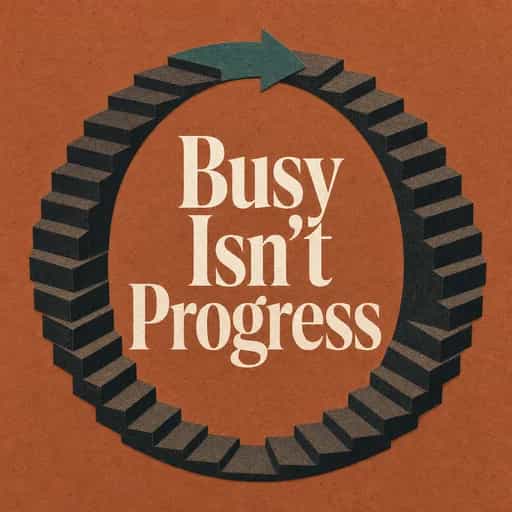
We mistake motion for momentum. Motion is just moving your feet in place; momentum is actually covering ground.
Generated with BeFreed
When Being Busy Feels Like Progress






Häufig gestellte Fragen
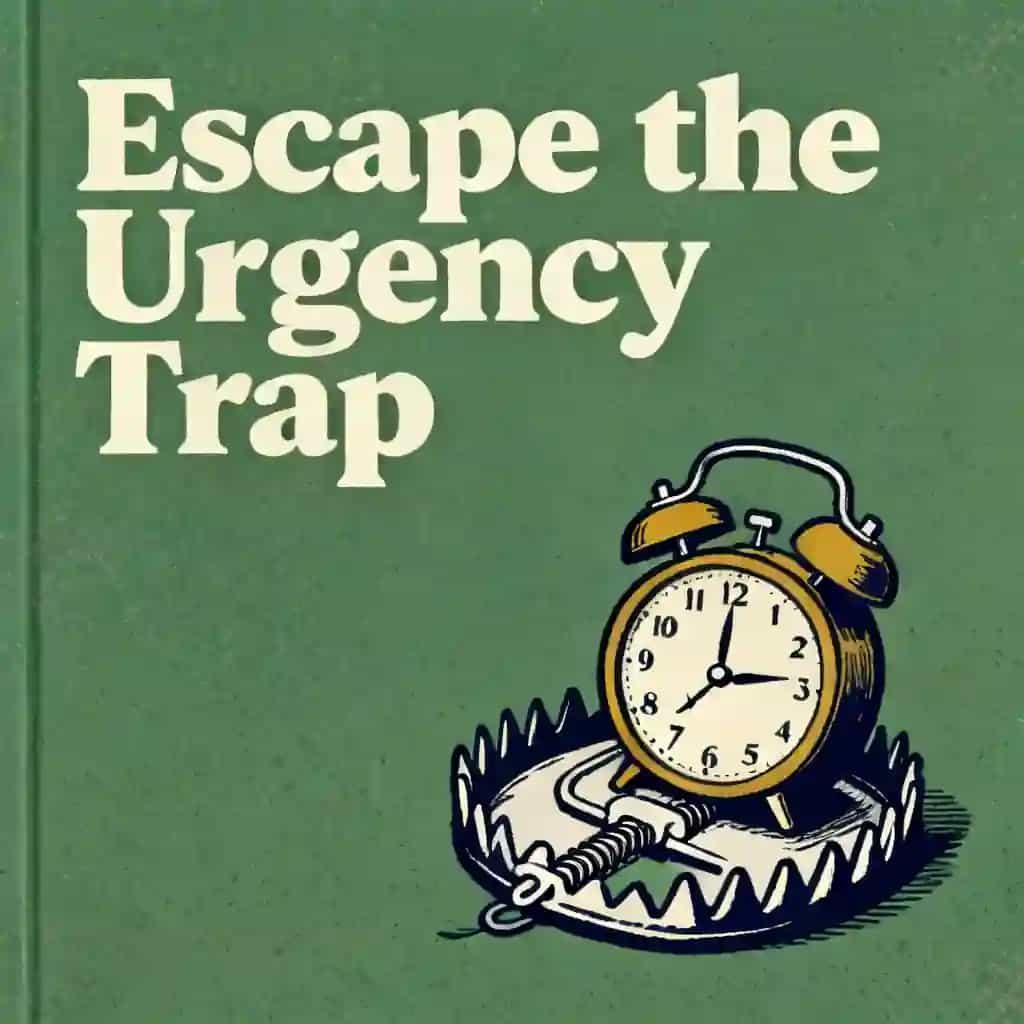
The Mere Urgency Effect is a psychological phenomenon where individuals consistently choose unimportant tasks over important ones simply because the unimportant tasks feel urgent. This happens because the brain treats "pings," notifications, or ticking clocks as immediate threats, and clearing them provides a quick hit of dopamine. This creates a cycle where people stimulate their reward centers by completing easy tasks while avoiding the difficult, high-value work that actually moves a business or career forward.
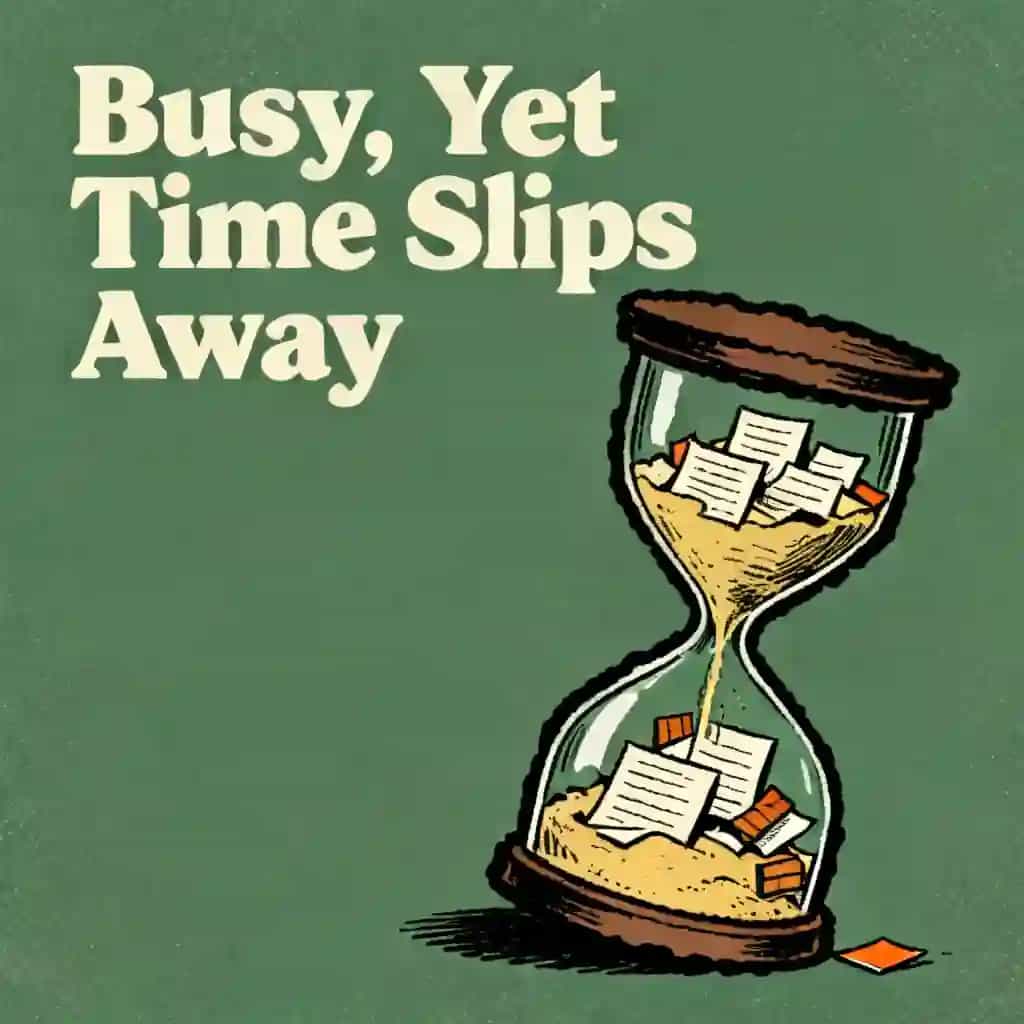
In a shift from historical norms where leisure was a sign of wealth, modern society often views visible overload as evidence of value and superior achievement. This "Busyness Paradox" suggests that if a person is difficult to reach and has a packed calendar, their work must be important. Consequently, many people use busyness as a way to signal their "human capital" and importance to others, even if their actual output is lower due to the cognitive costs of constant task-switching.
Motion is defined as moving your feet in place or performing activity for the sake of feeling productive, such as clearing an inbox or completing dozens of minor tasks. Real progress, or momentum, is quieter and measured by outcomes rather than activity. A productive day is one where something is fundamentally different at the end of the day than it was at the beginning, such as resolving a major bottleneck or finishing a strategic proposal, regardless of how many small tasks were left unfinished.
For many driven individuals, constant activity serves as a form of emotional numbing or a shield against uncomfortable feelings like inadequacy, loneliness, or grief. An empty calendar or unstructured time can trigger the inner critic or feelings of fear, leading people to "productively procrastinate" by finding projects—like organizing files or cleaning—to avoid the discomfort of silence. In this context, staying busy is a socially acceptable way to hide from high-stakes decisions or personal issues.
One effective system is "intentional preparation," which involves identifying the "top three" leverage actions each day that move the business forward, rather than focusing on emails or "fires." Another strategy is shifting from "task lists" to "outcome lists" by asking what needs to be different by the end of the week. By applying the 80/20 rule—recognizing that 80 percent of results come from 20 percent of efforts—individuals can ruthlessly eliminate or delegate low-value tasks to protect time for deep, meaningful work.
Von Columbia University Alumni in San Francisco entwickelt
"Instead of endless scrolling, I just hit play on BeFreed. It saves me so much time."


"I never knew where to start with nonfiction—BeFreed’s book lists turned into podcasts gave me a clear path."


"Perfect balance between learning and entertainment. Finished ‘Thinking, Fast and Slow’ on my commute this week."
"Crazy how much I learned while walking the dog. BeFreed = small habits → big gains."
"Reading used to feel like a chore. Now it’s just part of my lifestyle."

"Feels effortless compared to reading. I’ve finished 6 books this month already."
"BeFreed turned my guilty doomscrolling into something that feels productive and inspiring."

"BeFreed turned my commute into learning time. 20-min podcasts are perfect for finishing books I never had time for."
"BeFreed replaced my podcast queue. Imagine Spotify for books — that’s it. 🙌"

"It is great for me to learn something from the book without reading it."
"The themed book list podcasts help me connect ideas across authors—like a guided audio journey."
"Makes me feel smarter every time before going to work"
Von Columbia University Alumni in San Francisco entwickelt
"Instead of endless scrolling, I just hit play on BeFreed. It saves me so much time."
"I never knew where to start with nonfiction—BeFreed’s book lists turned into podcasts gave me a clear path."
"Perfect balance between learning and entertainment. Finished ‘Thinking, Fast and Slow’ on my commute this week."
"Crazy how much I learned while walking the dog. BeFreed = small habits → big gains."
"Reading used to feel like a chore. Now it’s just part of my lifestyle."
"Feels effortless compared to reading. I’ve finished 6 books this month already."
"BeFreed turned my guilty doomscrolling into something that feels productive and inspiring."
"BeFreed turned my commute into learning time. 20-min podcasts are perfect for finishing books I never had time for."
"BeFreed replaced my podcast queue. Imagine Spotify for books — that’s it. 🙌"
"It is great for me to learn something from the book without reading it."
"The themed book list podcasts help me connect ideas across authors—like a guided audio journey."
"Makes me feel smarter every time before going to work"
"Instead of endless scrolling, I just hit play on BeFreed. It saves me so much time."
"I never knew where to start with nonfiction—BeFreed’s book lists turned into podcasts gave me a clear path."
"Perfect balance between learning and entertainment. Finished ‘Thinking, Fast and Slow’ on my commute this week."
"Crazy how much I learned while walking the dog. BeFreed = small habits → big gains."
"Reading used to feel like a chore. Now it’s just part of my lifestyle."
"Feels effortless compared to reading. I’ve finished 6 books this month already."
"BeFreed turned my guilty doomscrolling into something that feels productive and inspiring."
"BeFreed turned my commute into learning time. 20-min podcasts are perfect for finishing books I never had time for."
"BeFreed replaced my podcast queue. Imagine Spotify for books — that’s it. 🙌"
"It is great for me to learn something from the book without reading it."
"The themed book list podcasts help me connect ideas across authors—like a guided audio journey."
"Makes me feel smarter every time before going to work"
"Instead of endless scrolling, I just hit play on BeFreed. It saves me so much time."
"I never knew where to start with nonfiction—BeFreed’s book lists turned into podcasts gave me a clear path."
"Perfect balance between learning and entertainment. Finished ‘Thinking, Fast and Slow’ on my commute this week."
"Crazy how much I learned while walking the dog. BeFreed = small habits → big gains."
"Reading used to feel like a chore. Now it’s just part of my lifestyle."
"Feels effortless compared to reading. I’ve finished 6 books this month already."
"BeFreed turned my guilty doomscrolling into something that feels productive and inspiring."
"BeFreed turned my commute into learning time. 20-min podcasts are perfect for finishing books I never had time for."
"BeFreed replaced my podcast queue. Imagine Spotify for books — that’s it. 🙌"
"It is great for me to learn something from the book without reading it."
"The themed book list podcasts help me connect ideas across authors—like a guided audio journey."
"Makes me feel smarter every time before going to work"