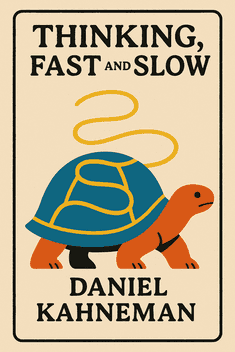
Daniel Kahneman's Thinking, Fast and Slow: In-Depth Analysis
Explore an in-depth analysis of Daniel Kahneman's Thinking, Fast and Slow. Learn how System 1 and System 2 shape decision making and behavioral economics.

Bestes Zitat aus Daniel Kahneman's Thinking, Fast and Slow: In-Depth Analysis
Our brains aren’t calculators—they’re storytellers. We like to think we’re the captains of our own ships, making cool, calculated decisions, but our intuition is often a beautiful, messy lie.
Generated by Freedee_CF3E3496
Thinking fast and slow. Kahneman In depth analysis






Häufig gestellte Fragen
The core concept revolves around two distinct systems that drive human thought: System 1 and System 2. System 1 is fast, instinctive, and emotional, while System 2 is slower, more deliberative, and logical. This analysis explores how these two frameworks interact to influence our daily choices, judgment, and overall cognitive processes within the field of psychology.
Behavioral economics is central to the book as it challenges the idea that humans always act as rational agents. By examining cognitive bias and the psychological factors behind financial and personal choices, Daniel Kahneman demonstrates how mental shortcuts often lead to predictable errors. This analysis highlights how understanding these biases can lead to better decision making in both business and personal life.
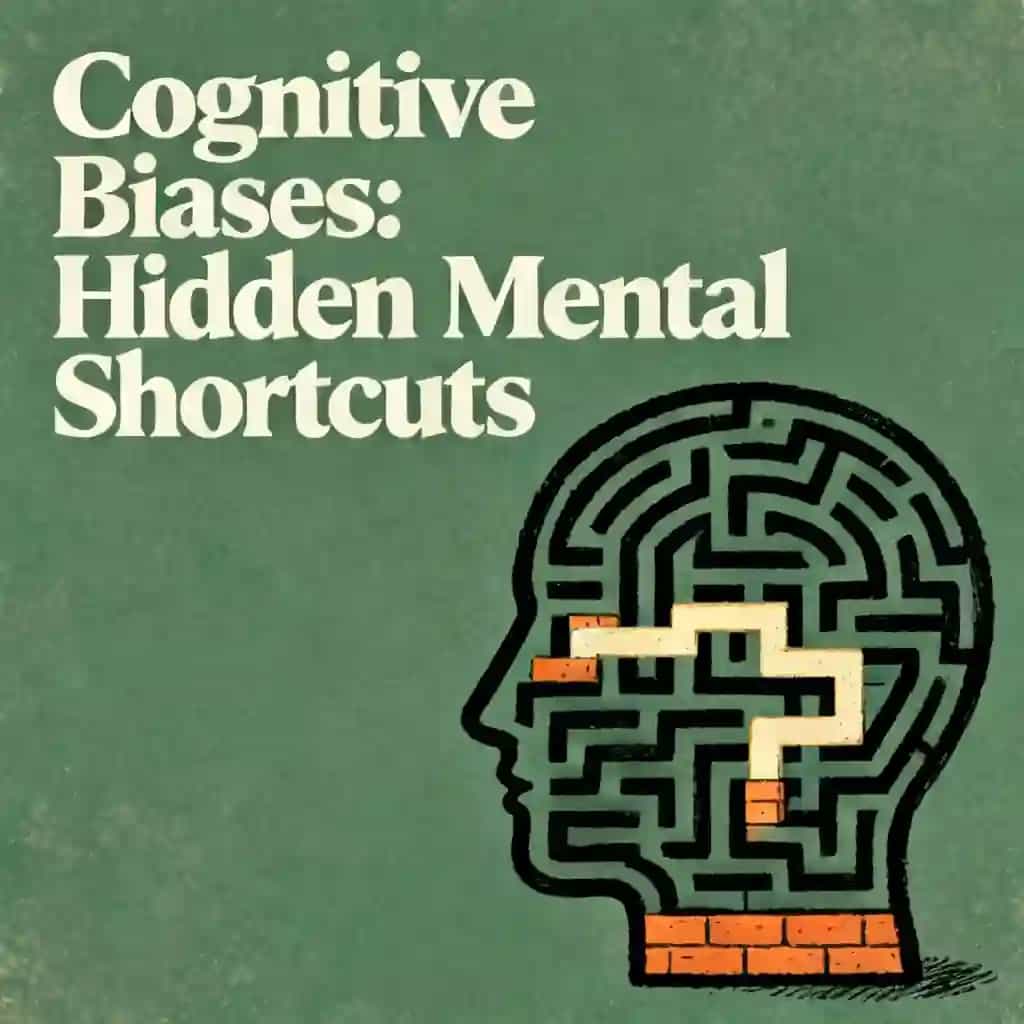
The analysis covers several significant cognitive biases, such as anchoring, availability heuristics, and loss aversion. These mental shortcuts are products of System 1 thinking and often result in flawed logic or irrational behavior. By identifying these patterns, the podcast provides listeners with the tools to recognize when their intuition might be leading them astray and when to engage more effortful System 2 thinking.
Understanding the distinction is vital because most errors in judgment occur when we rely on the fast, automatic System 1 for complex problems that require the slow, analytical System 2. This in-depth analysis explains how to identify which system is in control. By learning to slow down and engage our logical mind, we can mitigate the impact of biases and improve the quality of our long-term decisions.
Von Columbia University Alumni in San Francisco entwickelt
"Instead of endless scrolling, I just hit play on BeFreed. It saves me so much time."


"I never knew where to start with nonfiction—BeFreed’s book lists turned into podcasts gave me a clear path."


"Perfect balance between learning and entertainment. Finished ‘Thinking, Fast and Slow’ on my commute this week."
"Crazy how much I learned while walking the dog. BeFreed = small habits → big gains."
"Reading used to feel like a chore. Now it’s just part of my lifestyle."

"Feels effortless compared to reading. I’ve finished 6 books this month already."
"BeFreed turned my guilty doomscrolling into something that feels productive and inspiring."

"BeFreed turned my commute into learning time. 20-min podcasts are perfect for finishing books I never had time for."
"BeFreed replaced my podcast queue. Imagine Spotify for books — that’s it. 🙌"

"It is great for me to learn something from the book without reading it."
"The themed book list podcasts help me connect ideas across authors—like a guided audio journey."
"Makes me feel smarter every time before going to work"
Von Columbia University Alumni in San Francisco entwickelt
"Instead of endless scrolling, I just hit play on BeFreed. It saves me so much time."
"I never knew where to start with nonfiction—BeFreed’s book lists turned into podcasts gave me a clear path."
"Perfect balance between learning and entertainment. Finished ‘Thinking, Fast and Slow’ on my commute this week."
"Crazy how much I learned while walking the dog. BeFreed = small habits → big gains."
"Reading used to feel like a chore. Now it’s just part of my lifestyle."
"Feels effortless compared to reading. I’ve finished 6 books this month already."
"BeFreed turned my guilty doomscrolling into something that feels productive and inspiring."
"BeFreed turned my commute into learning time. 20-min podcasts are perfect for finishing books I never had time for."
"BeFreed replaced my podcast queue. Imagine Spotify for books — that’s it. 🙌"
"It is great for me to learn something from the book without reading it."
"The themed book list podcasts help me connect ideas across authors—like a guided audio journey."
"Makes me feel smarter every time before going to work"
"Instead of endless scrolling, I just hit play on BeFreed. It saves me so much time."
"I never knew where to start with nonfiction—BeFreed’s book lists turned into podcasts gave me a clear path."
"Perfect balance between learning and entertainment. Finished ‘Thinking, Fast and Slow’ on my commute this week."
"Crazy how much I learned while walking the dog. BeFreed = small habits → big gains."
"Reading used to feel like a chore. Now it’s just part of my lifestyle."
"Feels effortless compared to reading. I’ve finished 6 books this month already."
"BeFreed turned my guilty doomscrolling into something that feels productive and inspiring."
"BeFreed turned my commute into learning time. 20-min podcasts are perfect for finishing books I never had time for."
"BeFreed replaced my podcast queue. Imagine Spotify for books — that’s it. 🙌"
"It is great for me to learn something from the book without reading it."
"The themed book list podcasts help me connect ideas across authors—like a guided audio journey."
"Makes me feel smarter every time before going to work"
"Instead of endless scrolling, I just hit play on BeFreed. It saves me so much time."
"I never knew where to start with nonfiction—BeFreed’s book lists turned into podcasts gave me a clear path."
"Perfect balance between learning and entertainment. Finished ‘Thinking, Fast and Slow’ on my commute this week."
"Crazy how much I learned while walking the dog. BeFreed = small habits → big gains."
"Reading used to feel like a chore. Now it’s just part of my lifestyle."
"Feels effortless compared to reading. I’ve finished 6 books this month already."
"BeFreed turned my guilty doomscrolling into something that feels productive and inspiring."
"BeFreed turned my commute into learning time. 20-min podcasts are perfect for finishing books I never had time for."
"BeFreed replaced my podcast queue. Imagine Spotify for books — that’s it. 🙌"
"It is great for me to learn something from the book without reading it."
"The themed book list podcasts help me connect ideas across authors—like a guided audio journey."
"Makes me feel smarter every time before going to work"