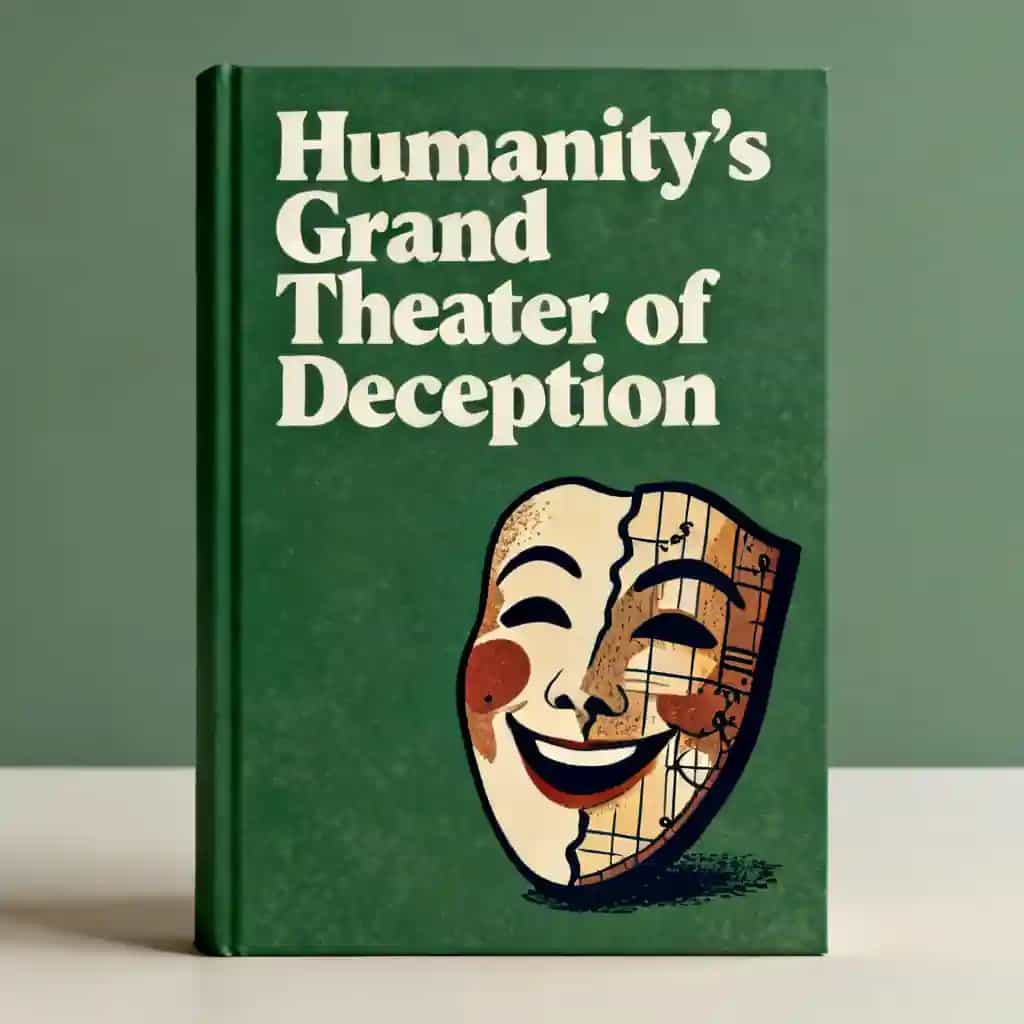
The Triple Pledge: Decoding the Architecture of Truth
Explore the fascinating history and cognitive science behind the courtroom's most famous oath. Learn how 'the whole truth' serves as a civic scaffold against half-truths and strategic silence.

Bestes Zitat aus The Triple Pledge: Decoding the Architecture of Truth
The oath is an anchor; it is our way of saying that for this one moment, we are going to act as if there is a single, objective reality that we are all accountable to.
Generated by Jacob
The truth the whole truth and nothing but the truth

Häufig gestellte Fragen
The triple pledge refers to the phrase "the truth, the whole truth, and nothing but the truth." This tripartite architecture is designed to close specific loopholes in human communication. While "the truth" prevents flat-out lies, "the whole truth" is intended to stop strategic silences or the withholding of context that can create misleading half-truths. Finally, "nothing but the truth" ensures that the witness does not add fabricated details or "shade" the story to influence the outcome.
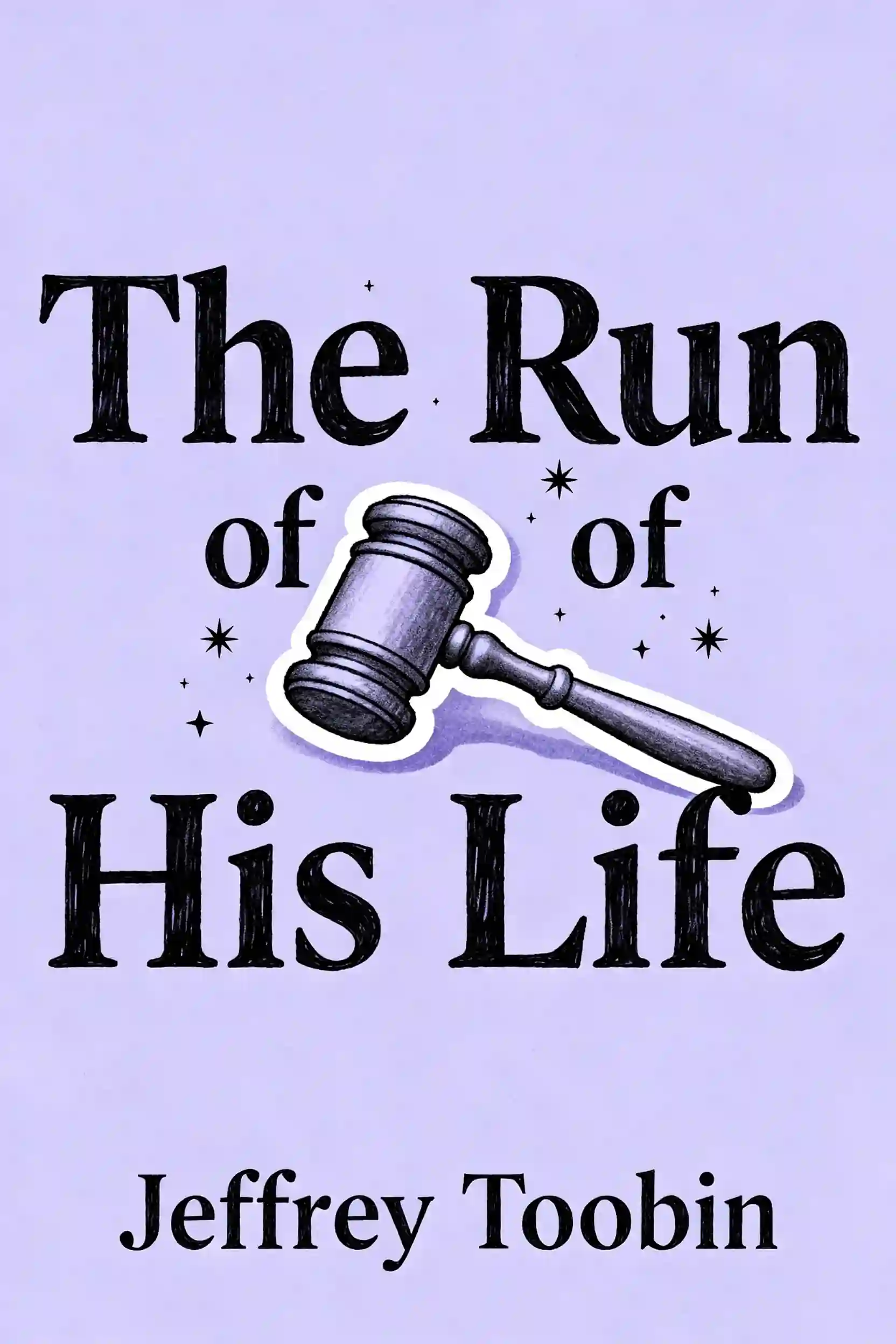
In early Roman law, the consequences were physical and severe; perjurers could be thrown to their deaths from the Tarpeian Rock. By contrast, the early English common law tradition lacked codified legal penalties like fines or jail time. Instead, the system relied on the "specter of God’s vengeance," where witnesses believed that lying after swearing an oath would invite divine retribution and eternal damnation. It wasn't until later that these religious fears were replaced by modern legal statutes and a sense of civic duty to the law.
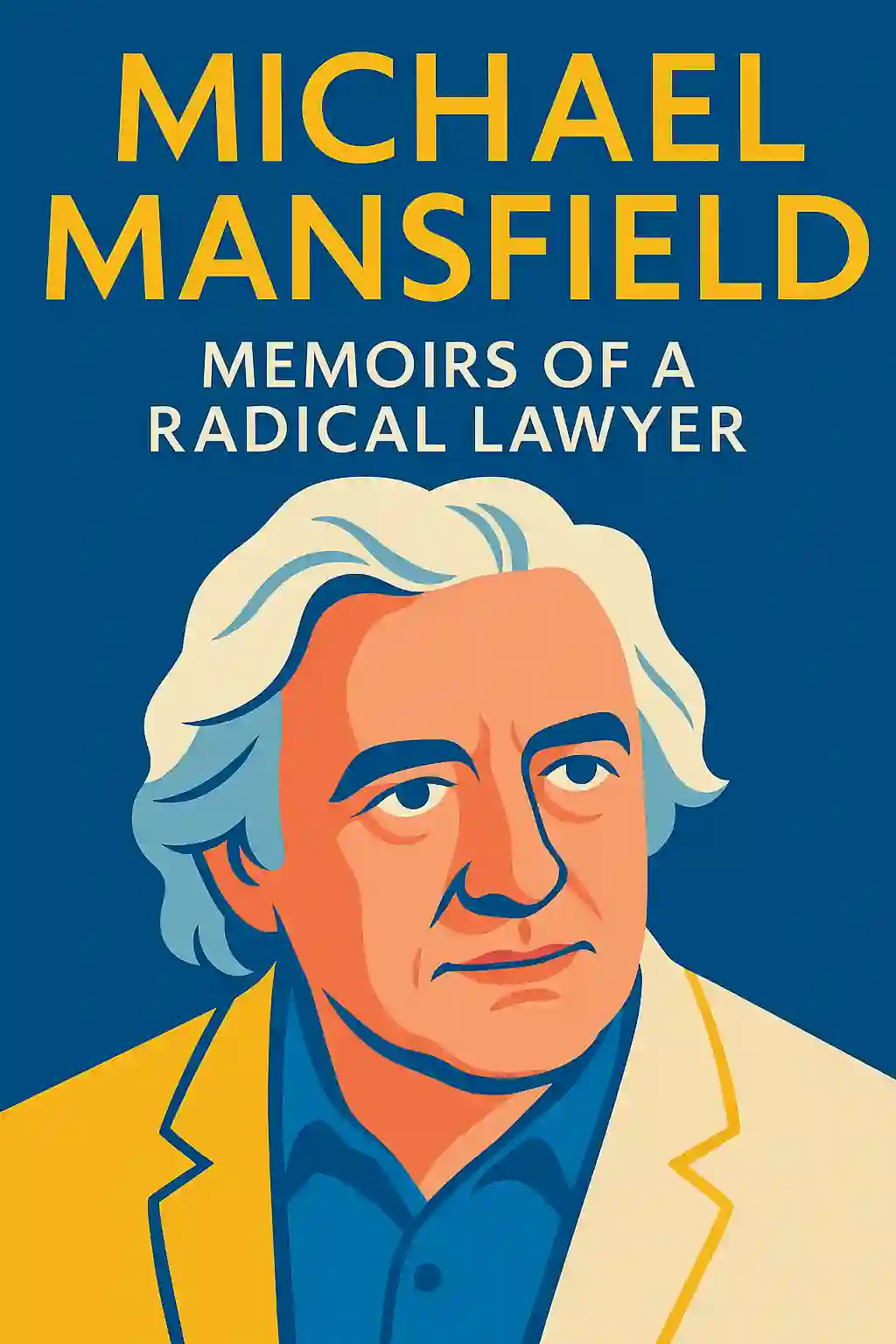
The bias snowball effect occurs when an expert's objectivity is compromised by irrelevant contextual information. For example, if a fingerprint analyst is told that a suspect has already confessed, that information can subconsciously "prime" the expert to see patterns that confirm the confession. This creates a self-reinforcing loop where different pieces of evidence are "double-counted" because the experts are no longer analyzing the data in a vacuum, leading to a "cognitive cascade" that distorts the objective truth.
The transition from swearing to affirming began largely with the Quakers in America, who objected to oaths based on religious scripture that commanded them "swear not at all." This created a tension between secular law and personal conscience. Modern courts allow witnesses to "affirm" their testimony to accommodate those who have religious or secular objections to the traditional ritual, shifting the focus from a religious act to a "fully integrated honesty" and a moral commitment to tell the truth.
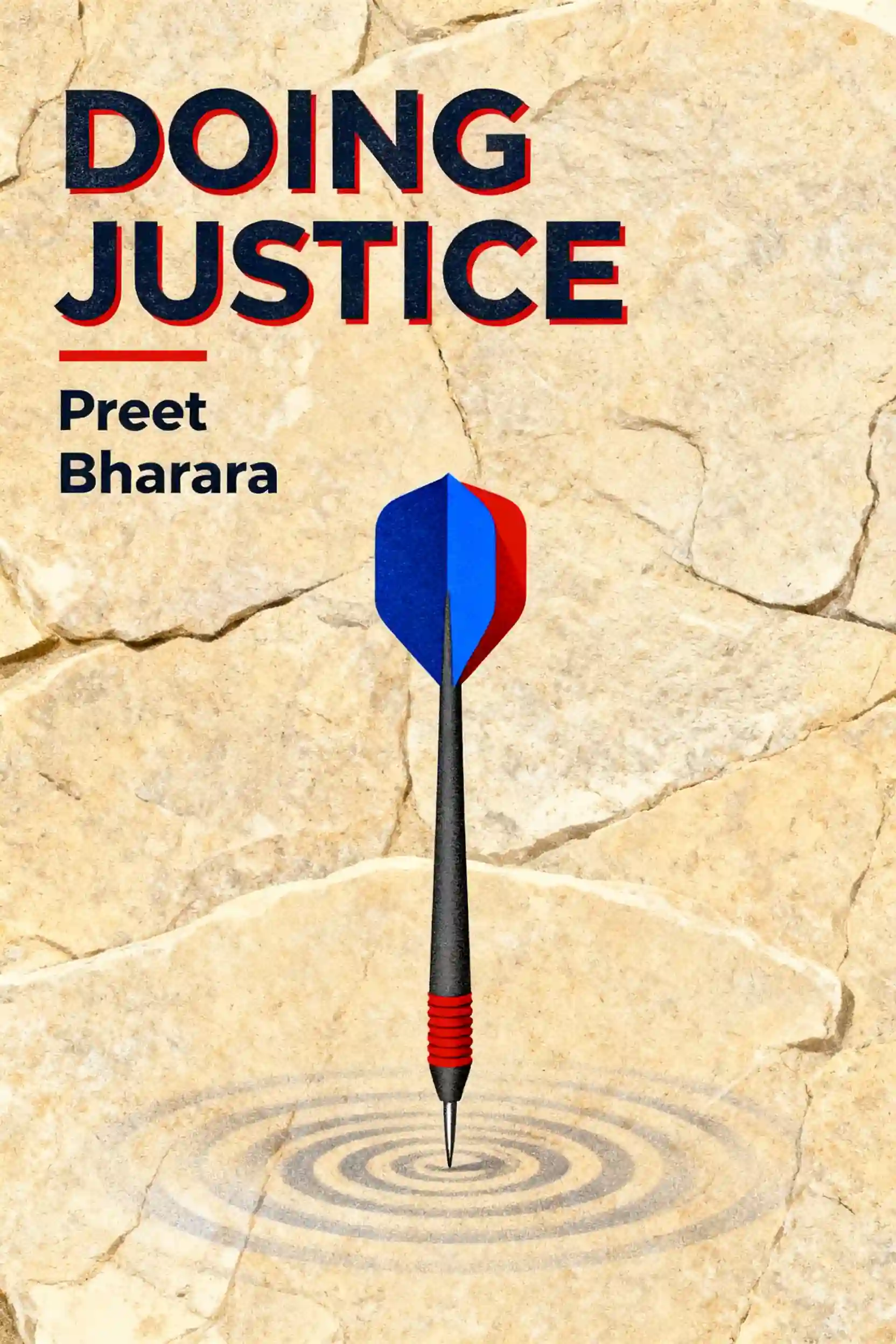
According to the Yerkes-Dodson Law, there is a "sweet spot" for stress that aids performance. If a witness is too relaxed, they may become rambling and careless, leading to errors. However, if a witness is overly anxious—often due to "evaluation apprehension" or the fear of looking foolish—they may over-correct, become defensive, or subconsciously tailor their answers to please the lawyers. This high-pressure environment can cause the brain to reconstruct memories inaccurately, making the "whole truth" difficult to retrieve.
Von Columbia University Alumni in San Francisco entwickelt
"Instead of endless scrolling, I just hit play on BeFreed. It saves me so much time."


"I never knew where to start with nonfiction—BeFreed’s book lists turned into podcasts gave me a clear path."


"Perfect balance between learning and entertainment. Finished ‘Thinking, Fast and Slow’ on my commute this week."
"Crazy how much I learned while walking the dog. BeFreed = small habits → big gains."
"Reading used to feel like a chore. Now it’s just part of my lifestyle."

"Feels effortless compared to reading. I’ve finished 6 books this month already."
"BeFreed turned my guilty doomscrolling into something that feels productive and inspiring."

"BeFreed turned my commute into learning time. 20-min podcasts are perfect for finishing books I never had time for."
"BeFreed replaced my podcast queue. Imagine Spotify for books — that’s it. 🙌"

"It is great for me to learn something from the book without reading it."
"The themed book list podcasts help me connect ideas across authors—like a guided audio journey."
"Makes me feel smarter every time before going to work"
 Ask ChatGPT
 Ask Claude
Von Columbia University Alumni in San Francisco entwickelt
"Instead of endless scrolling, I just hit play on BeFreed. It saves me so much time."
"I never knew where to start with nonfiction—BeFreed’s book lists turned into podcasts gave me a clear path."
"Perfect balance between learning and entertainment. Finished ‘Thinking, Fast and Slow’ on my commute this week."
"Crazy how much I learned while walking the dog. BeFreed = small habits → big gains."
"Reading used to feel like a chore. Now it’s just part of my lifestyle."
"Feels effortless compared to reading. I’ve finished 6 books this month already."
"BeFreed turned my guilty doomscrolling into something that feels productive and inspiring."
"BeFreed turned my commute into learning time. 20-min podcasts are perfect for finishing books I never had time for."
"BeFreed replaced my podcast queue. Imagine Spotify for books — that’s it. 🙌"
"It is great for me to learn something from the book without reading it."
"The themed book list podcasts help me connect ideas across authors—like a guided audio journey."
"Makes me feel smarter every time before going to work"
"Instead of endless scrolling, I just hit play on BeFreed. It saves me so much time."
"I never knew where to start with nonfiction—BeFreed’s book lists turned into podcasts gave me a clear path."
"Perfect balance between learning and entertainment. Finished ‘Thinking, Fast and Slow’ on my commute this week."
"Crazy how much I learned while walking the dog. BeFreed = small habits → big gains."
"Reading used to feel like a chore. Now it’s just part of my lifestyle."
"Feels effortless compared to reading. I’ve finished 6 books this month already."
"BeFreed turned my guilty doomscrolling into something that feels productive and inspiring."
"BeFreed turned my commute into learning time. 20-min podcasts are perfect for finishing books I never had time for."
"BeFreed replaced my podcast queue. Imagine Spotify for books — that’s it. 🙌"
"It is great for me to learn something from the book without reading it."
"The themed book list podcasts help me connect ideas across authors—like a guided audio journey."
"Makes me feel smarter every time before going to work"
"Instead of endless scrolling, I just hit play on BeFreed. It saves me so much time."
"I never knew where to start with nonfiction—BeFreed’s book lists turned into podcasts gave me a clear path."
"Perfect balance between learning and entertainment. Finished ‘Thinking, Fast and Slow’ on my commute this week."
"Crazy how much I learned while walking the dog. BeFreed = small habits → big gains."
"Reading used to feel like a chore. Now it’s just part of my lifestyle."
"Feels effortless compared to reading. I’ve finished 6 books this month already."
"BeFreed turned my guilty doomscrolling into something that feels productive and inspiring."
"BeFreed turned my commute into learning time. 20-min podcasts are perfect for finishing books I never had time for."
"BeFreed replaced my podcast queue. Imagine Spotify for books — that’s it. 🙌"
"It is great for me to learn something from the book without reading it."
"The themed book list podcasts help me connect ideas across authors—like a guided audio journey."
"Makes me feel smarter every time before going to work"