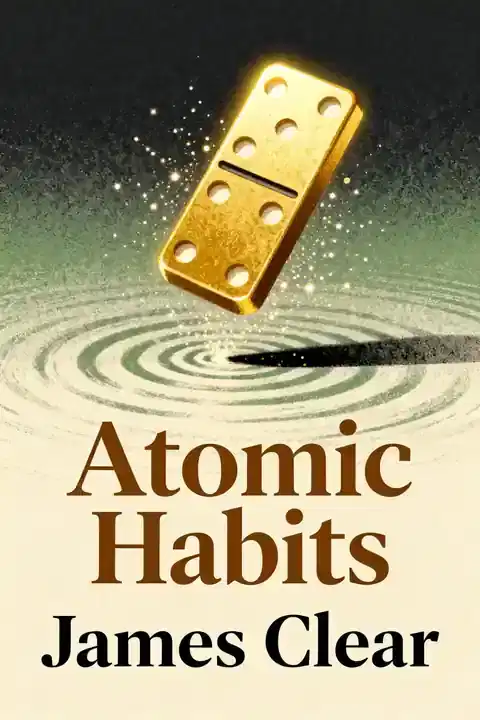
The Power of Atomic Habits
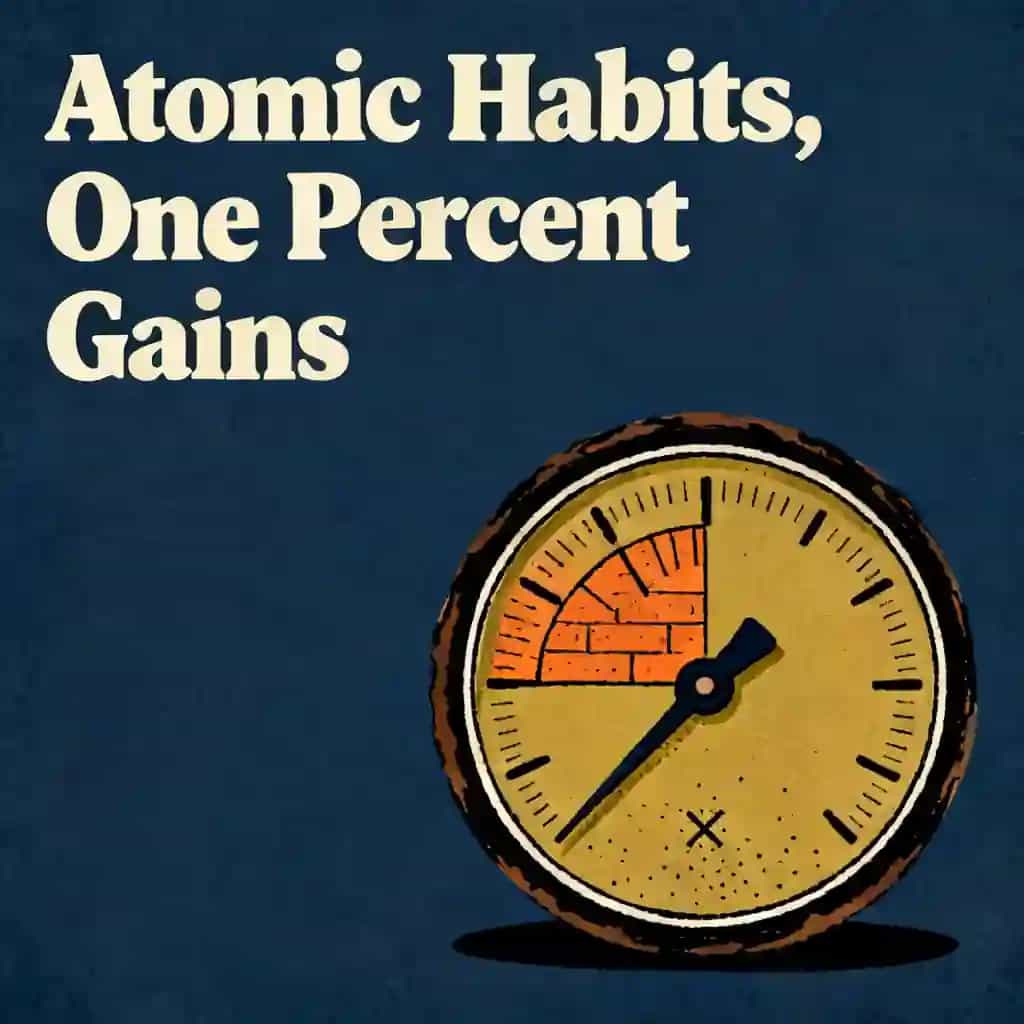
Discover why systems beat willpower and how 1% daily improvements lead to radical transformation. Learn the Four Laws of Behavior Change to master your habits and shift your identity for long-term success.

Bestes Zitat aus The Power of Atomic Habits
We don’t rise to the level of our goals; we actually fall to the level of our systems. If you get just 1% better every day for a year, you end up thirty-seven times better by the end.
Generated by Jon
Atomic habits

Häufig gestellte Fragen
The 1% Rule is based on the concept of the compound interest of self-improvement. Rather than trying to make massive, overnight changes that often fail, you focus on getting just 1% better every day. While the daily shift feels insignificant, mathematically, getting 1% better every day for a year results in being thirty-seven times better by the end of that year. Conversely, getting 1% worse each day causes a decline almost to zero.
Every habit follows a four-step neurological cycle: Cue, Craving, Response, and Reward. The Cue is a trigger that predicts a reward, which leads to a Craving, or a desire to change your internal state. The Response is the actual action or habit you perform, and the Reward is the end goal that satisfies the craving and teaches your brain to repeat the loop. These habits are physically stored in the basal ganglia, the primitive part of the brain that handles "autopilot" behaviors.
Habit Stacking is a strategy used to create new cues by "piggybacking" a new behavior onto an existing, rock-solid habit. By using the formula "After I [Current Habit], I will [New Habit]," you eliminate the need to decide when and where to act. This is effective because it utilizes established neural pathways in the brain, inserting a new line of "code" into a script that your brain already runs automatically.
The Two-Minute Rule states that any new habit should take less than two minutes to start. The focus is not on the results of the habit, but on the ritual of "showing up" and establishing a gateway behavior. For example, instead of trying to run three miles, you simply commit to putting on your running shoes. Once you master the art of showing up, it becomes much easier to optimize and expand the habit later.
Most people focus on outcome-based habits, which center on what they want to achieve, such as losing weight. Identity-based habits focus on who you want to become, such as being a "healthy person." Every action you take is a "vote" for a specific identity; by focusing on the identity first, you provide evidence to your brain of who you are, which eventually makes the desired habits feel natural rather than a struggle of willpower.
Von Columbia University Alumni in San Francisco entwickelt
"Instead of endless scrolling, I just hit play on BeFreed. It saves me so much time."


"I never knew where to start with nonfiction—BeFreed’s book lists turned into podcasts gave me a clear path."


"Perfect balance between learning and entertainment. Finished ‘Thinking, Fast and Slow’ on my commute this week."
"Crazy how much I learned while walking the dog. BeFreed = small habits → big gains."
"Reading used to feel like a chore. Now it’s just part of my lifestyle."

"Feels effortless compared to reading. I’ve finished 6 books this month already."
"BeFreed turned my guilty doomscrolling into something that feels productive and inspiring."

"BeFreed turned my commute into learning time. 20-min podcasts are perfect for finishing books I never had time for."
"BeFreed replaced my podcast queue. Imagine Spotify for books — that’s it. 🙌"

"It is great for me to learn something from the book without reading it."
"The themed book list podcasts help me connect ideas across authors—like a guided audio journey."
"Makes me feel smarter every time before going to work"
Von Columbia University Alumni in San Francisco entwickelt
"Instead of endless scrolling, I just hit play on BeFreed. It saves me so much time."
"I never knew where to start with nonfiction—BeFreed’s book lists turned into podcasts gave me a clear path."
"Perfect balance between learning and entertainment. Finished ‘Thinking, Fast and Slow’ on my commute this week."
"Crazy how much I learned while walking the dog. BeFreed = small habits → big gains."
"Reading used to feel like a chore. Now it’s just part of my lifestyle."
"Feels effortless compared to reading. I’ve finished 6 books this month already."
"BeFreed turned my guilty doomscrolling into something that feels productive and inspiring."
"BeFreed turned my commute into learning time. 20-min podcasts are perfect for finishing books I never had time for."
"BeFreed replaced my podcast queue. Imagine Spotify for books — that’s it. 🙌"
"It is great for me to learn something from the book without reading it."
"The themed book list podcasts help me connect ideas across authors—like a guided audio journey."
"Makes me feel smarter every time before going to work"
"Instead of endless scrolling, I just hit play on BeFreed. It saves me so much time."
"I never knew where to start with nonfiction—BeFreed’s book lists turned into podcasts gave me a clear path."
"Perfect balance between learning and entertainment. Finished ‘Thinking, Fast and Slow’ on my commute this week."
"Crazy how much I learned while walking the dog. BeFreed = small habits → big gains."
"Reading used to feel like a chore. Now it’s just part of my lifestyle."
"Feels effortless compared to reading. I’ve finished 6 books this month already."
"BeFreed turned my guilty doomscrolling into something that feels productive and inspiring."
"BeFreed turned my commute into learning time. 20-min podcasts are perfect for finishing books I never had time for."
"BeFreed replaced my podcast queue. Imagine Spotify for books — that’s it. 🙌"
"It is great for me to learn something from the book without reading it."
"The themed book list podcasts help me connect ideas across authors—like a guided audio journey."
"Makes me feel smarter every time before going to work"
"Instead of endless scrolling, I just hit play on BeFreed. It saves me so much time."
"I never knew where to start with nonfiction—BeFreed’s book lists turned into podcasts gave me a clear path."
"Perfect balance between learning and entertainment. Finished ‘Thinking, Fast and Slow’ on my commute this week."
"Crazy how much I learned while walking the dog. BeFreed = small habits → big gains."
"Reading used to feel like a chore. Now it’s just part of my lifestyle."
"Feels effortless compared to reading. I’ve finished 6 books this month already."
"BeFreed turned my guilty doomscrolling into something that feels productive and inspiring."
"BeFreed turned my commute into learning time. 20-min podcasts are perfect for finishing books I never had time for."
"BeFreed replaced my podcast queue. Imagine Spotify for books — that’s it. 🙌"
"It is great for me to learn something from the book without reading it."
"The themed book list podcasts help me connect ideas across authors—like a guided audio journey."
"Makes me feel smarter every time before going to work"