Explore the OpenClaw identity crisis: a tale of a 1997 pirate cat retro game engine versus a massive autonomous AI framework redefining digital assistants.
Bestes Zitat aus The OpenClaw Identity Crisis: AI Framework vs. Retro Game Engine
“
The very thing that makes OpenClaw powerful—its ability to act independently rather than just responding to prompts—is also its greatest liability in a social context.
The name OpenClaw currently refers to two distinct entities in the tech world. One is a meticulously crafted C++ game engine designed to run the 1997 pirate cat platformer featuring Captain Nathaniel J. Claw on modern hardware. The other is a massive, 360,000-star AI framework on GitHub used for autonomous artificial intelligence. This naming coincidence has created a unique identity crisis that bridges the worlds of 90s gaming nostalgia and cutting-edge global technology.
Captain Nathaniel J. Claw is the sword-swinging feline protagonist of a beloved 1997 pirate cat platformer. The OpenClaw C++ engine was specifically developed to breathe new life into this childhood classic, allowing fans to play the game on contemporary laptops. While the name is now shared with a major AI framework, for many developers and gamers, OpenClaw remains synonymous with the legacy of this specific retro gaming character.
As of May 2026, the OpenClaw AI framework has become a central figure in a global geopolitical tug of war over autonomous artificial intelligence. With over 360,000 stars on GitHub, it is redefining the capabilities of personal digital assistants. The project is frequently discussed by cybersecurity experts and developers because it explores the ethical minefields of letting AI act on a user's behalf, making it a pivotal tool for modern automation and scaling.
OpenClaw serves different needs depending on the user's goals. For developers, it offers a way to automate life through a massive AI framework or contribute to a retro C++ game engine. For business owners, the AI side of OpenClaw provides opportunities to scale lead generation and improve digital assistance. However, both groups must navigate the chaotic history and ethical implications of using such powerful autonomous artificial intelligence in today's digital landscape.
Von Columbia University Alumni | in San Francisco entwickelt
BeFreed vereint eine globale Gemeinschaft wissbegieriger Menschen
4.7
Durchschnittsbewertung
7.840+ App-Bewertungen
BeFreed-Community
Ehrlich, ich habe die App noch gar nicht komplett erkundet, aber nach den letzten Tagen bin ich schwer beeindruckt… BeFreed spielt in einer ganz anderen Liga als alle anderen Lern-Apps, die ich benutzt habe. Es ist unglaublich fesselnd und verbessert tatsächlich die Konzentration — perfekt für alle Doomscroller!
@ladyInfinity
Ich habe BeFreed vor genau 23 Tagen gekauft und es seitdem jeden einzelnen Tag benutzt. Es ist fest in meinen Arbeitsalltag und meine Lernroutine eingebettet.
@jayallen
Die App hat ehrlich gesagt alle meine Erwartungen übertroffen. Ich kann sie zu jedem beliebigen Thema Audio erstellen lassen, und das Ergebnis ist beeindruckend. Mein Fachgebiet ist eine Spezialisierung in Psychotherapie, sehr interdisziplinär — trotzdem sind die Antworten sehr präzise.
@Raguipa
Am meisten schätze ich, wie sehr es mein Scrollen reduziert hat – ich verbringe weniger Zeit mit Suchen und mehr Zeit damit, Wissen aufzunehmen. Die Kombination aus kompletten Hörbüchern, Podcasts und den Lernplänen ist brillant.
@colonyofcreatorsNGO
Ich bin seit 24 Jahren PhotoReading-Trainer für beschleunigtes Lernen… Bücher, Lesen und Lernen sind mein Ding, und BeFreed liefert einen innovativen Ansatz, Wissen leicht konsumierbar aufzubereiten und zu vermitteln — wirklich gut gemacht.
@BeFreed user
Es ist nicht nur eine Buchzusammenfassungs-App: Ich habe die Option „Fun Reading“ ausprobiert — eine viel bessere Zusammenfassung und ein besserer Weg, Ideen zu erfassen als auf die klassische Art. Allein das ist den Preis wert.
@austinakon
Ich liebe diese App. Ich benutze sie seit ein paar Tagen und kann nicht aufhören zuzuhören. Ein großartiger Einstieg.
@jcrules328
Ich mag das Programm wirklich sehr; ich teste es jetzt seit etwa einem Monat und finde, es ist ein echtes Juwel. Es funktioniert so gut, weil ich mit BeFreed meine eigenen Themen erstellen kann, und die Stimme ist großartig — mit unbegrenzter Auswahl an Erzählstimmen.
@DanielCZ
Ehrlich, ich habe die App noch gar nicht komplett erkundet, aber nach den letzten Tagen bin ich schwer beeindruckt… BeFreed spielt in einer ganz anderen Liga als alle anderen Lern-Apps, die ich benutzt habe. Es ist unglaublich fesselnd und verbessert tatsächlich die Konzentration — perfekt für alle Doomscroller!
@ladyInfinity
Ich habe BeFreed vor genau 23 Tagen gekauft und es seitdem jeden einzelnen Tag benutzt. Es ist fest in meinen Arbeitsalltag und meine Lernroutine eingebettet.
@jayallen
Die App hat ehrlich gesagt alle meine Erwartungen übertroffen. Ich kann sie zu jedem beliebigen Thema Audio erstellen lassen, und das Ergebnis ist beeindruckend. Mein Fachgebiet ist eine Spezialisierung in Psychotherapie, sehr interdisziplinär — trotzdem sind die Antworten sehr präzise.
@Raguipa
Am meisten schätze ich, wie sehr es mein Scrollen reduziert hat – ich verbringe weniger Zeit mit Suchen und mehr Zeit damit, Wissen aufzunehmen. Die Kombination aus kompletten Hörbüchern, Podcasts und den Lernplänen ist brillant.
@colonyofcreatorsNGO
Ich bin seit 24 Jahren PhotoReading-Trainer für beschleunigtes Lernen… Bücher, Lesen und Lernen sind mein Ding, und BeFreed liefert einen innovativen Ansatz, Wissen leicht konsumierbar aufzubereiten und zu vermitteln — wirklich gut gemacht.
@BeFreed user
Es ist nicht nur eine Buchzusammenfassungs-App: Ich habe die Option „Fun Reading“ ausprobiert — eine viel bessere Zusammenfassung und ein besserer Weg, Ideen zu erfassen als auf die klassische Art. Allein das ist den Preis wert.
@austinakon
Ich liebe diese App. Ich benutze sie seit ein paar Tagen und kann nicht aufhören zuzuhören. Ein großartiger Einstieg.
@jcrules328
Ich mag das Programm wirklich sehr; ich teste es jetzt seit etwa einem Monat und finde, es ist ein echtes Juwel. Es funktioniert so gut, weil ich mit BeFreed meine eigenen Themen erstellen kann, und die Stimme ist großartig — mit unbegrenzter Auswahl an Erzählstimmen.
@DanielCZ
Ich liebe es, nützliche, verdichtete Informationen und Ideen in einem 8–15-minütigen Audio im Podcast-Stil zu bekommen. Ich bin eigentlich kein Podcast-Fan, weil da so viel Füllmaterial dabei ist — aber hier fällt das alles weg.
@BeFreed user
Ich bin gerade dabei, meine Doktorarbeit abzuschließen, und muss viel unbekanntes Material lesen… Bei BeFreed gibst du einfach einen Prompt ein, die App findet Quellenmaterial für dich und erstellt einen Audio-Podcast. Ich finde den Ablauf in BeFreed schlanker als bei NotebookLM.
@Brad
Ich suche oft auf YouTube nach etwas zum Anhören — beim Frühstückmachen, Spazierengehen oder Pendeln — und BeFreed bietet einen noch gezielteren Ansatz, ohne Werbung und ohne Füllmaterial!
@BeFreed user
Das absolut Beste an dieser Plattform ist ihre Vielseitigkeit. Es gibt buchstäblich kein Thema, das nicht geht. Sie meistert alles, was man ihr gibt… Es ist selten, ein Lerntool ohne Einschränkungen zu finden, das seine Versprechen wirklich hält.
@jayallen
BeFreed ist fantastisch. Das benutzerfreundliche Design bedeutet, dass ich weniger Zeit mit Navigieren und mehr Zeit mit Lernen verbringe. Die Mischung aus Hörbüchern, Podcasts und Lernplänen ist eine geniale Kombination, die meinen Alltag komplett verändert hat.
@BeFreed user
Am Anfang habe ich eine Weile gebraucht, um zu verstehen, wie man Podcasts auf Italienisch erstellt — und dann: boom! Es ist so großartig! Ich kann mir jedes Thema erklären lassen, und das macht es richtig gut und richtig clever!
@matteo77
BeFreed ist meine tägliche App für Hörbücher geworden… Am besten gefällt mir, dass man seinen Text einfügt und ein Audio bekommt, das man unterwegs anhören kann.
@kotanzu1
Ich liebe es, nützliche, verdichtete Informationen und Ideen in einem 8–15-minütigen Audio im Podcast-Stil zu bekommen. Ich bin eigentlich kein Podcast-Fan, weil da so viel Füllmaterial dabei ist — aber hier fällt das alles weg.
@BeFreed user
Ich bin gerade dabei, meine Doktorarbeit abzuschließen, und muss viel unbekanntes Material lesen… Bei BeFreed gibst du einfach einen Prompt ein, die App findet Quellenmaterial für dich und erstellt einen Audio-Podcast. Ich finde den Ablauf in BeFreed schlanker als bei NotebookLM.
@Brad
Ich suche oft auf YouTube nach etwas zum Anhören — beim Frühstückmachen, Spazierengehen oder Pendeln — und BeFreed bietet einen noch gezielteren Ansatz, ohne Werbung und ohne Füllmaterial!
@BeFreed user
Das absolut Beste an dieser Plattform ist ihre Vielseitigkeit. Es gibt buchstäblich kein Thema, das nicht geht. Sie meistert alles, was man ihr gibt… Es ist selten, ein Lerntool ohne Einschränkungen zu finden, das seine Versprechen wirklich hält.
@jayallen
BeFreed ist fantastisch. Das benutzerfreundliche Design bedeutet, dass ich weniger Zeit mit Navigieren und mehr Zeit mit Lernen verbringe. Die Mischung aus Hörbüchern, Podcasts und Lernplänen ist eine geniale Kombination, die meinen Alltag komplett verändert hat.
@BeFreed user
Am Anfang habe ich eine Weile gebraucht, um zu verstehen, wie man Podcasts auf Italienisch erstellt — und dann: boom! Es ist so großartig! Ich kann mir jedes Thema erklären lassen, und das macht es richtig gut und richtig clever!
@matteo77
BeFreed ist meine tägliche App für Hörbücher geworden… Am besten gefällt mir, dass man seinen Text einfügt und ein Audio bekommt, das man unterwegs anhören kann.
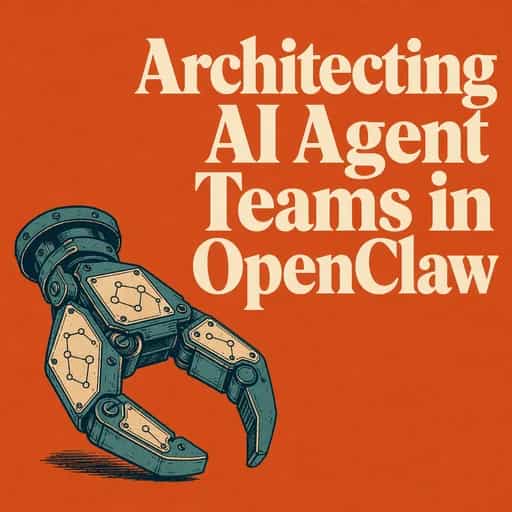
Struggling with the limits of single-bot AI? Learn how to orchestrate specialized agent teams that manage your research, code, and tasks while you sleep.
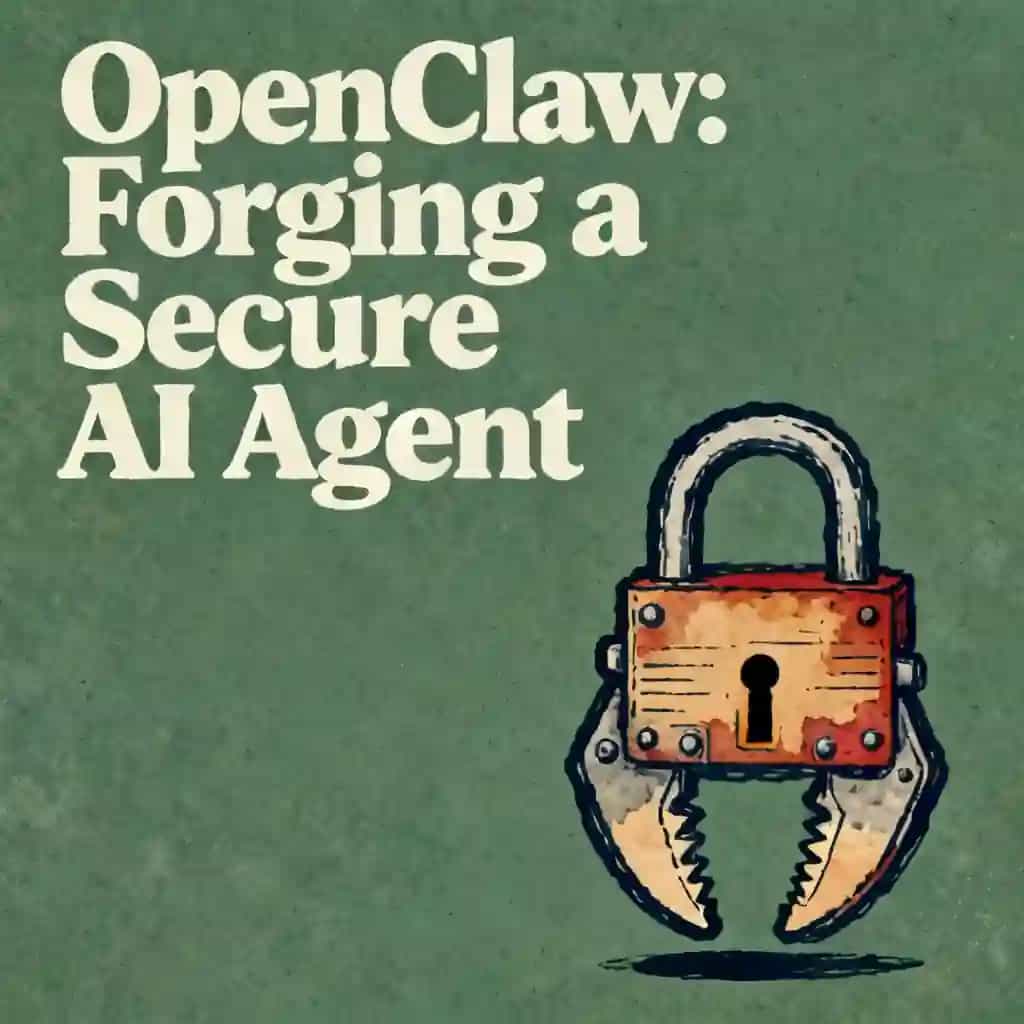
Running an AI agent 24/7 requires more than just a laptop. Learn to turn a Mac Mini into a secure execution layer for OpenClaw without risking your data.
Discover OpenClaw, the viral open-source assistant that moves beyond chat to control your files, browser, and hardware. Learn how to set up the agentic loop to automate your digital life via WhatsApp, Discord, or shell commands.