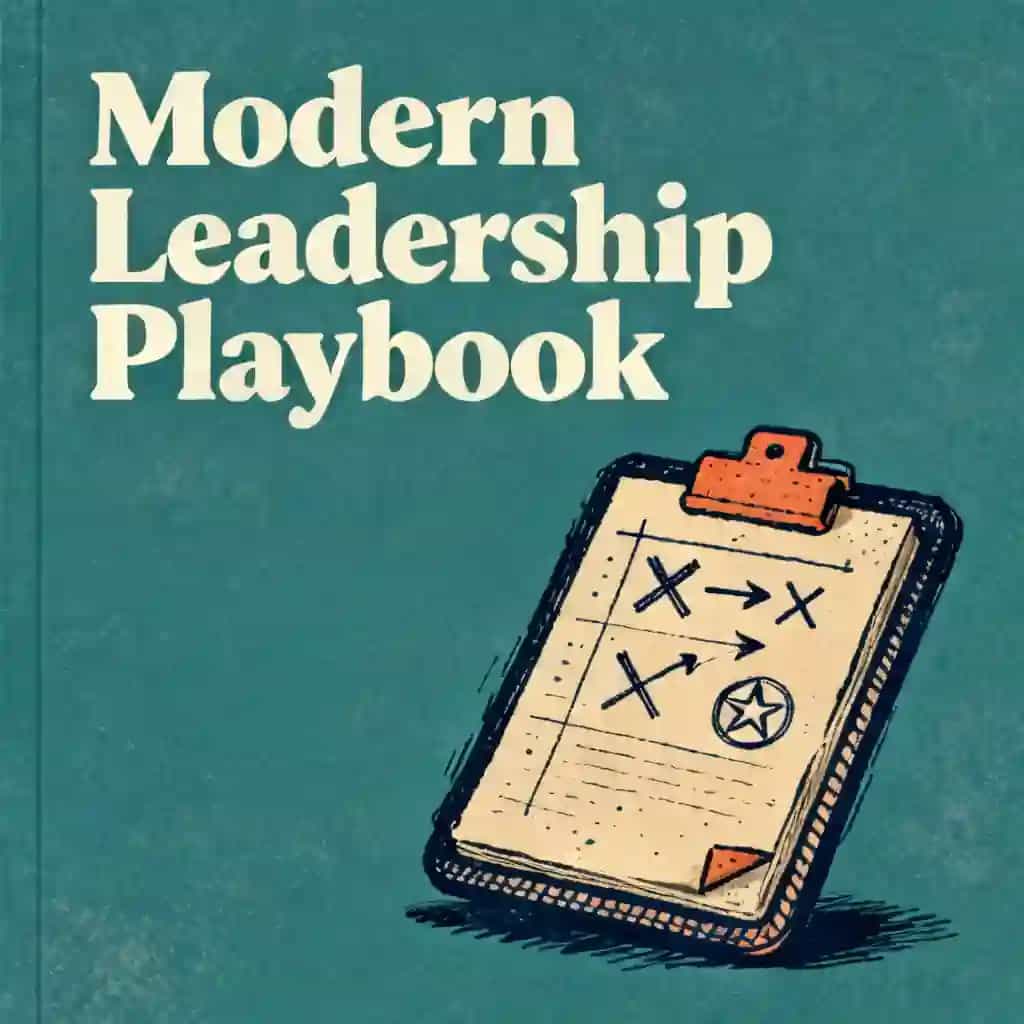
The Manager’s Playbook: From Accidental Boss to Strategic Leader
Learn how to bridge the leadership gap and boost team engagement with a practical framework for building trust, psychological safety, and lasting influence.

Bestes Zitat aus The Manager’s Playbook: From Accidental Boss to Strategic Leader
Seventy percent of the variance in team engagement comes down to just one person: the manager. Managing isn't just a side task—it’s the whole game.
Generated by Freedee_C691A3A0
Want to learn how to manage employees well, gain their respect and motivate them to do their best

Häufig gestellte Fragen
Trust is grounded in a measurable correlation with performance, particularly in environments with high structural dependence. When teams rely on task interdependence, skill differentiation, and authority differentiation, trust becomes the primary driver of success. Without it, managers incur a "trust tax" where employees micromanage each other or shadow work, significantly slowing down productivity and increasing misalignment.
The translation layer refers to the manager's role in bridging the gap between high-level executive strategy and daily frontline tasks. Executives often speak in broad quarterly objectives that feel like a "different language" to employees. A successful manager translates these goals by answering three specific questions for their team: what changed, why it matters to the specific unit, and what should be done differently starting immediately.
This framework requires managers to ask three specific questions—"What have you tried?", "What is the root cause?", and "What would you do?"—before offering a solution to a subordinate's problem. Research indicates that coaching-oriented managers who use this approach develop their team's "judgment muscle," leading to teams that resolve issues thirty-one percent faster over time. It prevents the manager from becoming a bottleneck and stops the team from developing a learned dependency on leadership for every decision.
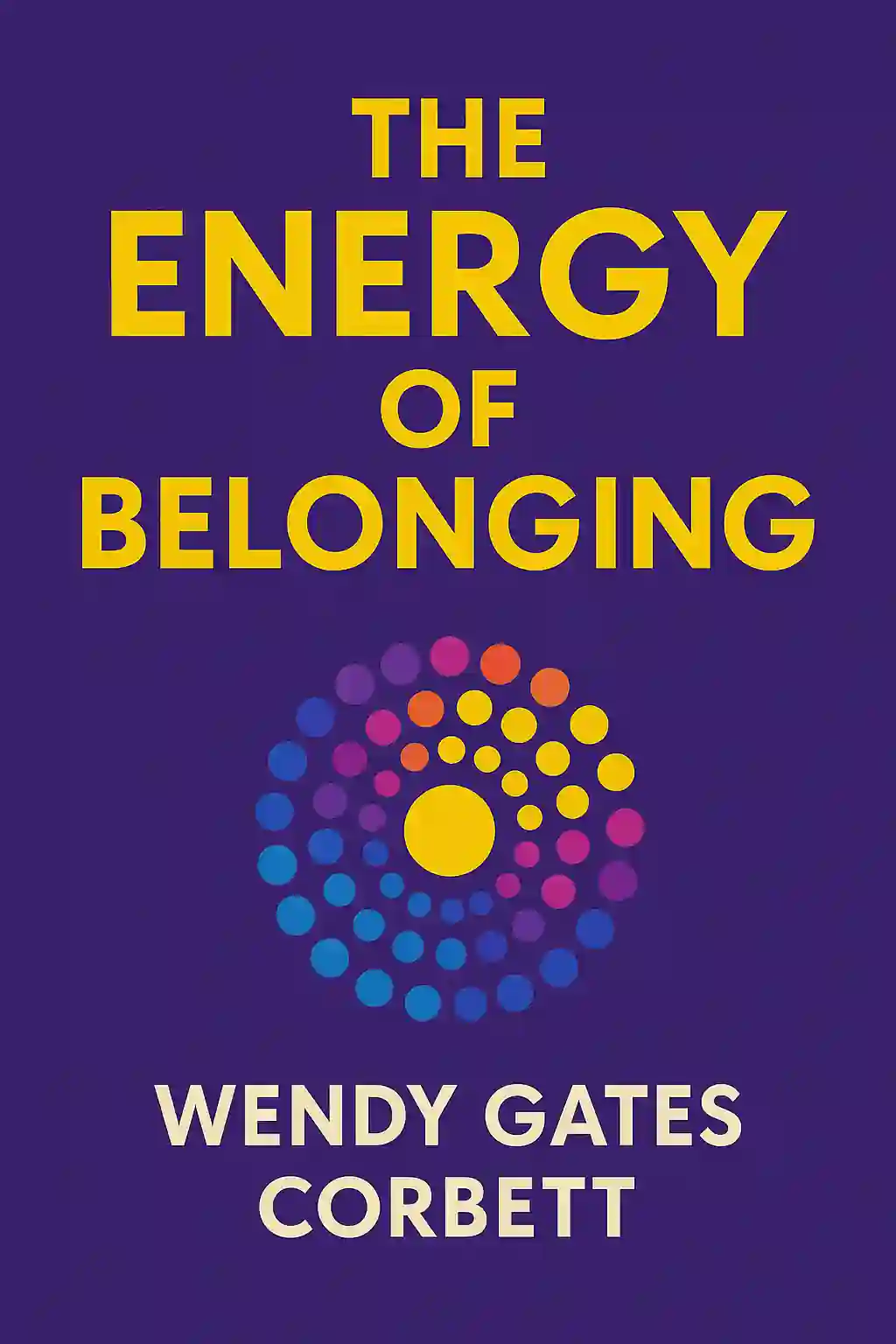
Moving away from "carrot and stick" incentives, Self-Determination Theory focuses on Autonomy, Competence, and Relatedness. Autonomy is the need for employees to feel they have control over how they perform their work; Competence is the feeling of being effective and properly challenged; and Relatedness is the sense of belonging to a supportive "tribe." When managers facilitate these three needs, employees demonstrate higher levels of self-directed motivation and overall well-being.
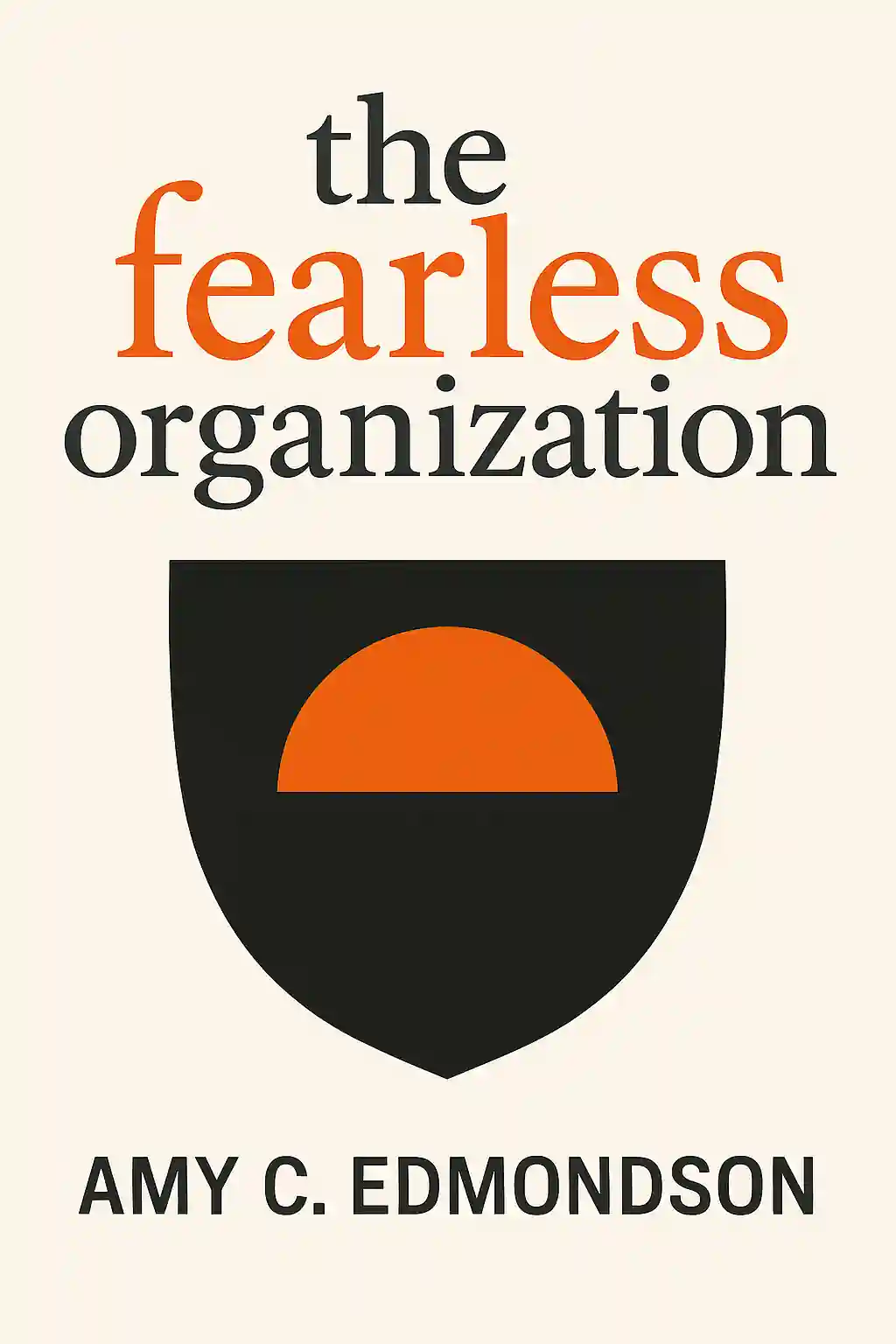
ORCA stands for Objective, Result, Cause, and Action. It is a structured debriefing tool used to analyze performance without falling into a "blame game." By focusing on the facts of what happened (Result) and tracing it back to specific decisions (Cause) to determine a future fix (Action), the team treats failure as data rather than a reason for punishment. This process is most effective when leaders model vulnerability by being the first to own their own mistakes, thereby lowering the "fear ceiling" for the entire group.
Von Columbia University Alumni in San Francisco entwickelt
"Instead of endless scrolling, I just hit play on BeFreed. It saves me so much time."


"I never knew where to start with nonfiction—BeFreed’s book lists turned into podcasts gave me a clear path."


"Perfect balance between learning and entertainment. Finished ‘Thinking, Fast and Slow’ on my commute this week."
"Crazy how much I learned while walking the dog. BeFreed = small habits → big gains."
"Reading used to feel like a chore. Now it’s just part of my lifestyle."

"Feels effortless compared to reading. I’ve finished 6 books this month already."
"BeFreed turned my guilty doomscrolling into something that feels productive and inspiring."

"BeFreed turned my commute into learning time. 20-min podcasts are perfect for finishing books I never had time for."
"BeFreed replaced my podcast queue. Imagine Spotify for books — that’s it. 🙌"

"It is great for me to learn something from the book without reading it."
"The themed book list podcasts help me connect ideas across authors—like a guided audio journey."
"Makes me feel smarter every time before going to work"
Von Columbia University Alumni in San Francisco entwickelt
"Instead of endless scrolling, I just hit play on BeFreed. It saves me so much time."
"I never knew where to start with nonfiction—BeFreed’s book lists turned into podcasts gave me a clear path."
"Perfect balance between learning and entertainment. Finished ‘Thinking, Fast and Slow’ on my commute this week."
"Crazy how much I learned while walking the dog. BeFreed = small habits → big gains."
"Reading used to feel like a chore. Now it’s just part of my lifestyle."
"Feels effortless compared to reading. I’ve finished 6 books this month already."
"BeFreed turned my guilty doomscrolling into something that feels productive and inspiring."
"BeFreed turned my commute into learning time. 20-min podcasts are perfect for finishing books I never had time for."
"BeFreed replaced my podcast queue. Imagine Spotify for books — that’s it. 🙌"
"It is great for me to learn something from the book without reading it."
"The themed book list podcasts help me connect ideas across authors—like a guided audio journey."
"Makes me feel smarter every time before going to work"
"Instead of endless scrolling, I just hit play on BeFreed. It saves me so much time."
"I never knew where to start with nonfiction—BeFreed’s book lists turned into podcasts gave me a clear path."
"Perfect balance between learning and entertainment. Finished ‘Thinking, Fast and Slow’ on my commute this week."
"Crazy how much I learned while walking the dog. BeFreed = small habits → big gains."
"Reading used to feel like a chore. Now it’s just part of my lifestyle."
"Feels effortless compared to reading. I’ve finished 6 books this month already."
"BeFreed turned my guilty doomscrolling into something that feels productive and inspiring."
"BeFreed turned my commute into learning time. 20-min podcasts are perfect for finishing books I never had time for."
"BeFreed replaced my podcast queue. Imagine Spotify for books — that’s it. 🙌"
"It is great for me to learn something from the book without reading it."
"The themed book list podcasts help me connect ideas across authors—like a guided audio journey."
"Makes me feel smarter every time before going to work"
"Instead of endless scrolling, I just hit play on BeFreed. It saves me so much time."
"I never knew where to start with nonfiction—BeFreed’s book lists turned into podcasts gave me a clear path."
"Perfect balance between learning and entertainment. Finished ‘Thinking, Fast and Slow’ on my commute this week."
"Crazy how much I learned while walking the dog. BeFreed = small habits → big gains."
"Reading used to feel like a chore. Now it’s just part of my lifestyle."
"Feels effortless compared to reading. I’ve finished 6 books this month already."
"BeFreed turned my guilty doomscrolling into something that feels productive and inspiring."
"BeFreed turned my commute into learning time. 20-min podcasts are perfect for finishing books I never had time for."
"BeFreed replaced my podcast queue. Imagine Spotify for books — that’s it. 🙌"
"It is great for me to learn something from the book without reading it."
"The themed book list podcasts help me connect ideas across authors—like a guided audio journey."
"Makes me feel smarter every time before going to work"