The Jones Act: National Security vs. Rising Costs
Explore the 1920s law mandating American-made ships for domestic trade. We weigh its role in protecting 650,000 jobs and national security against the high prices it imposes on consumers in Hawaii and beyond.

Bestes Zitat aus The Jones Act: National Security vs. Rising Costs
The Jones Act has created a 'protectionist paradox' where the industry is shielded from the market, but that lack of competition has made it so inefficient that it’s struggling to survive even with the protection.

Diese Audiolektion wurde von einem BeFreed-Community-Mitglied erstellt
Describe the jones act and give pro and cons associated with it

Häufig gestellte Fragen
The Jones Act, formally known as Section 27 of the Merchant Marine Act of 1920, establishes three strict requirements for any vessel transporting goods between two U.S. ports. First, the ship must be U.S.-built, meaning the hull and superstructure must be fabricated in domestic shipyards. Second, the ship must be U.S.-owned, requiring at least 75 percent of the company to be owned by U.S. citizens. Finally, the ship must be U.S.-crewed, necessitating that all officers and at least 75 percent of the crew are U.S. citizens or permanent residents.
Supporters of the law view it as a vital insurance policy that maintains an "organic capability" for the United States. They argue that without these protections, the U.S. would lose its domestic maritime ecosystem, including skilled labor like welders and master mariners. By ensuring a fleet of American ships and crews exists, the U.S. avoids becoming entirely dependent on foreign-flagged vessels—potentially owned by adversaries—to transport food, fuel, and military supplies during a global conflict or national emergency.
Because these non-contiguous territories rely heavily on ocean-going trade, the Jones Act acts as a "hidden tax" or "island premium" on nearly all imported goods. In Puerto Rico, the law is estimated to cost the economy over $1.1 billion annually, significantly increasing the price of food and energy. In Hawaii, shipping costs can be triple those of international routes; for example, it is often more expensive to ship goods from Hawaii to Los Angeles than it is to ship those same goods from Los Angeles to Australia using foreign-flagged vessels.
The protectionist paradox refers to the fact that while the Jones Act was designed to preserve the American shipbuilding industry, it has instead overseen its decline on the global stage. By shielding domestic shipyards from international competition, the law removed the incentive for these yards to innovate or find efficiencies. Consequently, U.S.-built ships now cost four to five times more than those built overseas, and the U.S. share of the global shipbuilding market has plummeted to just 0.1 percent, with dozens of shipyards closing since the 1940s.
The high cost of domestic water transport under the Jones Act often forces cargo onto more carbon-intensive modes of transportation, such as trucks and trains. Since shipping by water is the most fuel-efficient way to move goods—with one barge carrying as much as 60 trucks—the law inadvertently increases highway congestion, air pollution, and infrastructure wear and tear. Additionally, because new Jones Act-compliant ships are so expensive, companies tend to keep older, less fuel-efficient vessels in service longer than they would in a competitive market.
Mehr entdecken

Pacific Geopolitics Learning Plan
As the global center of gravity shifts to the Indo-Pacific, understanding these complex maritime dynamics is essential for policy analysts and global business leaders. This plan provides a strategic framework for navigating the competition between superpowers and regional actors.

Swamp Buster Act: History & ACEP Exclusions
Wetland conservation policy significantly impacts agricultural operations, land values, and environmental outcomes across the United States. This learning plan benefits farmers, agricultural advisors, conservation professionals, and policymakers who need to understand the complex intersection of agricultural production and wetland protection regulations.

History of USA
This comprehensive survey of American history is essential for anyone seeking to understand the forces that shaped the United States and continue to influence global politics today. Perfect for students, educators, professionals working in policy or international relations, and engaged citizens who want to contextualize current events through historical understanding.

Modern Economics and Global Trade
This learning plan is essential for understanding the interconnected forces of modern commerce and political power. It is designed for professionals, students, and policy enthusiasts who want to navigate the complexities of global supply chains and emerging economic frontiers.

Study US healthcare system
The US healthcare system is uniquely complex, expensive, and consequential—affecting every American's life while consuming nearly 18% of GDP. This learning plan is essential for healthcare professionals, policy analysts, entrepreneurs, investors, and informed citizens who want to understand how the system actually works and where it's headed. Whether you're navigating career decisions, shaping policy, building health-tech solutions, or simply seeking to understand one of society's most pressing challenges, this structured exploration provides the foundational and forward-looking knowledge you need.
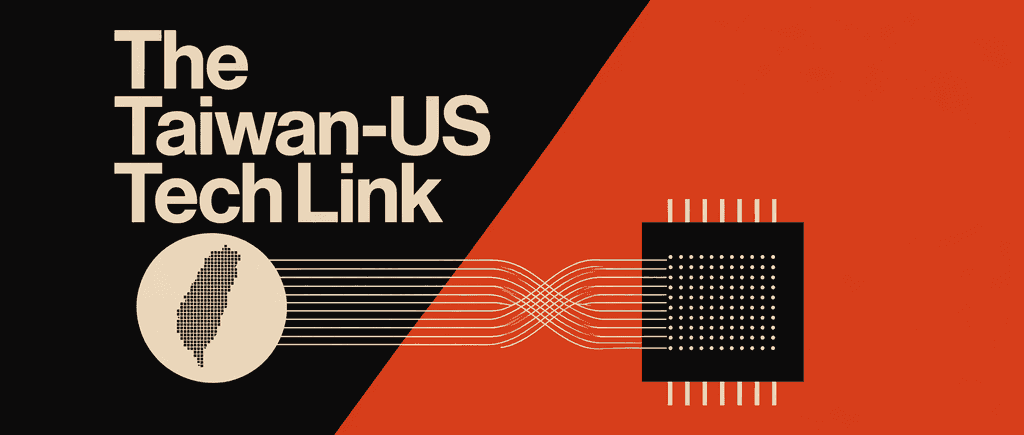
The Taiwan-US Tech Link
Understanding the deep integration between Taiwan's manufacturing engine and US capital markets is essential for modern tech investors. This plan is designed for financial analysts and traders who want to leverage supply chain data as a leading indicator for market performance.
Columbus to early America
This learning plan provides essential context for understanding the origins of American political, social, and economic institutions. It's ideal for students, educators, or anyone seeking to grasp how colonial experiences and revolutionary ideals shaped the United States and continue to influence contemporary American society and governance.

Steel and Strategy
This plan provides a comprehensive bridge between classical military theory and modern global power dynamics. It is ideal for aspiring strategists, history enthusiasts, and professionals seeking to understand the structural forces that shape our world.
Von Columbia University Alumni in San Francisco entwickelt
"Instead of endless scrolling, I just hit play on BeFreed. It saves me so much time."


"I never knew where to start with nonfiction—BeFreed’s book lists turned into podcasts gave me a clear path."


"Perfect balance between learning and entertainment. Finished ‘Thinking, Fast and Slow’ on my commute this week."
"Crazy how much I learned while walking the dog. BeFreed = small habits → big gains."
"Reading used to feel like a chore. Now it’s just part of my lifestyle."

"Feels effortless compared to reading. I’ve finished 6 books this month already."
"BeFreed turned my guilty doomscrolling into something that feels productive and inspiring."

"BeFreed turned my commute into learning time. 20-min podcasts are perfect for finishing books I never had time for."
"BeFreed replaced my podcast queue. Imagine Spotify for books — that’s it. 🙌"

"It is great for me to learn something from the book without reading it."
"The themed book list podcasts help me connect ideas across authors—like a guided audio journey."
"Makes me feel smarter every time before going to work"
Von Columbia University Alumni in San Francisco entwickelt
"Instead of endless scrolling, I just hit play on BeFreed. It saves me so much time."
"I never knew where to start with nonfiction—BeFreed’s book lists turned into podcasts gave me a clear path."
"Perfect balance between learning and entertainment. Finished ‘Thinking, Fast and Slow’ on my commute this week."
"Crazy how much I learned while walking the dog. BeFreed = small habits → big gains."
"Reading used to feel like a chore. Now it’s just part of my lifestyle."
"Feels effortless compared to reading. I’ve finished 6 books this month already."
"BeFreed turned my guilty doomscrolling into something that feels productive and inspiring."
"BeFreed turned my commute into learning time. 20-min podcasts are perfect for finishing books I never had time for."
"BeFreed replaced my podcast queue. Imagine Spotify for books — that’s it. 🙌"
"It is great for me to learn something from the book without reading it."
"The themed book list podcasts help me connect ideas across authors—like a guided audio journey."
"Makes me feel smarter every time before going to work"
"Instead of endless scrolling, I just hit play on BeFreed. It saves me so much time."
"I never knew where to start with nonfiction—BeFreed’s book lists turned into podcasts gave me a clear path."
"Perfect balance between learning and entertainment. Finished ‘Thinking, Fast and Slow’ on my commute this week."
"Crazy how much I learned while walking the dog. BeFreed = small habits → big gains."
"Reading used to feel like a chore. Now it’s just part of my lifestyle."
"Feels effortless compared to reading. I’ve finished 6 books this month already."
"BeFreed turned my guilty doomscrolling into something that feels productive and inspiring."
"BeFreed turned my commute into learning time. 20-min podcasts are perfect for finishing books I never had time for."
"BeFreed replaced my podcast queue. Imagine Spotify for books — that’s it. 🙌"
"It is great for me to learn something from the book without reading it."
"The themed book list podcasts help me connect ideas across authors—like a guided audio journey."
"Makes me feel smarter every time before going to work"
"Instead of endless scrolling, I just hit play on BeFreed. It saves me so much time."
"I never knew where to start with nonfiction—BeFreed’s book lists turned into podcasts gave me a clear path."
"Perfect balance between learning and entertainment. Finished ‘Thinking, Fast and Slow’ on my commute this week."
"Crazy how much I learned while walking the dog. BeFreed = small habits → big gains."
"Reading used to feel like a chore. Now it’s just part of my lifestyle."
"Feels effortless compared to reading. I’ve finished 6 books this month already."
"BeFreed turned my guilty doomscrolling into something that feels productive and inspiring."
"BeFreed turned my commute into learning time. 20-min podcasts are perfect for finishing books I never had time for."
"BeFreed replaced my podcast queue. Imagine Spotify for books — that’s it. 🙌"
"It is great for me to learn something from the book without reading it."
"The themed book list podcasts help me connect ideas across authors—like a guided audio journey."
"Makes me feel smarter every time before going to work"