The Hidden Hand: Mastering the Art of Manipulation
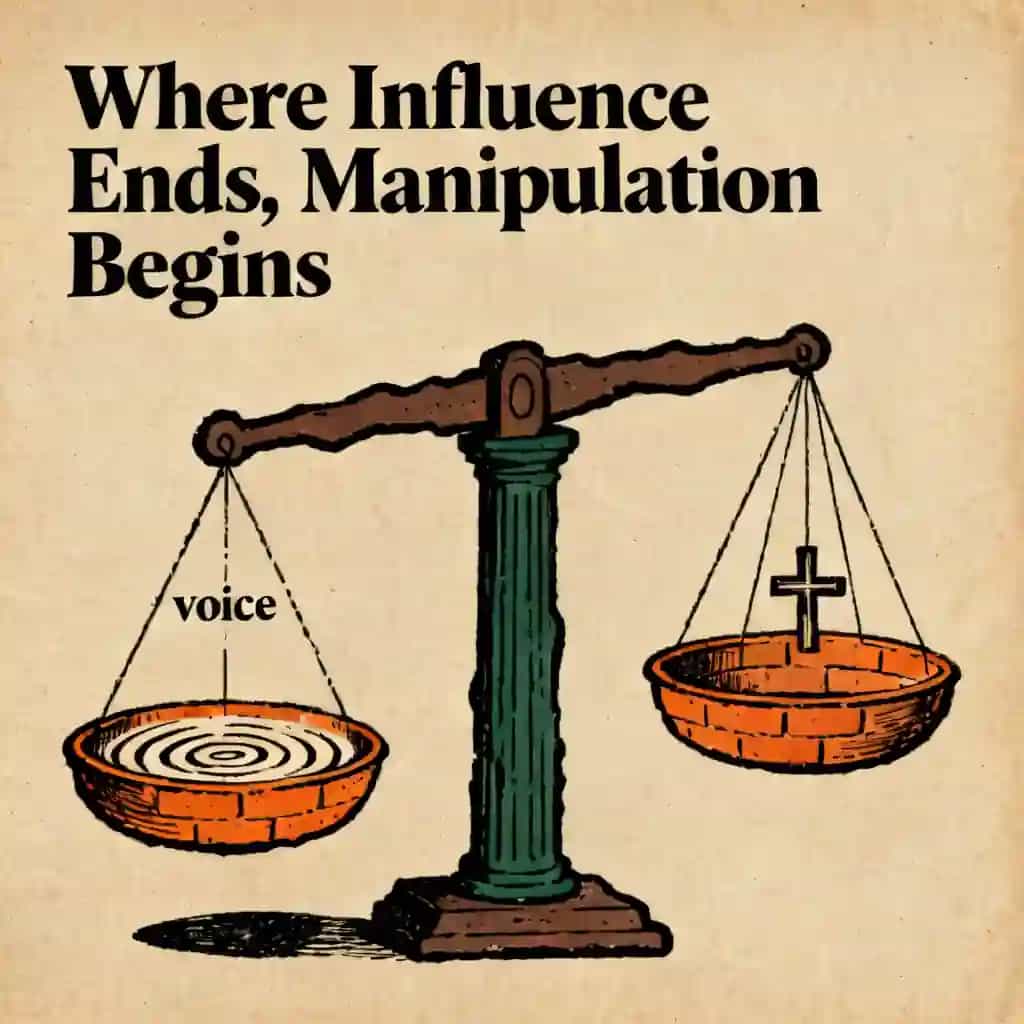
Explore the thin line between ethical persuasion and psychological baiting. This episode breaks down the architecture of consent and how to use cognitive dissonance to guide others' choices.

Bestes Zitat aus The Hidden Hand: Mastering the Art of Manipulation
If manipulation is about guiding someone toward a predetermined destination without them knowing it, the antidote is awareness. When you know the rules of the game, you don't have to be a pawn; you can ensure your path is truly your own.
Generated by Tour dad
How to Convince anyonw with manipulation

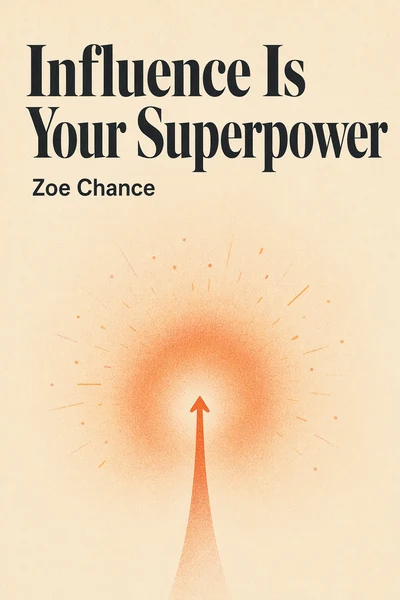
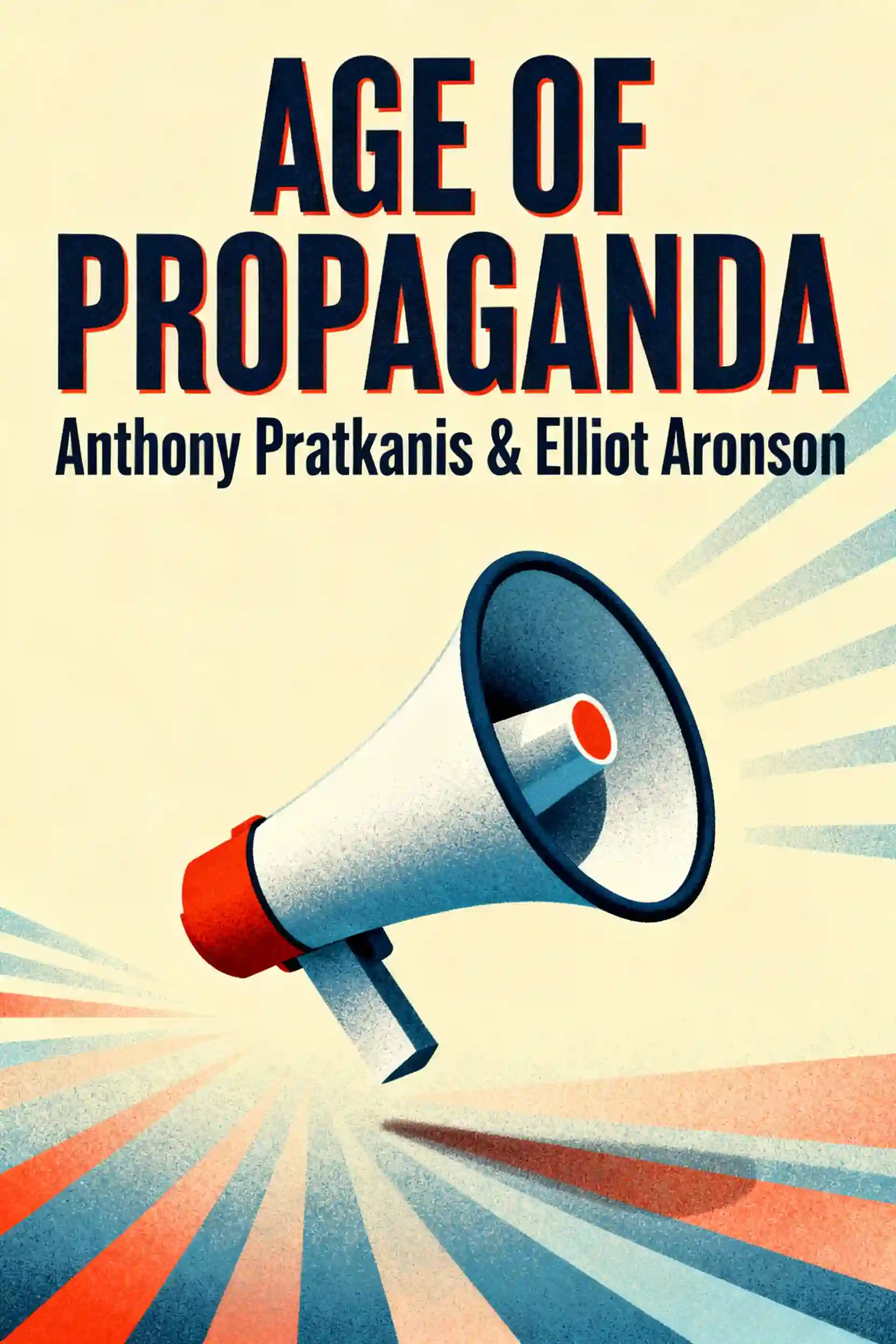
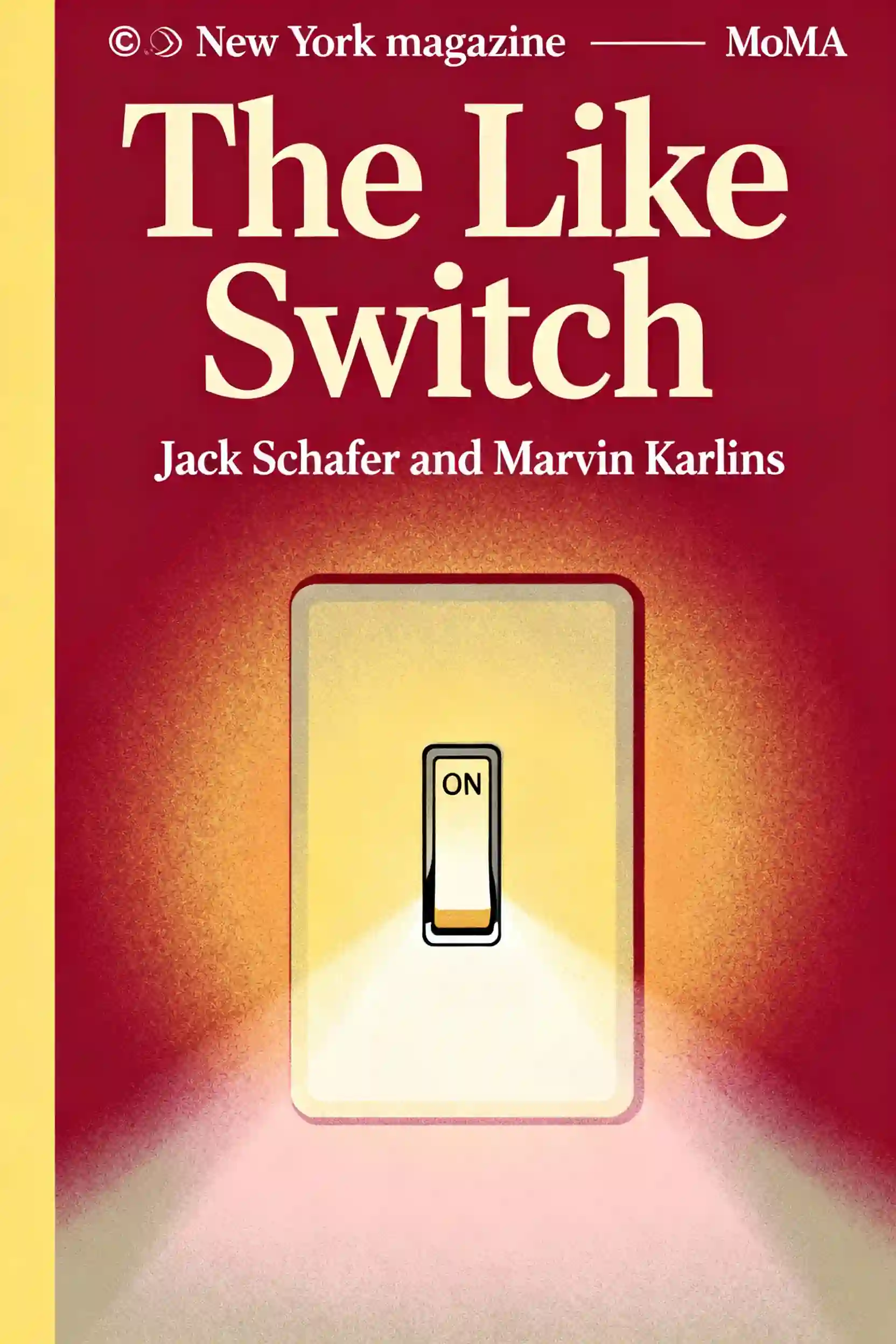
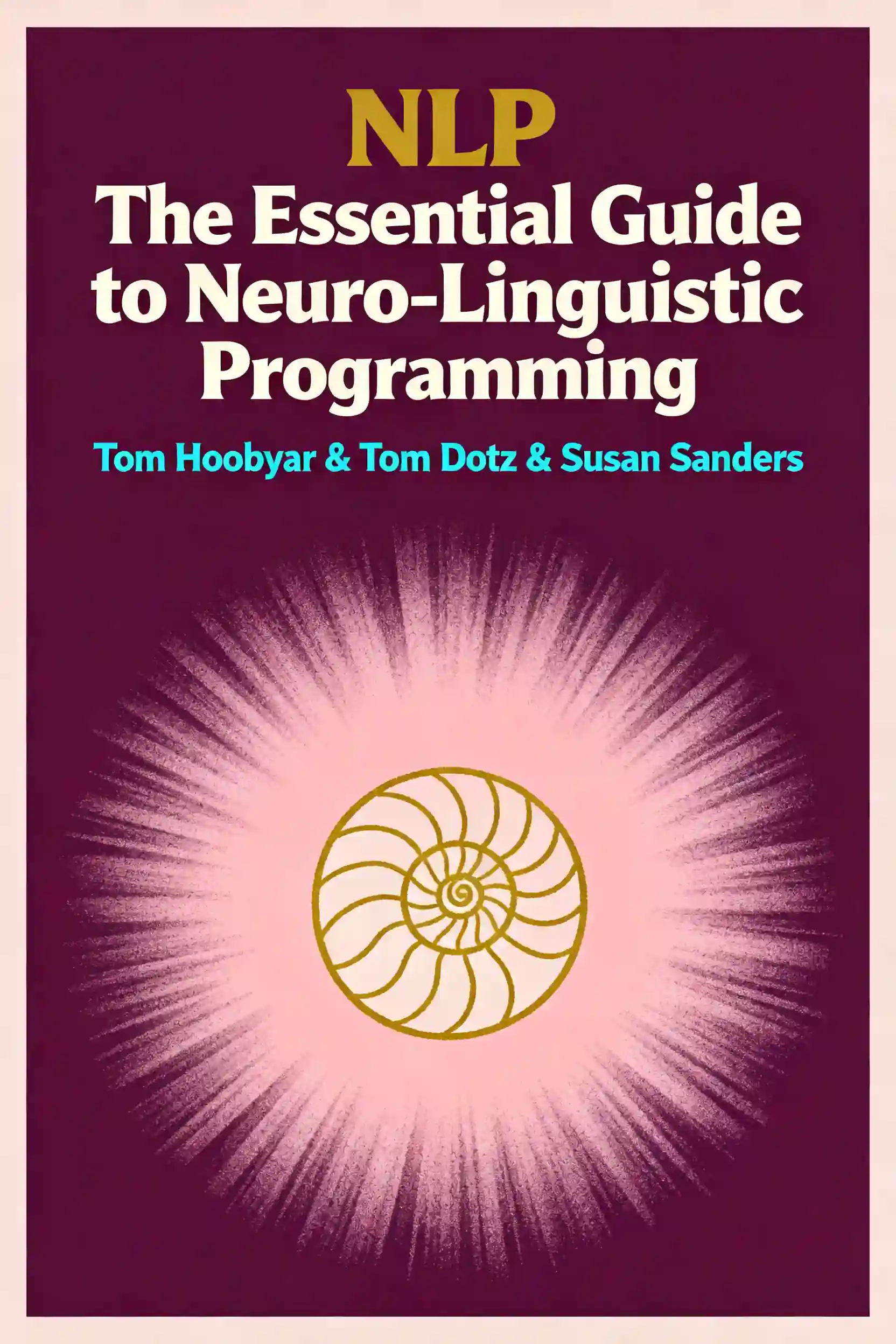
Häufig gestellte Fragen
The "foot-in-the-door" technique is a psychological tactic where a person is convinced to agree to a very small, insignificant request first. Once they have committed to that small action, they are much more likely to agree to a larger, more demanding request later. This works because of the human desire for internal consistency; once we have taken a stand or performed an action, we feel a psychological pressure to behave in a way that is consistent with our past behavior to avoid cognitive dissonance.
Semantic Manipulation involves the deliberate relabeling or renaming of actions to confuse a victim or distort reality. By using terms with shifting meanings or distorting definitions in real-time, a manipulator can rewrite the "dictionary" of a conversation to suit their agenda. If they are challenged, they often claim the victim simply "misunderstood" them. This tactic is designed to impair the victim's decision-making by ensuring the facts they are using to make choices have been curated and framed by the manipulator.
Social Scalping is a tactic where a manipulator systematically exaggerates their own contributions or favors to create a heavy sense of indebtedness in another person. By making someone feel like they have been given a special opportunity or that the manipulator "went out on a limb" for them, they trigger a sense of moral obligation. This makes the victim feel like a "bad person" if they do not comply with the manipulator's future demands, effectively turning a standard social exchange into a tool for coercion.
Manipulators often rely on momentum and the "Yes trap," using a series of small agreements to lead a victim toward a major commitment. "No-oriented questions"—such as "Is now a bad time?" or "Are you against pausing this?"—work by resetting control to the listener. Because people generally feel safer and more in control when saying "no," these questions break the manipulator's rhythm, drain the emotional charge from the interaction, and provide the necessary space to engage critical thinking.
The Dark Triad refers to a trio of personality traits: narcissism, Machiavellianism, and psychopathy. In professional settings, individuals with these traits are often drawn to leadership roles because they are results-oriented and unintimidated by authority. However, they may use "bistrategic" methods, switching between being charming and aggressive to maintain power. They often view others through an "instrumentalist worldview," seeing colleagues as tools or "Non-Player Characters" to be used for an end goal rather than as human beings with autonomy.
Von Columbia University Alumni in San Francisco entwickelt
"Instead of endless scrolling, I just hit play on BeFreed. It saves me so much time."


"I never knew where to start with nonfiction—BeFreed’s book lists turned into podcasts gave me a clear path."


"Perfect balance between learning and entertainment. Finished ‘Thinking, Fast and Slow’ on my commute this week."
"Crazy how much I learned while walking the dog. BeFreed = small habits → big gains."
"Reading used to feel like a chore. Now it’s just part of my lifestyle."

"Feels effortless compared to reading. I’ve finished 6 books this month already."
"BeFreed turned my guilty doomscrolling into something that feels productive and inspiring."

"BeFreed turned my commute into learning time. 20-min podcasts are perfect for finishing books I never had time for."
"BeFreed replaced my podcast queue. Imagine Spotify for books — that’s it. 🙌"

"It is great for me to learn something from the book without reading it."
"The themed book list podcasts help me connect ideas across authors—like a guided audio journey."
"Makes me feel smarter every time before going to work"
Von Columbia University Alumni in San Francisco entwickelt
"Instead of endless scrolling, I just hit play on BeFreed. It saves me so much time."
"I never knew where to start with nonfiction—BeFreed’s book lists turned into podcasts gave me a clear path."
"Perfect balance between learning and entertainment. Finished ‘Thinking, Fast and Slow’ on my commute this week."
"Crazy how much I learned while walking the dog. BeFreed = small habits → big gains."
"Reading used to feel like a chore. Now it’s just part of my lifestyle."
"Feels effortless compared to reading. I’ve finished 6 books this month already."
"BeFreed turned my guilty doomscrolling into something that feels productive and inspiring."
"BeFreed turned my commute into learning time. 20-min podcasts are perfect for finishing books I never had time for."
"BeFreed replaced my podcast queue. Imagine Spotify for books — that’s it. 🙌"
"It is great for me to learn something from the book without reading it."
"The themed book list podcasts help me connect ideas across authors—like a guided audio journey."
"Makes me feel smarter every time before going to work"
"Instead of endless scrolling, I just hit play on BeFreed. It saves me so much time."
"I never knew where to start with nonfiction—BeFreed’s book lists turned into podcasts gave me a clear path."
"Perfect balance between learning and entertainment. Finished ‘Thinking, Fast and Slow’ on my commute this week."
"Crazy how much I learned while walking the dog. BeFreed = small habits → big gains."
"Reading used to feel like a chore. Now it’s just part of my lifestyle."
"Feels effortless compared to reading. I’ve finished 6 books this month already."
"BeFreed turned my guilty doomscrolling into something that feels productive and inspiring."
"BeFreed turned my commute into learning time. 20-min podcasts are perfect for finishing books I never had time for."
"BeFreed replaced my podcast queue. Imagine Spotify for books — that’s it. 🙌"
"It is great for me to learn something from the book without reading it."
"The themed book list podcasts help me connect ideas across authors—like a guided audio journey."
"Makes me feel smarter every time before going to work"
"Instead of endless scrolling, I just hit play on BeFreed. It saves me so much time."
"I never knew where to start with nonfiction—BeFreed’s book lists turned into podcasts gave me a clear path."
"Perfect balance between learning and entertainment. Finished ‘Thinking, Fast and Slow’ on my commute this week."
"Crazy how much I learned while walking the dog. BeFreed = small habits → big gains."
"Reading used to feel like a chore. Now it’s just part of my lifestyle."
"Feels effortless compared to reading. I’ve finished 6 books this month already."
"BeFreed turned my guilty doomscrolling into something that feels productive and inspiring."
"BeFreed turned my commute into learning time. 20-min podcasts are perfect for finishing books I never had time for."
"BeFreed replaced my podcast queue. Imagine Spotify for books — that’s it. 🙌"
"It is great for me to learn something from the book without reading it."
"The themed book list podcasts help me connect ideas across authors—like a guided audio journey."
"Makes me feel smarter every time before going to work"