The Art of Magnetic Connection
Discover how to shift from seeking validation to embodying a magnetic presence that inspires others to cherish, honor, and share in your joy through psychological principles and self-worth.

Bestes Zitat aus The Art of Magnetic Connection
The most effortless-feeling connections are usually built on a foundation of very conscious choices. It’s about moving from 'making' someone love you to 'inviting' that connection through your own self-worth.
Generated by Michelle
I want to know how to make someone think about me want to be around me want to be in my presence and love honor appreciate cherish, and sharing my joy with me


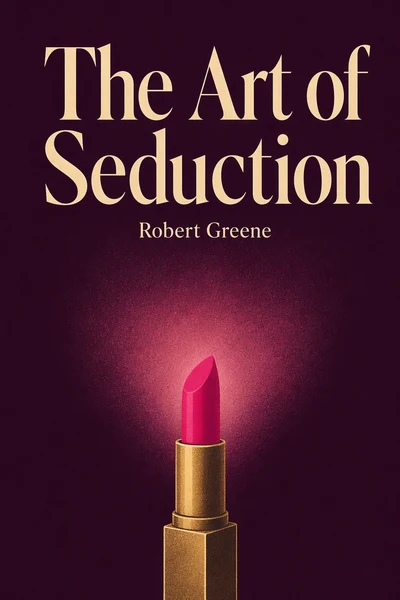
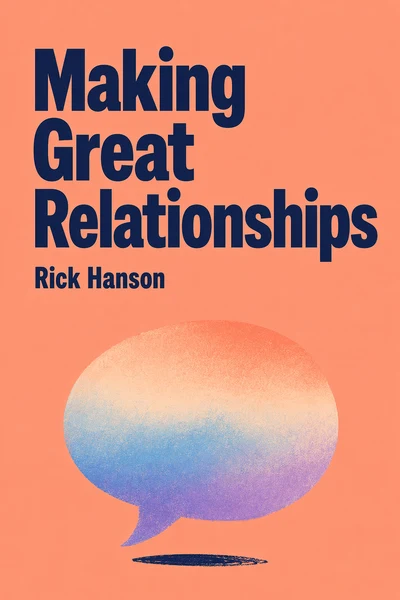
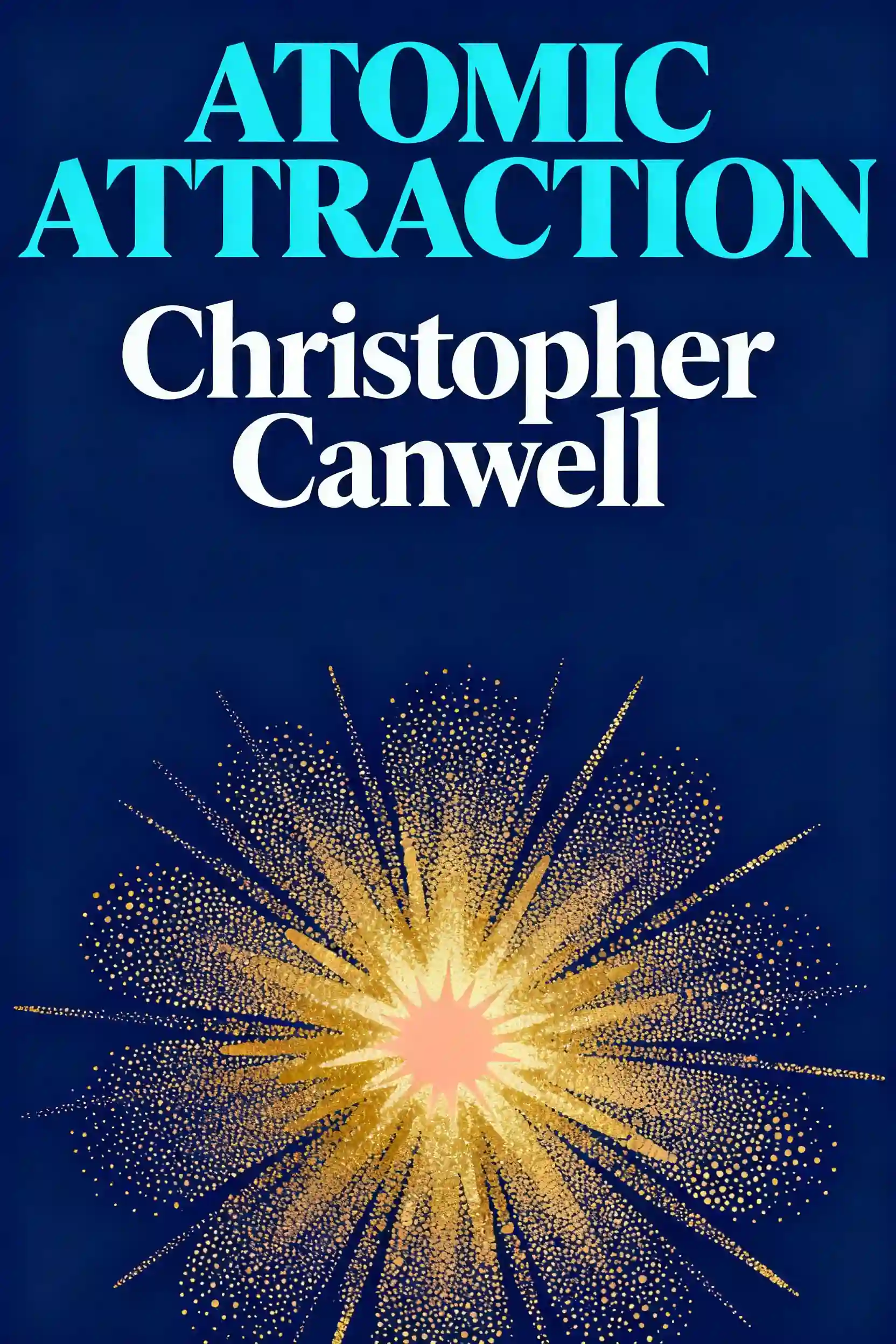
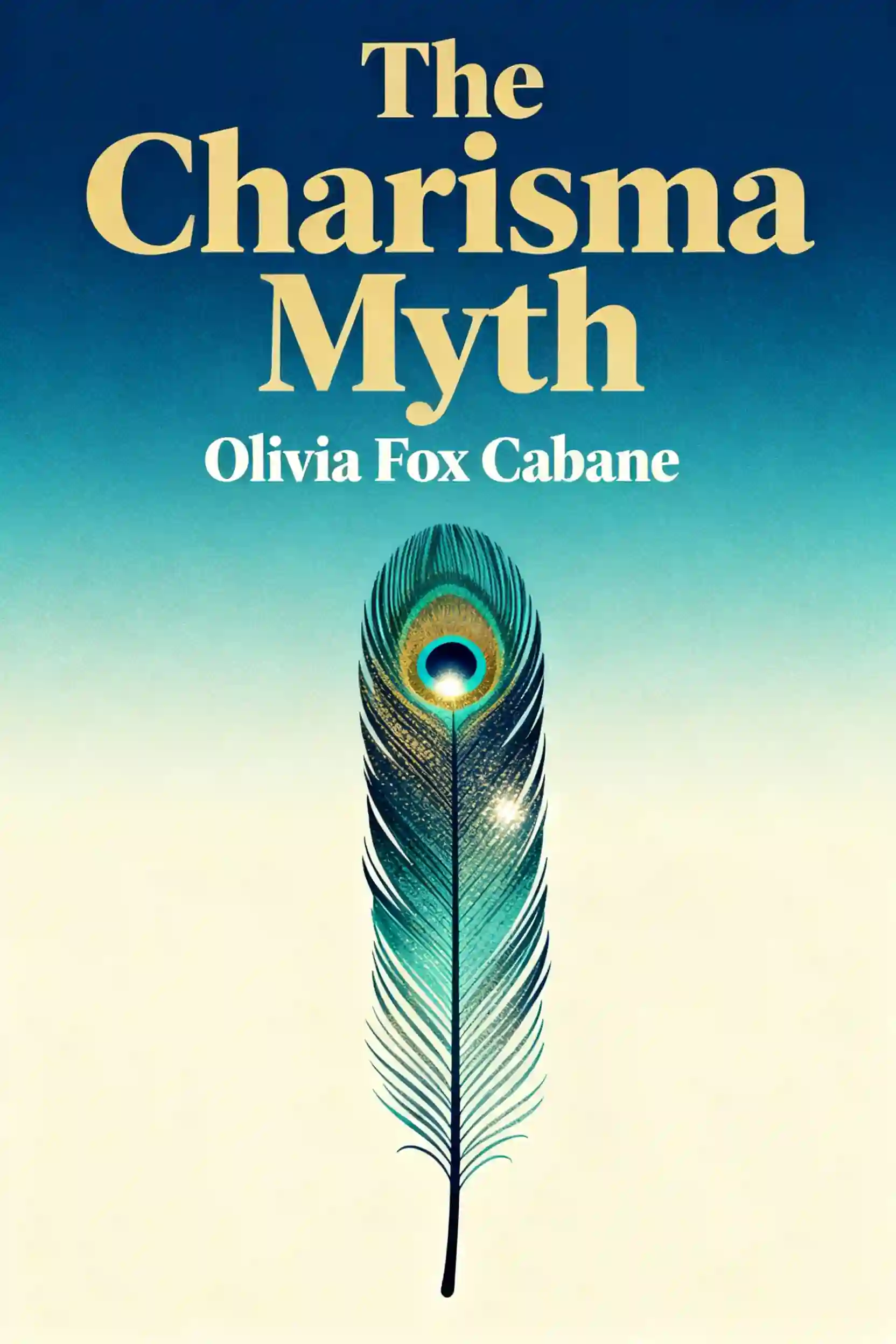
Häufig gestellte Fragen
The Emergent Love Model, developed by Dr. Sara Nasserzadeh, suggests that love is not something you simply find, but something that emerges from the way you live your life and treat your relationship. It shifts the focus from high-pressure grand gestures to intentional, ongoing daily practices. This perspective views a relationship like a garden that requires consistent tending rather than a "lightning bolt" of luck, emphasizing that long-term happiness is built on regular effort rather than just finding the right person.
Positive affect refers to a person's basic emotional response system and their ability to radiate joy, interest, and enthusiasm. Evolutionarily, humans are wired to move toward people who make them feel good and safe, as positive emotions promote "approach behaviors." By being a source of emotional warmth and triggering dopamine responses in others, you become a magnet. This magnetism is less about proving how great you are and more about how great the other person feels when they are in your presence.
Proximity creates "micro-opportunities" for connection, such as brief greetings or shared experiences, which increase the number of "bids for connection" between two people. According to the "Mere Exposure Effect," the more we see someone, the more safe and predictable they feel to our brains, which builds trust over time. In the digital age, this can be mirrored through "ambient awareness," where consistently appearing in someone’s digital field of vision through likes or comments mimics face-to-face familiarity.
The reciprocity principle is the psychological tendency for people to like those who like them. When someone expresses genuine admiration or interest, it sparks a positive feedback loop that boosts the other person's self-esteem. Because the recipient associates that good feeling with the person who provided it, they often find that person more attractive in return. For this to work effectively, the appreciation must be authentic and specific rather than superficial flattery.
Attachment styles act as an invisible blueprint for intimacy formed in childhood. Securely attached individuals find it easiest to cherish others because they are comfortable with both intimacy and independence. In contrast, those with anxious styles may crave constant validation due to a fear of abandonment, while avoidant individuals may pull away when things get too close. Understanding these styles allows partners to use emotional intelligence to respond with compassion rather than reacting out of fear or rejection.
Von Columbia University Alumni in San Francisco entwickelt
"Instead of endless scrolling, I just hit play on BeFreed. It saves me so much time."


"I never knew where to start with nonfiction—BeFreed’s book lists turned into podcasts gave me a clear path."


"Perfect balance between learning and entertainment. Finished ‘Thinking, Fast and Slow’ on my commute this week."
"Crazy how much I learned while walking the dog. BeFreed = small habits → big gains."
"Reading used to feel like a chore. Now it’s just part of my lifestyle."

"Feels effortless compared to reading. I’ve finished 6 books this month already."
"BeFreed turned my guilty doomscrolling into something that feels productive and inspiring."

"BeFreed turned my commute into learning time. 20-min podcasts are perfect for finishing books I never had time for."
"BeFreed replaced my podcast queue. Imagine Spotify for books — that’s it. 🙌"

"It is great for me to learn something from the book without reading it."
"The themed book list podcasts help me connect ideas across authors—like a guided audio journey."
"Makes me feel smarter every time before going to work"
 Ask ChatGPT
 Ask Claude
Von Columbia University Alumni in San Francisco entwickelt
"Instead of endless scrolling, I just hit play on BeFreed. It saves me so much time."
"I never knew where to start with nonfiction—BeFreed’s book lists turned into podcasts gave me a clear path."
"Perfect balance between learning and entertainment. Finished ‘Thinking, Fast and Slow’ on my commute this week."
"Crazy how much I learned while walking the dog. BeFreed = small habits → big gains."
"Reading used to feel like a chore. Now it’s just part of my lifestyle."
"Feels effortless compared to reading. I’ve finished 6 books this month already."
"BeFreed turned my guilty doomscrolling into something that feels productive and inspiring."
"BeFreed turned my commute into learning time. 20-min podcasts are perfect for finishing books I never had time for."
"BeFreed replaced my podcast queue. Imagine Spotify for books — that’s it. 🙌"
"It is great for me to learn something from the book without reading it."
"The themed book list podcasts help me connect ideas across authors—like a guided audio journey."
"Makes me feel smarter every time before going to work"
"Instead of endless scrolling, I just hit play on BeFreed. It saves me so much time."
"I never knew where to start with nonfiction—BeFreed’s book lists turned into podcasts gave me a clear path."
"Perfect balance between learning and entertainment. Finished ‘Thinking, Fast and Slow’ on my commute this week."
"Crazy how much I learned while walking the dog. BeFreed = small habits → big gains."
"Reading used to feel like a chore. Now it’s just part of my lifestyle."
"Feels effortless compared to reading. I’ve finished 6 books this month already."
"BeFreed turned my guilty doomscrolling into something that feels productive and inspiring."
"BeFreed turned my commute into learning time. 20-min podcasts are perfect for finishing books I never had time for."
"BeFreed replaced my podcast queue. Imagine Spotify for books — that’s it. 🙌"
"It is great for me to learn something from the book without reading it."
"The themed book list podcasts help me connect ideas across authors—like a guided audio journey."
"Makes me feel smarter every time before going to work"
"Instead of endless scrolling, I just hit play on BeFreed. It saves me so much time."
"I never knew where to start with nonfiction—BeFreed’s book lists turned into podcasts gave me a clear path."
"Perfect balance between learning and entertainment. Finished ‘Thinking, Fast and Slow’ on my commute this week."
"Crazy how much I learned while walking the dog. BeFreed = small habits → big gains."
"Reading used to feel like a chore. Now it’s just part of my lifestyle."
"Feels effortless compared to reading. I’ve finished 6 books this month already."
"BeFreed turned my guilty doomscrolling into something that feels productive and inspiring."
"BeFreed turned my commute into learning time. 20-min podcasts are perfect for finishing books I never had time for."
"BeFreed replaced my podcast queue. Imagine Spotify for books — that’s it. 🙌"
"It is great for me to learn something from the book without reading it."
"The themed book list podcasts help me connect ideas across authors—like a guided audio journey."
"Makes me feel smarter every time before going to work"