BeFreed
    Categories>Psychology>How to Overcome Self-Hate: Strategies for Self-Compassion

    How to Overcome Self-Hate: Strategies for Self-Compassion

    16 min
    |
    |
    8. Apr. 2026
    PsychologySelf HelpMindfulness

    Learn how to overcome self-hate and cultivate self-compassion. Discover practical strategies for emotional healing and silencing negative self-talk today.

    How to Overcome Self-Hate: Strategies for Self-Compassion

    Bestes Zitat aus How to Overcome Self-Hate: Strategies for Self-Compassion

    “

    Self-compassion is the intentional act of manually switching on your soothing system, sending a bio-signal of safety to the brain that tells your internal security guard he can finally take a break.

    ”

    Diese Audiolektion wurde von einem BeFreed-Community-Mitglied erstellt

    Eingabefrage

    To help with self hate

    Moderatorstimmen
    Niaplay
    Lernstil
    Unterhaltsam
    Wissensquellen
    Taming Your Inner Voice
    Taming your gremlin
    Overcoming low self-esteem
    Sh*t I Say to Myself
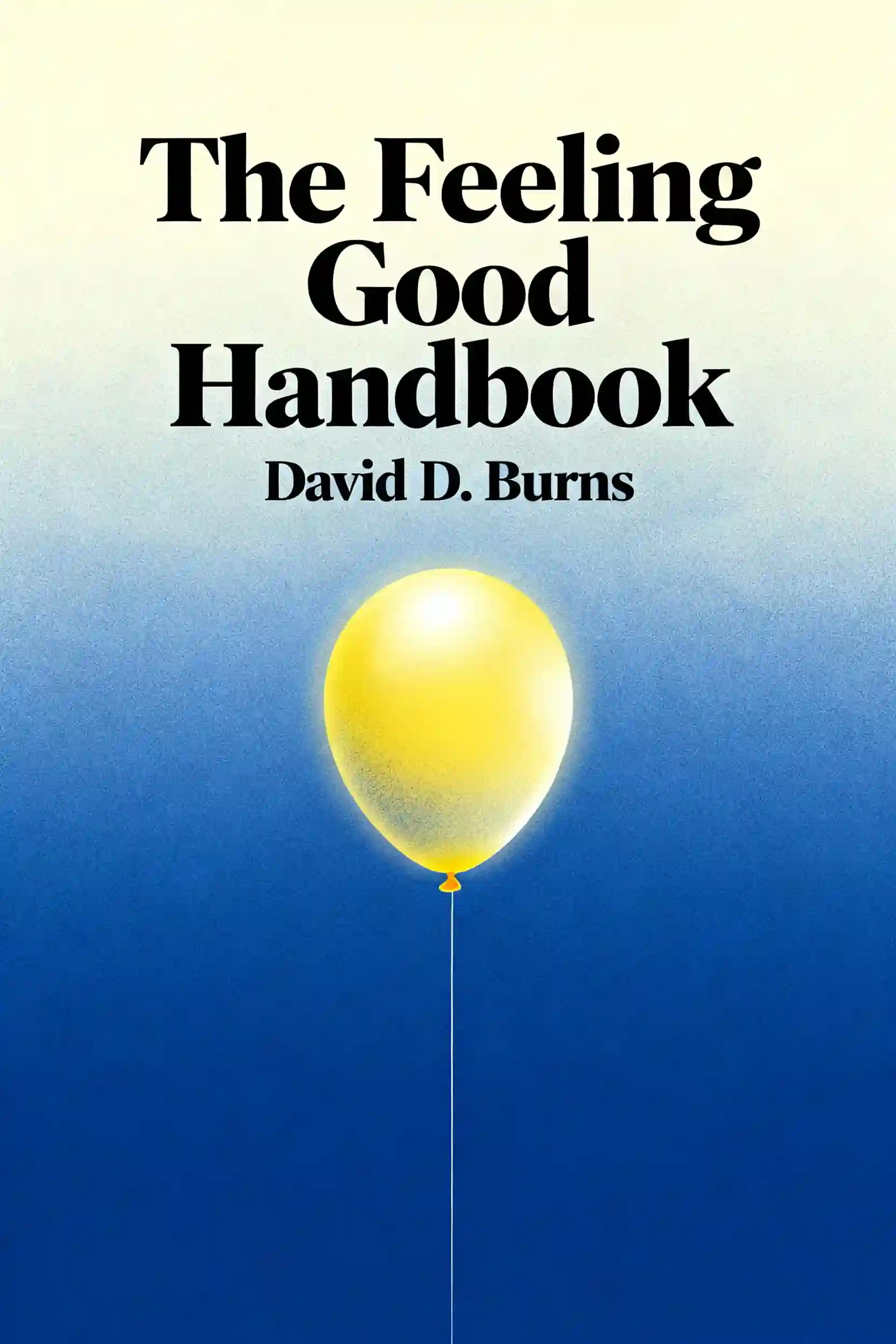
    The  feeling good handbook
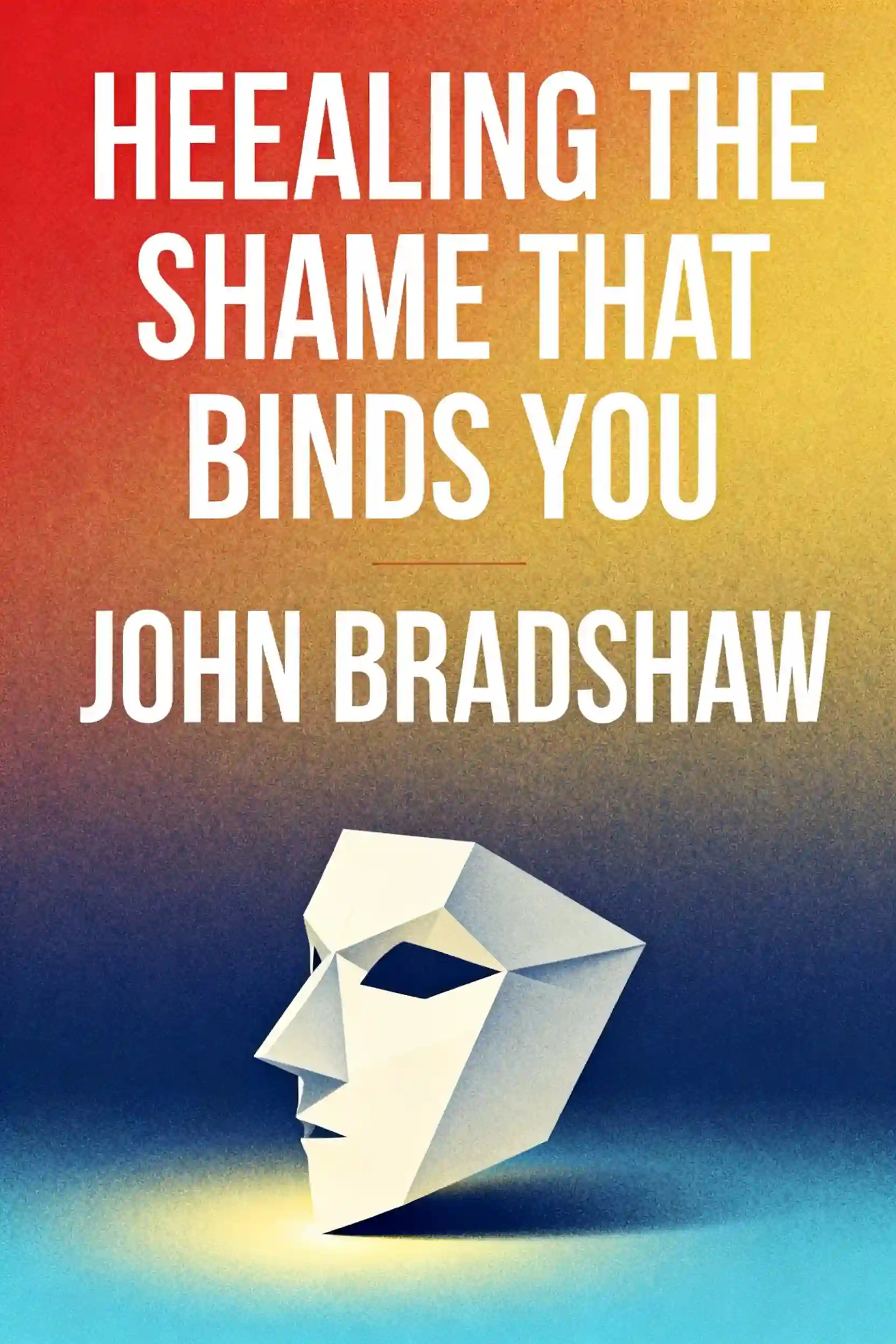
    Healing the Shame That Binds You

    Häufig gestellte Fragen

    Mehr entdecken

    Changing mindset

    Changing mindset

    LERNPLAN

    Changing mindset

    This plan is designed for individuals feeling stuck in stagnant patterns or held back by a harsh inner critic. It provides a science-backed framework to transition from self-limitation to a growth-oriented life by leveraging neuroplasticity and resilience tools.

    2 h 48 m•4 Abschnitte
    Your Brain is Cooked: How to Unf*ck Your Brainrot
    BLOG

    Your Brain is Cooked: How to Unf*ck Your Brainrot

    Breaking free from brainrot isn’t about willpower—it’s about understanding how overstimulation rewires your brain.

    BeFreed Team

    Learn to love myself

    Learn to love myself

    LERNPLAN

    Learn to love myself

    In a world driven by external validation, developing a resilient internal support system is essential for mental well-being. This plan is designed for anyone struggling with burnout, perfectionism, or a loud inner critic who wants to build a sustainable foundation of self-worth.

    3 h 5 m•5 Abschnitte
    Get rid of survival mode of my neural system

    Get rid of survival mode of my neural system

    LERNPLAN

    Get rid of survival mode of my neural system

    This plan is essential for individuals feeling chronically overwhelmed, burnt out, or stuck in a cycle of 'fight-or-flight.' It provides the scientific foundation and somatic tools needed to transition from constant survival into a state of emotional and physical safety.

    2 h 26 m•4 Abschnitte
    Rewire Nervous System & Build New Pathways

    Rewire Nervous System & Build New Pathways

    LERNPLAN

    Rewire Nervous System & Build New Pathways

    This plan is essential for individuals seeking to overcome chronic stress, trauma, or repetitive negative patterns by leveraging the science of neuroplasticity. It is ideal for anyone looking to transition from survival mode to a state of regulated self-leadership and emotional resilience.

    2 h 8 m•4 Abschnitte
    Move through constant self-doubt patterns

    Move through constant self-doubt patterns

    LERNPLAN

    Move through constant self-doubt patterns

    This plan is essential for professionals and creatives who feel held back by persistent imposter syndrome or a harsh inner critic. It provides a structured path to transition from paralyzing hesitation to decisive action by building emotional resilience and self-compassion.

    3 h 9 m•4 Abschnitte
    Self confidence and self worth

    Self confidence and self worth

    LERNPLAN

    Self confidence and self worth

    This learning plan is essential for anyone struggling with imposter syndrome, chronic self-doubt, or a harsh inner critic. It provides a science-backed roadmap to transition from fragile self-esteem to a resilient sense of worth based on authenticity rather than external validation.

    4 h 16 m•5 Abschnitte
    How to change emotionally

    How to change emotionally

    LERNPLAN

    How to change emotionally

    This plan is essential for anyone feeling stuck in repetitive emotional cycles or reactive behaviors. It provides a comprehensive roadmap for individuals seeking to heal past wounds and build the psychological resilience needed for lasting personal change.

    3 h 6 m•5 Abschnitte

    Von Columbia University Alumni in San Francisco entwickelt

    BeFreed vereint eine globale Gemeinschaft von 1,000,000 wissbegierigen Menschen
    Erfahren Sie mehr darüber, wie BeFreed im Web diskutiert wird

    "Instead of endless scrolling, I just hit play on BeFreed. It saves me so much time."

    @Moemenn
    platform
    star
    star
    star
    star
    star

    "I never knew where to start with nonfiction—BeFreed’s book lists turned into podcasts gave me a clear path."

    @Chloe, Solo founder, LA
    platform
    comments
    12
    likes
    117

    "Perfect balance between learning and entertainment. Finished ‘Thinking, Fast and Slow’ on my commute this week."

    @Raaaaaachelw
    platform
    star
    star
    star
    star
    star

    "Crazy how much I learned while walking the dog. BeFreed = small habits → big gains."

    @Matt, YC alum
    platform
    comments
    12
    likes
    108

    "Reading used to feel like a chore. Now it’s just part of my lifestyle."

    @Erin, Investment Banking Associate , NYC
    platform
    comments
    254
    likes
    17

    "Feels effortless compared to reading. I’ve finished 6 books this month already."

    @djmikemoore
    platform
    star
    star
    star
    star
    star

    "BeFreed turned my guilty doomscrolling into something that feels productive and inspiring."

    @Pitiful
    platform
    comments
    96
    likes
    4.5K

    "BeFreed turned my commute into learning time. 20-min podcasts are perfect for finishing books I never had time for."

    @SofiaP
    platform
    star
    star
    star
    star
    star

    "BeFreed replaced my podcast queue. Imagine Spotify for books — that’s it. 🙌"

    @Jaded_Falcon
    platform
    comments
    201
    thumbsUp
    16

    "It is great for me to learn something from the book without reading it."

    @OojasSalunke
    platform
    star
    star
    star
    star
    star

    "The themed book list podcasts help me connect ideas across authors—like a guided audio journey."

    @Leo, Law Student, UPenn
    platform
    comments
    37
    likes
    483

    "Makes me feel smarter every time before going to work"

    @Cashflowbubu
    platform
    star
    star
    star
    star
    star

    Von Columbia University Alumni in San Francisco entwickelt

    BeFreed vereint eine globale Gemeinschaft von 1,000,000 wissbegierigen Menschen
    Erfahren Sie mehr darüber, wie BeFreed im Web diskutiert wird

    "Instead of endless scrolling, I just hit play on BeFreed. It saves me so much time."

    @Moemenn
    platform
    star
    star
    star
    star
    star

    "I never knew where to start with nonfiction—BeFreed’s book lists turned into podcasts gave me a clear path."

    @Chloe, Solo founder, LA
    platform
    comments
    12
    likes
    117

    "Perfect balance between learning and entertainment. Finished ‘Thinking, Fast and Slow’ on my commute this week."

    @Raaaaaachelw
    platform
    star
    star
    star
    star
    star

    "Crazy how much I learned while walking the dog. BeFreed = small habits → big gains."

    @Matt, YC alum
    platform
    comments
    12
    likes
    108

    "Reading used to feel like a chore. Now it’s just part of my lifestyle."

    @Erin, Investment Banking Associate , NYC
    platform
    comments
    254
    likes
    17

    "Feels effortless compared to reading. I’ve finished 6 books this month already."

    @djmikemoore
    platform
    star
    star
    star
    star
    star

    "BeFreed turned my guilty doomscrolling into something that feels productive and inspiring."

    @Pitiful
    platform
    comments
    96
    likes
    4.5K

    "BeFreed turned my commute into learning time. 20-min podcasts are perfect for finishing books I never had time for."

    @SofiaP
    platform
    star
    star
    star
    star
    star

    "BeFreed replaced my podcast queue. Imagine Spotify for books — that’s it. 🙌"

    @Jaded_Falcon
    platform
    comments
    201
    thumbsUp
    16

    "It is great for me to learn something from the book without reading it."

    @OojasSalunke
    platform
    star
    star
    star
    star
    star

    "The themed book list podcasts help me connect ideas across authors—like a guided audio journey."

    @Leo, Law Student, UPenn
    platform
    comments
    37
    likes
    483

    "Makes me feel smarter every time before going to work"

    @Cashflowbubu
    platform
    star
    star
    star
    star
    star

    "Instead of endless scrolling, I just hit play on BeFreed. It saves me so much time."

    @Moemenn
    platform
    star
    star
    star
    star
    star

    "I never knew where to start with nonfiction—BeFreed’s book lists turned into podcasts gave me a clear path."

    @Chloe, Solo founder, LA
    platform
    comments
    12
    likes
    117

    "Perfect balance between learning and entertainment. Finished ‘Thinking, Fast and Slow’ on my commute this week."

    @Raaaaaachelw
    platform
    star
    star
    star
    star
    star

    "Crazy how much I learned while walking the dog. BeFreed = small habits → big gains."

    @Matt, YC alum
    platform
    comments
    12
    likes
    108

    "Reading used to feel like a chore. Now it’s just part of my lifestyle."

    @Erin, Investment Banking Associate , NYC
    platform
    comments
    254
    likes
    17

    "Feels effortless compared to reading. I’ve finished 6 books this month already."

    @djmikemoore
    platform
    star
    star
    star
    star
    star

    "BeFreed turned my guilty doomscrolling into something that feels productive and inspiring."

    @Pitiful
    platform
    comments
    96
    likes
    4.5K

    "BeFreed turned my commute into learning time. 20-min podcasts are perfect for finishing books I never had time for."

    @SofiaP
    platform
    star
    star
    star
    star
    star

    "BeFreed replaced my podcast queue. Imagine Spotify for books — that’s it. 🙌"

    @Jaded_Falcon
    platform
    comments
    201
    thumbsUp
    16

    "It is great for me to learn something from the book without reading it."

    @OojasSalunke
    platform
    star
    star
    star
    star
    star

    "The themed book list podcasts help me connect ideas across authors—like a guided audio journey."

    @Leo, Law Student, UPenn
    platform
    comments
    37
    likes
    483

    "Makes me feel smarter every time before going to work"

    @Cashflowbubu
    platform
    star
    star
    star
    star
    star

    "Instead of endless scrolling, I just hit play on BeFreed. It saves me so much time."

    @Moemenn
    platform
    star
    star
    star
    star
    star

    "I never knew where to start with nonfiction—BeFreed’s book lists turned into podcasts gave me a clear path."

    @Chloe, Solo founder, LA
    platform
    comments
    12
    likes
    117

    "Perfect balance between learning and entertainment. Finished ‘Thinking, Fast and Slow’ on my commute this week."

    @Raaaaaachelw
    platform
    star
    star
    star
    star
    star

    "Crazy how much I learned while walking the dog. BeFreed = small habits → big gains."

    @Matt, YC alum
    platform
    comments
    12
    likes
    108

    "Reading used to feel like a chore. Now it’s just part of my lifestyle."

    @Erin, Investment Banking Associate , NYC
    platform
    comments
    254
    likes
    17

    "Feels effortless compared to reading. I’ve finished 6 books this month already."

    @djmikemoore
    platform
    star
    star
    star
    star
    star

    "BeFreed turned my guilty doomscrolling into something that feels productive and inspiring."

    @Pitiful
    platform
    comments
    96
    likes
    4.5K

    "BeFreed turned my commute into learning time. 20-min podcasts are perfect for finishing books I never had time for."

    @SofiaP
    platform
    star
    star
    star
    star
    star

    "BeFreed replaced my podcast queue. Imagine Spotify for books — that’s it. 🙌"

    @Jaded_Falcon
    platform
    comments
    201
    thumbsUp
    16

    "It is great for me to learn something from the book without reading it."

    @OojasSalunke
    platform
    star
    star
    star
    star
    star

    "The themed book list podcasts help me connect ideas across authors—like a guided audio journey."

    @Leo, Law Student, UPenn
    platform
    comments
    37
    likes
    483

    "Makes me feel smarter every time before going to work"
    @Cashflowbubu
    platform
    star
    star
    star
    star
    star
    1.5K Ratings4.7
    Starten Sie Ihre Lernreise, jetzt
    BeFreed App
    BeFreed

    Lernen Sie alles, personalisiert

    DiscordLinkedIn
    Empfohlene Buchzusammenfassungen
    Crucial ConversationsThe Perfect MarriageInto the WildNever Split the DifferenceAttachedGood to GreatSay Nothing
    Trendkategorien
    Self HelpCommunication SkillRelationshipMindfulnessPhilosophyInspirationProductivity
    Leselisten von Prominenten
    Elon MuskCharlie KirkBill GatesSteve JobsAndrew HubermanJoe RoganJordan Peterson
    Preisgekrönte Sammlung
    Pulitzer PrizeNational Book AwardGoodreads Choice AwardsNobel Prize in LiteratureNew York TimesCaldecott MedalNebula Award
    Empfohlene Themen
    ManagementAmerican HistoryWarTradingStoicismAnxietySex
    Beste Bücher nach Jahr
    2025 Best Non Fiction Books2024 Best Non Fiction Books2023 Best Non Fiction Books
    Empfohlene Autoren
    Chimamanda Ngozi AdichieGeorge OrwellO. J. SimpsonBarbara O'NeillWinston ChurchillCharlie Kirk
    BeFreed vs. andere Apps
    BeFreed vs. Other Book Summary AppsBeFreed vs. ElevenReaderBeFreed vs. ReadwiseBeFreed vs. Anki
    Lernwerkzeuge
    Knowledge VisualizerAI Podcast Generator
    Informationen
    Über unsarrow
    Preisearrow
    FAQarrow
    Blogarrow
    Karrierearrow
    Partnerschaftenarrow
    Botschafter-Programmarrow
    Verzeichnisarrow
    BeFreed
    Try now
    © 2026 BeFreed
    NutzungsbedingungenDatenschutzrichtlinie
    BeFreed

    Lernen Sie alles, personalisiert

    DiscordLinkedIn
    Empfohlene Buchzusammenfassungen
    Crucial ConversationsThe Perfect MarriageInto the WildNever Split the DifferenceAttachedGood to GreatSay Nothing
    Trendkategorien
    Self HelpCommunication SkillRelationshipMindfulnessPhilosophyInspirationProductivity
    Leselisten von Prominenten
    Elon MuskCharlie KirkBill GatesSteve JobsAndrew HubermanJoe RoganJordan Peterson
    Preisgekrönte Sammlung
    Pulitzer PrizeNational Book AwardGoodreads Choice AwardsNobel Prize in LiteratureNew York TimesCaldecott MedalNebula Award
    Empfohlene Themen
    ManagementAmerican HistoryWarTradingStoicismAnxietySex
    Beste Bücher nach Jahr
    2025 Best Non Fiction Books2024 Best Non Fiction Books2023 Best Non Fiction Books
    Lernwerkzeuge
    Knowledge VisualizerAI Podcast Generator
    Empfohlene Autoren
    Chimamanda Ngozi AdichieGeorge OrwellO. J. SimpsonBarbara O'NeillWinston ChurchillCharlie Kirk
    BeFreed vs. andere Apps
    BeFreed vs. Other Book Summary AppsBeFreed vs. ElevenReaderBeFreed vs. ReadwiseBeFreed vs. Anki
    Informationen
    Über unsarrow
    Preisearrow
    FAQarrow
    Blogarrow
    Karrierearrow
    Partnerschaftenarrow
    Botschafter-Programmarrow
    Verzeichnisarrow
    BeFreed
    Try now
    © 2026 BeFreed
    NutzungsbedingungenDatenschutzrichtlinie

    Kernaussagen

    1

    Taming Your Harsh Inner Critic

    0:00

    It might feel like your own mind is turning against you, but here is a surprising truth: that harsh inner critic is actually a survival signal trying to protect you from pain, even if it’s using a sledgehammer to do it. Self-loathing isn’t your identity; it’s an organized system of "sticky" thoughts often linked to an overactive default mode network in your brain. Today, we’re breaking that cycle by moving your body from a threat state into a safety state. We’ll explore how to name your critic—maybe even give it a silly name like Doug—to create distance and start treating your humanity as a fact rather than a flaw. Stick around, because we’re about to learn why self-compassion is the ultimate biological reset button.

    2

    The Three Circles of Your Emotional Architecture

    0:48

    To understand why that voice in your head feels like a relentless drill sergeant, we have to look at the blueprint of your brain—a structure perfected over millions of years of evolution. Professor Paul Gilbert, a leading figure in compassion research, suggests that we operate within three primary emotion regulation systems. Think of these as three colored circles that dictate how you feel and act. The first is the Threat System, colored red. This is your ancient alarm. It’s managed by the amygdala and is responsible for the fight, flight, or freeze response. In our modern world, the "saber-toothed tiger" is often a social threat—the fear of looking stupid, being rejected, or failing. When you hate on yourself, you are essentially attacking yourself, and your brain responds exactly as if you were being physically assaulted—flooding your system with cortisol and adrenaline.

    1:44

    The second circle is the Drive System, often colored blue. This is what motivates you to seek out resources, achieve goals, and win. It’s fueled by dopamine and gives you that rush of excitement when you succeed. For many high-functioning people, the Drive System is their default. But here’s the problem: when we fail to meet the Drive System’s high standards, we don't just feel disappointed—we crash straight back into the red Threat System. We start attacking ourselves for not being "enough," and we get stuck in a loop of oscillating between frantic doing and painful self-shaming.

    2:20

    The third circle—and the one most of us have left gathered with dust—is the Soothing System, colored green. This system is linked to feelings of contentment, safety, and connection. It’s the "rest and digest" mode mediated by oxytocin and natural opiates. It’s the feeling of being "okay" just as you are, without having to achieve a single thing. Self-compassion is the intentional act of manually switching on this green light. Research shows that when we are kind to ourselves, we aren't just being "nice"—we are tapping into mammalian caregiving circuitry that sends a bio-signal of safety to the amygdala. It’s like telling your brain’s security guard that he can finally take a break. Understanding this architecture is life-changing because it helps you realize that your struggle with self-hate isn't a personal failure—it’s a biological pattern. Your brain is just trying to do its job, but it’s using an outdated manual. By cultivating the Soothing System, you’re essentially updating your internal software to handle the complexities of modern life without burning out your soul.

    3

    Why Comparison is the Thief of Your Biology

    3:28

    We often confuse self-esteem with self-compassion, but they are radically different animals. Self-esteem is a fair-weather friend. It’s based on evaluation and comparison—it asks, "Am I better than others? Am I special?" Because it’s contingent on success and social approval, it tends to abandon you the very moment you stumble. When you fail, your self-esteem vanishes, leaving you at the mercy of the red Threat System. Kristin Neff’s research involving thousands of participants has shown that self-esteem is often volatile and can even be linked to narcissism because it requires us to feel "above average" to feel worthy. But in a world of eight billion people, it’s mathematically impossible for everyone to be above average all the time.

    4:15

    Self-compassion, on the other hand, is a sturdy, unconditional ally. It doesn’t ask if you’re better than anyone else—it simply asks you to treat yourself with the same warmth you’d give a dear friend. This distinction is crucial for mental health because self-compassion remains available precisely when things go wrong. It’s the safety net that catches you when your self-esteem crashes. While self-esteem is about judgment, self-compassion is about relating. One of the most powerful findings in recent studies is that people with high self-compassion have more stable feelings of self-worth that aren't dependent on external circumstances. They don't have to "win" at life to feel okay about themselves.

    4:59

    This shift in perspective also helps dismantle the "egocentric trap" of suffering. When we are in the grip of self-hate, we often feel uniquely broken—as if everyone else has a secret manual for life that we somehow missed. We look at social media and see a parade of perfections, which triggers our Threat System and makes us feel isolated. But the "common humanity" aspect of self-compassion reminds us that struggle is a shared human experience. You aren't the only person who has ever felt like a fraud or a failure. Millions of people are feeling that exact same way at this exact moment. Recognizing this connection dissolves the shadows where shame lives. Shame thrives in secrecy and the belief that you are "the only one." By illuminating the universality of your struggle, you pull the plug on shame’s power source. You aren't a broken human—you’re a human, and being human is inherently messy and difficult.

    4

    The Heart Rate of Self-Kindness

    5:57

    If you’re a skeptic who thinks self-compassion sounds a bit "fluffy," let’s look at the hard data involving your heart and your nerves. The primary highway for self-compassion in your body is the vagus nerve. This is the longest cranial nerve in your body, running from your brainstem down to your heart and gut. It’s the main lead for your parasympathetic nervous system—the branch responsible for calming you down. Researchers have found that individuals with high levels of self-compassion exhibit higher Heart Rate Variability, or HRV. This is a key marker of a resilient, healthy nervous system. It means your heart can flexibly adapt to stress, speeding up when needed and slowing down just as quickly when the danger has passed.

    6:40

    On the flip side, self-criticism activates the sympathetic nervous system, keeping your heart rate high and your cortisol levels surging. A study by Petrocchi and colleagues found that even just a few minutes of compassionate self-talk can measurably increase HRV. They even found that the effect was amplified if participants looked at themselves in a mirror while speaking kindly. This suggests that you can literally talk your body out of a stress state. You aren't just "thinking" different thoughts—you are sending a physiological bio-signal to your heart that says, "You are safe."

    7:18

    This chemical war inside us is often a battle between cortisol—the stress hormone—and oxytocin—the love and bonding hormone. Self-hate is a form of internal harassment that keeps your cortisol levels chronically high, which we know can lead to suppressed immunity and anxiety over time. But self-compassion mimics the effects of being cared for by a loved one. When you offer yourself warmth, you trigger the release of oxytocin, which directly counteracts cortisol and lowers your blood pressure. It is the body’s natural anti-stress hormone. Think about that for a second—you have the ability to change your own internal chemistry just by changing the tone of your inner voice. You are providing your body with the biochemical resources it needs to heal and repair. This isn't just psychology—it’s proactive biological maintenance.

    5

    Navigating the Backdraft of Kindness

    8:11

    One of the most confusing parts of starting a self-compassion practice is that it can sometimes make you feel worse before you feel better. Psychologists Christopher Germer and Kristin Neff call this "backdraft." It’s a term borrowed from firefighting—when a fire is starved of oxygen, and you suddenly open a door, the rush of fresh air causes the flames to explode outward. The same thing can happen in your heart. If you have spent years or decades starving yourself of kindness, and you suddenly "open the door" with a self-compassion exercise, all your old emotional wounds can flare up. You might feel a sudden wave of grief, sadness, or even anger.

    8:53

    If this happens to you, please know it isn't a sign that you’re doing it wrong. In fact, it’s a sign that the practice is working. It means that old pain, which you previously kept at bay through self-criticism or numbing, is finally being acknowledged. The ice is melting, and sometimes the melt is messy. Backdraft often shows up as intrusive negative thoughts or a strong urge to withdraw from the practice. It’s the "threat system" panicking because it’s used to the "protection" of self-criticism. For many of us, the inner critic feels like a familiar, albeit abusive, shield. Dropping that shield feels incredibly vulnerable.

    9:32

    The key to navigating backdraft is to go slowly. You don't have to dive into the deep end of self-love on day one. If a particular exercise feels too intense, you can use grounding techniques—like focusing on the sensation of your feet on the floor or holding a warm cup of tea—to stabilize your nervous system. You can even label the experience: "This is backdraft. This is just my heart opening up." By naming it, you reduce the fear of the emotion. Self-compassion is a skill that requires a "titrated" approach—meaning you take it in small doses that your system can handle. You are retraining a nervous system that has been on high alert for a long time. It takes patience to convince your brain that it’s finally safe to put down the weapons and accept a little kindness.

    6

    Rewiring the Default Mode of Your Mind

    10:20

    Have you ever wondered why your most self-critical thoughts seem to pop up the moment you sit down to relax? It’s often due to the Default Mode Network—a specific system in the brain that becomes active when our minds aren't focused on a task. This network is heavily involved in self-referential thinking, which often drifts toward rumination and social comparison. For someone struggling with self-hate, the Default Mode Network is like a radio station that only plays "Greatest Misses." It replays every awkward thing you said in 2014 and every mistake you made last Tuesday.

    10:57

    But research into neuroplasticity shows that these neural pathways aren't permanent. We can actually rewire this network through consistent practice. Mindfulness is the foundational tool here because it allows you to notice the "radio station" without getting sucked into the song. Instead of being the thought—"I am a failure"—you become the observer of the thought—"I am having the thought that I’m a failure." This slight shift creates the space necessary to choose a different response. It’s like stepping back from a movie screen so you can see the projector at work.

    11:32

    Functional MRI studies have shown that self-compassion interventions can lead to measurable changes in brain activation patterns. Regions like the dorsolateral prefrontal cortex, which is involved in emotion regulation, show increased activity, while the amygdala’s threat response begins to dampen. Some studies have even seen changes in the salience network, which determines how much weight we give to negative stimuli. By practicing self-compassion, you are literally training your brain to turn down the volume on the negative and turn up the sensitivity to the "soothing" signals. You are building new, stronger neural pathways that favor resilience over rumination. It’s a slow process—like carving a new path through a dense forest—but every time you choose a kind response over a critical one, you are making that new path a little easier to follow next time.

    7

    Your Practical Playbook for the Inner Storm

    12:23

    So, how do we put all this science into practice when the inner critic starts screaming? The gold standard in this field is the "Self-Compassion Break." It’s a three-step process designed to be used in the heat of the moment. The first step is Mindfulness: simply acknowledge the pain. Say to yourself, "This is a moment of suffering" or "Ouch, this hurts." Don't try to fix it yet—just validate it. The second step is Common Humanity: remind yourself you aren't alone. Say, "Suffering is a part of life" or "Everyone feels this way sometimes." This breaks the isolation. The third step is Self-Kindness: offer yourself words of support. You might say, "May I be kind to myself in this moment" or "May I give myself what I need right now." If words feel too hard, use a physical gesture—place a hand over your heart or give yourself a gentle hug. The physical warmth sends a message of safety directly to your vagus nerve.

    13:28

    Another powerful technique is "Compassionate Letter Writing." Identify a part of yourself you feel ashamed of, and then write a letter to yourself from the perspective of an unconditionally loving friend. This friend sees all your flaws and your history, and they still care about you deeply. They don't judge; they understand the "causes and conditions" that led you to where you are. Writing it out helps externalize the compassionate voice until it starts to feel like your own. You can also try "Soothing Rhythm Breathing"—taking a deep inhale for four counts and a longer exhale for six counts. This long exhale is the "biological brake" for your nervous system, signaling to your brain that the threat has passed.

    14:17

    Finally, we have to talk about "Behavioral Compassion." Sometimes, the most compassionate thing you can do isn't a meditation—it’s an action. It might be going to bed early, eating a healthy meal, or saying "no" to a commitment that’s draining you. It’s about acting like your own protector. When your inner critic tells you that you "should" be doing more, ask yourself: "What would a person who truly cared about me suggest I do right now?" Often, the answer is simpler and more restful than the critic would ever allow. These small acts of self-care are like deposits into a resilience bank account. They prove to your brain that you are someone worth taking care of, which slowly but surely changes the narrative of self-hate into one of self-stewardship.

    8

    Finding the Courage to Stay Human

    15:05

    As we wrap up our time together, I want you to take a moment to breathe and recognize the work you’ve already done just by being here. Turning toward your own pain with a desire to understand it is a profound act of courage. Self-compassion isn't about becoming perfect; it’s about learning to be a good friend to yourself while you’re imperfect. It’s realizing that the harsh voice in your head, while loud, is not the ultimate authority on your worth. It’s just a part of your ancient brain trying to keep you safe in a very confusing world.

    15:41

    I encourage you to pick just one thing from today—maybe it’s giving your critic a silly name, or trying the hand-on-heart gesture when you’re stressed—and see how it feels in your body. Don't worry about "mastering" it. Just notice if it creates even a tiny crack of light in the darkness of self-criticism. Change in the brain happens through "micro-moments" of repetition. Every time you choose a gentle breath over a sharp judgment, you are performing a small miracle of biological rewiring. You are proving that your Soothing System is still there, waiting to be activated.

    16:17

    Thank you for trusting me with your time and for being willing to look at your internal landscape with fresh, kinder eyes. You are a flawed, complex, and deeply worthy human being, and you don't have to earn the right to exist without being attacked from within. As you move back into your day, I hope you can hold onto the truth that struggle is a part of our shared humanity, and that kindness is the most powerful tool we have for navigating it. Take a moment to reflect on what we’ve talked about, and perhaps offer yourself one small, quiet "thank you" for showing up for yourself today. You are worth the effort, exactly as you are.

    Mehr davon

    podcast cover
    source 1source 2source 3Building Self-Esteem: 7 Effective Tools & Activities
    6 sources
    Stop Self-Criticism, Build Genuine Self-Esteem
    Discover the science behind your inner critic and learn practical strategies to transform self-attack into self-compassion. From taming your 'gremlin' to building the six pillars of authentic self-worth.
    34 min
    podcast cover
    Toxic ParentsHealing the Shame that Binds YouAsshole No MoreThe Kindness Method
    17 sources
    Breaking the Self-Loathing Cycle
    Discover why we're often our own worst critics and how to transform toxic self-talk into genuine self-compassion. Learn practical strategies to build a healthier relationship with yourself.
    15 min
    podcast cover
    Radical CompassionThe Kindness MethodHow to Meet Your Self'I Hate Myself': 8 Ways to Combat Self-Hatred - Verywell Mind
    6 sources
    Stop Self-Hatred: Embrace Radical Self-Compassion
    Transform your inner critic into your best friend with proven methods for self-compassion. Learn the RAIN technique, break negative thought patterns, and accept your past while building genuine self-love.
    9 min
    podcast cover
    source 1source 2Silencing the Inner Critic: Strategies for Positive Self-Talksource 4
    6 sources
    Silence Your Inner Critic, Build Real Self-Esteem
    Transform that harsh voice in your head from enemy to ally. Discover research-backed strategies to break free from self-criticism and develop genuine self-compassion that changes everything.
    26 min
    podcast cover
    True to YouJoy of Saying NoApproval addictionIntroducing Selfesteem A Practical Guide
    27 sources
    Stop caring what people think by rewiring your brain
    Struggling with the spotlight effect? Learn why your brain treats social judgment like a threat and how to trade external approval for true authenticity.
    31 min
    podcast cover
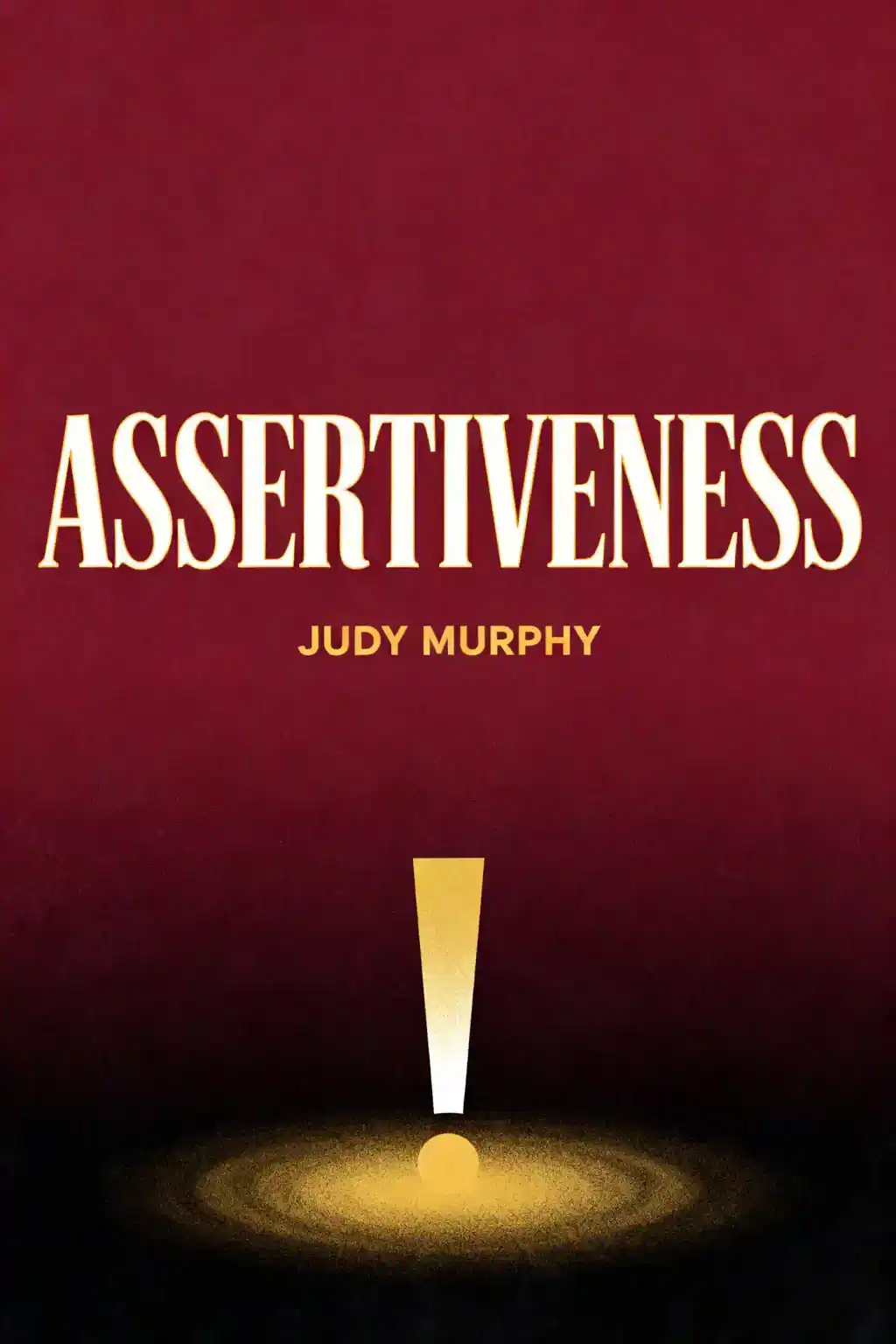
    Overcoming Low Self-EsteemIntroducing Self-EsteemAssertivenessSh*t I Say to Myself
    6 sources
    Stop Being Your Own Worst Enemy
    Transform your harsh inner critic into your biggest supporter. Learn practical strategies to build self-compassion, silence negative self-talk, and find the confidence to speak up authentically.
    8 min
    podcast cover
    Chatter: The Voice in Our Head, Why It Matters, and How to Harness ItThe Upside of Stress: Why Stress Is Good for You, and How to Get Good at ItSelf-Compassion: The Proven Power of Being Kind to Yourself
    25 sources
    Taming Your Inner Voice
    BeFreed
    Transform your inner critic into your strongest mental ally.
    11 min
    book cover
    You Are Not Your Brain
    Jeffrey M. Schwartz and Rebecca Gladding
    Empowering guide to overcoming negative thoughts and habits by recognizing deceptive brain messages and taking control of your mind.
    8 min