Stop Planning, Start Doing: The 90-Day Action Plan
Break the cycle of over-planning and anxiety by mastering the '90-day sweet spot.' Learn how to turn paralyzing motion into meaningful action with professional strategies for consistent progress.

Bestes Zitat aus Stop Planning, Start Doing: The 90-Day Action Plan
Procrastination isn't a character flaw or laziness; it’s an anxiety-driven habit loop where your brain avoids discomfort to get a temporary reward. To break it, you have to change the reward value of the avoidance by noticing that it actually feels hollow compared to the relief of taking action.
Generated by Vitor
Productivity and take action

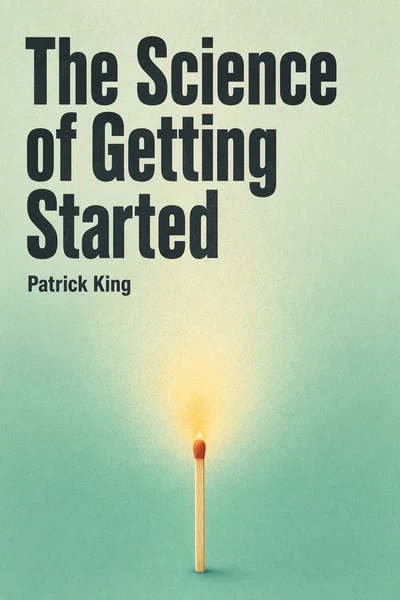
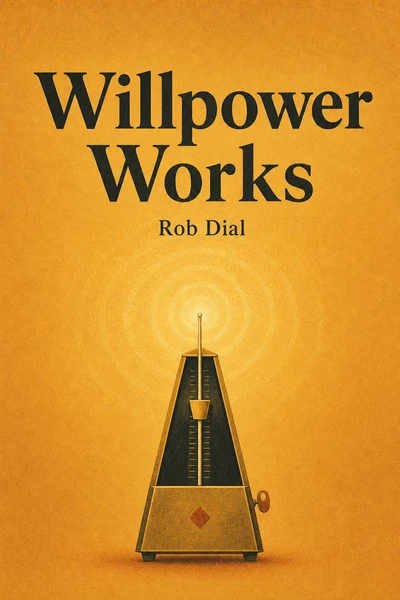
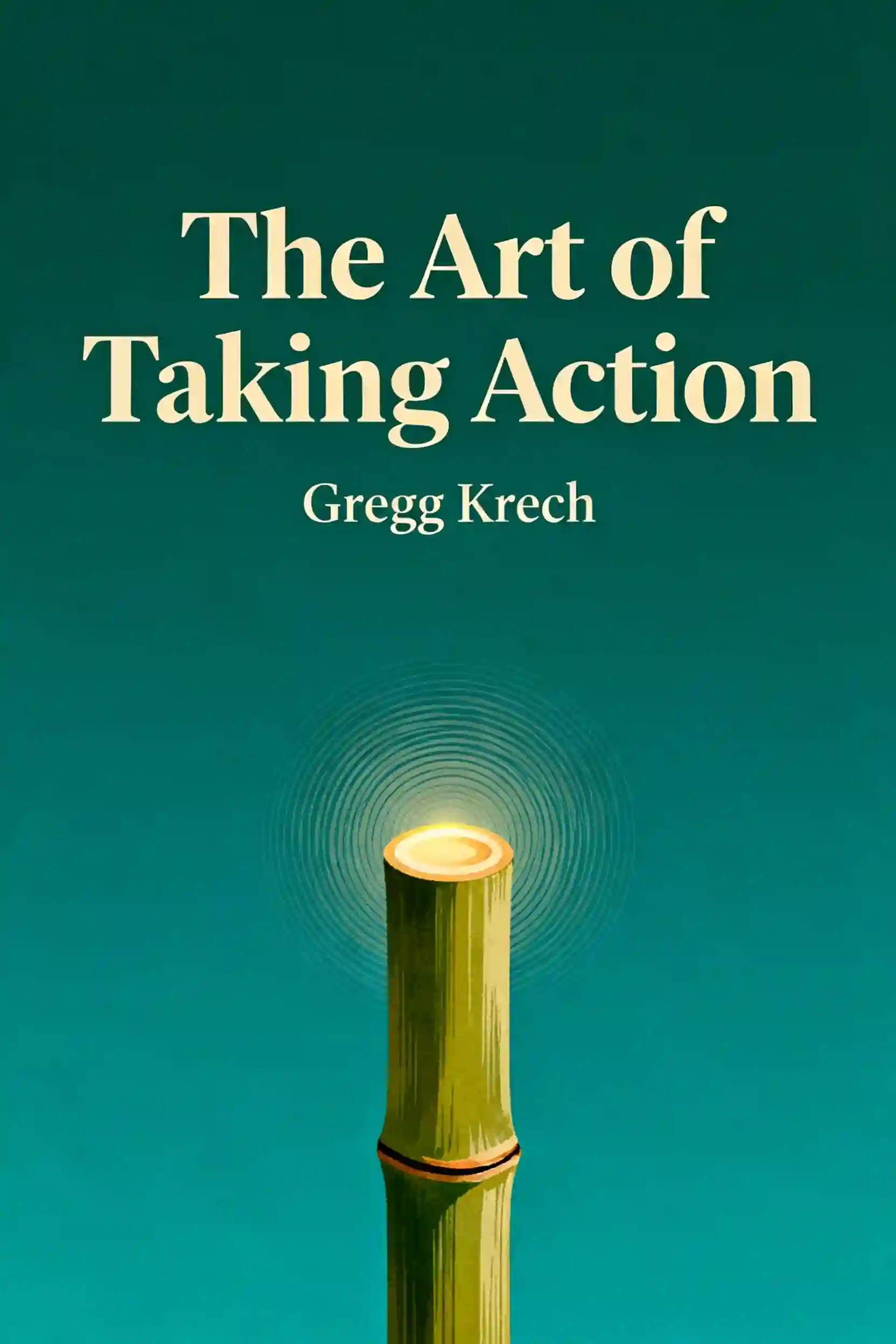
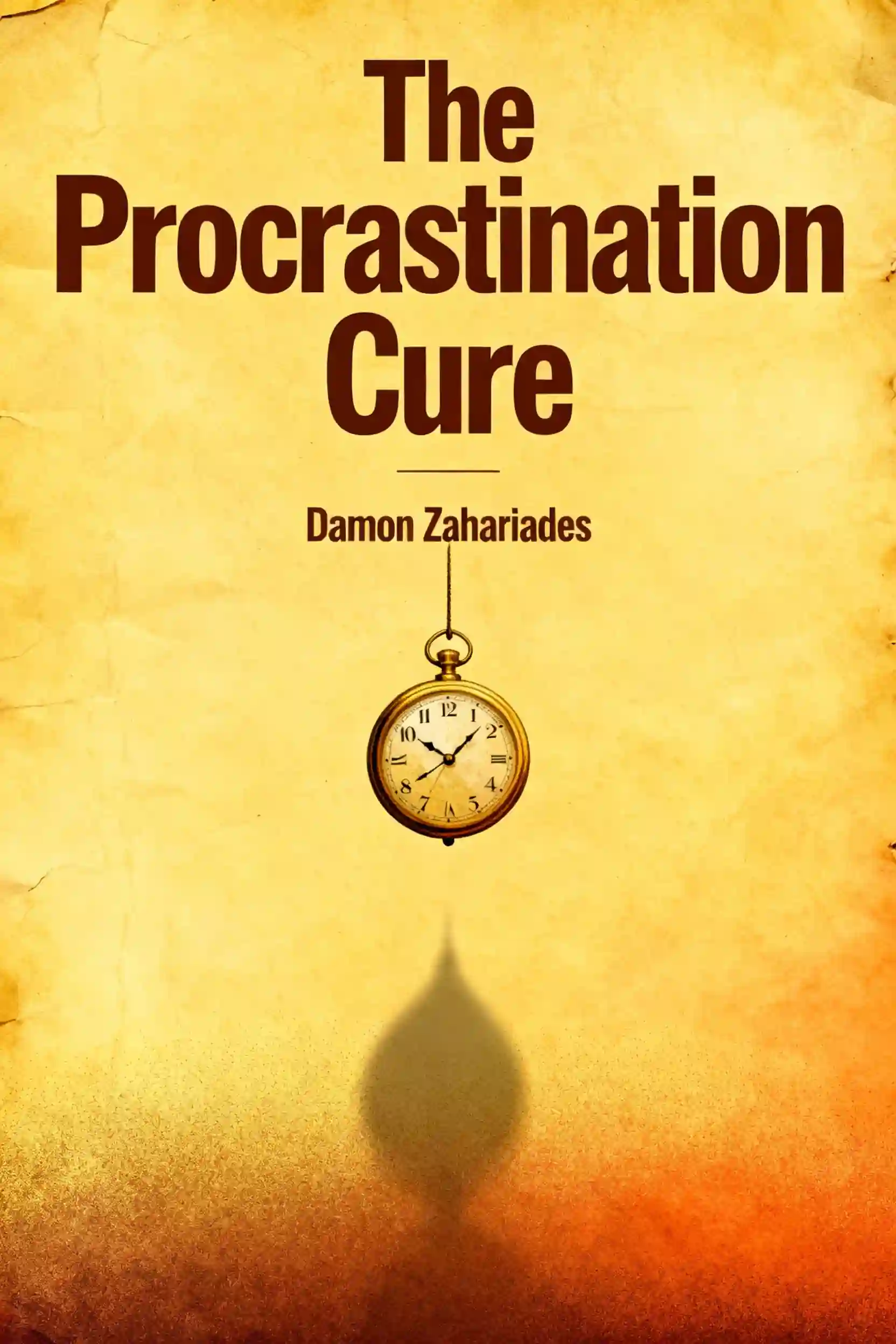
Häufig gestellte Fragen
Procrastination is often not a result of laziness or a lack of willpower, but rather an anxiety-driven habit loop. When you face a task that feels daunting, your brain's threat-detection center, the amygdala, flags it as dangerous. To escape this discomfort, your brain seeks an immediate reward through avoidance, such as scrolling social media. This creates a cycle where your brain learns that running away is the best way to feel better, even though the relief is only temporary.
The script suggests that long timelines can actually fuel procrastination and cause "emergency mode," where you feel busy without making real progress. Research shows that 80% of people abandon annual goals by February because their deadlines are too far away. Shortening your focus to a 90-day window helps maintain motivation, as even a one-week delay on a deadline can significantly cause a person's drive to drop.
You can break the cycle by "Mapping the Habit Loop," which involves observing your behavior with curiosity rather than judgment. By identifying your triggers and noticing that the "reward" of procrastination—like mindless chores—actually feels hollow and stressful, you devalue the escape. You can then replace it with a "Bigger Better Offer," which is the genuine relief felt after completing a tiny, two-minute version of the task.
Identity-based habits focus on the person you want to become rather than just the results you want to achieve; every small action is a "vote" for that identity. Habit stacking is a strategy to support this by attaching a new behavior to an existing trigger, such as writing for ten minutes immediately after pouring your morning coffee. This removes decision fatigue and helps automate the "start" of a task, saving your mental energy for the actual work.
On high-friction days, you can use the "Swiss Cheese" method, which involves "punching holes" in a task by committing to just five minutes of low-pressure work, like jotting down random ideas. Additionally, practicing self-forgiveness is crucial. Research indicates that being kind to yourself after procrastinating reduces future avoidance, whereas self-criticism creates more anxiety and fuels the procrastination loop.
Von Columbia University Alumni in San Francisco entwickelt
"Instead of endless scrolling, I just hit play on BeFreed. It saves me so much time."


"I never knew where to start with nonfiction—BeFreed’s book lists turned into podcasts gave me a clear path."


"Perfect balance between learning and entertainment. Finished ‘Thinking, Fast and Slow’ on my commute this week."
"Crazy how much I learned while walking the dog. BeFreed = small habits → big gains."
"Reading used to feel like a chore. Now it’s just part of my lifestyle."

"Feels effortless compared to reading. I’ve finished 6 books this month already."
"BeFreed turned my guilty doomscrolling into something that feels productive and inspiring."

"BeFreed turned my commute into learning time. 20-min podcasts are perfect for finishing books I never had time for."
"BeFreed replaced my podcast queue. Imagine Spotify for books — that’s it. 🙌"

"It is great for me to learn something from the book without reading it."
"The themed book list podcasts help me connect ideas across authors—like a guided audio journey."
"Makes me feel smarter every time before going to work"
Von Columbia University Alumni in San Francisco entwickelt
"Instead of endless scrolling, I just hit play on BeFreed. It saves me so much time."
"I never knew where to start with nonfiction—BeFreed’s book lists turned into podcasts gave me a clear path."
"Perfect balance between learning and entertainment. Finished ‘Thinking, Fast and Slow’ on my commute this week."
"Crazy how much I learned while walking the dog. BeFreed = small habits → big gains."
"Reading used to feel like a chore. Now it’s just part of my lifestyle."
"Feels effortless compared to reading. I’ve finished 6 books this month already."
"BeFreed turned my guilty doomscrolling into something that feels productive and inspiring."
"BeFreed turned my commute into learning time. 20-min podcasts are perfect for finishing books I never had time for."
"BeFreed replaced my podcast queue. Imagine Spotify for books — that’s it. 🙌"
"It is great for me to learn something from the book without reading it."
"The themed book list podcasts help me connect ideas across authors—like a guided audio journey."
"Makes me feel smarter every time before going to work"
"Instead of endless scrolling, I just hit play on BeFreed. It saves me so much time."
"I never knew where to start with nonfiction—BeFreed’s book lists turned into podcasts gave me a clear path."
"Perfect balance between learning and entertainment. Finished ‘Thinking, Fast and Slow’ on my commute this week."
"Crazy how much I learned while walking the dog. BeFreed = small habits → big gains."
"Reading used to feel like a chore. Now it’s just part of my lifestyle."
"Feels effortless compared to reading. I’ve finished 6 books this month already."
"BeFreed turned my guilty doomscrolling into something that feels productive and inspiring."
"BeFreed turned my commute into learning time. 20-min podcasts are perfect for finishing books I never had time for."
"BeFreed replaced my podcast queue. Imagine Spotify for books — that’s it. 🙌"
"It is great for me to learn something from the book without reading it."
"The themed book list podcasts help me connect ideas across authors—like a guided audio journey."
"Makes me feel smarter every time before going to work"
"Instead of endless scrolling, I just hit play on BeFreed. It saves me so much time."
"I never knew where to start with nonfiction—BeFreed’s book lists turned into podcasts gave me a clear path."
"Perfect balance between learning and entertainment. Finished ‘Thinking, Fast and Slow’ on my commute this week."
"Crazy how much I learned while walking the dog. BeFreed = small habits → big gains."
"Reading used to feel like a chore. Now it’s just part of my lifestyle."
"Feels effortless compared to reading. I’ve finished 6 books this month already."
"BeFreed turned my guilty doomscrolling into something that feels productive and inspiring."
"BeFreed turned my commute into learning time. 20-min podcasts are perfect for finishing books I never had time for."
"BeFreed replaced my podcast queue. Imagine Spotify for books — that’s it. 🙌"
"It is great for me to learn something from the book without reading it."
"The themed book list podcasts help me connect ideas across authors—like a guided audio journey."
"Makes me feel smarter every time before going to work"