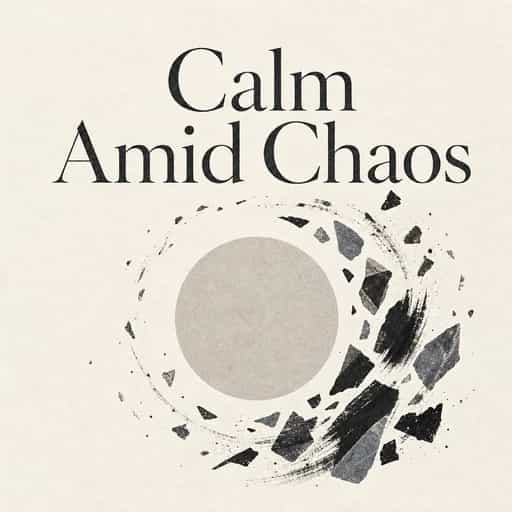
When life feels out of control, reacting with stress is easy. Learn how ancient Stoic logic helps you find internal stability and mental toughness.
Bestes Zitat aus Stoic man principles for staying grounded in chaos
“
You have power over your mind, not outside events. Realize this, and you will find strength.
”
F
Generated by Freedee_7C92F12D
Eingabefrage
stoic man
Moderatorstimmen
Lena
Miles
Wissensquellen
Häufig gestellte Fragen
The dichotomy of control is a core Stoic framework that requires categorizing every situation into two groups: things that are "up to us" and things that are "not up to us." According to the script, our opinions, intentions, desires, and actions are within our control, while external factors like our reputation, the economy, or the actions of others are not. Stress is often the result of wasting emotional energy trying to fix things outside of our power. By focusing 100% of our effort on our own "shot"—our preparation and character—and accepting that the "target" might move due to external variables, we become emotionally bulletproof.
While it may sound depressing, premeditatio malorum (the premeditation of evils) is actually a tool for resilience and gratitude rather than a lack of hope. The script compares this practice to a mental fire drill; we don't perform fire drills because we want a fire to happen, but so that we don't panic if one does. By mentally rehearsing potential setbacks—like tech failures during a presentation or the loss of a job—we rob those events of their power to shock us. Additionally, imagining the loss of things we currently enjoy helps combat "hedonic adaptation," making us more grateful for what we have in the present moment.
No, the script clarifies that "capital S" Stoicism is about emotional wisdom rather than being an emotionless robot. Suppression is described as a rigid and unhealthy attempt to push feelings down, which often leads to higher physiological stress. True Stoicism involves "processing" emotions by putting a gap between a stimulus and your response. While Stoics acknowledge initial "proto-passions" (like a flash of anger), they choose not to let those sparks turn into a forest fire. The goal is to feel deeply—experiencing joy and affection—without letting those feelings cloud your reason or dictate your actions.
An Internal Scorecard is a shift in how a person measures success, moving away from external metrics like social media likes, job titles, or wealth. The Stoics argue that these are "preferred indifferents"—nice to have, but not necessary for a good life. Instead, a person using an internal scorecard judges themselves based on the four cardinal virtues: Wisdom, Courage, Justice, and Temperance. By competing only with the version of yourself from yesterday rather than someone else's highlight reel, you develop "secure self-esteem" that cannot be taken away by outside circumstances.
Voluntary discomfort, such as taking cold showers or fasting, is a form of "stress inoculation training" designed to build calluses on the soul. Because modern life is filled with constant comfort, our tolerance for stress has weakened. By choosing to do hard things on purpose, you prove to yourself that you can handle being cold, hungry, or tired. This builds "antifragile" confidence, ensuring that when involuntary hardships eventually strike, you are already mentally prepared. It transforms you from a slave to your biological impulses into a master of your own mind.
Von Columbia University Alumni | in San Francisco entwickelt
BeFreed vereint eine globale Gemeinschaft wissbegieriger Menschen
4.7
Durchschnittsbewertung
7.840+ App-Bewertungen
BeFreed-Community
Ehrlich, ich habe die App noch gar nicht komplett erkundet, aber nach den letzten Tagen bin ich schwer beeindruckt… BeFreed spielt in einer ganz anderen Liga als alle anderen Lern-Apps, die ich benutzt habe. Es ist unglaublich fesselnd und verbessert tatsächlich die Konzentration — perfekt für alle Doomscroller!
@ladyInfinity
Ich habe BeFreed vor genau 23 Tagen gekauft und es seitdem jeden einzelnen Tag benutzt. Es ist fest in meinen Arbeitsalltag und meine Lernroutine eingebettet.
@jayallen
Die App hat ehrlich gesagt alle meine Erwartungen übertroffen. Ich kann sie zu jedem beliebigen Thema Audio erstellen lassen, und das Ergebnis ist beeindruckend. Mein Fachgebiet ist eine Spezialisierung in Psychotherapie, sehr interdisziplinär — trotzdem sind die Antworten sehr präzise.
@Raguipa
Am meisten schätze ich, wie sehr es mein Scrollen reduziert hat – ich verbringe weniger Zeit mit Suchen und mehr Zeit damit, Wissen aufzunehmen. Die Kombination aus kompletten Hörbüchern, Podcasts und den Lernplänen ist brillant.
@colonyofcreatorsNGO
Ich bin seit 24 Jahren PhotoReading-Trainer für beschleunigtes Lernen… Bücher, Lesen und Lernen sind mein Ding, und BeFreed liefert einen innovativen Ansatz, Wissen leicht konsumierbar aufzubereiten und zu vermitteln — wirklich gut gemacht.
@BeFreed user
Es ist nicht nur eine Buchzusammenfassungs-App: Ich habe die Option „Fun Reading“ ausprobiert — eine viel bessere Zusammenfassung und ein besserer Weg, Ideen zu erfassen als auf die klassische Art. Allein das ist den Preis wert.
@austinakon
Ich liebe diese App. Ich benutze sie seit ein paar Tagen und kann nicht aufhören zuzuhören. Ein großartiger Einstieg.
@jcrules328
Ich mag das Programm wirklich sehr; ich teste es jetzt seit etwa einem Monat und finde, es ist ein echtes Juwel. Es funktioniert so gut, weil ich mit BeFreed meine eigenen Themen erstellen kann, und die Stimme ist großartig — mit unbegrenzter Auswahl an Erzählstimmen.
@DanielCZ
Ehrlich, ich habe die App noch gar nicht komplett erkundet, aber nach den letzten Tagen bin ich schwer beeindruckt… BeFreed spielt in einer ganz anderen Liga als alle anderen Lern-Apps, die ich benutzt habe. Es ist unglaublich fesselnd und verbessert tatsächlich die Konzentration — perfekt für alle Doomscroller!
@ladyInfinity
Ich habe BeFreed vor genau 23 Tagen gekauft und es seitdem jeden einzelnen Tag benutzt. Es ist fest in meinen Arbeitsalltag und meine Lernroutine eingebettet.
@jayallen
Die App hat ehrlich gesagt alle meine Erwartungen übertroffen. Ich kann sie zu jedem beliebigen Thema Audio erstellen lassen, und das Ergebnis ist beeindruckend. Mein Fachgebiet ist eine Spezialisierung in Psychotherapie, sehr interdisziplinär — trotzdem sind die Antworten sehr präzise.
@Raguipa
Am meisten schätze ich, wie sehr es mein Scrollen reduziert hat – ich verbringe weniger Zeit mit Suchen und mehr Zeit damit, Wissen aufzunehmen. Die Kombination aus kompletten Hörbüchern, Podcasts und den Lernplänen ist brillant.
@colonyofcreatorsNGO
Ich bin seit 24 Jahren PhotoReading-Trainer für beschleunigtes Lernen… Bücher, Lesen und Lernen sind mein Ding, und BeFreed liefert einen innovativen Ansatz, Wissen leicht konsumierbar aufzubereiten und zu vermitteln — wirklich gut gemacht.
@BeFreed user
Es ist nicht nur eine Buchzusammenfassungs-App: Ich habe die Option „Fun Reading“ ausprobiert — eine viel bessere Zusammenfassung und ein besserer Weg, Ideen zu erfassen als auf die klassische Art. Allein das ist den Preis wert.
@austinakon
Ich liebe diese App. Ich benutze sie seit ein paar Tagen und kann nicht aufhören zuzuhören. Ein großartiger Einstieg.
@jcrules328
Ich mag das Programm wirklich sehr; ich teste es jetzt seit etwa einem Monat und finde, es ist ein echtes Juwel. Es funktioniert so gut, weil ich mit BeFreed meine eigenen Themen erstellen kann, und die Stimme ist großartig — mit unbegrenzter Auswahl an Erzählstimmen.
@DanielCZ
Ich liebe es, nützliche, verdichtete Informationen und Ideen in einem 8–15-minütigen Audio im Podcast-Stil zu bekommen. Ich bin eigentlich kein Podcast-Fan, weil da so viel Füllmaterial dabei ist — aber hier fällt das alles weg.
@BeFreed user
Ich bin gerade dabei, meine Doktorarbeit abzuschließen, und muss viel unbekanntes Material lesen… Bei BeFreed gibst du einfach einen Prompt ein, die App findet Quellenmaterial für dich und erstellt einen Audio-Podcast. Ich finde den Ablauf in BeFreed schlanker als bei NotebookLM.
@Brad
Ich suche oft auf YouTube nach etwas zum Anhören — beim Frühstückmachen, Spazierengehen oder Pendeln — und BeFreed bietet einen noch gezielteren Ansatz, ohne Werbung und ohne Füllmaterial!
@BeFreed user
Das absolut Beste an dieser Plattform ist ihre Vielseitigkeit. Es gibt buchstäblich kein Thema, das nicht geht. Sie meistert alles, was man ihr gibt… Es ist selten, ein Lerntool ohne Einschränkungen zu finden, das seine Versprechen wirklich hält.
@jayallen
BeFreed ist fantastisch. Das benutzerfreundliche Design bedeutet, dass ich weniger Zeit mit Navigieren und mehr Zeit mit Lernen verbringe. Die Mischung aus Hörbüchern, Podcasts und Lernplänen ist eine geniale Kombination, die meinen Alltag komplett verändert hat.
@BeFreed user
Am Anfang habe ich eine Weile gebraucht, um zu verstehen, wie man Podcasts auf Italienisch erstellt — und dann: boom! Es ist so großartig! Ich kann mir jedes Thema erklären lassen, und das macht es richtig gut und richtig clever!
@matteo77
BeFreed ist meine tägliche App für Hörbücher geworden… Am besten gefällt mir, dass man seinen Text einfügt und ein Audio bekommt, das man unterwegs anhören kann.
@kotanzu1
Ich liebe es, nützliche, verdichtete Informationen und Ideen in einem 8–15-minütigen Audio im Podcast-Stil zu bekommen. Ich bin eigentlich kein Podcast-Fan, weil da so viel Füllmaterial dabei ist — aber hier fällt das alles weg.
@BeFreed user
Ich bin gerade dabei, meine Doktorarbeit abzuschließen, und muss viel unbekanntes Material lesen… Bei BeFreed gibst du einfach einen Prompt ein, die App findet Quellenmaterial für dich und erstellt einen Audio-Podcast. Ich finde den Ablauf in BeFreed schlanker als bei NotebookLM.
@Brad
Ich suche oft auf YouTube nach etwas zum Anhören — beim Frühstückmachen, Spazierengehen oder Pendeln — und BeFreed bietet einen noch gezielteren Ansatz, ohne Werbung und ohne Füllmaterial!
@BeFreed user
Das absolut Beste an dieser Plattform ist ihre Vielseitigkeit. Es gibt buchstäblich kein Thema, das nicht geht. Sie meistert alles, was man ihr gibt… Es ist selten, ein Lerntool ohne Einschränkungen zu finden, das seine Versprechen wirklich hält.
@jayallen
BeFreed ist fantastisch. Das benutzerfreundliche Design bedeutet, dass ich weniger Zeit mit Navigieren und mehr Zeit mit Lernen verbringe. Die Mischung aus Hörbüchern, Podcasts und Lernplänen ist eine geniale Kombination, die meinen Alltag komplett verändert hat.
@BeFreed user
Am Anfang habe ich eine Weile gebraucht, um zu verstehen, wie man Podcasts auf Italienisch erstellt — und dann: boom! Es ist so großartig! Ich kann mir jedes Thema erklären lassen, und das macht es richtig gut und richtig clever!
@matteo77
BeFreed ist meine tägliche App für Hörbücher geworden… Am besten gefällt mir, dass man seinen Text einfügt und ein Audio bekommt, das man unterwegs anhören kann.
Exhausted by constant stress? Learn how focusing on what you can control and using small mental shifts can help you respond with intention and steadiness.
Discover how Stoicism goes beyond inspirational quotes to offer practical tools for emotional intelligence and mental resilience in 2026. Learn actionable practices to focus on what you can control and find calm in chaos.
Discover how to find true inner calm using ancient Stoic wisdom and modern neuroscience. Learn practical techniques to stay grounded when life gets chaotic, from breathing practices to rewiring your brain for resilience.
Discover how Stoicism's practical tools can transform your daily frustrations into opportunities for growth and authentic happiness through four cardinal virtues that have stood the test of time.
Discover how 2,000-year-old Stoic wisdom can transform your relationship with stress, emotions, and life's challenges. Learn practical daily exercises to build mental resilience and find freedom through self-control.




















![[the-daily-stoic-by-ryan-holiday:c0001] The Daily Stoic p1-1](/_next/image?url=https%3A%2F%2Fd1y2du6z1jfm9e.cloudfront.net%2Fassets%2Fpodcast%2Fyellow.png&w=1024&q=50)
![[the-daily-stoic-by-ryan-holiday:c0002] The Daily Stoic p1-1](/_next/image?url=https%3A%2F%2Fd1y2du6z1jfm9e.cloudfront.net%2Fassets%2Fpodcast%2Fgreen.png&w=1024&q=50)