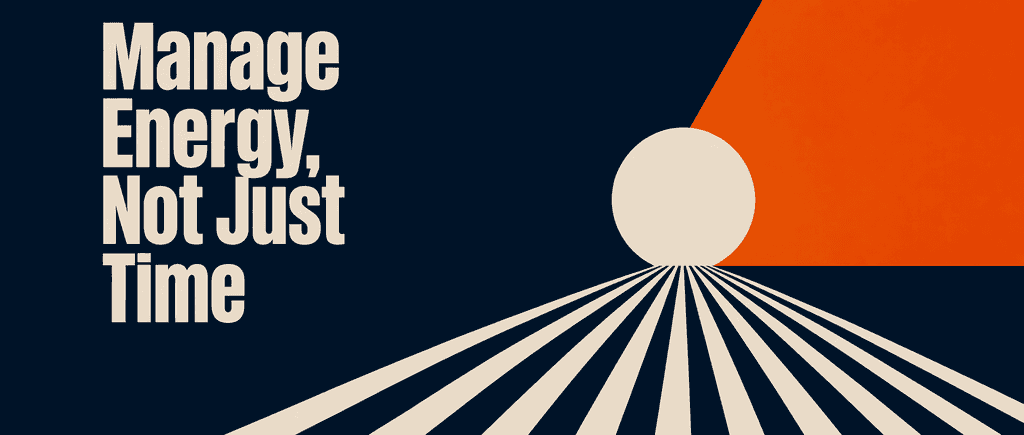
Side hustle with a full-time job without burning out
Feeling drained after your 9-to-5? Learn how to manage your energy and reclaim your discretionary time to build a business while working a day job.

Bestes Zitat aus Side hustle with a full-time job without burning out
The goal of a side hustle is to give you the power to say 'no'—to a bad boss, to a toxic culture, or to a role that no longer fits. Whether you actually leave or not is secondary to having the ability to leave.
Generated by Freedee_C1119B7F
Working efficiently side hustle full time job

Häufig gestellte Fragen
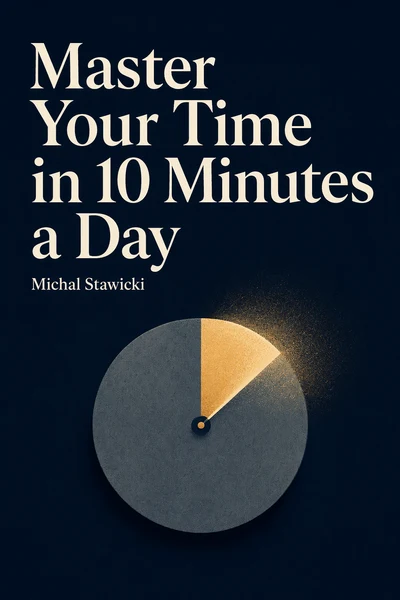
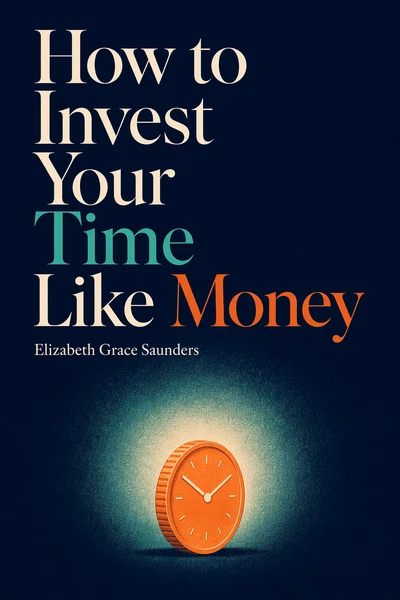
While many people feel they have zero free time, a standard 40-hour work week combined with adequate sleep actually leaves 25 to 35 hours of discretionary time. The key is not to "find" time but to "steal" it from less productive activities. Experts suggest starting small with just 5 to 15 hours of consistent, focused work per week rather than attempting a 20-plus hour schedule immediately, which often leads to burnout within the first ten days.
Effective energy management involves aligning tasks with your natural biological chronotype. "Early Birds" should utilize a "pre-work" block of roughly 90 minutes before their commute for high-leverage, creative tasks when their brain is sharpest. Conversely, low-cognitive-demand tasks like invoicing or scheduling social media should be saved for the evening when energy is depleted. Using "recharge rituals," such as a 30-minute walk, can also help bridge the transition between a day job and the "second shift."
To protect your professional standing, you must maintain a "Strict Firewall" by never using company equipment, Wi-Fi, or office hours for your side business. It is also vital to review your employment contract for non-compete or moonlighting clauses. By maintaining impeccable performance at your day job, you ensure your employer has no reason to scrutinize your outside activities. If disclosure is required, frame the hustle as "professional enrichment" that develops skills beneficial to your primary role.
You should rely on a data-driven "Readiness Framework" rather than emotions. A common benchmark is the "75 Percent Rule," where your side hustle generates at least 75 percent of your after-tax day job income for three consecutive months. Additionally, you should have a 90-day lead pipeline and a "Freedom Runway" of 3 to 6 months of cash savings to cover both personal and business expenses. Finally, ensure you have documented systems in place so the business can function without constant manual intervention.
Establishing a "Boundary Blueprint" from day one is essential to avoid the instant gratification trap. You should clearly communicate your specific availability for calls and responses in your onboarding materials or email signature. Utilizing tools like auto-responders and "scheduled sends" allows you to maintain a professional appearance and protect your deep-work hours. Most clients value high-quality, on-time delivery over immediate responses, and setting these limits prevents the "cognitive re-engagement" drain caused by constant task-switching.
Von Columbia University Alumni in San Francisco entwickelt
"Instead of endless scrolling, I just hit play on BeFreed. It saves me so much time."


"I never knew where to start with nonfiction—BeFreed’s book lists turned into podcasts gave me a clear path."


"Perfect balance between learning and entertainment. Finished ‘Thinking, Fast and Slow’ on my commute this week."
"Crazy how much I learned while walking the dog. BeFreed = small habits → big gains."
"Reading used to feel like a chore. Now it’s just part of my lifestyle."

"Feels effortless compared to reading. I’ve finished 6 books this month already."
"BeFreed turned my guilty doomscrolling into something that feels productive and inspiring."

"BeFreed turned my commute into learning time. 20-min podcasts are perfect for finishing books I never had time for."
"BeFreed replaced my podcast queue. Imagine Spotify for books — that’s it. 🙌"

"It is great for me to learn something from the book without reading it."
"The themed book list podcasts help me connect ideas across authors—like a guided audio journey."
"Makes me feel smarter every time before going to work"
 Ask ChatGPT
 Ask Claude
Von Columbia University Alumni in San Francisco entwickelt
"Instead of endless scrolling, I just hit play on BeFreed. It saves me so much time."
"I never knew where to start with nonfiction—BeFreed’s book lists turned into podcasts gave me a clear path."
"Perfect balance between learning and entertainment. Finished ‘Thinking, Fast and Slow’ on my commute this week."
"Crazy how much I learned while walking the dog. BeFreed = small habits → big gains."
"Reading used to feel like a chore. Now it’s just part of my lifestyle."
"Feels effortless compared to reading. I’ve finished 6 books this month already."
"BeFreed turned my guilty doomscrolling into something that feels productive and inspiring."
"BeFreed turned my commute into learning time. 20-min podcasts are perfect for finishing books I never had time for."
"BeFreed replaced my podcast queue. Imagine Spotify for books — that’s it. 🙌"
"It is great for me to learn something from the book without reading it."
"The themed book list podcasts help me connect ideas across authors—like a guided audio journey."
"Makes me feel smarter every time before going to work"
"Instead of endless scrolling, I just hit play on BeFreed. It saves me so much time."
"I never knew where to start with nonfiction—BeFreed’s book lists turned into podcasts gave me a clear path."
"Perfect balance between learning and entertainment. Finished ‘Thinking, Fast and Slow’ on my commute this week."
"Crazy how much I learned while walking the dog. BeFreed = small habits → big gains."
"Reading used to feel like a chore. Now it’s just part of my lifestyle."
"Feels effortless compared to reading. I’ve finished 6 books this month already."
"BeFreed turned my guilty doomscrolling into something that feels productive and inspiring."
"BeFreed turned my commute into learning time. 20-min podcasts are perfect for finishing books I never had time for."
"BeFreed replaced my podcast queue. Imagine Spotify for books — that’s it. 🙌"
"It is great for me to learn something from the book without reading it."
"The themed book list podcasts help me connect ideas across authors—like a guided audio journey."
"Makes me feel smarter every time before going to work"
"Instead of endless scrolling, I just hit play on BeFreed. It saves me so much time."
"I never knew where to start with nonfiction—BeFreed’s book lists turned into podcasts gave me a clear path."
"Perfect balance between learning and entertainment. Finished ‘Thinking, Fast and Slow’ on my commute this week."
"Crazy how much I learned while walking the dog. BeFreed = small habits → big gains."
"Reading used to feel like a chore. Now it’s just part of my lifestyle."
"Feels effortless compared to reading. I’ve finished 6 books this month already."
"BeFreed turned my guilty doomscrolling into something that feels productive and inspiring."
"BeFreed turned my commute into learning time. 20-min podcasts are perfect for finishing books I never had time for."
"BeFreed replaced my podcast queue. Imagine Spotify for books — that’s it. 🙌"
"It is great for me to learn something from the book without reading it."
"The themed book list podcasts help me connect ideas across authors—like a guided audio journey."
"Makes me feel smarter every time before going to work"