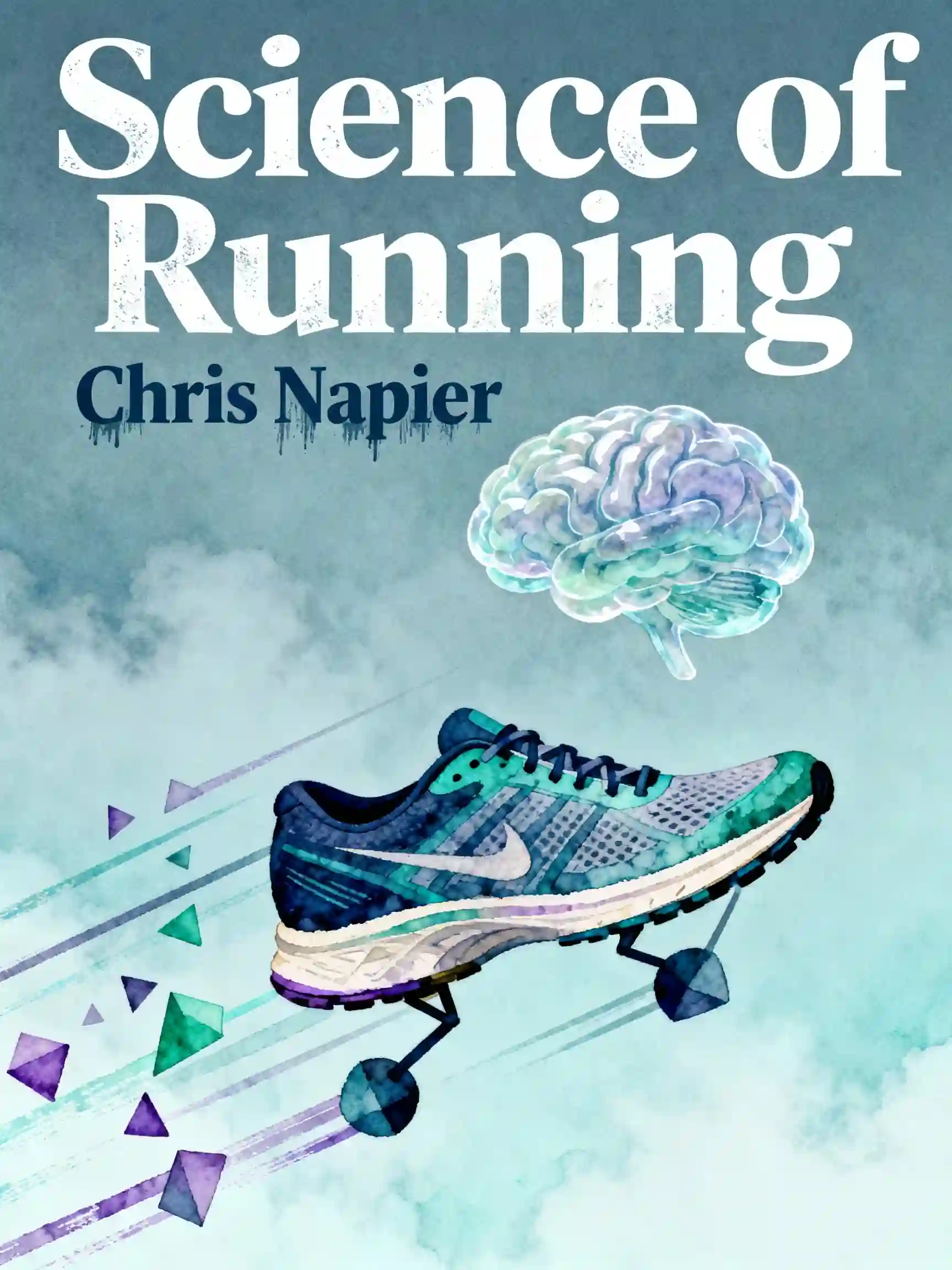
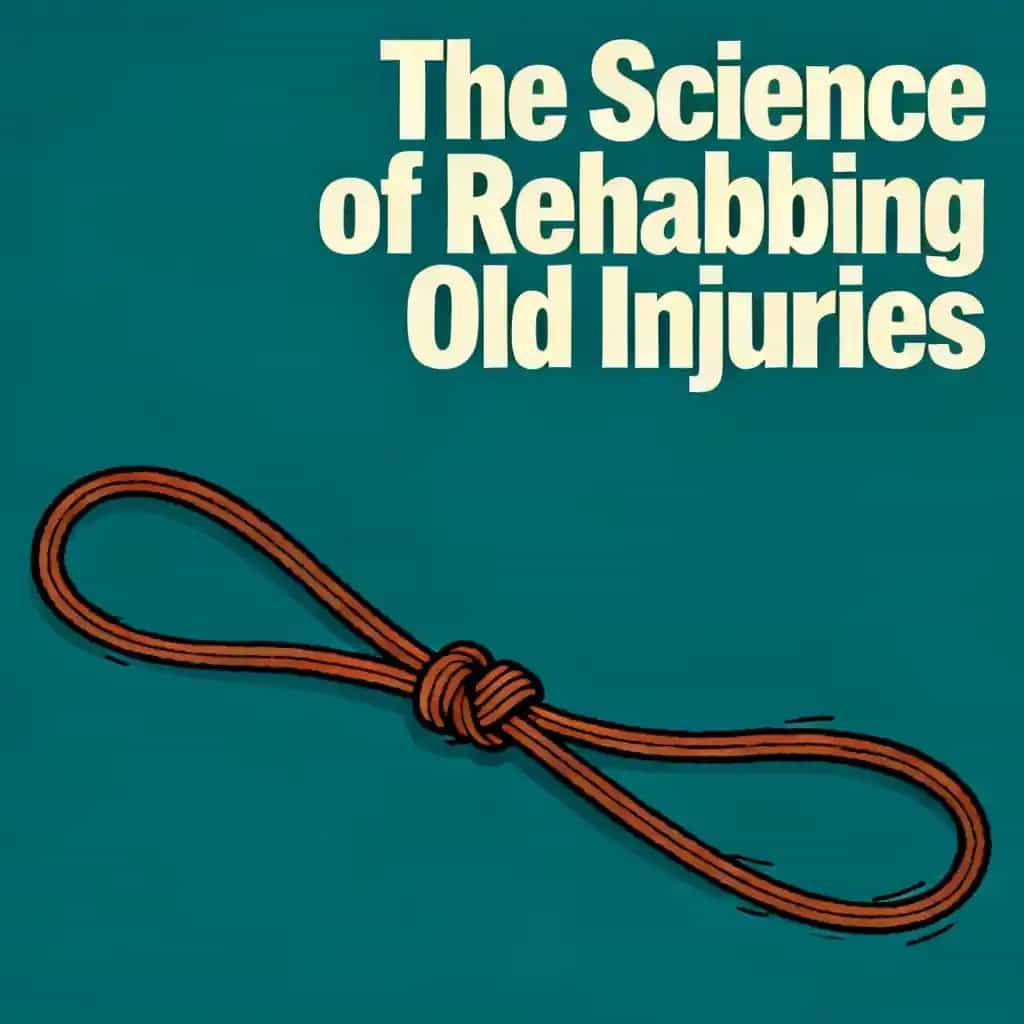
Discover what shin splints really are (not just something to 'push through') and learn effective recovery strategies to heal properly and prevent stress fractures from developing.
Bestes Zitat aus Shin Splints: From Pain to Recovery
“
Continuing to train through shin splint pain is like ignoring a check engine light in your car. You might get away with it for a while, but eventually, something's going to break.
”
W
Generated by Wal
Eingabefrage
what are shin splints and how to recover from them
Moderatorstimmen
Lena
Miles
Wissensquellen
Von Columbia University Alumni | in San Francisco entwickelt
BeFreed vereint eine globale Gemeinschaft wissbegieriger Menschen
4.7
Durchschnittsbewertung
7.840+ App-Bewertungen
BeFreed-Community
Ehrlich, ich habe die App noch gar nicht komplett erkundet, aber nach den letzten Tagen bin ich schwer beeindruckt… BeFreed spielt in einer ganz anderen Liga als alle anderen Lern-Apps, die ich benutzt habe. Es ist unglaublich fesselnd und verbessert tatsächlich die Konzentration — perfekt für alle Doomscroller!
@ladyInfinity
Ich habe BeFreed vor genau 23 Tagen gekauft und es seitdem jeden einzelnen Tag benutzt. Es ist fest in meinen Arbeitsalltag und meine Lernroutine eingebettet.
@jayallen
Die App hat ehrlich gesagt alle meine Erwartungen übertroffen. Ich kann sie zu jedem beliebigen Thema Audio erstellen lassen, und das Ergebnis ist beeindruckend. Mein Fachgebiet ist eine Spezialisierung in Psychotherapie, sehr interdisziplinär — trotzdem sind die Antworten sehr präzise.
@Raguipa
Am meisten schätze ich, wie sehr es mein Scrollen reduziert hat – ich verbringe weniger Zeit mit Suchen und mehr Zeit damit, Wissen aufzunehmen. Die Kombination aus kompletten Hörbüchern, Podcasts und den Lernplänen ist brillant.
@colonyofcreatorsNGO
Ich bin seit 24 Jahren PhotoReading-Trainer für beschleunigtes Lernen… Bücher, Lesen und Lernen sind mein Ding, und BeFreed liefert einen innovativen Ansatz, Wissen leicht konsumierbar aufzubereiten und zu vermitteln — wirklich gut gemacht.
@BeFreed user
Es ist nicht nur eine Buchzusammenfassungs-App: Ich habe die Option „Fun Reading“ ausprobiert — eine viel bessere Zusammenfassung und ein besserer Weg, Ideen zu erfassen als auf die klassische Art. Allein das ist den Preis wert.
@austinakon
Ich liebe diese App. Ich benutze sie seit ein paar Tagen und kann nicht aufhören zuzuhören. Ein großartiger Einstieg.
@jcrules328
Ich mag das Programm wirklich sehr; ich teste es jetzt seit etwa einem Monat und finde, es ist ein echtes Juwel. Es funktioniert so gut, weil ich mit BeFreed meine eigenen Themen erstellen kann, und die Stimme ist großartig — mit unbegrenzter Auswahl an Erzählstimmen.
@DanielCZ
Ehrlich, ich habe die App noch gar nicht komplett erkundet, aber nach den letzten Tagen bin ich schwer beeindruckt… BeFreed spielt in einer ganz anderen Liga als alle anderen Lern-Apps, die ich benutzt habe. Es ist unglaublich fesselnd und verbessert tatsächlich die Konzentration — perfekt für alle Doomscroller!
@ladyInfinity
Ich habe BeFreed vor genau 23 Tagen gekauft und es seitdem jeden einzelnen Tag benutzt. Es ist fest in meinen Arbeitsalltag und meine Lernroutine eingebettet.
@jayallen
Die App hat ehrlich gesagt alle meine Erwartungen übertroffen. Ich kann sie zu jedem beliebigen Thema Audio erstellen lassen, und das Ergebnis ist beeindruckend. Mein Fachgebiet ist eine Spezialisierung in Psychotherapie, sehr interdisziplinär — trotzdem sind die Antworten sehr präzise.
@Raguipa
Am meisten schätze ich, wie sehr es mein Scrollen reduziert hat – ich verbringe weniger Zeit mit Suchen und mehr Zeit damit, Wissen aufzunehmen. Die Kombination aus kompletten Hörbüchern, Podcasts und den Lernplänen ist brillant.
@colonyofcreatorsNGO
Ich bin seit 24 Jahren PhotoReading-Trainer für beschleunigtes Lernen… Bücher, Lesen und Lernen sind mein Ding, und BeFreed liefert einen innovativen Ansatz, Wissen leicht konsumierbar aufzubereiten und zu vermitteln — wirklich gut gemacht.
@BeFreed user
Es ist nicht nur eine Buchzusammenfassungs-App: Ich habe die Option „Fun Reading“ ausprobiert — eine viel bessere Zusammenfassung und ein besserer Weg, Ideen zu erfassen als auf die klassische Art. Allein das ist den Preis wert.
@austinakon
Ich liebe diese App. Ich benutze sie seit ein paar Tagen und kann nicht aufhören zuzuhören. Ein großartiger Einstieg.
@jcrules328
Ich mag das Programm wirklich sehr; ich teste es jetzt seit etwa einem Monat und finde, es ist ein echtes Juwel. Es funktioniert so gut, weil ich mit BeFreed meine eigenen Themen erstellen kann, und die Stimme ist großartig — mit unbegrenzter Auswahl an Erzählstimmen.
@DanielCZ
Ich liebe es, nützliche, verdichtete Informationen und Ideen in einem 8–15-minütigen Audio im Podcast-Stil zu bekommen. Ich bin eigentlich kein Podcast-Fan, weil da so viel Füllmaterial dabei ist — aber hier fällt das alles weg.
@BeFreed user
Ich bin gerade dabei, meine Doktorarbeit abzuschließen, und muss viel unbekanntes Material lesen… Bei BeFreed gibst du einfach einen Prompt ein, die App findet Quellenmaterial für dich und erstellt einen Audio-Podcast. Ich finde den Ablauf in BeFreed schlanker als bei NotebookLM.
@Brad
Ich suche oft auf YouTube nach etwas zum Anhören — beim Frühstückmachen, Spazierengehen oder Pendeln — und BeFreed bietet einen noch gezielteren Ansatz, ohne Werbung und ohne Füllmaterial!
@BeFreed user
Das absolut Beste an dieser Plattform ist ihre Vielseitigkeit. Es gibt buchstäblich kein Thema, das nicht geht. Sie meistert alles, was man ihr gibt… Es ist selten, ein Lerntool ohne Einschränkungen zu finden, das seine Versprechen wirklich hält.
@jayallen
BeFreed ist fantastisch. Das benutzerfreundliche Design bedeutet, dass ich weniger Zeit mit Navigieren und mehr Zeit mit Lernen verbringe. Die Mischung aus Hörbüchern, Podcasts und Lernplänen ist eine geniale Kombination, die meinen Alltag komplett verändert hat.
@BeFreed user
Am Anfang habe ich eine Weile gebraucht, um zu verstehen, wie man Podcasts auf Italienisch erstellt — und dann: boom! Es ist so großartig! Ich kann mir jedes Thema erklären lassen, und das macht es richtig gut und richtig clever!
@matteo77
BeFreed ist meine tägliche App für Hörbücher geworden… Am besten gefällt mir, dass man seinen Text einfügt und ein Audio bekommt, das man unterwegs anhören kann.
@kotanzu1
Ich liebe es, nützliche, verdichtete Informationen und Ideen in einem 8–15-minütigen Audio im Podcast-Stil zu bekommen. Ich bin eigentlich kein Podcast-Fan, weil da so viel Füllmaterial dabei ist — aber hier fällt das alles weg.
@BeFreed user
Ich bin gerade dabei, meine Doktorarbeit abzuschließen, und muss viel unbekanntes Material lesen… Bei BeFreed gibst du einfach einen Prompt ein, die App findet Quellenmaterial für dich und erstellt einen Audio-Podcast. Ich finde den Ablauf in BeFreed schlanker als bei NotebookLM.
@Brad
Ich suche oft auf YouTube nach etwas zum Anhören — beim Frühstückmachen, Spazierengehen oder Pendeln — und BeFreed bietet einen noch gezielteren Ansatz, ohne Werbung und ohne Füllmaterial!
@BeFreed user
Das absolut Beste an dieser Plattform ist ihre Vielseitigkeit. Es gibt buchstäblich kein Thema, das nicht geht. Sie meistert alles, was man ihr gibt… Es ist selten, ein Lerntool ohne Einschränkungen zu finden, das seine Versprechen wirklich hält.
@jayallen
BeFreed ist fantastisch. Das benutzerfreundliche Design bedeutet, dass ich weniger Zeit mit Navigieren und mehr Zeit mit Lernen verbringe. Die Mischung aus Hörbüchern, Podcasts und Lernplänen ist eine geniale Kombination, die meinen Alltag komplett verändert hat.
@BeFreed user
Am Anfang habe ich eine Weile gebraucht, um zu verstehen, wie man Podcasts auf Italienisch erstellt — und dann: boom! Es ist so großartig! Ich kann mir jedes Thema erklären lassen, und das macht es richtig gut und richtig clever!
@matteo77
BeFreed ist meine tägliche App für Hörbücher geworden… Am besten gefällt mir, dass man seinen Text einfügt und ein Audio bekommt, das man unterwegs anhören kann.
Discover how neuroplasticity and the mind-body connection revolutionize injury recovery. Learn why old rehab methods fail and how modern science helps you break free from chronic pain cycles.
Discover game-changing pain management techniques from Olympic athletes and elite performers. Learn to reframe discomfort, use strategic attention, and build resilience for your next race or long run.
Explore a comprehensive approach to back pain relief through strategic supplementation, stretching techniques, and cutting-edge solutions from anti-inflammatories to peptides that address spinal compression at its root causes.
When shoulder pain plateaus, the scapula is often the hidden culprit. Learn to assess muscle imbalances and restore stability through a phased rehab plan.
Discover how elderly patients with broken pelvis and sciatica can walk again in weeks, not months, using proven rehabilitation protocols that prevent complications and restore mobility safely.
Expert physical therapy strategies to help a 55-year-old executive overcome chronic back pain and reclaim her active lifestyle through targeted movement and professional guidance.