Quantum computing is different than you think
Classical machines are hitting their limits. Learn how qubits and entanglement solve complex problems by shifting from binary logic to subatomic physics.

Bestes Zitat aus Quantum computing is different than you think
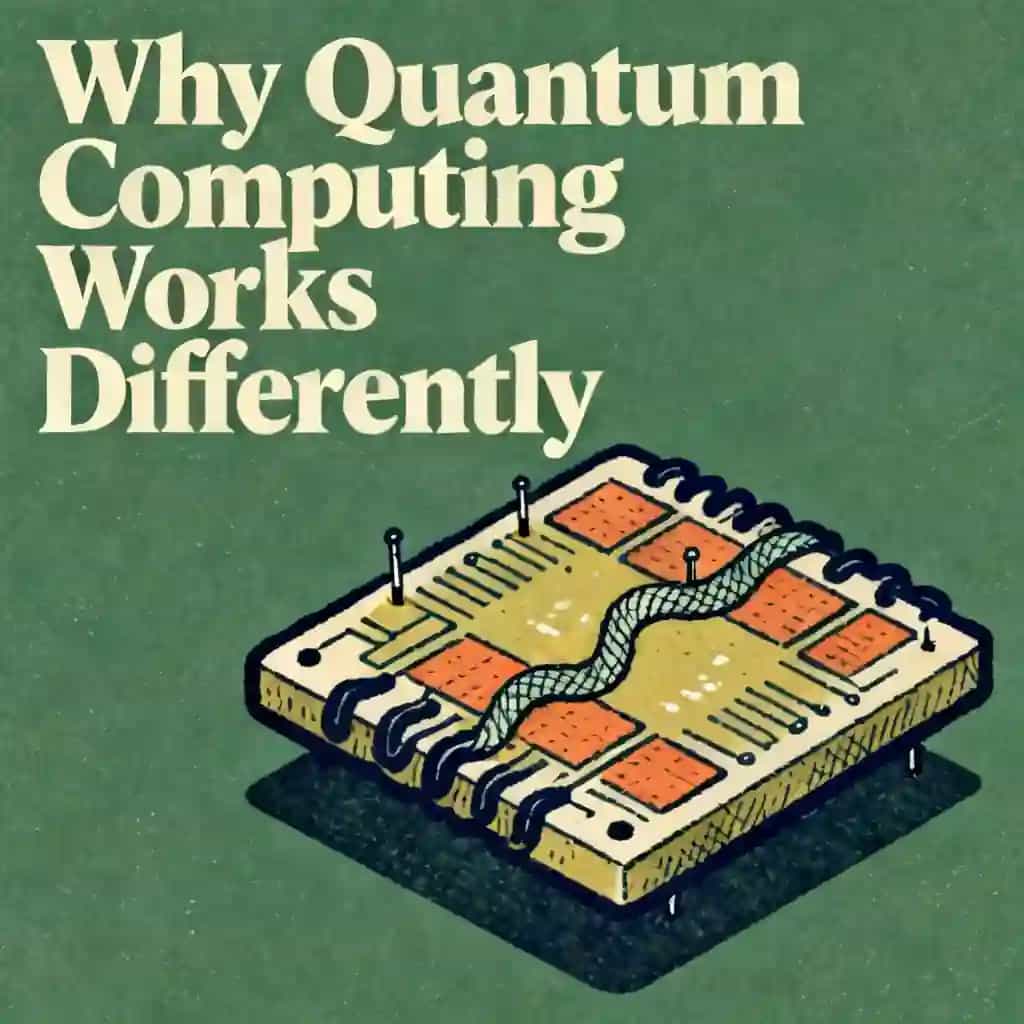
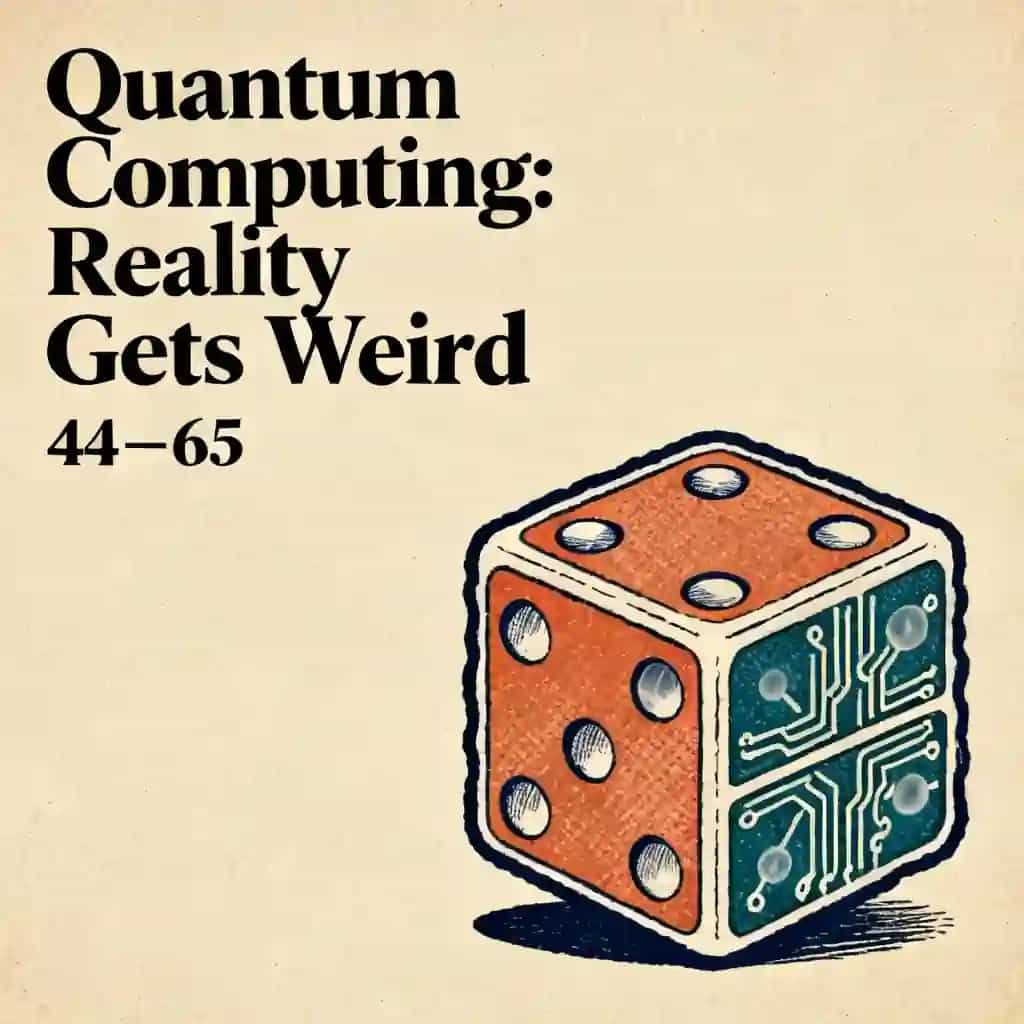
Quantum computing isn't just a faster classical machine; it’s a shift from binary switches to 'spinning coins' that exist as both heads and tails through superposition. We use interference to ensure that the paths leading to wrong answers cancel each other out, while the path leading to the correct answer is amplified.
Generated by Kevin
Explain quantum computing in a clear, intuitive way for a technical audience without heavy math. Cover qubits, superposition, entanglement, and interference; how quantum differs from classical computing; what problems it can realistically solve; current limitations (noise, error correction); and practical use cases. Use analogies where helpful but keep it grounded in real physics.


Häufig gestellte Fragen
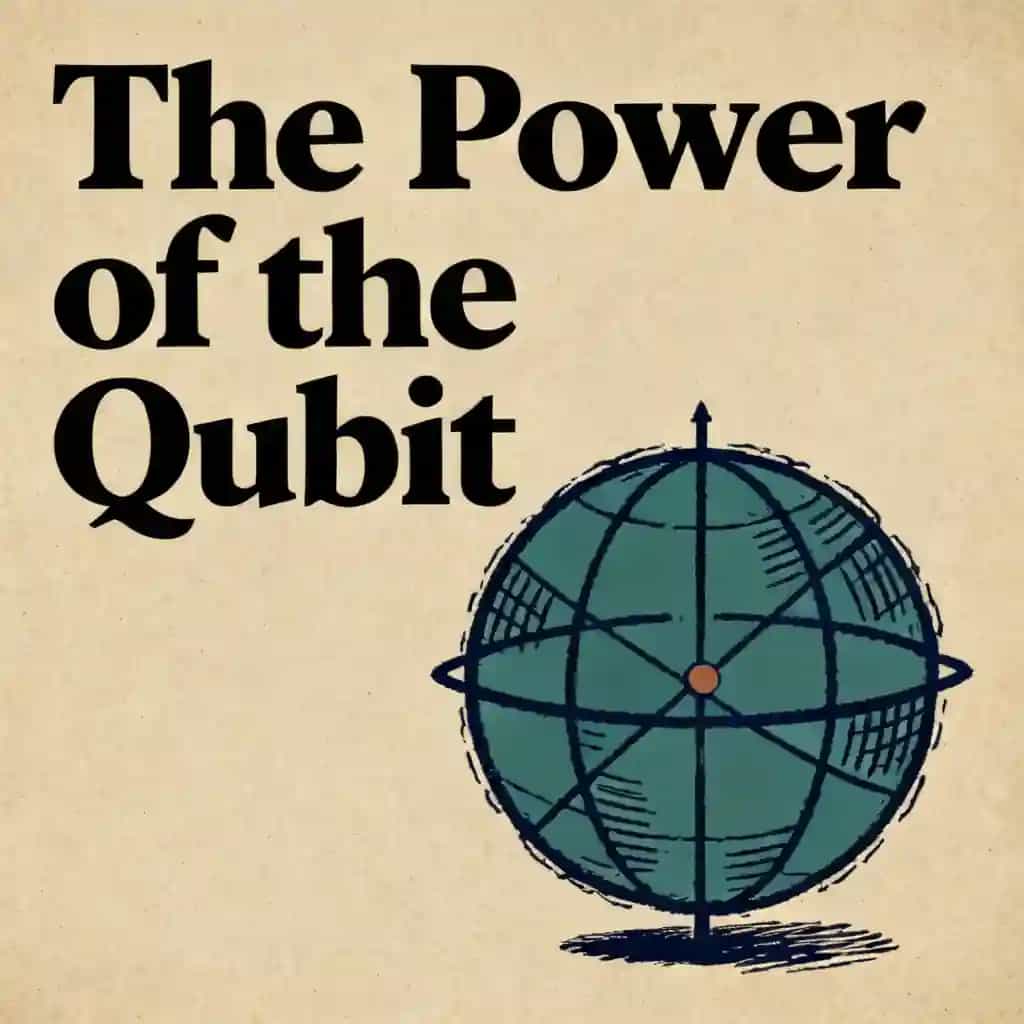
A physical qubit is the actual hardware component, such as a superconducting loop or a trapped ion, that performs quantum operations but is highly susceptible to environmental noise and errors. A logical qubit is a "virtual" qubit created by grouping many physical qubits together to perform error correction. Because physical qubits are fragile and have short coherence times, the industry uses logical qubits to ensure that calculations remain reliable and "fault-tolerant" even when individual physical components fail or drift.
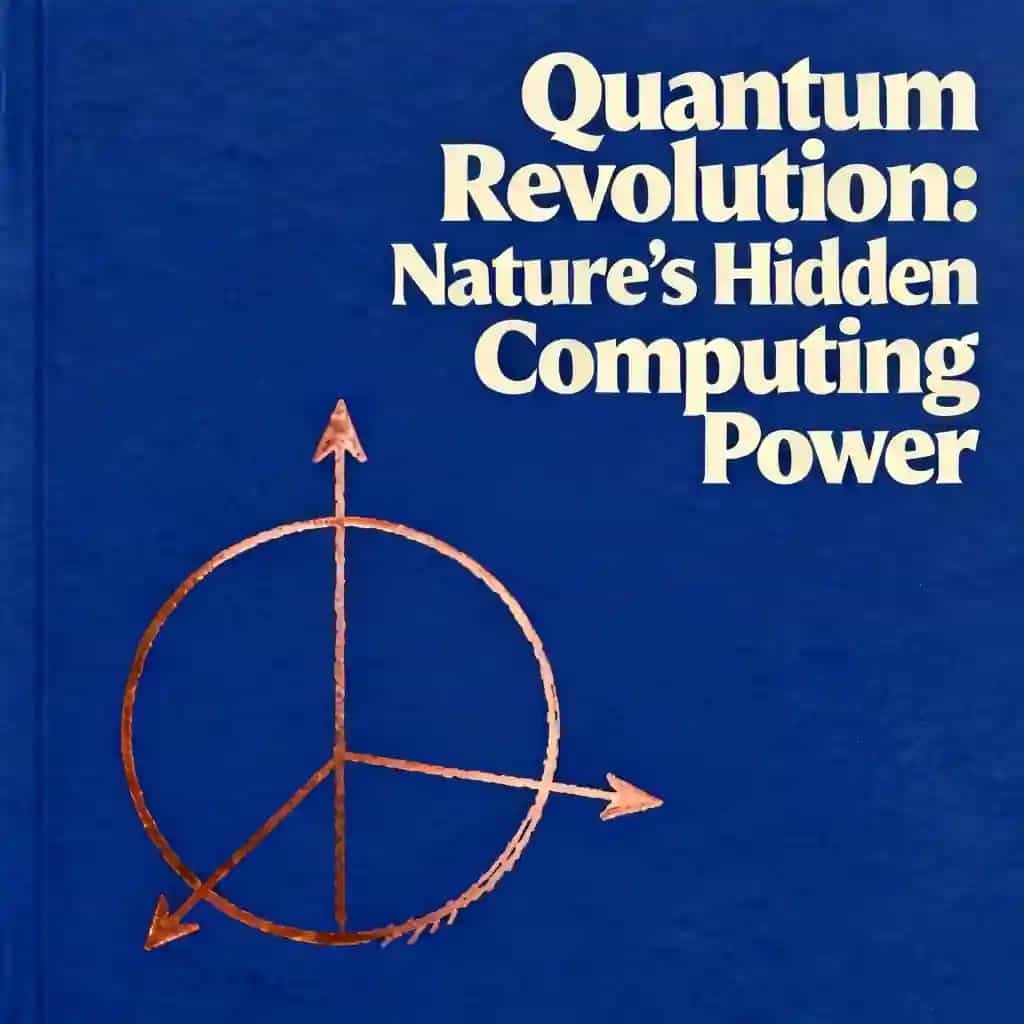
Quantum interference utilizes the wave-like nature of qubits to navigate complex problems. In a quantum algorithm, the system is designed so that the computational paths leading to incorrect answers undergo destructive interference, effectively canceling each other out. Simultaneously, the paths leading to the correct answer undergo constructive interference, which amplifies the probability of that result. This allows the computer to "dim" wrong folders and "brighten" the right one, rather than checking every possibility one by one like a classical machine.
This refers to a cybersecurity strategy where adversaries capture and store encrypted data today, even though they cannot currently crack it with classical computers. The goal is to hold onto this data until a sufficiently powerful, fault-tolerant quantum computer is developed that can run Shor’s Algorithm to break standard RSA and ECC encryption. This threat is the primary driver behind the global transition to "Post-Quantum Cryptography" (PQC), which uses algorithms designed to be resistant to quantum attacks.
NISQ stands for Noisy Intermediate-Scale Quantum. It describes the current stage of development where we have processors with a significant number of qubits (intermediate-scale), but those qubits are "noisy" and prone to errors caused by decoherence. During this era, researchers use a technique called Quantum Error Mitigation (QEM) to mathematically filter out noise from results, acting as a bridge until we can build fully fault-tolerant machines that use comprehensive error correction.
The most immediate impact is expected in Quantum Chemistry and Materials Science, specifically for simulating molecular interactions that are too complex for classical supercomputers, such as finding more efficient catalysts for fertilizer production. Other key areas include optimization problems in logistics and finance, such as portfolio risk modeling, and Quantum Machine Learning, which may identify patterns in medical imaging or genomic data by mapping information into high-dimensional spaces.
Von Columbia University Alumni in San Francisco entwickelt
"Instead of endless scrolling, I just hit play on BeFreed. It saves me so much time."


"I never knew where to start with nonfiction—BeFreed’s book lists turned into podcasts gave me a clear path."


"Perfect balance between learning and entertainment. Finished ‘Thinking, Fast and Slow’ on my commute this week."
"Crazy how much I learned while walking the dog. BeFreed = small habits → big gains."
"Reading used to feel like a chore. Now it’s just part of my lifestyle."

"Feels effortless compared to reading. I’ve finished 6 books this month already."
"BeFreed turned my guilty doomscrolling into something that feels productive and inspiring."

"BeFreed turned my commute into learning time. 20-min podcasts are perfect for finishing books I never had time for."
"BeFreed replaced my podcast queue. Imagine Spotify for books — that’s it. 🙌"

"It is great for me to learn something from the book without reading it."
"The themed book list podcasts help me connect ideas across authors—like a guided audio journey."
"Makes me feel smarter every time before going to work"
Von Columbia University Alumni in San Francisco entwickelt
"Instead of endless scrolling, I just hit play on BeFreed. It saves me so much time."
"I never knew where to start with nonfiction—BeFreed’s book lists turned into podcasts gave me a clear path."
"Perfect balance between learning and entertainment. Finished ‘Thinking, Fast and Slow’ on my commute this week."
"Crazy how much I learned while walking the dog. BeFreed = small habits → big gains."
"Reading used to feel like a chore. Now it’s just part of my lifestyle."
"Feels effortless compared to reading. I’ve finished 6 books this month already."
"BeFreed turned my guilty doomscrolling into something that feels productive and inspiring."
"BeFreed turned my commute into learning time. 20-min podcasts are perfect for finishing books I never had time for."
"BeFreed replaced my podcast queue. Imagine Spotify for books — that’s it. 🙌"
"It is great for me to learn something from the book without reading it."
"The themed book list podcasts help me connect ideas across authors—like a guided audio journey."
"Makes me feel smarter every time before going to work"
"Instead of endless scrolling, I just hit play on BeFreed. It saves me so much time."
"I never knew where to start with nonfiction—BeFreed’s book lists turned into podcasts gave me a clear path."
"Perfect balance between learning and entertainment. Finished ‘Thinking, Fast and Slow’ on my commute this week."
"Crazy how much I learned while walking the dog. BeFreed = small habits → big gains."
"Reading used to feel like a chore. Now it’s just part of my lifestyle."
"Feels effortless compared to reading. I’ve finished 6 books this month already."
"BeFreed turned my guilty doomscrolling into something that feels productive and inspiring."
"BeFreed turned my commute into learning time. 20-min podcasts are perfect for finishing books I never had time for."
"BeFreed replaced my podcast queue. Imagine Spotify for books — that’s it. 🙌"
"It is great for me to learn something from the book without reading it."
"The themed book list podcasts help me connect ideas across authors—like a guided audio journey."
"Makes me feel smarter every time before going to work"
"Instead of endless scrolling, I just hit play on BeFreed. It saves me so much time."
"I never knew where to start with nonfiction—BeFreed’s book lists turned into podcasts gave me a clear path."
"Perfect balance between learning and entertainment. Finished ‘Thinking, Fast and Slow’ on my commute this week."
"Crazy how much I learned while walking the dog. BeFreed = small habits → big gains."
"Reading used to feel like a chore. Now it’s just part of my lifestyle."
"Feels effortless compared to reading. I’ve finished 6 books this month already."
"BeFreed turned my guilty doomscrolling into something that feels productive and inspiring."
"BeFreed turned my commute into learning time. 20-min podcasts are perfect for finishing books I never had time for."
"BeFreed replaced my podcast queue. Imagine Spotify for books — that’s it. 🙌"
"It is great for me to learn something from the book without reading it."
"The themed book list podcasts help me connect ideas across authors—like a guided audio journey."
"Makes me feel smarter every time before going to work"