Escaping the Black Widow Method: My Journey and Dealing with Threats
Learn how to identify the Black Widow Method and navigate the healing journey after escaping toxic relationship timelines, manipulation, and safety threats.

Bestes Zitat aus Escaping the Black Widow Method: My Journey and Dealing with Threats
Their escalation is proof of your liberation. Every 'crying video,' every brandished weapon, is a confession that they have lost their grip on you.
Generated by Freedee_C80FE9AB
Since I learned the black widow method of a woman trying to basically want my timeline I’m no longer playing her game and now I’m sharing my journey and she posted a video of her crying and the guy in background showing his gun he usto threaten me with it but idk what’s it means im confused and they are confused cause I figured their game out they thought they got ride of me

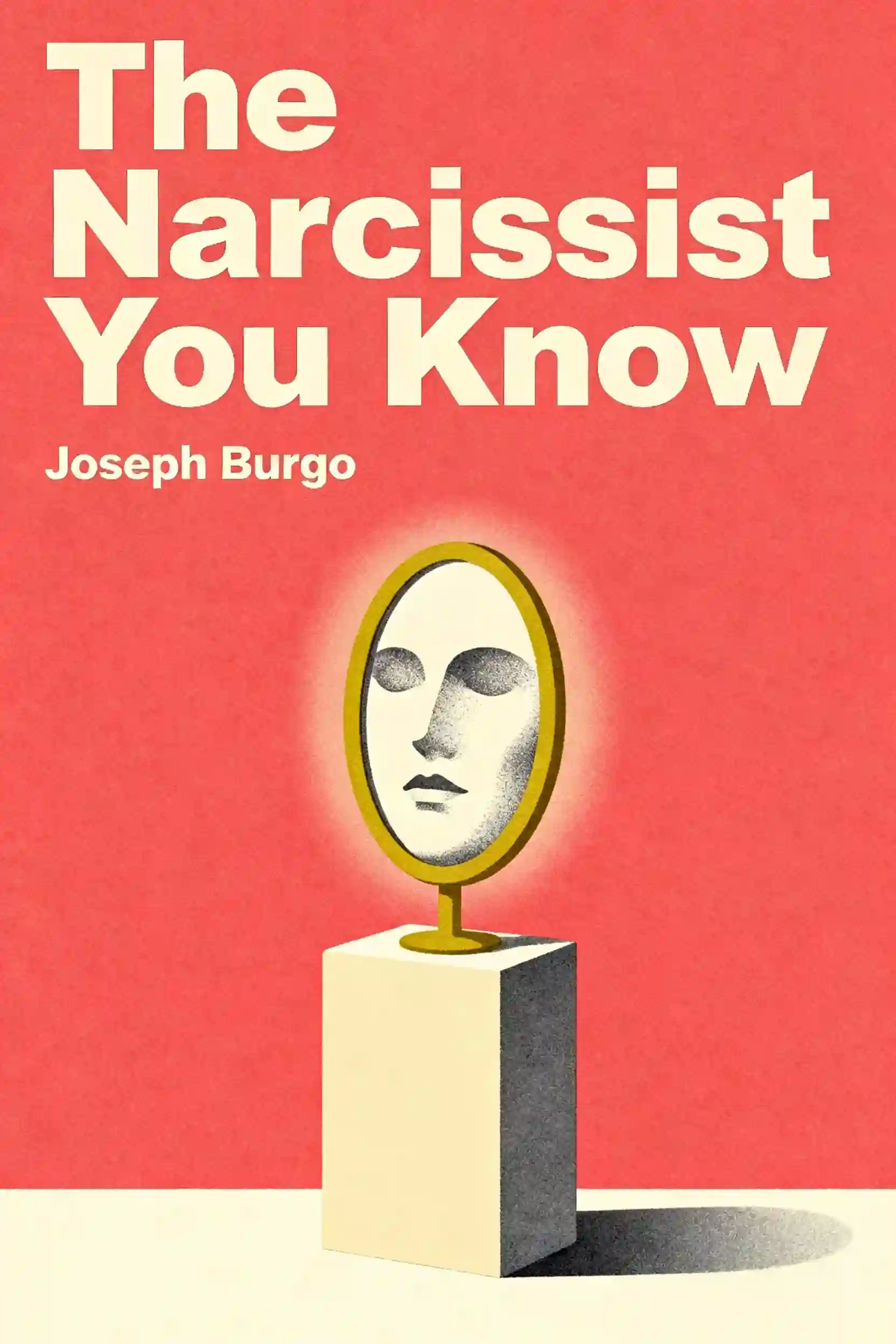
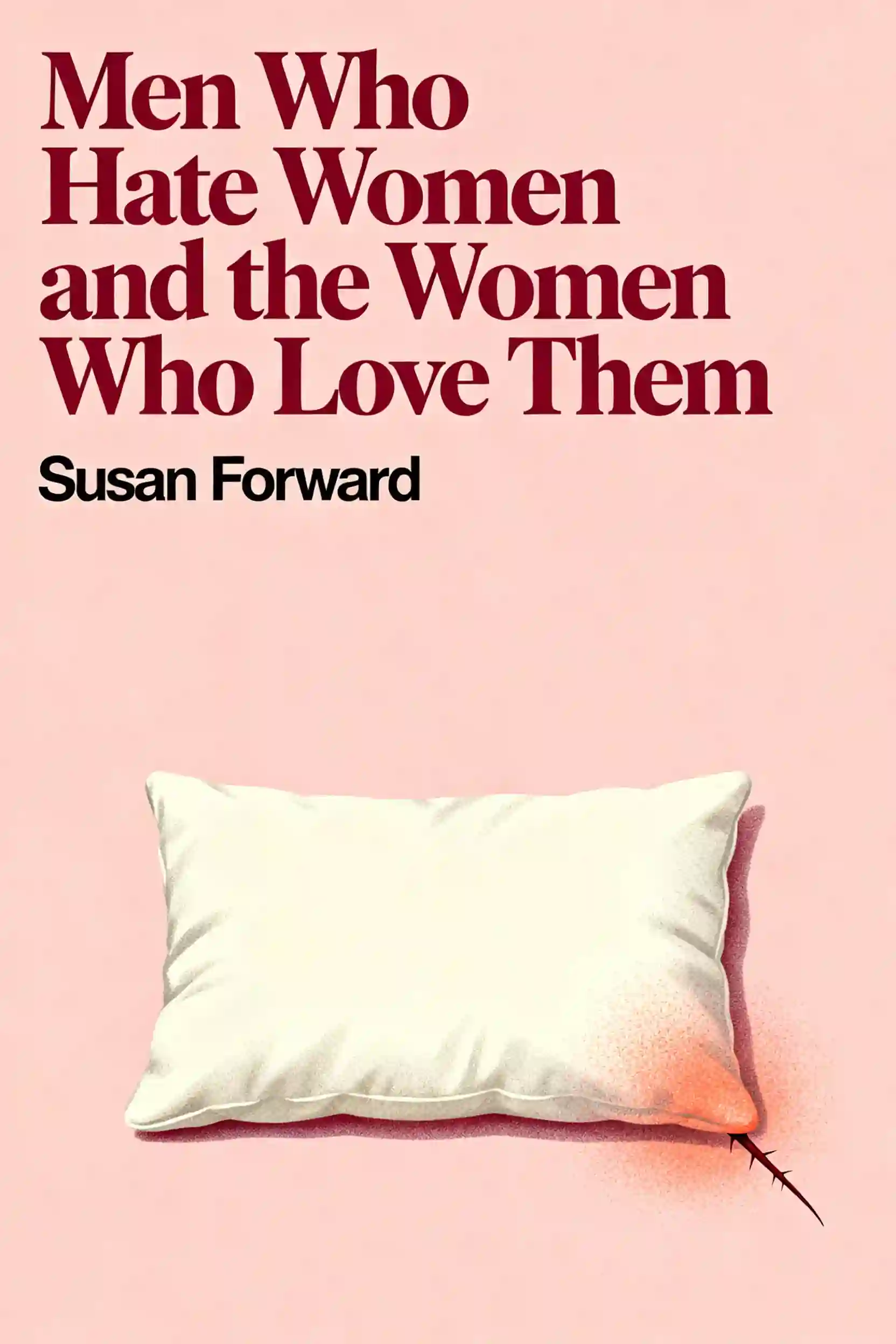
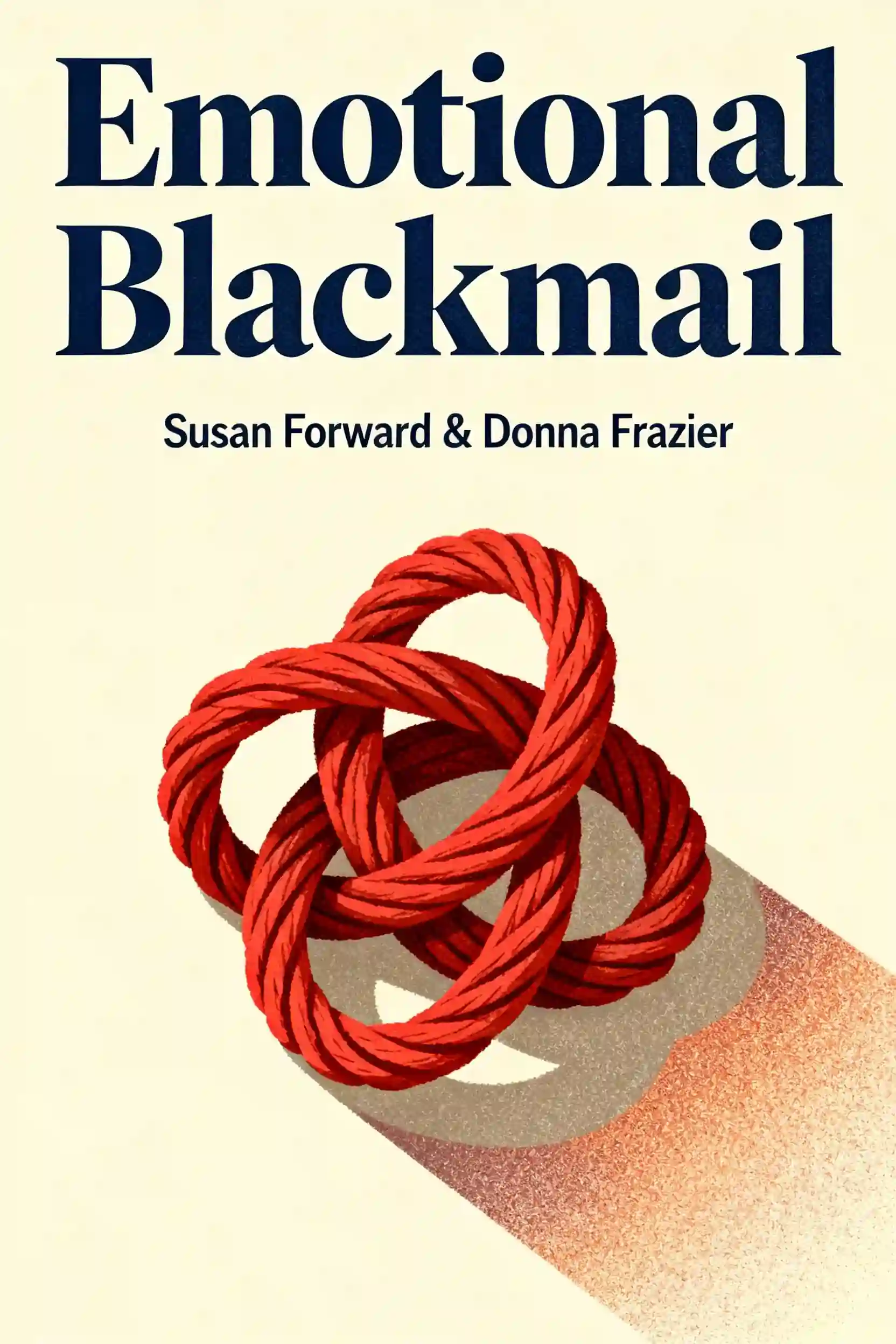
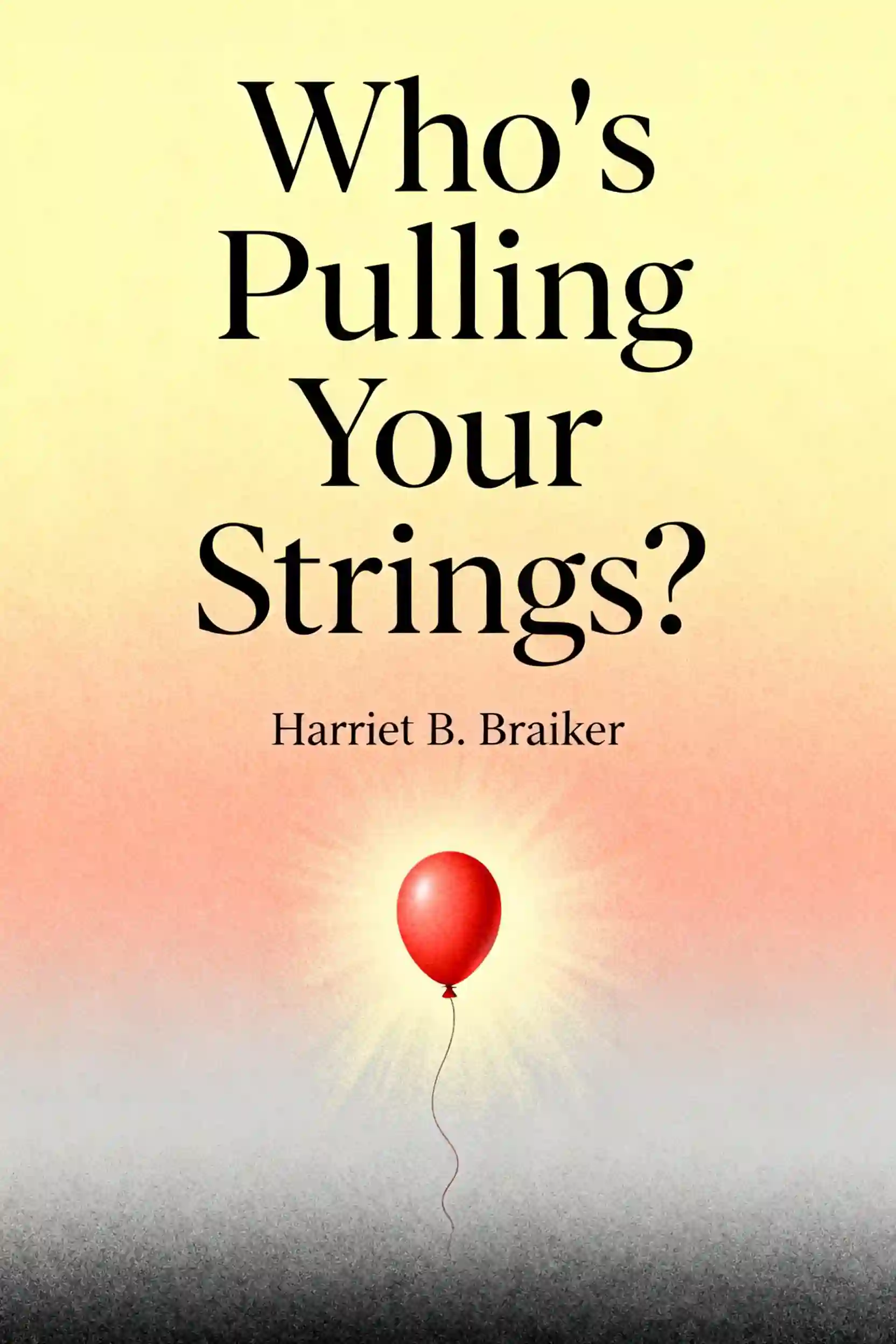
Häufig gestellte Fragen
The Black Widow Method refers to a manipulative tactic where a partner attempts to take over your timeline and control your life for their own gain. This form of narcissistic game involves identifying your vulnerabilities to weave a web of dependency. Recognizing this pattern is the first step in reclaiming your autonomy and ending the cycle of manipulation that often characterizes these high-conflict or toxic dynamics.
Identifying manipulation starts with noticing when a partner tries to dictate your schedule, isolate you, or use emotional outbursts to keep you confused. In many cases, when you stop playing their games, the manipulator may resort to public displays of distress or subtle threats to regain control. Understanding these narcissistic games allows you to see through the confusion and focus on your own safety and mental well-being.
Facing relationship threats, such as the display of weapons or intimidation tactics, is a serious matter that requires prioritizing domestic safety. When a toxic partner realizes they can no longer control your timeline, they may escalate their behavior to cause fear. It is essential to document these incidents, seek support from safety professionals, and maintain distance from the individuals involved while you continue your healing journey.
The healing journey involves processing the confusion caused by manipulation and reclaiming your personal narrative. By sharing your story and recognizing the tactics used against you, such as the Black Widow Method, you strip the manipulator of their power. Focus on establishing firm boundaries, seeking professional guidance for domestic safety, and surrounding yourself with a supportive community that understands the complexities of escaping narcissistic abuse.
Von Columbia University Alumni in San Francisco entwickelt
"Instead of endless scrolling, I just hit play on BeFreed. It saves me so much time."


"I never knew where to start with nonfiction—BeFreed’s book lists turned into podcasts gave me a clear path."


"Perfect balance between learning and entertainment. Finished ‘Thinking, Fast and Slow’ on my commute this week."
"Crazy how much I learned while walking the dog. BeFreed = small habits → big gains."
"Reading used to feel like a chore. Now it’s just part of my lifestyle."

"Feels effortless compared to reading. I’ve finished 6 books this month already."
"BeFreed turned my guilty doomscrolling into something that feels productive and inspiring."

"BeFreed turned my commute into learning time. 20-min podcasts are perfect for finishing books I never had time for."
"BeFreed replaced my podcast queue. Imagine Spotify for books — that’s it. 🙌"

"It is great for me to learn something from the book without reading it."
"The themed book list podcasts help me connect ideas across authors—like a guided audio journey."
"Makes me feel smarter every time before going to work"
Von Columbia University Alumni in San Francisco entwickelt
"Instead of endless scrolling, I just hit play on BeFreed. It saves me so much time."
"I never knew where to start with nonfiction—BeFreed’s book lists turned into podcasts gave me a clear path."
"Perfect balance between learning and entertainment. Finished ‘Thinking, Fast and Slow’ on my commute this week."
"Crazy how much I learned while walking the dog. BeFreed = small habits → big gains."
"Reading used to feel like a chore. Now it’s just part of my lifestyle."
"Feels effortless compared to reading. I’ve finished 6 books this month already."
"BeFreed turned my guilty doomscrolling into something that feels productive and inspiring."
"BeFreed turned my commute into learning time. 20-min podcasts are perfect for finishing books I never had time for."
"BeFreed replaced my podcast queue. Imagine Spotify for books — that’s it. 🙌"
"It is great for me to learn something from the book without reading it."
"The themed book list podcasts help me connect ideas across authors—like a guided audio journey."
"Makes me feel smarter every time before going to work"
"Instead of endless scrolling, I just hit play on BeFreed. It saves me so much time."
"I never knew where to start with nonfiction—BeFreed’s book lists turned into podcasts gave me a clear path."
"Perfect balance between learning and entertainment. Finished ‘Thinking, Fast and Slow’ on my commute this week."
"Crazy how much I learned while walking the dog. BeFreed = small habits → big gains."
"Reading used to feel like a chore. Now it’s just part of my lifestyle."
"Feels effortless compared to reading. I’ve finished 6 books this month already."
"BeFreed turned my guilty doomscrolling into something that feels productive and inspiring."
"BeFreed turned my commute into learning time. 20-min podcasts are perfect for finishing books I never had time for."
"BeFreed replaced my podcast queue. Imagine Spotify for books — that’s it. 🙌"
"It is great for me to learn something from the book without reading it."
"The themed book list podcasts help me connect ideas across authors—like a guided audio journey."
"Makes me feel smarter every time before going to work"
"Instead of endless scrolling, I just hit play on BeFreed. It saves me so much time."
"I never knew where to start with nonfiction—BeFreed’s book lists turned into podcasts gave me a clear path."
"Perfect balance between learning and entertainment. Finished ‘Thinking, Fast and Slow’ on my commute this week."
"Crazy how much I learned while walking the dog. BeFreed = small habits → big gains."
"Reading used to feel like a chore. Now it’s just part of my lifestyle."
"Feels effortless compared to reading. I’ve finished 6 books this month already."
"BeFreed turned my guilty doomscrolling into something that feels productive and inspiring."
"BeFreed turned my commute into learning time. 20-min podcasts are perfect for finishing books I never had time for."
"BeFreed replaced my podcast queue. Imagine Spotify for books — that’s it. 🙌"
"It is great for me to learn something from the book without reading it."
"The themed book list podcasts help me connect ideas across authors—like a guided audio journey."
"Makes me feel smarter every time before going to work"