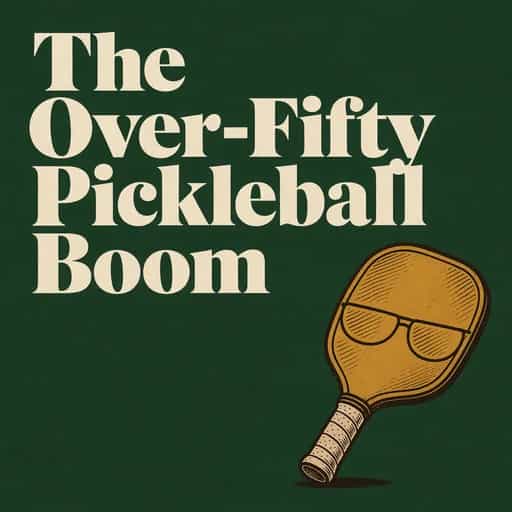
The serve in pickleball isn’t a weapon of destruction like it is in tennis—it’s a controlled, underhand initiation of a conversation.
A guide to the basic rules of pickleball, covering court layout, scoring, and the double-bounce rule.

The double-bounce rule is a fundamental requirement in pickleball where the return of a serve must bounce before it can be touched. This rule serves as the heartbeat of the game, specifically designed to prevent players from charging the net immediately to end points with raw power. By requiring these initial bounces, the game shifts from a contest of strength to a tactical match that rewards patience and strategic placement.
The kitchen is the common name for the seven-foot non-volley zone located near the net. Mastering the boundaries of this zone is a primary barrier to entry for beginners, as it dictates where players can and cannot hit volleys. In pickleball strategy, a soft and well-aimed shot into the kitchen often proves more effective than a full-power smash, emphasizing the sport's focus on precision over strength.
A pickleball court is a compact area measuring 20 by 44 feet, which is approximately one-third the size of a standard tennis court. These dimensions remain consistent regardless of whether you are playing singles or doubles. This rare consistency in sports dimensions helps players develop reliable spatial awareness, making it easier to navigate the court once you understand the specific rules of the kitchen and the double-bounce requirement.
Unlike many racket sports that favor raw power, pickleball strategy prioritizes placement and patience. The rules are specifically structured to prevent players with the fastest feet or biggest serves from dominating through speed alone. By utilizing the non-volley zone and adhering to the double-bounce rule, the game encourages a rhythm of mandatory bounces that rewards tactical play over simple strength, helping beginners bypass common frustrations.
Von Columbia University Alumni in San Francisco entwickelt
"Instead of endless scrolling, I just hit play on BeFreed. It saves me so much time."
"I never knew where to start with nonfiction—BeFreed’s book lists turned into podcasts gave me a clear path."
"Perfect balance between learning and entertainment. Finished ‘Thinking, Fast and Slow’ on my commute this week."
"Crazy how much I learned while walking the dog. BeFreed = small habits → big gains."
"Reading used to feel like a chore. Now it’s just part of my lifestyle."
"Feels effortless compared to reading. I’ve finished 6 books this month already."
"BeFreed turned my guilty doomscrolling into something that feels productive and inspiring."
"BeFreed turned my commute into learning time. 20-min podcasts are perfect for finishing books I never had time for."
"BeFreed replaced my podcast queue. Imagine Spotify for books — that’s it. 🙌"
"It is great for me to learn something from the book without reading it."
"The themed book list podcasts help me connect ideas across authors—like a guided audio journey."
"Makes me feel smarter every time before going to work"
Von Columbia University Alumni in San Francisco entwickelt