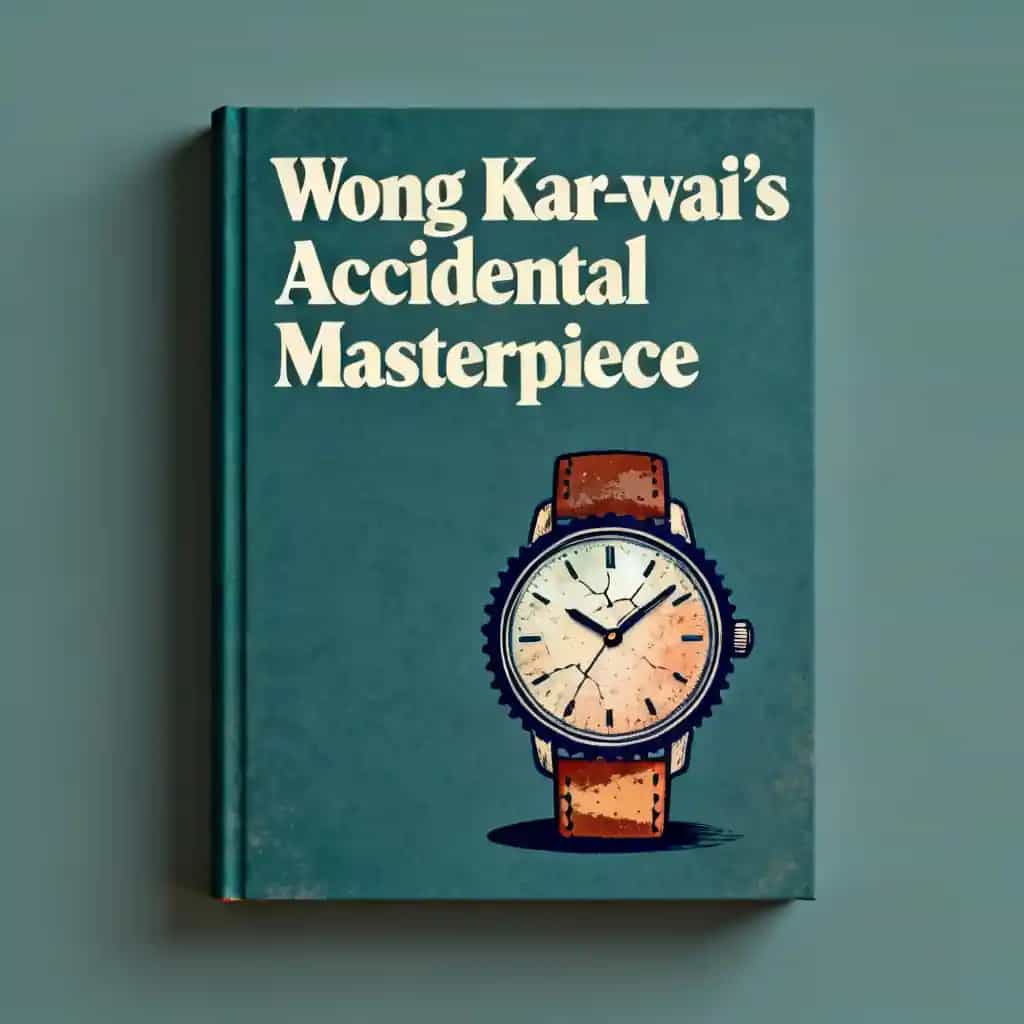
Park Chan-wook's 20-Year Vision
Explore how 'No Other Choice' evolved from an American novel to a Korean masterpiece, as Park Chan-wook persisted through two decades, abandoned English-language plans, and returned to Korea to realize his uncompromised vision.

Bestes Zitat aus Park Chan-wook's 20-Year Vision
The humor doesn't provide relief from the darkness—it deepens it. We're complicit in finding entertainment in the descent, just like the capitalist system finds ways to make profit from human suffering.

Diese Audiolektion wurde von einem BeFreed-Community-Mitglied erstellt
Tell me about the process that went into making the Korean film No Other Choice

Mehr entdecken
Movie storytelling
This plan bridges the gap between creative writing and technical filmmaking for aspiring directors and screenwriters. It provides a comprehensive roadmap for anyone looking to master the art of visual narrative and professional industry standards.
The Language of the Waves
This plan is essential for writers looking to deepen character psychology through environmental symbolism and authentic dialogue. It is ideal for novelists and screenwriters who want to master the delicate balance between a character's past trauma and their eventual emotional evolution.

learning novel writing and storytelling
This plan provides a comprehensive roadmap for aspiring authors to move from initial concept to a published career. It is ideal for creative writers who want to bridge the gap between amateur storytelling and professional-grade craft.

Analyze Colorless Tsukuru
This learning plan offers a comprehensive framework for engaging with one of Haruki Murakami's most psychologically complex novels. It's ideal for literature students, book club members, and readers seeking to move beyond surface-level understanding to appreciate the novel's layered symbolism, psychological depth, and place within both Japanese and global literary contexts.

Compare and explore 8 short novels.
This plan is essential for readers looking to move beyond surface-level plots and engage with literature at a professional analytical level. It is ideal for students, aspiring writers, and bibliophiles who want to master the art of the short novel while exploring existential and psychological themes.

I want to be film maker
This learning plan is essential for aspiring creators who want to transition from spectators to storytellers. It provides a comprehensive roadmap for anyone looking to master both the artistic craft and the practical business of independent filmmaking.

The most important works of literature
This learning plan provides a comprehensive journey through the essential works that shaped Western literature, offering both historical context and deep textual analysis. It's ideal for serious readers seeking cultural literacy, students preparing for advanced literary study, educators building curriculum knowledge, or anyone wanting to understand the books that continue to influence modern storytelling and thought. By progressing chronologically through literary history, learners gain both breadth of knowledge and the critical tools to engage meaningfully with humanity's most celebrated narratives.

The Evolution of Romantic Escapism
This learning plan is essential for aspiring writers and literary enthusiasts who want to understand the psychological and historical drivers of the romance genre. It offers a comprehensive journey from classic foundations to the high-stakes worlds of modern subgenres, making it perfect for anyone looking to master the art of romantic storytelling.
Von Columbia University Alumni in San Francisco entwickelt
"Instead of endless scrolling, I just hit play on BeFreed. It saves me so much time."


"I never knew where to start with nonfiction—BeFreed’s book lists turned into podcasts gave me a clear path."


"Perfect balance between learning and entertainment. Finished ‘Thinking, Fast and Slow’ on my commute this week."
"Crazy how much I learned while walking the dog. BeFreed = small habits → big gains."
"Reading used to feel like a chore. Now it’s just part of my lifestyle."

"Feels effortless compared to reading. I’ve finished 6 books this month already."
"BeFreed turned my guilty doomscrolling into something that feels productive and inspiring."

"BeFreed turned my commute into learning time. 20-min podcasts are perfect for finishing books I never had time for."
"BeFreed replaced my podcast queue. Imagine Spotify for books — that’s it. 🙌"

"It is great for me to learn something from the book without reading it."
"The themed book list podcasts help me connect ideas across authors—like a guided audio journey."
"Makes me feel smarter every time before going to work"
Von Columbia University Alumni in San Francisco entwickelt
"Instead of endless scrolling, I just hit play on BeFreed. It saves me so much time."
"I never knew where to start with nonfiction—BeFreed’s book lists turned into podcasts gave me a clear path."
"Perfect balance between learning and entertainment. Finished ‘Thinking, Fast and Slow’ on my commute this week."
"Crazy how much I learned while walking the dog. BeFreed = small habits → big gains."
"Reading used to feel like a chore. Now it’s just part of my lifestyle."
"Feels effortless compared to reading. I’ve finished 6 books this month already."
"BeFreed turned my guilty doomscrolling into something that feels productive and inspiring."
"BeFreed turned my commute into learning time. 20-min podcasts are perfect for finishing books I never had time for."
"BeFreed replaced my podcast queue. Imagine Spotify for books — that’s it. 🙌"
"It is great for me to learn something from the book without reading it."
"The themed book list podcasts help me connect ideas across authors—like a guided audio journey."
"Makes me feel smarter every time before going to work"
"Instead of endless scrolling, I just hit play on BeFreed. It saves me so much time."
"I never knew where to start with nonfiction—BeFreed’s book lists turned into podcasts gave me a clear path."
"Perfect balance between learning and entertainment. Finished ‘Thinking, Fast and Slow’ on my commute this week."
"Crazy how much I learned while walking the dog. BeFreed = small habits → big gains."
"Reading used to feel like a chore. Now it’s just part of my lifestyle."
"Feels effortless compared to reading. I’ve finished 6 books this month already."
"BeFreed turned my guilty doomscrolling into something that feels productive and inspiring."
"BeFreed turned my commute into learning time. 20-min podcasts are perfect for finishing books I never had time for."
"BeFreed replaced my podcast queue. Imagine Spotify for books — that’s it. 🙌"
"It is great for me to learn something from the book without reading it."
"The themed book list podcasts help me connect ideas across authors—like a guided audio journey."
"Makes me feel smarter every time before going to work"
"Instead of endless scrolling, I just hit play on BeFreed. It saves me so much time."
"I never knew where to start with nonfiction—BeFreed’s book lists turned into podcasts gave me a clear path."
"Perfect balance between learning and entertainment. Finished ‘Thinking, Fast and Slow’ on my commute this week."
"Crazy how much I learned while walking the dog. BeFreed = small habits → big gains."
"Reading used to feel like a chore. Now it’s just part of my lifestyle."
"Feels effortless compared to reading. I’ve finished 6 books this month already."
"BeFreed turned my guilty doomscrolling into something that feels productive and inspiring."
"BeFreed turned my commute into learning time. 20-min podcasts are perfect for finishing books I never had time for."
"BeFreed replaced my podcast queue. Imagine Spotify for books — that’s it. 🙌"
"It is great for me to learn something from the book without reading it."
"The themed book list podcasts help me connect ideas across authors—like a guided audio journey."
"Makes me feel smarter every time before going to work"