BeFreed
    Categories>Self-Growth>Outwitting the Devil: Napoleon Hill's Hidden Masterpiece

    Outwitting the Devil: Napoleon Hill's Hidden Masterpiece

    30 min
    |
    |
    5. Dez. 2025
    • Self-Growth
    • Psychology
    • Productivity

    Miles and Eli dive deep into Napoleon Hill's controversial 1938 manuscript that was hidden for 70 years. They explore how to break free from 'drifting' and mental imprisonment through definiteness of purpose, self-discipline, and conscious thinking in our modern digital age.

    Outwitting the Devil: Napoleon Hill's Hidden Masterpiece
    0:00 / 0:00
    Wähle die Erzählweise

    Eine Episode. Viele Arten, sie zu hören.

    Dieselben Ideen aus Outwitting the Devil: Napoleon Hill's Hidden Masterpiece. Wähle Stimme, Tiefe und Tempo, die zu dir passen. Wechsle jederzeit.

    Transkript & Kapitel

    Kapitel 1

    Opening & The Hidden Manuscript That Changed Everything

    Miles: Hey everyone, welcome back to another personalized episode from BeFreed-Eli and I are absolutely thrilled to dive into something that's been blowing our minds lately, and that's Napoleon Hill's controversial masterpiece "Outwitting the Devil."

    Eli: Oh man, Miles, I am so pumped about this one! You know, when most people think of Napoleon Hill, they immediately go to "Think and Grow Rich," right? But this book-this is the one that was literally locked away for over seventy years because it was considered too dangerous to publish!

    Miles: Exactly! And that's what makes this so fascinating. We're talking about a manuscript that Hill wrote in 1938, just one year after "Think and Grow Rich" became this massive success, but then he basically hid it away. His own family thought it was too controversial, too threatening to the established order.

    Eli: And thank goodness it finally saw the light of day in 2011! Because honestly, Miles, after reading through all these summaries and analyses, I think this might be Hill's most important work. It's like he pulled back the curtain on everything that keeps us trapped in mediocrity.

    Kapitel 2

    Topic Introduction & The Revolutionary Framework

    Miles: So let's set the stage here, Eli. What exactly makes "Outwitting the Devil" so different from Hill's other work? Because from what I'm reading, this isn't your typical self-help book.

    Eli: Oh, it's completely different! Hill structures the entire book as this fictional dialogue between himself and the Devil. And before anyone gets worried about religious implications-this isn't really about religion at all. The Devil here is more like a metaphor for all the internal and external forces that keep us from reaching our potential.

    Miles: That's such a brilliant approach, actually. By personifying these limiting forces as "the Devil," Hill makes them tangible, something we can actually confront and understand. And what's really striking is how the Devil in the book basically admits to controlling 98% of humanity through this thing called "drifting."

    Eli: Yes! And drifting-that's the core concept that runs through everything. It's not about being lazy or unmotivated. Drifting is about living without conscious direction, letting external forces shape your thoughts and decisions instead of taking control yourself.

    Miles: It's like being on autopilot, right? You're going through the motions of life, but you're not really driving the car. And what's scary is how normal this has become, especially in our digital age.

    Eli: Absolutely! Think about it-how many people do we know who just scroll through social media, absorbing whatever content the algorithm serves them? They hold opinions they've never really examined, follow career paths they never consciously chose, and then wonder why life feels empty or unfulfilling.

    Miles: That hits close to home for a lot of our listeners, I'm sure. And Hill was writing about this in 1938! Imagine how relevant this is today with all the distractions and external influences we face.

    Eli: It's almost prophetic, isn't it? Hill identified these patterns of mental slavery decades before we had smartphones, 24-hour news cycles, and social media algorithms designed to capture our attention. The tools of drifting have gotten more sophisticated, but the fundamental problem remains the same.

    Lerne mit dieser Episode weiter

    Vertiefe die Ideen dieser Episode mit einer geführten Lernerfahrung in BeFreed.

    Kapitel 3

    The Anatomy of Mental Imprisonment

    Miles: So let's dig deeper into how this whole system of control actually works. From what I'm reading, the Devil doesn't use force-he uses persuasion and fear. Can you break that down for us?

    Eli: Oh, this is where it gets really interesting, Miles! The Devil reveals that his primary weapons are what Hill calls the "seven fears." These are fear of poverty, criticism, ill health, loss of love, old age, death, and anger. And here's the kicker-these fears are deliberately planted in our minds from childhood.

    Miles: So we're not born with these fears-they're actually programmed into us?

    Eli: Exactly! Hill argues that these fears are man-made, installed by institutions and social systems that benefit from keeping people compliant and controllable. Think about how schools use grades and criticism to shape behavior, or how media amplifies health scares to keep people anxious and dependent.

    Miles: That's a pretty radical perspective. It's basically saying that what we think of as natural human fears are actually tools of manipulation.

    Eli: Right! And once these fears take hold, they create this mental state where people mistake implanted thoughts for their own authentic thinking. You know how sometimes you catch yourself worrying about something, and then you realize-wait, where did this worry even come from? Was this ever really my concern?

    Miles: I love that you bring that up because it connects to something Hill calls "hypnotic rhythm." This is like nature's law that makes repeated thoughts and actions permanent. It's like water carving channels in rock-once a pattern gets established, it becomes incredibly difficult to change.

    Eli: Yes! And this is where it gets both scary and hopeful. Scary because it explains why people can get trapped in negative cycles for years or even decades. But hopeful because Hill shows that this same law works for positive patterns too. If you can establish constructive habits and thought patterns, hypnotic rhythm will lock those in just as firmly.

    Miles: So the key is becoming conscious of these patterns before they become permanent. It's like catching yourself in the act of drifting and making a different choice.

    Eli: Exactly! Hill talks about how most people never realize they've been drifting until they're forty or fifty years old, suddenly waking up to find themselves in lives they never consciously chose. But the earlier you catch it, the easier it is to redirect.

    Kapitel 4

    Definiteness of Purpose: The Ultimate Liberation

    Miles: Now, if drifting is the problem, what's the solution? Because Hill seems to have a very specific antidote in mind.

    Eli: Oh, absolutely! The Devil's greatest weakness-and this comes straight from the Devil's own confession in the book-is what Hill calls "definiteness of purpose." This isn't just having goals or ambitions. It's about having crystal-clear intention backed by unwavering commitment.

    Miles: And there's a difference between vague wishing and true definiteness, right? Like, "I want to be successful" versus having a specific, burning purpose that drives every decision you make.

    Eli: Perfect example, Miles! Hill's own experience proves this. Despite drifting through various careers and even facing bankruptcy, his definite major purpose was organizing the world's first practical philosophy of achievement. During his darkest moment, that clarity saved him.

    Miles: What I find fascinating is that Hill says even weak plans succeed when they're applied toward definite purposes. It's not about having the perfect strategy-it's about having unwavering direction.

    Eli: Yes! Because when you have true definiteness of purpose, you treat temporary defeats as feedback, not failure. Your plans might fail, but you just substitute new ones without abandoning the core purpose. Drifters do the opposite-they change their goals whenever they hit obstacles.

    Miles: That's such a crucial distinction. It's like the difference between being a river that flows around rocks versus being a leaf that gets blown around by every wind.

    Eli: I love that analogy! And here's what's really empowering-Hill shows that definiteness of purpose isn't something you're born with. It's something you can develop. You can literally wake up tomorrow and decide to stop drifting.

    Miles: But it requires that burning desire, doesn't it? Hill talks about how definiteness has to be backed by intense emotion and immediate action.

    Eli: Absolutely! It's not enough to intellectually decide you want something. There has to be this deep, almost desperate desire coupled with immediate, concrete action. Because if you wait, the old hypnotic rhythm of drifting will reassert itself.

    Lerne mit dieser Episode weiter

    Vertiefe die Ideen dieser Episode mit einer geführten Lernerfahrung in BeFreed.

    Kapitel 5

    The Three Appetites That Sabotage Success

    Miles: Now, I want to talk about something that really caught my attention in these summaries-Hill's discussion of three fundamental appetites that can destroy focus and definiteness. This feels incredibly relevant to modern life.

    Eli: Oh, this is such practical wisdom, Miles! Hill identifies three appetites that, when out of control, basically guarantee you'll drift: food, sex, and expressing loosely organized opinions. And each one has specific ways it sabotages success.

    Miles: Let's start with food because this one surprised me. Hill isn't just talking about overeating-he's talking about how food affects mental clarity.

    Eli: Exactly! He uses this term "auto-intoxication," which is basically about how overindulging in food clogs up your body's systems and clouds your mental clarity. Think about how you feel after a huge meal-sluggish, unfocused, unable to think sharply. That state is the enemy of the kind of laser focus you need for achievement.

    Miles: And then there's the sexual appetite, which Hill approaches in a really interesting way. He's not advocating celibacy-he's talking about transmutation.

    Eli: Right! Hill argues that sexual energy, when properly channeled, becomes this incredible creative force. He points to history's greatest achievements in art, literature, and business, saying they often resulted from transmuted sexual energy. But when that energy is just wasted through lack of discipline, it depletes rapidly and leaves people without drive.

    Miles: That's a fascinating perspective. It's like sexual energy is this powerful fuel that you can either burn wastefully or channel into creative achievement.

    Eli: And then the third appetite-expressing loosely organized opinions-this one hits so close to home in our social media age!

    Miles: Oh man, yes! Hill describes this as having a "grasshopper mind"-jumping between topics without completing any, revealing plans prematurely, talking excessively instead of listening. Sound familiar?

    Eli: It's like he predicted Twitter! You know, there's this compulsive need to have an opinion about everything and share it immediately, without really thinking it through. Hill shows how this scatters your mental energy and prevents deep, focused thought.

    Miles: And he contrasts this with successful people who practice strategic silence and focused thought. They listen more than they speak, and when they do share their thoughts, it's deliberate and purposeful.

    Eli: Exactly! It's about conserving your mental energy for what really matters instead of dissipating it through constant, purposeless communication. Control these three appetites, and you've got the foundation of self-discipline necessary for real achievement.

    Kapitel 6

    Adversity as Your Greatest Teacher

    Miles: Now, here's something that really challenges conventional thinking-Hill's perspective on adversity and failure. Most people try to avoid these things, but Hill suggests they might actually be our greatest assets.

    Eli: This is one of the most profound insights in the entire book, Miles! The Devil actually reveals that every adversity contains the seed of an equivalent advantage. But here's the catch-most people never recognize it because they're too busy seeing themselves as victims.

    Miles: And Hill makes this crucial distinction between how adversity affects drifters versus non-drifters. For drifters, adversity breaks their will and causes them to give up. But for people with definiteness of purpose, it makes them fight harder.

    Eli: Yes! And there's this beautiful explanation of why adversity is actually nature's reset button. It breaks old thought-habits and redirects hypnotic rhythm from negative to positive patterns. It's like adversity forces you to start fresh.

    Miles: I love how Hill uses Edison as an example-thousands of failed experiments, but each one was just data, not defeat. Same with Lincoln's multiple electoral losses before becoming president.

    Eli: And adversity does something else that's really important-it strips away vanity and forces you to depend less on external validation and more on your inner resources. Many people discover what Hill calls their "other self"-their higher consciousness-only after facing significant challenges.

    Miles: That's such a powerful reframe. Instead of asking "Why is this happening to me?" you start asking "What is this trying to teach me?" or "How can this make me stronger?"

    Eli: Exactly! And Hill points out that successful people's achievements typically correspond to the magnitude of their defeats. The bigger the challenge you overcome, the greater your capacity for success becomes.

    Miles: It's like adversity is actually a training ground for greatness, not an obstacle to it. But you have to choose to see it that way.

    Eli: Right! And that choice-that's what separates people who grow from adversity from those who get crushed by it. It's not about the circumstances themselves; it's about your response to them.

    Lerne mit dieser Episode weiter

    Vertiefe die Ideen dieser Episode mit einer geführten Lernerfahrung in BeFreed.

    Kapitel 7

    The Power of Your Circle: Master Mind Alliances

    Miles: Let's talk about something that I think is absolutely crucial but often overlooked-the role of environment and associations in shaping our destiny. Hill has some pretty strong opinions about this.

    Eli: Oh, this is huge, Miles! Hill basically says you are the average of the five people you spend the most time with-not just in income, but in mindset, habits, and life trajectory. And the law of hypnotic rhythm forces you to harmonize with your environment's dominating influences.

    Miles: So if you're surrounded by drifters, you'll naturally drift. If you're surrounded by people with definiteness of purpose, you'll develop that quality yourself.

    Eli: Exactly! And this makes your choice of associates literally the most important decision you can make. Hill shows how non-drifters actively curate their social circles to foster growth, while drifters just passively accept whatever environment they find themselves in.

    Miles: And then there's this concept of Master Mind alliances, which takes this to another level entirely.

    Eli: Yes! Hill describes Master Mind alliances as carefully selected groups bound by mutual obligation to assist one another in achieving definite purposes. He gives the example of Henry Ford's alliance with Thomas Edison and Harvey Firestone-these weren't just friendships, they were strategic partnerships that amplified everyone's capabilities.

    Miles: What's fascinating is that Hill suggests when minds work in harmony like this, they can access what he calls "Infinite Intelligence"-basically, collective wisdom that's greater than the sum of its parts.

    Eli: Right! It's like when you're in a really good brainstorming session with the right people, and suddenly ideas start flowing that none of you could have generated alone. Hill experienced this himself when he was struggling to find a publisher and suddenly awakened with a complete plan and even a specific contact name.

    Miles: That's such a practical example of how this works. It's not mystical mumbo-jumbo-it's about creating conditions where collective intelligence can emerge.

    Eli: And it highlights why isolation is so dangerous for personal growth. If you're always alone with your thoughts, you're limited to your own perspective and knowledge. But when you connect with others on your wavelength, you multiply your possibilities.

    Miles: So for our listeners, this is about being intentional about who you spend time with, who you learn from, and who you collaborate with. Your circle literally determines your ceiling.

    Kapitel 8

    Reclaiming Mental Sovereignty

    Miles: Now, as we start to wrap up these core concepts, I want to talk about what might be Hill's most liberating message-that we don't need to fear external forces or appease higher powers. Our power lies within.

    Eli: This is so empowering, Miles! Hill basically says you can stop being afraid of what other people think, what institutions demand, or what society expects. Your real power comes from aligning your thoughts with universal principles and connecting with others who share your frequency.

    Miles: And he makes this crucial point that fear is man-made, not natural. These limiting beliefs about what's possible, what's safe, what's acceptable-they're all constructs that have been installed in our minds.

    Eli: Yes! Once you realize that most of your fears were implanted by systems that benefit from your compliance, you can start dismantling them. It's like discovering that the prison you thought you were trapped in was actually just an illusion.

    Miles: Hill's challenge is basically: Stop drifting. Define your major purpose with crystal clarity. Master those three appetites we talked about. Choose your associations carefully. Embrace adversity as your teacher.

    Eli: And understand that time works through hypnotic rhythm, making your habits permanent day by day. Every moment you spend drifting is a moment that reinforces that pattern. But every moment you spend in purposeful action builds momentum in the opposite direction.

    Miles: What I love about this whole framework is that it's not about perfection-it's about awareness and choice. You don't have to completely transform overnight. You just have to start making different choices, one at a time.

    Eli: Exactly! And Hill reminds us that 98% of people will continue drifting, controlled by unrecognized fears and borrowed thoughts. But that also means there's incredible opportunity for those who choose to wake up and take control.

    Lerne mit dieser Episode weiter

    Vertiefe die Ideen dieser Episode mit einer geführten Lernerfahrung in BeFreed.

    Kapitel 9

    Breaking Free from Modern Mental Traps

    Miles: You know what's really striking me as we discuss all this, Eli? How incredibly relevant these insights are to our current digital age. Hill was warning about mental manipulation in 1938, but it feels like he was describing today's world.

    Eli: Oh my gosh, absolutely! Think about social media algorithms-they're literally designed to keep people drifting. You scroll mindlessly, absorbing whatever content they serve you, forming opinions based on headlines you haven't even fully read.

    Miles: And the fear-based news cycles! Hill talked about how fear is used to control people, and now we have 24/7 news that profits from keeping everyone in a constant state of anxiety and outrage.

    Eli: Right! Every notification, every trending topic, every breaking news alert-it's all pulling you away from your definite purpose and into reactive drifting. You start your day with intentions, but then you get caught up in whatever drama the internet is serving.

    Miles: And what about the three appetites we discussed? The modern world seems designed to trigger all of them. We have endless food temptations, hypersexualized media everywhere, and platforms that reward expressing half-baked opinions instantly.

    Eli: It's like we're living in an environment specifically designed to prevent definiteness of purpose! Everything is set up to scatter your attention, weaken your self-discipline, and keep you in that state of mental drift that Hill warned about.

    Miles: But here's what gives me hope-awareness is the first step to freedom. Once you recognize these patterns, you can start making different choices. You can curate your information diet, choose your influences, and protect your mental energy.

    Eli: Exactly! And Hill's principles give us a roadmap for navigating this chaos. Having that burning definite purpose becomes even more important when there are so many distractions trying to pull you off course.

    Miles: It's like having an internal compass that keeps pointing you toward your true north, no matter what storms of distraction are swirling around you.

    Eli: And the Master Mind concept becomes crucial too. In a world full of superficial connections and digital noise, finding genuine allies who support your growth becomes a survival skill.

    Miles: So for everyone listening, this isn't just historical wisdom-this is a survival guide for maintaining your sanity and sovereignty in the modern world.

    Kapitel 10

    The Hidden Power of Conscious Time Management

    Miles: Let's dive into something that I think deserves special attention-Hill's perspective on time and how we use it. Because in our age of infinite distractions, this feels more critical than ever.

    Eli: Oh, this is so important, Miles! Hill has this quote that just hits like a lightning bolt: "The time you kill is the time that kills your success." And he's not talking about productivity hacks-he's talking about consciousness.

    Miles: Right, because drifting shows up most clearly in how we waste time. Scrolling social media for hours, binge-watching shows we don't even enjoy, getting caught up in gossip or drama that has nothing to do with our goals.

    Eli: And what's insidious is that these time-wasting activities often feel harmless in the moment. It's not like you're doing something obviously destructive-you're just... drifting. But those moments add up to hours, days, years of misdirected energy.

    Miles: Hill makes this profound point that time is sacred currency. How you spend it reveals what you actually value, not what you say you value. And it also reveals what you're avoiding.

    Eli: Yes! Sometimes we waste time because we're procrastinating on something important but challenging. We'd rather scroll through our phones than face that difficult conversation, work on that creative project, or take that bold action our purpose is calling for.

    Miles: And here's where hypnotic rhythm comes in again-every hour you spend in purposeless activity reinforces that pattern. But every hour you spend in conscious, directed action builds momentum toward your goals.

    Eli: It's like compound interest, but for your life energy. Small, consistent investments of time in purposeful activity create exponential results over time. But small, consistent wastes of time create exponential drift.

    Miles: So the question becomes: Are you investing your time or spending it? Are you building something meaningful or just consuming whatever's in front of you?

    Eli: And Hill emphasizes that reclaiming time is ultimately a spiritual act. It's saying yes to your incarnation, honoring the vessel of this life as an opportunity not to drift, but to create, contribute, and grow.

    Miles: For our listeners, this might mean doing a time audit. Look at where your hours actually go versus where you think they go. You might be surprised by what you discover.

    Lerne mit dieser Episode weiter

    Vertiefe die Ideen dieser Episode mit einer geführten Lernerfahrung in BeFreed.

    Kapitel 11

    The Courage to Think for Yourself

    Miles: As we move toward wrapping up, I want to talk about what might be the most radical aspect of Hill's message-the call to think independently in a world that rewards conformity.

    Eli: This is where the book gets really revolutionary, Miles! Hill basically argues that most people aren't thinking their own thoughts at all. They're recycling the opinions of media, family, peers, and institutions without ever examining whether those thoughts actually serve them.

    Miles: And the Devil in the book admits that this is his primary strategy-get people to accept implanted thoughts as their own authentic thinking. Once that happens, you can control their entire reality without them ever realizing it.

    Eli: Right! It's like mental ventriloquism. People think they're expressing their own views, but they're actually just repeating what they've been programmed to believe. And because it feels like their own thinking, they defend it fiercely.

    Miles: This connects to Hill's critique of the education system, doesn't it? He argues that schools teach memorization and conformity, not critical thinking or independent judgment.

    Eli: Absolutely! Hill saw that traditional education often produces what he calls "educated fools"-people with lots of information but no wisdom, lots of credentials but no real-world effectiveness. They know what to think but not how to think.

    Miles: And in our current era of information overload, this is even more relevant. We have access to more data than ever, but are we any wiser? Are we thinking more clearly?

    Eli: That's the key question! Hill would say that true education is about developing the faculties of your mind so you can acquire and evaluate any information you need. It's about building mental muscle, not just accumulating facts.

    Miles: So the invitation is to become a conscious curator of your own thoughts. Question everything, especially the beliefs that feel most "obvious" or "natural" to you.

    Eli: Yes! And Hill shows that this isn't about becoming cynical or paranoid. It's about becoming discerning. Learning to distinguish between thoughts that empower you and thoughts that diminish you, regardless of where they come from.

    Miles: The courage to think for yourself might be the most important skill you can develop in the 21st century. Because if you're not thinking your own thoughts, someone else is thinking them for you.

    Kapitel 12

    Practical Applications & Listener Takeaways

    Miles: Alright, Eli, let's get practical here. We've covered a lot of profound concepts, but I want to make sure our listeners walk away with concrete steps they can take today to start outwitting their own "devils."

    Eli: Perfect! Because Hill's insights are only valuable if you actually apply them. So let's start with the most fundamental question: How do you identify if you're drifting in your own life?

    Miles: Great starting point. I think the first sign is that feeling of restlessness or emptiness, even when things seem to be going okay on the surface. You're going through the motions, but there's no real excitement or sense of purpose driving your days.

    Eli: Exactly! And another telltale sign is indecision. Drifters struggle to make choices because they don't have a clear framework for evaluation. Without definiteness of purpose, every decision feels equally arbitrary.

    Miles: So step one might be conducting an honest audit of your current state. Are you moving toward something specific, or are you just moving away from discomfort? Are your daily actions aligned with a larger vision, or are you just reacting to whatever shows up?

    Eli: And then comes the crucial work of developing that definiteness of purpose. Hill emphasizes that this has to be specific, written down, and backed by burning desire. Not just "I want to be successful," but "I want to build a business that helps single parents achieve financial independence, and I'm willing to work 60 hours a week for the next three years to make it happen."

    Miles: The specificity is so important because it gives you a filter for decision-making. When opportunities or distractions arise, you can ask: "Does this serve my definite purpose or not?" If not, you say no, no matter how tempting it might be.

    Eli: And speaking of saying no, let's talk about those three appetites. For our listeners, this might mean setting boundaries around food, technology, and social media. Maybe it's not checking your phone first thing in the morning, or avoiding those late-night scrolling sessions that leave you feeling drained.

    Miles: Or being more conscious about the conversations you engage in. Hill talks about avoiding "loosely organized opinions," which in today's world might mean stepping back from heated political debates online or gossip sessions that don't contribute to your growth.

    Eli: And then there's the crucial work of curating your environment. Take an honest look at the five people you spend the most time with. Are they lifting you up or pulling you down? Are they focused on growth and possibility, or are they stuck in complaint and limitation?

    Miles: This doesn't mean you have to cut people out of your life ruthlessly, but you might need to set boundaries or seek out additional relationships that support your evolution. Join groups, attend events, or find mentors who embody the qualities you want to develop.

    Eli: And when adversity hits-because it will-remember Hill's teaching that every setback contains the seed of equivalent benefit. Instead of asking "Why me?" ask "What is this trying to teach me?" or "How can this make me stronger?"

    Miles: The key is developing what Hill calls self-discipline, which isn't about rigid control but about conscious choice. It's the ability to pause between stimulus and response and choose actions that align with your deeper purpose rather than your immediate impulses.

    Eli: For everyone listening, start small but start today. Pick one area where you've been drifting-maybe it's your morning routine, your information diet, or how you spend your evenings-and make one conscious change that aligns with your larger purpose.

    Lerne mit dieser Episode weiter

    Vertiefe die Ideen dieser Episode mit einer geführten Lernerfahrung in BeFreed.

    Kapitel 13

    Wrap-up & Closing Reflection

    Miles: So as we bring this deep dive to a close, Eli, I'm struck by how "Outwitting the Devil" isn't really about some external enemy-it's about recognizing and transforming the patterns within ourselves that keep us small.

    Eli: Absolutely, Miles! Hill's genius was in showing us that the "devil" isn't some mythical figure with horns and a pitchfork. It's every moment we choose unconsciousness over awareness, reaction over response, drifting over direction. And the beautiful thing is, once you see these patterns, you can change them.

    Miles: What gives me so much hope about this message is that it puts the power squarely back in our hands. You don't need permission from anyone else to stop drifting. You don't need perfect circumstances or unlimited resources. You just need to make a decision and back it with consistent action.

    Eli: Right! And Hill wrote this over 80 years ago, but it feels like he was writing directly to us, right now, in this moment of history when so many people feel lost, overwhelmed, and controlled by forces beyond their understanding.

    Miles: The timing of this book's emergence-first hidden for 70 years, then finally published in 2011, and now being rediscovered by new generations-it's almost like the message had to wait for the right moment when humanity was ready to receive it.

    Eli: And I love that we're living in an era where these ideas are finally being validated by neuroscience and psychology. We now understand how neuroplasticity works, how habits form, how environment shapes behavior. Hill's insights were ahead of their time, but now we have the science to back them up.

    Miles: For everyone listening, remember that you're not a victim of your circumstances, your past, or even your current thought patterns. Hill shows us that change is not only possible but inevitable once you align with these universal principles.

    Eli: The question isn't whether you can transform your life-it's whether you will. Will you choose consciousness over unconsciousness? Purpose over drifting? Self-discipline over impulse? The tools are all there, waiting for you to use them.

    Miles: And here's the thing that really excites me-every person who breaks free from drifting, who develops definiteness of purpose, who starts thinking for themselves, they become a beacon for others. Your transformation doesn't just change your life; it gives permission for others to change theirs.

    Eli: Yes! Hill talks about how the non-drifters are only 2% of the population, but they're the ones who create all the progress, all the innovation, all the positive change in the world. By choosing to wake up, you're not just serving yourself-you're serving humanity.

    Miles: So to everyone out there who's been feeling stuck, confused, or controlled by forces you don't understand-this is your invitation to freedom. The door is open, the path is clear, and the only thing standing between you and your authentic power is the decision to stop drifting and start directing your life with conscious intention.

    Eli: And remember, this isn't about perfection. It's about progress. Every moment you choose awareness over autopilot, every decision you make from your deeper purpose rather than your immediate impulses, every time you think for yourself instead of accepting borrowed thoughts-that's a victory.

    Miles: The devil Hill wrote about thrives on unconsciousness, but it dissolves in the light of awareness. So stay curious, keep questioning, and never stop growing. Because the world needs what you have to offer when you're fully awake and aligned with your true purpose.

    Eli: And on that note, thanks for joining us on this exploration of one of the most important books never published-until it was time. Keep those questions coming, stay committed to your growth, and remember: you have everything you need to outwit any force that tries to keep you small.

    Miles: Until next time, this has been Miles and Eli reminding you that your greatest power lies not in what you know, but in your willingness to keep learning, growing, and choosing consciousness in every moment. Stay curious, everyone!

    ★★★★★

    Du hast das Ende von Outwitting the Devil: Napoleon Hill's Hidden Masterpiece erreicht

    “Seit 23 Tagen nutze ich die App jeden Tag. Sie ist jetzt Teil meiner täglichen Routine.”

    jayallen

    Bestes Zitat aus Outwitting the Devil: Napoleon Hill's Hidden Masterpiece

    “

    Drifting is about living without conscious direction, letting external forces shape your thoughts and decisions instead of taking control yourself. The Devil's greatest weakness is 'definiteness of purpose'—having crystal-clear intention backed by unwavering commitment.

    ”
    F

    Generated by Freedee_7738DA96

    Eingabefrage

    Outwitting the devil by Napoleon hill.

    Moderatorstimmen
    Milesplay
    Eliplay
    Wissensquellen
    Outwitting the Devil
    Summary of "Outwitting the Devil" Book by Napoleon Hill
    link
    https://www.linkedin.com/pulse/summary-outwitting-devil-book-napoleon-hill-reda-essahli-3u7ee
    Outwitting the Devil: Why Napoleon Hill Hid It Until After He Died
    link
    https://spiritualgrowthevents.com/why-napoleon-hill-hid-outwitting-the-devil/
    Outwitting The Devil by Napoleon Hill: Summary & Quotes - inspired ...
    link
    https://www.thinkingbigpodcast.com/blog/outwitting-the-devil-by-napoleon-hill-summary-quotes-inspired-by-napoleon-hill/
    Outwitting the Devil Review: Is Napoleon Hill's Book Any Good?
    link
    https://medium.com/@sdiraguide/outwitting-the-devil-review-is-napoleon-hills-book-any-good-a37131efd06e
    Breaking Free from Drifting: Lessons from "Outwitting the Devil" by ...
    link
    https://medium.com/@gobardhan/breaking-free-from-drifting-lessons-from-outwitting-the-devil-by-napoleon-hill-450081f76770

    Von Columbia University Alumni | in San Francisco entwickelt

    BeFreed vereint eine globale Gemeinschaft wissbegieriger Menschen

    4.7

    Durchschnittsbewertung

    7.840+ App-Bewertungen

    BeFreed-Community

    Ehrlich, ich habe die App noch gar nicht komplett erkundet, aber nach den letzten Tagen bin ich schwer beeindruckt… BeFreed spielt in einer ganz anderen Liga als alle anderen Lern-Apps, die ich benutzt habe. Es ist unglaublich fesselnd und verbessert tatsächlich die Konzentration — perfekt für alle Doomscroller!

    @ladyInfinity

    Ich habe BeFreed vor genau 23 Tagen gekauft und es seitdem jeden einzelnen Tag benutzt. Es ist fest in meinen Arbeitsalltag und meine Lernroutine eingebettet.

    @jayallen

    Die App hat ehrlich gesagt alle meine Erwartungen übertroffen. Ich kann sie zu jedem beliebigen Thema Audio erstellen lassen, und das Ergebnis ist beeindruckend. Mein Fachgebiet ist eine Spezialisierung in Psychotherapie, sehr interdisziplinär — trotzdem sind die Antworten sehr präzise.

    @Raguipa

    Am meisten schätze ich, wie sehr es mein Scrollen reduziert hat – ich verbringe weniger Zeit mit Suchen und mehr Zeit damit, Wissen aufzunehmen. Die Kombination aus kompletten Hörbüchern, Podcasts und den Lernplänen ist brillant.

    @colonyofcreatorsNGO

    Ich bin seit 24 Jahren PhotoReading-Trainer für beschleunigtes Lernen… Bücher, Lesen und Lernen sind mein Ding, und BeFreed liefert einen innovativen Ansatz, Wissen leicht konsumierbar aufzubereiten und zu vermitteln — wirklich gut gemacht.

    @BeFreed user

    Es ist nicht nur eine Buchzusammenfassungs-App: Ich habe die Option „Fun Reading“ ausprobiert — eine viel bessere Zusammenfassung und ein besserer Weg, Ideen zu erfassen als auf die klassische Art. Allein das ist den Preis wert.

    @austinakon

    Ich liebe diese App. Ich benutze sie seit ein paar Tagen und kann nicht aufhören zuzuhören. Ein großartiger Einstieg.

    @jcrules328

    Ich mag das Programm wirklich sehr; ich teste es jetzt seit etwa einem Monat und finde, es ist ein echtes Juwel. Es funktioniert so gut, weil ich mit BeFreed meine eigenen Themen erstellen kann, und die Stimme ist großartig — mit unbegrenzter Auswahl an Erzählstimmen.

    @DanielCZ

    Ehrlich, ich habe die App noch gar nicht komplett erkundet, aber nach den letzten Tagen bin ich schwer beeindruckt… BeFreed spielt in einer ganz anderen Liga als alle anderen Lern-Apps, die ich benutzt habe. Es ist unglaublich fesselnd und verbessert tatsächlich die Konzentration — perfekt für alle Doomscroller!

    @ladyInfinity

    Ich habe BeFreed vor genau 23 Tagen gekauft und es seitdem jeden einzelnen Tag benutzt. Es ist fest in meinen Arbeitsalltag und meine Lernroutine eingebettet.

    @jayallen

    Die App hat ehrlich gesagt alle meine Erwartungen übertroffen. Ich kann sie zu jedem beliebigen Thema Audio erstellen lassen, und das Ergebnis ist beeindruckend. Mein Fachgebiet ist eine Spezialisierung in Psychotherapie, sehr interdisziplinär — trotzdem sind die Antworten sehr präzise.

    @Raguipa

    Am meisten schätze ich, wie sehr es mein Scrollen reduziert hat – ich verbringe weniger Zeit mit Suchen und mehr Zeit damit, Wissen aufzunehmen. Die Kombination aus kompletten Hörbüchern, Podcasts und den Lernplänen ist brillant.

    @colonyofcreatorsNGO

    Ich bin seit 24 Jahren PhotoReading-Trainer für beschleunigtes Lernen… Bücher, Lesen und Lernen sind mein Ding, und BeFreed liefert einen innovativen Ansatz, Wissen leicht konsumierbar aufzubereiten und zu vermitteln — wirklich gut gemacht.

    @BeFreed user

    Es ist nicht nur eine Buchzusammenfassungs-App: Ich habe die Option „Fun Reading“ ausprobiert — eine viel bessere Zusammenfassung und ein besserer Weg, Ideen zu erfassen als auf die klassische Art. Allein das ist den Preis wert.

    @austinakon

    Ich liebe diese App. Ich benutze sie seit ein paar Tagen und kann nicht aufhören zuzuhören. Ein großartiger Einstieg.

    @jcrules328

    Ich mag das Programm wirklich sehr; ich teste es jetzt seit etwa einem Monat und finde, es ist ein echtes Juwel. Es funktioniert so gut, weil ich mit BeFreed meine eigenen Themen erstellen kann, und die Stimme ist großartig — mit unbegrenzter Auswahl an Erzählstimmen.

    @DanielCZ

    Ich liebe es, nützliche, verdichtete Informationen und Ideen in einem 8–15-minütigen Audio im Podcast-Stil zu bekommen. Ich bin eigentlich kein Podcast-Fan, weil da so viel Füllmaterial dabei ist — aber hier fällt das alles weg.

    @BeFreed user

    Ich bin gerade dabei, meine Doktorarbeit abzuschließen, und muss viel unbekanntes Material lesen… Bei BeFreed gibst du einfach einen Prompt ein, die App findet Quellenmaterial für dich und erstellt einen Audio-Podcast. Ich finde den Ablauf in BeFreed schlanker als bei NotebookLM.

    @Brad

    Ich suche oft auf YouTube nach etwas zum Anhören — beim Frühstückmachen, Spazierengehen oder Pendeln — und BeFreed bietet einen noch gezielteren Ansatz, ohne Werbung und ohne Füllmaterial!

    @BeFreed user

    Das absolut Beste an dieser Plattform ist ihre Vielseitigkeit. Es gibt buchstäblich kein Thema, das nicht geht. Sie meistert alles, was man ihr gibt… Es ist selten, ein Lerntool ohne Einschränkungen zu finden, das seine Versprechen wirklich hält.

    @jayallen

    BeFreed ist fantastisch. Das benutzerfreundliche Design bedeutet, dass ich weniger Zeit mit Navigieren und mehr Zeit mit Lernen verbringe. Die Mischung aus Hörbüchern, Podcasts und Lernplänen ist eine geniale Kombination, die meinen Alltag komplett verändert hat.

    @BeFreed user

    Am Anfang habe ich eine Weile gebraucht, um zu verstehen, wie man Podcasts auf Italienisch erstellt — und dann: boom! Es ist so großartig! Ich kann mir jedes Thema erklären lassen, und das macht es richtig gut und richtig clever!

    @matteo77

    BeFreed ist meine tägliche App für Hörbücher geworden… Am besten gefällt mir, dass man seinen Text einfügt und ein Audio bekommt, das man unterwegs anhören kann.

    @kotanzu1

    Ich liebe es, nützliche, verdichtete Informationen und Ideen in einem 8–15-minütigen Audio im Podcast-Stil zu bekommen. Ich bin eigentlich kein Podcast-Fan, weil da so viel Füllmaterial dabei ist — aber hier fällt das alles weg.

    @BeFreed user

    Ich bin gerade dabei, meine Doktorarbeit abzuschließen, und muss viel unbekanntes Material lesen… Bei BeFreed gibst du einfach einen Prompt ein, die App findet Quellenmaterial für dich und erstellt einen Audio-Podcast. Ich finde den Ablauf in BeFreed schlanker als bei NotebookLM.

    @Brad

    Ich suche oft auf YouTube nach etwas zum Anhören — beim Frühstückmachen, Spazierengehen oder Pendeln — und BeFreed bietet einen noch gezielteren Ansatz, ohne Werbung und ohne Füllmaterial!

    @BeFreed user

    Das absolut Beste an dieser Plattform ist ihre Vielseitigkeit. Es gibt buchstäblich kein Thema, das nicht geht. Sie meistert alles, was man ihr gibt… Es ist selten, ein Lerntool ohne Einschränkungen zu finden, das seine Versprechen wirklich hält.

    @jayallen

    BeFreed ist fantastisch. Das benutzerfreundliche Design bedeutet, dass ich weniger Zeit mit Navigieren und mehr Zeit mit Lernen verbringe. Die Mischung aus Hörbüchern, Podcasts und Lernplänen ist eine geniale Kombination, die meinen Alltag komplett verändert hat.

    @BeFreed user

    Am Anfang habe ich eine Weile gebraucht, um zu verstehen, wie man Podcasts auf Italienisch erstellt — und dann: boom! Es ist so großartig! Ich kann mir jedes Thema erklären lassen, und das macht es richtig gut und richtig clever!

    @matteo77

    BeFreed ist meine tägliche App für Hörbücher geworden… Am besten gefällt mir, dass man seinen Text einfügt und ein Audio bekommt, das man unterwegs anhören kann.

    @kotanzu1

    Erfahren Sie mehr darüber, wie BeFreed im Web diskutiert wird
    129.7K19.5K
    55.2K19.2K
    154.2K10827355
    48.1K2.5K
    81.2K6.6K
    82.3K1.8K
    Starten Sie Ihre Lernreise, jetzt
    BeFreed-App
    BeFreed

    Lernen Sie alles, personalisiert

    DiscordLinkedIn
    Empfohlene Buchzusammenfassungen
    Crucial ConversationsThe Perfect MarriageInto the WildNever Split the DifferenceAttachedGood to GreatSay Nothing
    Trendkategorien
    Self HelpCommunication SkillRelationshipMindfulnessPhilosophyInspirationProductivity
    Leselisten von Prominenten
    Elon MuskCharlie KirkBill GatesSteve JobsAndrew HubermanJoe RoganJordan Peterson
    Preisgekrönte Sammlung
    Pulitzer PrizeNational Book AwardGoodreads Choice AwardsNobel Prize in LiteratureNew York TimesCaldecott MedalNebula Award
    Empfohlene Themen
    ManagementAmerican HistoryWarTradingStoicismAnxietySex
    Beste Bücher nach Jahr
    2025 Best Non Fiction Books2024 Best Non Fiction Books2023 Best Non Fiction Books
    Empfohlene Autoren
    Chimamanda Ngozi AdichieGeorge OrwellO. J. SimpsonBarbara O'NeillWinston ChurchillCharlie Kirk
    BeFreed vs. andere Apps
    BeFreed vs. Other Book Summary AppsBeFreed vs. ElevenReaderBeFreed vs. ReadwiseBeFreed vs. Anki
    Lernwerkzeuge
    Knowledge VisualizerAI Podcast Generator
    Informationen
    Über unsarrow
    Preisearrow
    FAQarrow
    Blogarrow
    Karrierearrow
    Partnerschaftenarrow
    Botschafter-Programmarrow
    Verzeichnisarrow
    BeFreed
    Try now
    © 2026 BeFreed
    NutzungsbedingungenDatenschutzrichtlinie
    BeFreed

    Lernen Sie alles, personalisiert

    DiscordLinkedIn
    Empfohlene Buchzusammenfassungen
    Crucial ConversationsThe Perfect MarriageInto the WildNever Split the DifferenceAttachedGood to GreatSay Nothing
    Trendkategorien
    Self HelpCommunication SkillRelationshipMindfulnessPhilosophyInspirationProductivity
    Leselisten von Prominenten
    Elon MuskCharlie KirkBill GatesSteve JobsAndrew HubermanJoe RoganJordan Peterson
    Preisgekrönte Sammlung
    Pulitzer PrizeNational Book AwardGoodreads Choice AwardsNobel Prize in LiteratureNew York TimesCaldecott MedalNebula Award
    Empfohlene Themen
    ManagementAmerican HistoryWarTradingStoicismAnxietySex
    Beste Bücher nach Jahr
    2025 Best Non Fiction Books2024 Best Non Fiction Books2023 Best Non Fiction Books
    Lernwerkzeuge
    Knowledge VisualizerAI Podcast Generator
    Empfohlene Autoren
    Chimamanda Ngozi AdichieGeorge OrwellO. J. SimpsonBarbara O'NeillWinston ChurchillCharlie Kirk
    BeFreed vs. andere Apps
    BeFreed vs. Other Book Summary AppsBeFreed vs. ElevenReaderBeFreed vs. ReadwiseBeFreed vs. Anki
    Informationen
    Über unsarrow
    Preisearrow
    FAQarrow
    Blogarrow
    Karrierearrow
    Partnerschaftenarrow
    Botschafter-Programmarrow
    Verzeichnisarrow
    BeFreed
    Try now
    © 2026 BeFreed
    NutzungsbedingungenDatenschutzrichtlinie

    Mehr davon

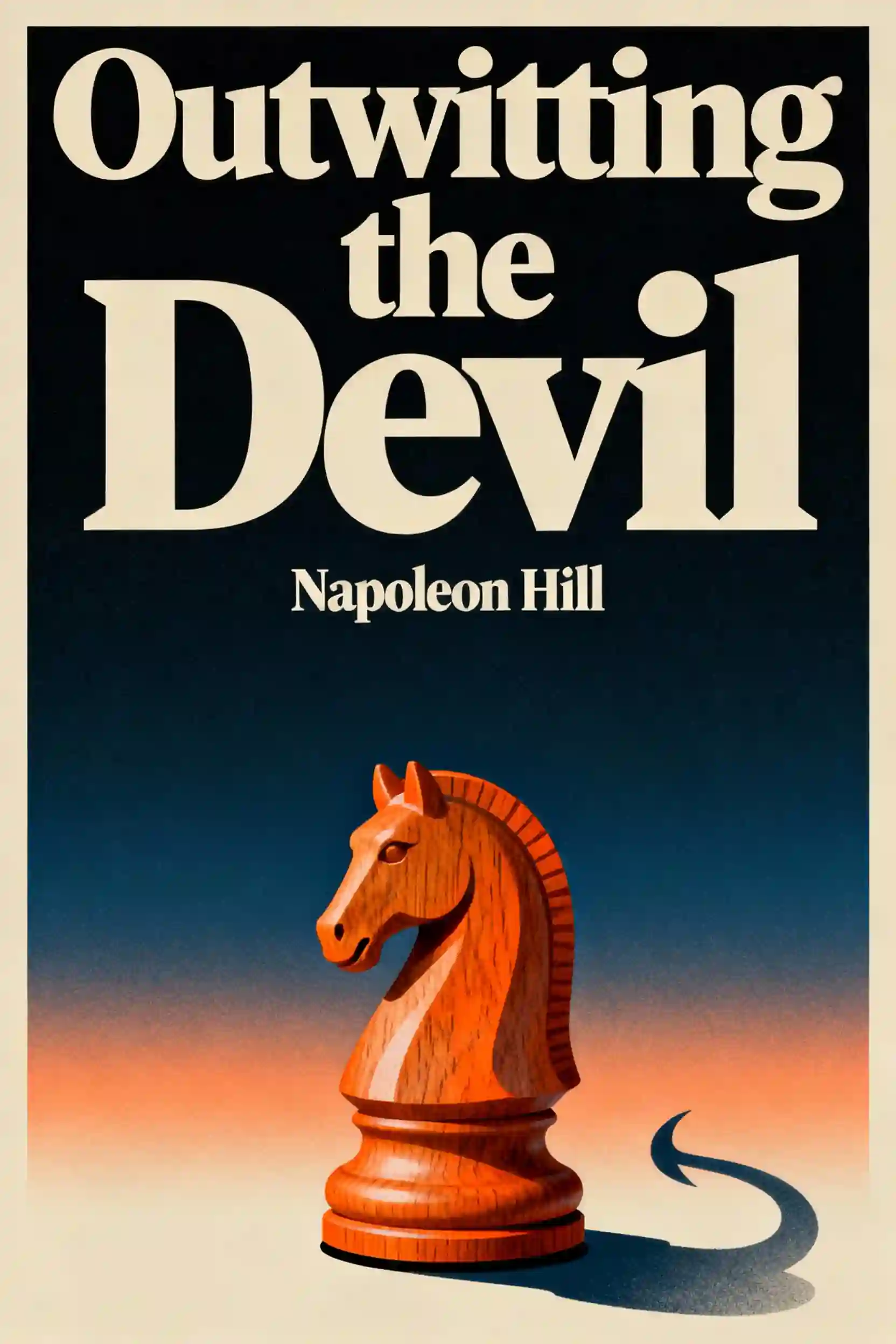
    Buchcover von Outwitting the Devil
    Outwitting the Devil
    Napoleon Hill
    Napoleon Hill's interview with the Devil reveals secrets to overcome fear and achieve success.
    25 min
    Buchcover von Think and Grow Rich: Napoleon Hill's Success Blueprint
    source 1The 13 Essential Principles of Think and Grow RichThink and Grow Rich - 13 Principles from Napoleon Hillsource 4
    6 sources
    Think and Grow Rich: Napoleon Hill's Success Blueprint
    Miles and Eli dive deep into Napoleon Hill's legendary wealth principles, exploring burning desire, faith, mastermind groups, and persistence. Discover the timeless strategies that transformed millions of lives over nearly a century.
    12 min
    Buchcover von Mastering the Mindset of Wealth
    The Master Key SystemYour Right to Be RichThe Science of Getting RichPsychocybernetic Principles for Creative Living
    27 sources
    Mastering the Mindset of Wealth
    Explore the psychological blueprint of Napoleon Hill’s classic to transform your inner thoughts into tangible success. Learn how to overcome mental barriers and harness the power of desire to build lasting riches.
    42 min
    Buchcover von Mais Esperto que o Diabo: Libertacao Interior
    Outwitting the DevilOutwitting the Devil | Summary and Key LessonsOutwitting The Devil by Napoleon Hill: Summary & Quotes - inspired ...Outwitting the Devil - Critical summary review - Napoleon Hill
    6 sources
    Mais Esperto que o Diabo: Libertacao Interior
    Explore os ensinamentos controversos de Napoleon Hill sobre como escapar das forcas invisiveis que nos mantem presos. Descubra por que este livro foi suprimido por 70 anos e como despertar seu verdadeiro proposito.
    9 min
    Buchcover von Napoleon Hill's Laws of Success: Complete Blueprint
    The Laws of Success in Sixteen Lessons: A Comprehensive Book SummarySummary of 'The Law of Success' by Napoleon Hill: A Detailed SynopsisThe Laws of Success in Sixteen Lessons - Book by Napoleon HillLaw of Success by Napoleon Hill | Summary, Quotes, FAQ, ...
    6 sources
    Napoleon Hill's Laws of Success: Complete Blueprint
    A comprehensive exploration of Hill's 16 foundational principles for achievement, from Master Mind alliances to wealth psychology, based on his 20-year study of 500+ successful individuals.
    14 min
    Buchcover von Think and Grow Rich: The Real Formula
    The Science of Getting RichThink and Grow RichThe Billion Dollar SecretThe Master Key System
    20 sources
    Think and Grow Rich: The Real Formula
    Discover the 13 concrete principles Napoleon Hill extracted from studying 500+ millionaires - not mystical thinking, but proven strategies from Carnegie, Edison, and Ford that you can implement today.
    13 min
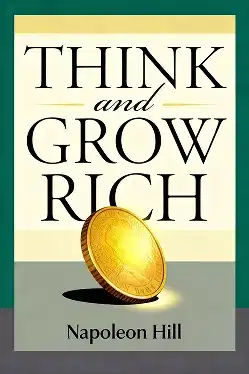
    Buchcover von Think and Grow Rich
    Think and Grow Rich
    Napoleon Hill
    Timeless wealth secrets from history's greatest minds, still transforming lives.
    46 min
    Buchcover von Think and Grow Rich: Beyond the Myth
    Book Summary: Think and Grow Rich by Napoleon Hill - Mind ToolsBook Summary - Think and Grow Rich (Napoleon Hill)Think and Grow Rich Summary: 12 Key LessonsThink and Grow Rich for the AI Age - WebStores Ltd
    7 sources
    Think and Grow Rich: Beyond the Myth
    Many treat success like a magic spell, but true achievement requires a burning desire. Explore Napoleon Hill’s principles to turn thoughts into reality.
    22 min

    Recommended Learning Plans

    Mastering the Human Mind
    LERNPLAN

    Mastering the Human Mind

    This plan is essential for anyone seeking to understand the hidden drivers of their actions and the complexity of human interaction. It is ideal for lifelong learners, leaders, and individuals looking to optimize their mental habits and social intelligence.

    2 h 30 m•5 Abschnitte
    The Hidden Operating System of Human Behavior
    LERNPLAN

    The Hidden Operating System of Human Behavior

    This plan bridge the gap between abstract psychology and practical application, revealing the invisible forces that govern our daily choices. It is essential for leaders, marketers, and anyone seeking to master influence and understand the mechanics of the human mind.

    1 h 30 m•3 Abschnitte
    Master self-deception
    LERNPLAN

    Master self-deception

    In a world full of cognitive shortcuts, understanding how we lie to ourselves is the ultimate competitive advantage. This plan is essential for leaders, decision-makers, and individuals seeking personal growth who want to strip away mental illusions and see reality clearly.

    5 h 24 m•4 Abschnitte
    The Hidden Logic of Daily Life
    LERNPLAN

    The Hidden Logic of Daily Life

    This plan is designed for professionals and leaders who want to master the unseen forces influencing behavior and teamwork. By bridging the gap between individual habits and group systems, it provides the tools necessary to optimize personal performance and collective output.

    1 h 30 m•3 Abschnitte
    The Psychology of Hidden Motives
    LERNPLAN

    The Psychology of Hidden Motives

    In a world where true intentions are often masked, understanding the underlying mechanics of human behavior is a critical competitive advantage. This plan is ideal for leaders, negotiators, and anyone looking to master social dynamics by reading between the lines of every interaction.

    25 m•3 Abschnitte
    The Neuropsychology of Self-Mastery
    LERNPLAN

    The Neuropsychology of Self-Mastery

    This plan bridges the gap between brain science and personal agency, offering a biological blueprint for self-regulation. It is essential for high-performers and leaders looking to overcome subconscious barriers and master their internal landscape.

    30 m•3 Abschnitte
    The Author's Guide to Covert Influence
    LERNPLAN

    The Author's Guide to Covert Influence

    This plan is essential for leaders, negotiators, and writers who need to master the invisible mechanics of persuasion. It provides a sophisticated toolkit for anyone looking to command authority and shift perspectives through advanced psychological and linguistic strategies.

    1 h 30 m•3 Abschnitte
    The Billionaire Mindset: From Frustration to Manifestation
    LERNPLAN

    The Billionaire Mindset: From Frustration to Manifestation

    This plan is designed for ambitious professionals feeling stuck in their current career trajectory. It bridges the gap between emotional intelligence and strategic execution, making it essential for anyone ready to transition from frustration to high-level success.

    3 h•4 Abschnitte