Norway's Arctic Lawfare Gambit
How Norway is redefining continental shelf boundaries to bypass the 1920 Svalbard Treaty, using international law to secure exclusive resource rights while forcing Russia and China into difficult strategic choices.

Bestes Zitat aus Norway's Arctic Lawfare Gambit
Norway is using 'lawfare' to redefine continental shelf boundaries, effectively bypassing the 1920 Svalbard Treaty to gain exclusive rights to vast mineral resources. This strategic reinterpretation of international law shifts Arctic governance from a model of cooperation to one of nationalistic exclusion, increasing the risk of 'Grey Zone' conflicts.

Diese Audiolektion wurde von einem BeFreed-Community-Mitglied erstellt
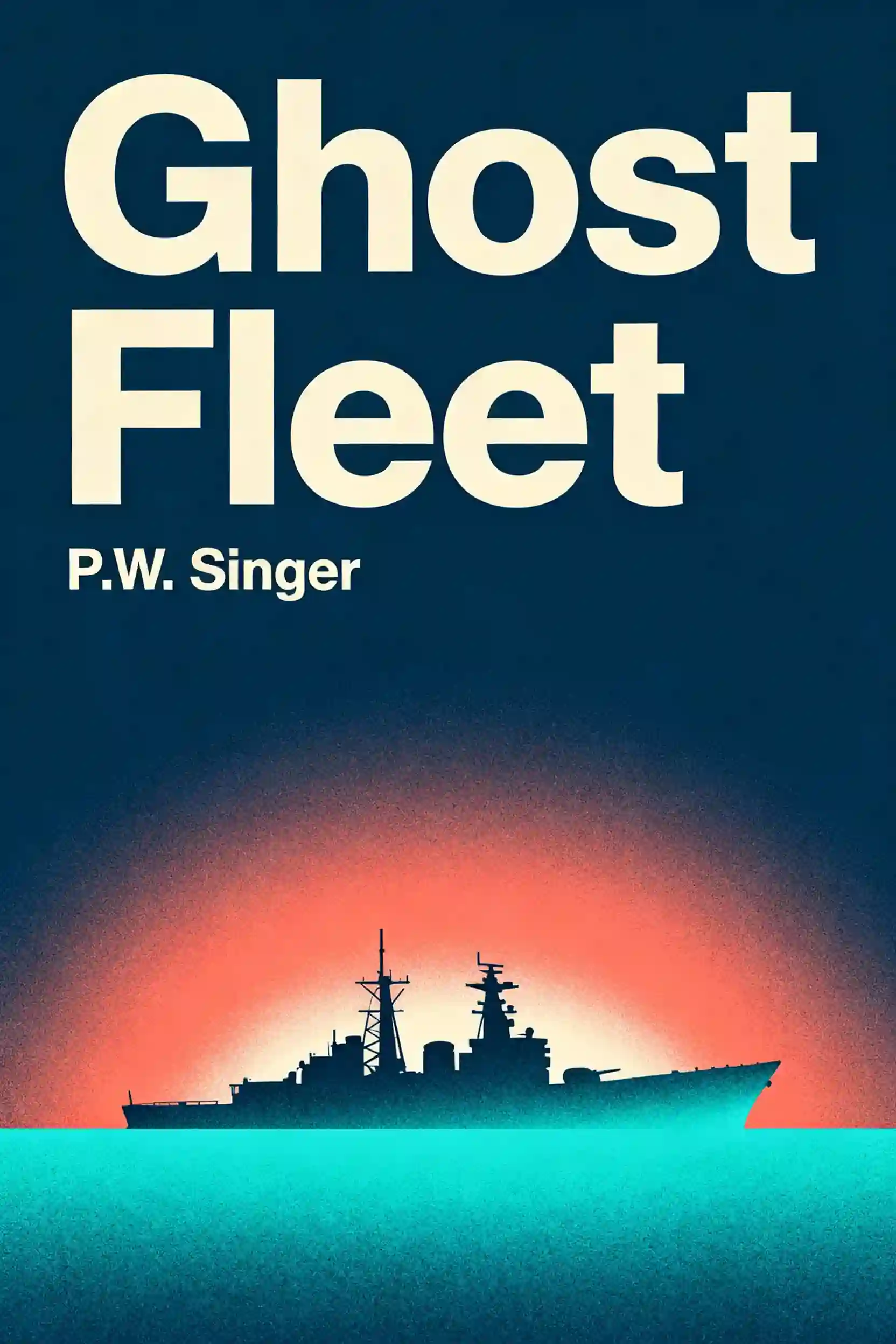
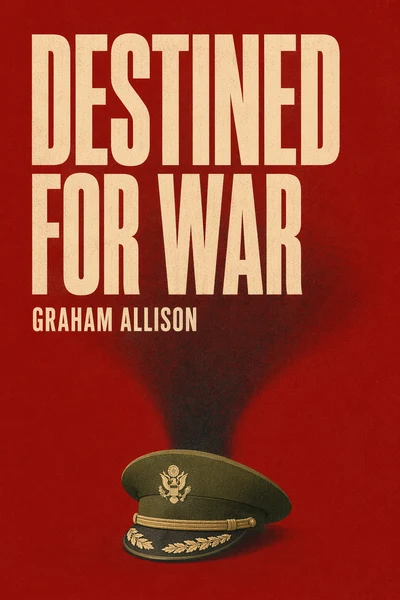
Feb 2026 analysis of Norway's seabed mining initiatives. Systemic Shift: Norway is redefining the continental shelf definition to bypass the 1920 Svalbard Treaty limitations on resource sharing. This is "Lawfare" (Legal Warfare). The move forces Russia/China to either accept a new legal precedent for the Arctic Ocean or escalate via "Grey Zone" operations (cable cutting/GPS jamming) in the Barents Sea. System Focus: International Law as a mechanism of exclusion.


Mehr entdecken

Making Hoth: Practical Magic in Norway
This plan is essential for film historians, aspiring cinematographers, and strategic analysts interested in the intersection of practical effects and military theory. It offers a unique look at how environmental extremes and creative innovation shaped one of cinema's most famous battles.

Learn Nordic energy trading
Nordic energy markets represent one of the world's most sophisticated and renewable-intensive trading environments, offering unique insights into the future of global energy systems. This learning path is essential for energy traders, risk managers, utility professionals, and corporate energy buyers operating in or entering Nordic markets, where understanding the interplay between renewables, market structure, and trading strategies is critical for success.

Learn North American Geopolitics Plan
This plan is essential for understanding how geography dictates the political and economic destiny of the North American continent. It is ideal for students of international relations, policy professionals, or anyone looking to decode the strategic motivations behind trade, migration, and security.

Pacific Geopolitics Learning Plan
As the global center of gravity shifts to the Indo-Pacific, understanding these complex maritime dynamics is essential for policy analysts and global business leaders. This plan provides a strategic framework for navigating the competition between superpowers and regional actors.

Steel, Stealth, and Strategic Gambles
This plan is essential for those seeking to understand how material science and breakthrough engineering dictate the outcome of global conflicts. It is ideal for history buffs, strategic analysts, and technology enthusiasts interested in the intersection of physics and the profession of arms.

The Strategic Logic of Surprise
This plan is essential for military historians and strategic analysts seeking to understand the intersection of economic pressure and preemptive doctrine. It provides a deep dive into the geopolitical and psychological factors that lead to decisive, high-stakes military surprises.

Sail around the world
Sailing around the world represents one of humanity's most demanding adventures, requiring a unique blend of technical seamanship, psychological fortitude, and survival expertise. This learning plan is designed for serious sailors and aspiring circumnavigators who want to move beyond coastal cruising to undertake extended offshore passages with confidence and competence.

The Geopolitical Chessboard of 2025
As the global order undergoes a fundamental transformation, understanding the intersection of geography and systemic risk is essential for strategic decision-making. This plan is designed for policy analysts, business leaders, and global thinkers who need to navigate the complexities of a multipolar world.
Von Columbia University Alumni in San Francisco entwickelt
"Instead of endless scrolling, I just hit play on BeFreed. It saves me so much time."


"I never knew where to start with nonfiction—BeFreed’s book lists turned into podcasts gave me a clear path."


"Perfect balance between learning and entertainment. Finished ‘Thinking, Fast and Slow’ on my commute this week."
"Crazy how much I learned while walking the dog. BeFreed = small habits → big gains."
"Reading used to feel like a chore. Now it’s just part of my lifestyle."

"Feels effortless compared to reading. I’ve finished 6 books this month already."
"BeFreed turned my guilty doomscrolling into something that feels productive and inspiring."

"BeFreed turned my commute into learning time. 20-min podcasts are perfect for finishing books I never had time for."
"BeFreed replaced my podcast queue. Imagine Spotify for books — that’s it. 🙌"

"It is great for me to learn something from the book without reading it."
"The themed book list podcasts help me connect ideas across authors—like a guided audio journey."
"Makes me feel smarter every time before going to work"
Von Columbia University Alumni in San Francisco entwickelt
"Instead of endless scrolling, I just hit play on BeFreed. It saves me so much time."
"I never knew where to start with nonfiction—BeFreed’s book lists turned into podcasts gave me a clear path."
"Perfect balance between learning and entertainment. Finished ‘Thinking, Fast and Slow’ on my commute this week."
"Crazy how much I learned while walking the dog. BeFreed = small habits → big gains."
"Reading used to feel like a chore. Now it’s just part of my lifestyle."
"Feels effortless compared to reading. I’ve finished 6 books this month already."
"BeFreed turned my guilty doomscrolling into something that feels productive and inspiring."
"BeFreed turned my commute into learning time. 20-min podcasts are perfect for finishing books I never had time for."
"BeFreed replaced my podcast queue. Imagine Spotify for books — that’s it. 🙌"
"It is great for me to learn something from the book without reading it."
"The themed book list podcasts help me connect ideas across authors—like a guided audio journey."
"Makes me feel smarter every time before going to work"
"Instead of endless scrolling, I just hit play on BeFreed. It saves me so much time."
"I never knew where to start with nonfiction—BeFreed’s book lists turned into podcasts gave me a clear path."
"Perfect balance between learning and entertainment. Finished ‘Thinking, Fast and Slow’ on my commute this week."
"Crazy how much I learned while walking the dog. BeFreed = small habits → big gains."
"Reading used to feel like a chore. Now it’s just part of my lifestyle."
"Feels effortless compared to reading. I’ve finished 6 books this month already."
"BeFreed turned my guilty doomscrolling into something that feels productive and inspiring."
"BeFreed turned my commute into learning time. 20-min podcasts are perfect for finishing books I never had time for."
"BeFreed replaced my podcast queue. Imagine Spotify for books — that’s it. 🙌"
"It is great for me to learn something from the book without reading it."
"The themed book list podcasts help me connect ideas across authors—like a guided audio journey."
"Makes me feel smarter every time before going to work"
"Instead of endless scrolling, I just hit play on BeFreed. It saves me so much time."
"I never knew where to start with nonfiction—BeFreed’s book lists turned into podcasts gave me a clear path."
"Perfect balance between learning and entertainment. Finished ‘Thinking, Fast and Slow’ on my commute this week."
"Crazy how much I learned while walking the dog. BeFreed = small habits → big gains."
"Reading used to feel like a chore. Now it’s just part of my lifestyle."
"Feels effortless compared to reading. I’ve finished 6 books this month already."
"BeFreed turned my guilty doomscrolling into something that feels productive and inspiring."
"BeFreed turned my commute into learning time. 20-min podcasts are perfect for finishing books I never had time for."
"BeFreed replaced my podcast queue. Imagine Spotify for books — that’s it. 🙌"
"It is great for me to learn something from the book without reading it."
"The themed book list podcasts help me connect ideas across authors—like a guided audio journey."
"Makes me feel smarter every time before going to work"