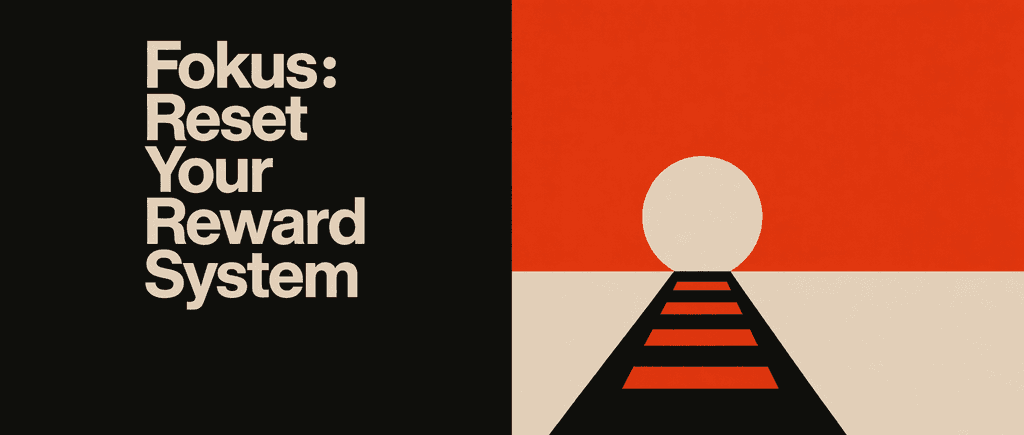
Mindfulness and relaxation aren't rewards for hard work
Stop treating rest like a trophy. Learn how to activate your brain's calming response to lower stress and build a more resilient version of yourself.

Bestes Zitat aus Mindfulness and relaxation aren't rewards for hard work
Rest isn't a reward for working hard; it’s actually a human birthright. You don’t have to earn your rest—it’s already yours.
Generated by Dhanush
mindfulness and relaxation


Häufig gestellte Fragen
Sleep does not automatically guarantee deep relaxation because the brain remains highly active during dreams. Without reaching a specific "alpha" state—where brain waves become smooth and harmonious—the body may not fully recover from stress. To counter this, individuals need to intentionally trigger the "relaxation response," a physiological shift that slows the heart rate and melts muscle tension, which sleep alone may not achieve.
Monitoring is the act of maintaining an ongoing awareness of sensory experiences, such as noticing physical tension or a racing heart. However, research suggests that monitoring alone can sometimes increase agitation. Acceptance is the "secret sauce" that involves a non-judgmental mental stance toward those sensations. Instead of fighting the stress, acceptance allows the individual to observe the discomfort without secondary layers of judgment, which is what actually lowers physiological stress markers like cortisol.
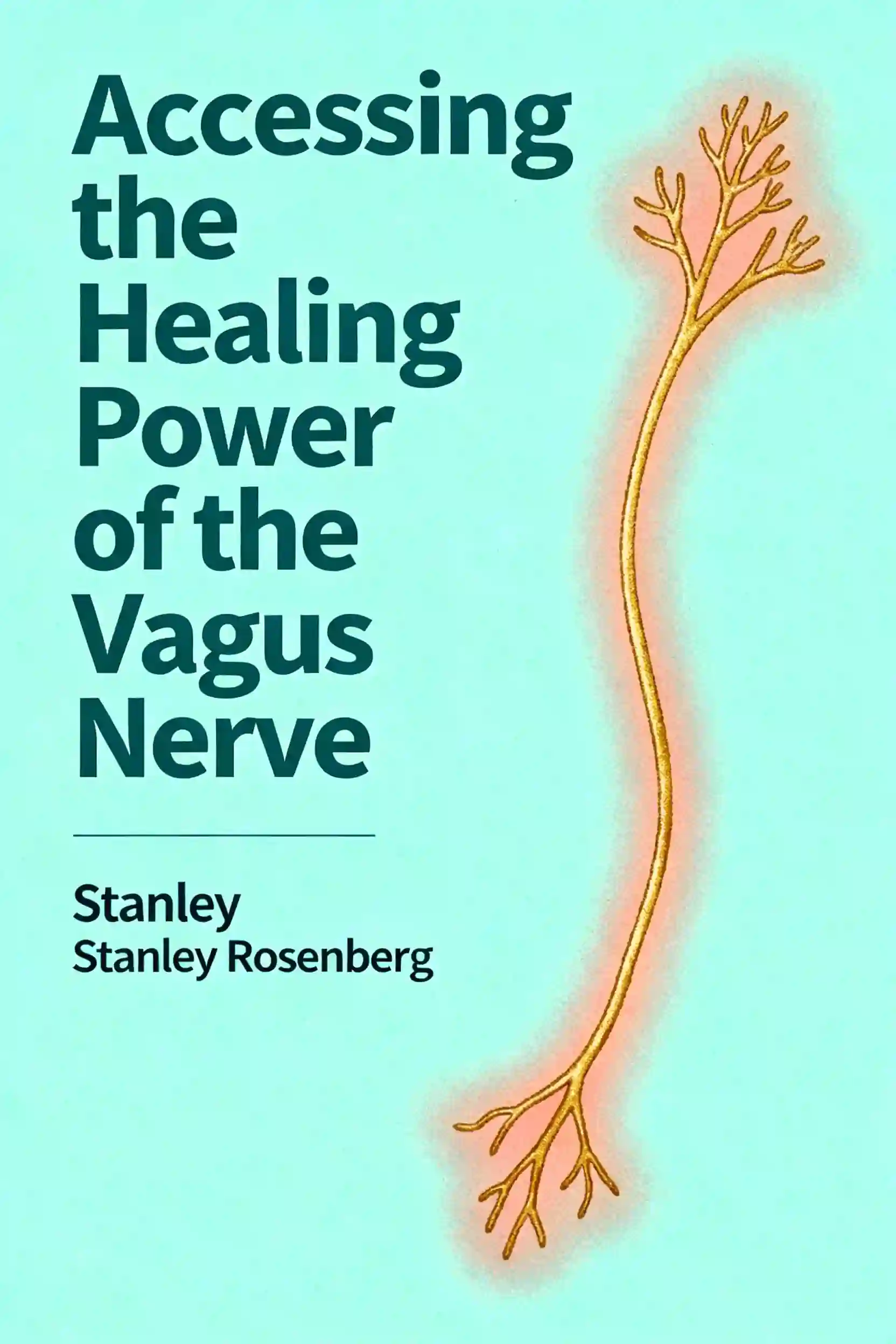
The vagus nerve acts as a biological superhighway connecting the brain to internal organs. When stimulated through techniques like deep, diaphragmatic "belly breathing," it sends an "all clear" signal to the nervous system. This activation shifts the body out of the sympathetic "fight or flight" mode and into the parasympathetic "rest and digest" mode, allowing the body to perform essential maintenance work like immune repair and digestion.
Yes, consistent practice utilizes neural plasticity to rewire the brain. Specifically, it can strengthen the prefrontal cortex, which is responsible for emotional regulation, while dampening activity in the amygdala, the brain's alarm system. Long-term mental training has also been shown to increase levels of Brain-Derived Neurotrophic Factor (BDNF), which acts like "Miracle-Gro" for the brain, helping neurons grow and stay healthy while potentially increasing the size of the hippocampus.
One effective method is the "Breathing Reset," where you make your exhale twice as long as your inhale to signal the vagus nerve. Another is the "Five-Four-Three-Two-One" grounding technique, which uses the five senses to pull a racing mind back to the present. Additionally, "Micro-Scans" involve briefly checking for clenched jaws or tight shoulders during transitions between tasks, allowing for a quick, intentional release of physical tension.
Von Columbia University Alumni in San Francisco entwickelt
"Instead of endless scrolling, I just hit play on BeFreed. It saves me so much time."


"I never knew where to start with nonfiction—BeFreed’s book lists turned into podcasts gave me a clear path."


"Perfect balance between learning and entertainment. Finished ‘Thinking, Fast and Slow’ on my commute this week."
"Crazy how much I learned while walking the dog. BeFreed = small habits → big gains."
"Reading used to feel like a chore. Now it’s just part of my lifestyle."

"Feels effortless compared to reading. I’ve finished 6 books this month already."
"BeFreed turned my guilty doomscrolling into something that feels productive and inspiring."

"BeFreed turned my commute into learning time. 20-min podcasts are perfect for finishing books I never had time for."
"BeFreed replaced my podcast queue. Imagine Spotify for books — that’s it. 🙌"

"It is great for me to learn something from the book without reading it."
"The themed book list podcasts help me connect ideas across authors—like a guided audio journey."
"Makes me feel smarter every time before going to work"
 Ask ChatGPT
 Ask Claude
Von Columbia University Alumni in San Francisco entwickelt
"Instead of endless scrolling, I just hit play on BeFreed. It saves me so much time."
"I never knew where to start with nonfiction—BeFreed’s book lists turned into podcasts gave me a clear path."
"Perfect balance between learning and entertainment. Finished ‘Thinking, Fast and Slow’ on my commute this week."
"Crazy how much I learned while walking the dog. BeFreed = small habits → big gains."
"Reading used to feel like a chore. Now it’s just part of my lifestyle."
"Feels effortless compared to reading. I’ve finished 6 books this month already."
"BeFreed turned my guilty doomscrolling into something that feels productive and inspiring."
"BeFreed turned my commute into learning time. 20-min podcasts are perfect for finishing books I never had time for."
"BeFreed replaced my podcast queue. Imagine Spotify for books — that’s it. 🙌"
"It is great for me to learn something from the book without reading it."
"The themed book list podcasts help me connect ideas across authors—like a guided audio journey."
"Makes me feel smarter every time before going to work"
"Instead of endless scrolling, I just hit play on BeFreed. It saves me so much time."
"I never knew where to start with nonfiction—BeFreed’s book lists turned into podcasts gave me a clear path."
"Perfect balance between learning and entertainment. Finished ‘Thinking, Fast and Slow’ on my commute this week."
"Crazy how much I learned while walking the dog. BeFreed = small habits → big gains."
"Reading used to feel like a chore. Now it’s just part of my lifestyle."
"Feels effortless compared to reading. I’ve finished 6 books this month already."
"BeFreed turned my guilty doomscrolling into something that feels productive and inspiring."
"BeFreed turned my commute into learning time. 20-min podcasts are perfect for finishing books I never had time for."
"BeFreed replaced my podcast queue. Imagine Spotify for books — that’s it. 🙌"
"It is great for me to learn something from the book without reading it."
"The themed book list podcasts help me connect ideas across authors—like a guided audio journey."
"Makes me feel smarter every time before going to work"
"Instead of endless scrolling, I just hit play on BeFreed. It saves me so much time."
"I never knew where to start with nonfiction—BeFreed’s book lists turned into podcasts gave me a clear path."
"Perfect balance between learning and entertainment. Finished ‘Thinking, Fast and Slow’ on my commute this week."
"Crazy how much I learned while walking the dog. BeFreed = small habits → big gains."
"Reading used to feel like a chore. Now it’s just part of my lifestyle."
"Feels effortless compared to reading. I’ve finished 6 books this month already."
"BeFreed turned my guilty doomscrolling into something that feels productive and inspiring."
"BeFreed turned my commute into learning time. 20-min podcasts are perfect for finishing books I never had time for."
"BeFreed replaced my podcast queue. Imagine Spotify for books — that’s it. 🙌"
"It is great for me to learn something from the book without reading it."
"The themed book list podcasts help me connect ideas across authors—like a guided audio journey."
"Makes me feel smarter every time before going to work"