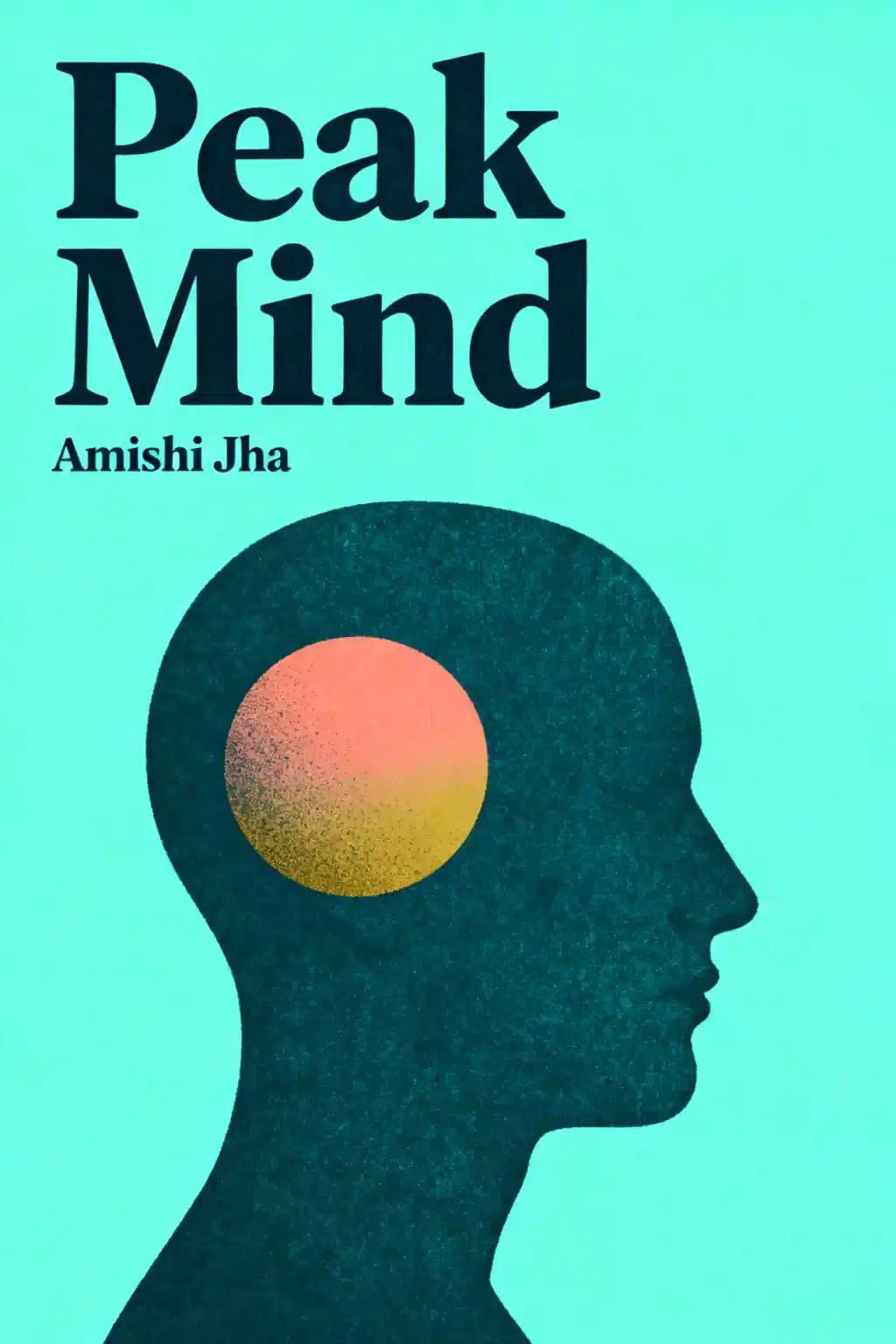
Mastering Cranial Nerves for the MB Boards
Unlock the Elemental Exam framework to master all twelve cranial nerves. Learn to pinpoint brain stem lesions through functional clusters, gaze coordination, and sensory testing to ace your board exams.

Bestes Zitat aus Mastering Cranial Nerves for the MB Boards
The cranial nerve exam is a powerhouse for the boards because it's not just about memorizing a list of names; it’s about using these twelve nerves as a direct window into the brain stem.
Generated by Tobi
Explain everything MB exam standards on cranial nerve.

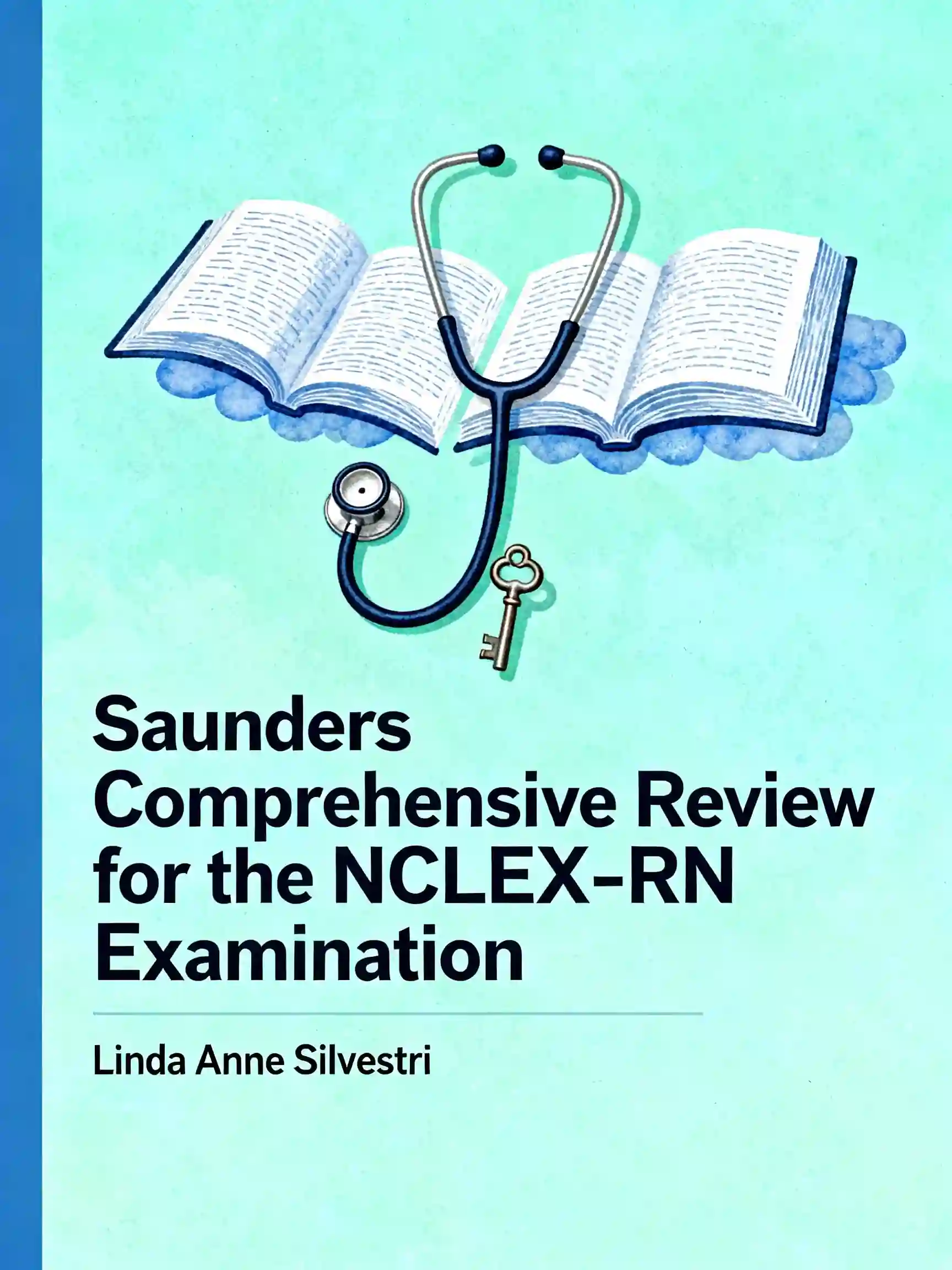
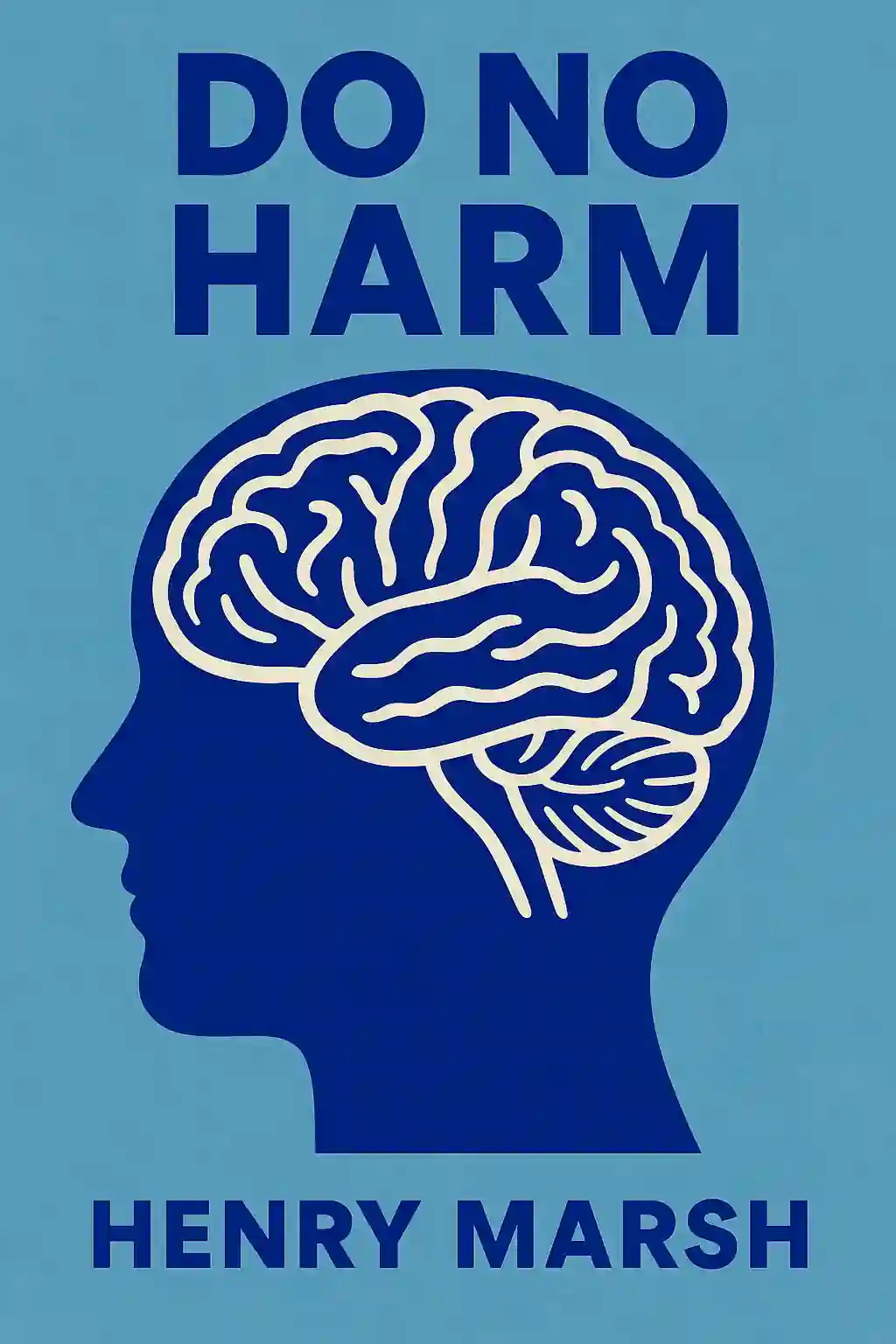
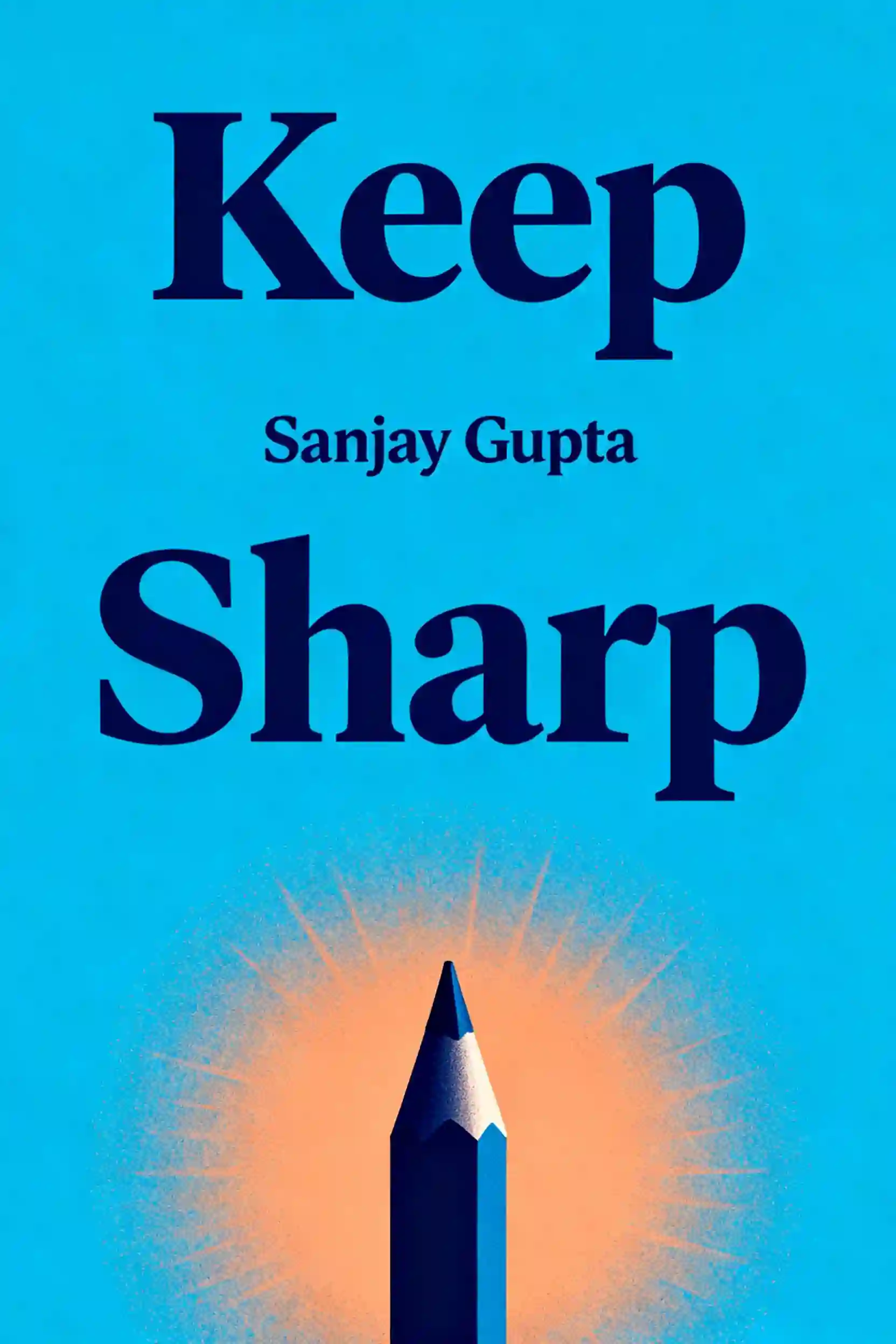
Häufig gestellte Fragen
Testing the olfactory nerve requires non-irritant substances because irritants like ammonia or alcohol stimulate the nociceptive receptors of the trigeminal nerve (CN V) rather than the olfactory nerve. If a patient with total olfactory loss claims they can "smell" ammonia, they are actually feeling the physical sting through the trigeminal nerve, which can lead to an inaccurate assessment of their olfactory function.
The distinction relies on the "forehead sparing" rule. The upper face receives dual innervation from both sides of the brain, so in an upper motor neuron lesion like a stroke, the patient can still wrinkle their forehead even if the lower face is paralyzed. In contrast, Bell’s Palsy is a lower motor neuron lesion where the nerve itself is damaged after leaving the brainstem, resulting in "full-face" paralysis where the patient cannot wrinkle their brow, close their eye, or smile on the affected side.
This distinction helps identify the underlying cause of oculomotor nerve (CN III) damage. The parasympathetic fibers that constrict the pupil stay on the outside of the nerve, while motor fibers for muscle movement are in the center. If a pupil is dilated and unreactive (pupil-involving), it suggests external compression, such as a surgical emergency like an aneurysm. If the eye is "down and out" but the pupil functions normally (pupil-sparing), the cause is often internal microvascular damage, such as that seen in diabetes.
In the Rinne test, a patient with conductive hearing loss will hear the tuning fork better through bone conduction than air conduction. In the Weber test, the sound will lateralize to the "bad" ear in conductive loss because it isn't competing with room noise. Conversely, in sensorineural loss, the Rinne test may show normal air-over-bone conduction, but the Weber test will lateralize the sound to the "good" ear because the damaged nerve cannot pick up the vibrations.
The uvula and the tongue deviate in opposite directions relative to a lesion. In a unilateral vagal palsy (CN X), the soft palate fails to rise on the weak side, causing the uvula to deviate away from the lesion toward the healthy side. In a hypoglossal nerve (CN XII) lesion, the tongue deviates toward the side of the damage because the healthy muscle on the opposite side pushes it over without any counter-resistance.
Von Columbia University Alumni in San Francisco entwickelt
"Instead of endless scrolling, I just hit play on BeFreed. It saves me so much time."


"I never knew where to start with nonfiction—BeFreed’s book lists turned into podcasts gave me a clear path."


"Perfect balance between learning and entertainment. Finished ‘Thinking, Fast and Slow’ on my commute this week."
"Crazy how much I learned while walking the dog. BeFreed = small habits → big gains."
"Reading used to feel like a chore. Now it’s just part of my lifestyle."

"Feels effortless compared to reading. I’ve finished 6 books this month already."
"BeFreed turned my guilty doomscrolling into something that feels productive and inspiring."

"BeFreed turned my commute into learning time. 20-min podcasts are perfect for finishing books I never had time for."
"BeFreed replaced my podcast queue. Imagine Spotify for books — that’s it. 🙌"

"It is great for me to learn something from the book without reading it."
"The themed book list podcasts help me connect ideas across authors—like a guided audio journey."
"Makes me feel smarter every time before going to work"
 Ask ChatGPT
 Ask Claude
Von Columbia University Alumni in San Francisco entwickelt
"Instead of endless scrolling, I just hit play on BeFreed. It saves me so much time."
"I never knew where to start with nonfiction—BeFreed’s book lists turned into podcasts gave me a clear path."
"Perfect balance between learning and entertainment. Finished ‘Thinking, Fast and Slow’ on my commute this week."
"Crazy how much I learned while walking the dog. BeFreed = small habits → big gains."
"Reading used to feel like a chore. Now it’s just part of my lifestyle."
"Feels effortless compared to reading. I’ve finished 6 books this month already."
"BeFreed turned my guilty doomscrolling into something that feels productive and inspiring."
"BeFreed turned my commute into learning time. 20-min podcasts are perfect for finishing books I never had time for."
"BeFreed replaced my podcast queue. Imagine Spotify for books — that’s it. 🙌"
"It is great for me to learn something from the book without reading it."
"The themed book list podcasts help me connect ideas across authors—like a guided audio journey."
"Makes me feel smarter every time before going to work"
"Instead of endless scrolling, I just hit play on BeFreed. It saves me so much time."
"I never knew where to start with nonfiction—BeFreed’s book lists turned into podcasts gave me a clear path."
"Perfect balance between learning and entertainment. Finished ‘Thinking, Fast and Slow’ on my commute this week."
"Crazy how much I learned while walking the dog. BeFreed = small habits → big gains."
"Reading used to feel like a chore. Now it’s just part of my lifestyle."
"Feels effortless compared to reading. I’ve finished 6 books this month already."
"BeFreed turned my guilty doomscrolling into something that feels productive and inspiring."
"BeFreed turned my commute into learning time. 20-min podcasts are perfect for finishing books I never had time for."
"BeFreed replaced my podcast queue. Imagine Spotify for books — that’s it. 🙌"
"It is great for me to learn something from the book without reading it."
"The themed book list podcasts help me connect ideas across authors—like a guided audio journey."
"Makes me feel smarter every time before going to work"
"Instead of endless scrolling, I just hit play on BeFreed. It saves me so much time."
"I never knew where to start with nonfiction—BeFreed’s book lists turned into podcasts gave me a clear path."
"Perfect balance between learning and entertainment. Finished ‘Thinking, Fast and Slow’ on my commute this week."
"Crazy how much I learned while walking the dog. BeFreed = small habits → big gains."
"Reading used to feel like a chore. Now it’s just part of my lifestyle."
"Feels effortless compared to reading. I’ve finished 6 books this month already."
"BeFreed turned my guilty doomscrolling into something that feels productive and inspiring."
"BeFreed turned my commute into learning time. 20-min podcasts are perfect for finishing books I never had time for."
"BeFreed replaced my podcast queue. Imagine Spotify for books — that’s it. 🙌"
"It is great for me to learn something from the book without reading it."
"The themed book list podcasts help me connect ideas across authors—like a guided audio journey."
"Makes me feel smarter every time before going to work"