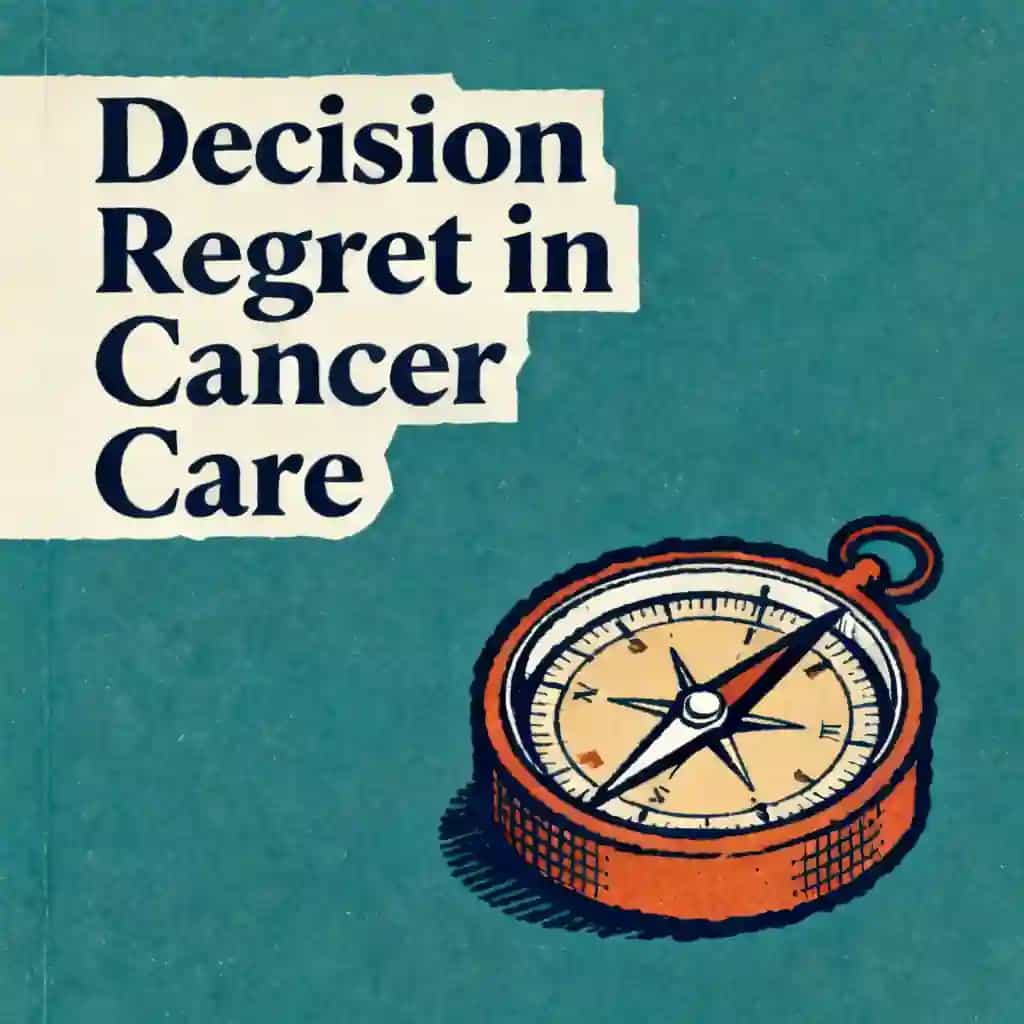
MAID, Mental Illness, and the Catholic View on End-of-Life Ethics
Explore the ethical crossroads of Medical Assistance in Dying (MAID) for mental illness through a Catholic lens, focusing on autonomy, consent, and theology.

Bestes Zitat aus MAID, Mental Illness, and the Catholic View on End-of-Life Ethics
The Catholic perspective argues that by legalizing MAID for mental health, we are essentially validating the 'lies' that depression tells the sufferer—the lie that they are a burden, that they are hopeless, and that their life has no value.

Diese Audiolektion wurde von einem BeFreed-Community-Mitglied erstellt
Medical assistance in dying for mentally ill people pros and cons from a catholic perspective

Häufig gestellte Fragen
The Catholic perspective views life as a fundamental gift from a Creator that individuals are not authorized to return. This theological bedrock creates a tension with modern concepts of personal autonomy and the push for the final say over one's own exit. In this view, mercy is often defined as staying with a person in their suffering rather than ending a life that is considered to be 'on loan' from God.
Mental illness adds significant complexity to end-of-life ethics because the 'failure' occurs in the mind and sense of self rather than just the physical body. This raises massive questions regarding whether a person can provide truly informed consent. When a person's perception of reality is colored by depression or despair, it becomes difficult to determine if the request for MAID is a result of the illness or a stable exercise of personal autonomy.
The discussion highlights a clash between two distinct interpretations of mercy in the context of unbearable psychic pain. One side views mercy as letting someone go to end their suffering, respecting their desire for relief. The other side, grounded in theological ethics, views mercy as refusing to give up on a person and choosing to stay with them throughout their suffering, upholding the inherent value of life even in times of deep despair.
Mehr entdecken

Learn about becoming a mortitian
Learn about becoming a mortitian
This plan provides a holistic view of the death care industry, balancing technical science with essential emotional support skills. It is designed for compassionate individuals seeking a meaningful career that combines professional expertise with deep community service.

Manage depression while caring for ill mother
Manage depression while caring for ill mother
This learning plan addresses the unique challenges faced by individuals managing depression while caring for a parent with cognitive decline and facing career disruption. It offers practical strategies for those struggling to balance caregiving responsibilities with self-care and professional identity, providing a roadmap for emotional resilience during this complex life transition.

Mental health
Mental health
In an increasingly stressful world, understanding the mechanics of your own mind is essential for sustained well-being. This plan is designed for anyone seeking to transition from basic mental health awareness to practical, therapeutic mastery of their emotional landscape.
There’s no hope, I won’t stop.. I’m alone
There’s no hope, I won’t stop.. I’m alone
This plan is designed for individuals facing profound isolation or a sense of hopelessness who refuse to give up. It provides a structured path to transform emotional crisis into a resilient new identity centered on purpose and connection.

Find out what is after death
Find out what is after death
This plan addresses the universal human quest for meaning beyond physical existence. It is ideal for seekers, students of philosophy, or anyone looking to transform their fear of the unknown into a source of wisdom and purposeful living.

Love, Inspiration & Mental Health Wellness
Love, Inspiration & Mental Health Wellness
This plan is essential for anyone seeking to balance emotional well-on with meaningful relationships. It benefits individuals looking to overcome burnout, improve their attachment patterns, and find a deeper sense of purpose in their daily lives.
Live Mindfully & Happily
Live Mindfully & Happily
In an increasingly fast-paced world, mastering the balance between mental clarity and emotional health is essential for long-term fulfillment. This plan is designed for individuals seeking to reduce stress and find deeper meaning through evidence-based mindfulness and compassion techniques.

Wise Christian: Mind Control & Confidence
Wise Christian: Mind Control & Confidence
This plan is essential for Christians struggling with insecurity, anxiety, or negative thought cycles. It provides a scriptural roadmap for anyone seeking to align their mental health with their faith through practical spiritual disciplines.
Von Columbia University Alumni in San Francisco entwickelt
"Instead of endless scrolling, I just hit play on BeFreed. It saves me so much time."


"I never knew where to start with nonfiction—BeFreed’s book lists turned into podcasts gave me a clear path."


"Perfect balance between learning and entertainment. Finished ‘Thinking, Fast and Slow’ on my commute this week."
"Crazy how much I learned while walking the dog. BeFreed = small habits → big gains."
"Reading used to feel like a chore. Now it’s just part of my lifestyle."

"Feels effortless compared to reading. I’ve finished 6 books this month already."
"BeFreed turned my guilty doomscrolling into something that feels productive and inspiring."

"BeFreed turned my commute into learning time. 20-min podcasts are perfect for finishing books I never had time for."
"BeFreed replaced my podcast queue. Imagine Spotify for books — that’s it. 🙌"

"It is great for me to learn something from the book without reading it."
"The themed book list podcasts help me connect ideas across authors—like a guided audio journey."
"Makes me feel smarter every time before going to work"
Von Columbia University Alumni in San Francisco entwickelt
"Instead of endless scrolling, I just hit play on BeFreed. It saves me so much time."
"I never knew where to start with nonfiction—BeFreed’s book lists turned into podcasts gave me a clear path."
"Perfect balance between learning and entertainment. Finished ‘Thinking, Fast and Slow’ on my commute this week."
"Crazy how much I learned while walking the dog. BeFreed = small habits → big gains."
"Reading used to feel like a chore. Now it’s just part of my lifestyle."
"Feels effortless compared to reading. I’ve finished 6 books this month already."
"BeFreed turned my guilty doomscrolling into something that feels productive and inspiring."
"BeFreed turned my commute into learning time. 20-min podcasts are perfect for finishing books I never had time for."
"BeFreed replaced my podcast queue. Imagine Spotify for books — that’s it. 🙌"
"It is great for me to learn something from the book without reading it."
"The themed book list podcasts help me connect ideas across authors—like a guided audio journey."
"Makes me feel smarter every time before going to work"
"Instead of endless scrolling, I just hit play on BeFreed. It saves me so much time."
"I never knew where to start with nonfiction—BeFreed’s book lists turned into podcasts gave me a clear path."
"Perfect balance between learning and entertainment. Finished ‘Thinking, Fast and Slow’ on my commute this week."
"Crazy how much I learned while walking the dog. BeFreed = small habits → big gains."
"Reading used to feel like a chore. Now it’s just part of my lifestyle."
"Feels effortless compared to reading. I’ve finished 6 books this month already."
"BeFreed turned my guilty doomscrolling into something that feels productive and inspiring."
"BeFreed turned my commute into learning time. 20-min podcasts are perfect for finishing books I never had time for."
"BeFreed replaced my podcast queue. Imagine Spotify for books — that’s it. 🙌"
"It is great for me to learn something from the book without reading it."
"The themed book list podcasts help me connect ideas across authors—like a guided audio journey."
"Makes me feel smarter every time before going to work"
"Instead of endless scrolling, I just hit play on BeFreed. It saves me so much time."
"I never knew where to start with nonfiction—BeFreed’s book lists turned into podcasts gave me a clear path."
"Perfect balance between learning and entertainment. Finished ‘Thinking, Fast and Slow’ on my commute this week."
"Crazy how much I learned while walking the dog. BeFreed = small habits → big gains."
"Reading used to feel like a chore. Now it’s just part of my lifestyle."
"Feels effortless compared to reading. I’ve finished 6 books this month already."
"BeFreed turned my guilty doomscrolling into something that feels productive and inspiring."
"BeFreed turned my commute into learning time. 20-min podcasts are perfect for finishing books I never had time for."
"BeFreed replaced my podcast queue. Imagine Spotify for books — that’s it. 🙌"
"It is great for me to learn something from the book without reading it."
"The themed book list podcasts help me connect ideas across authors—like a guided audio journey."
"Makes me feel smarter every time before going to work"