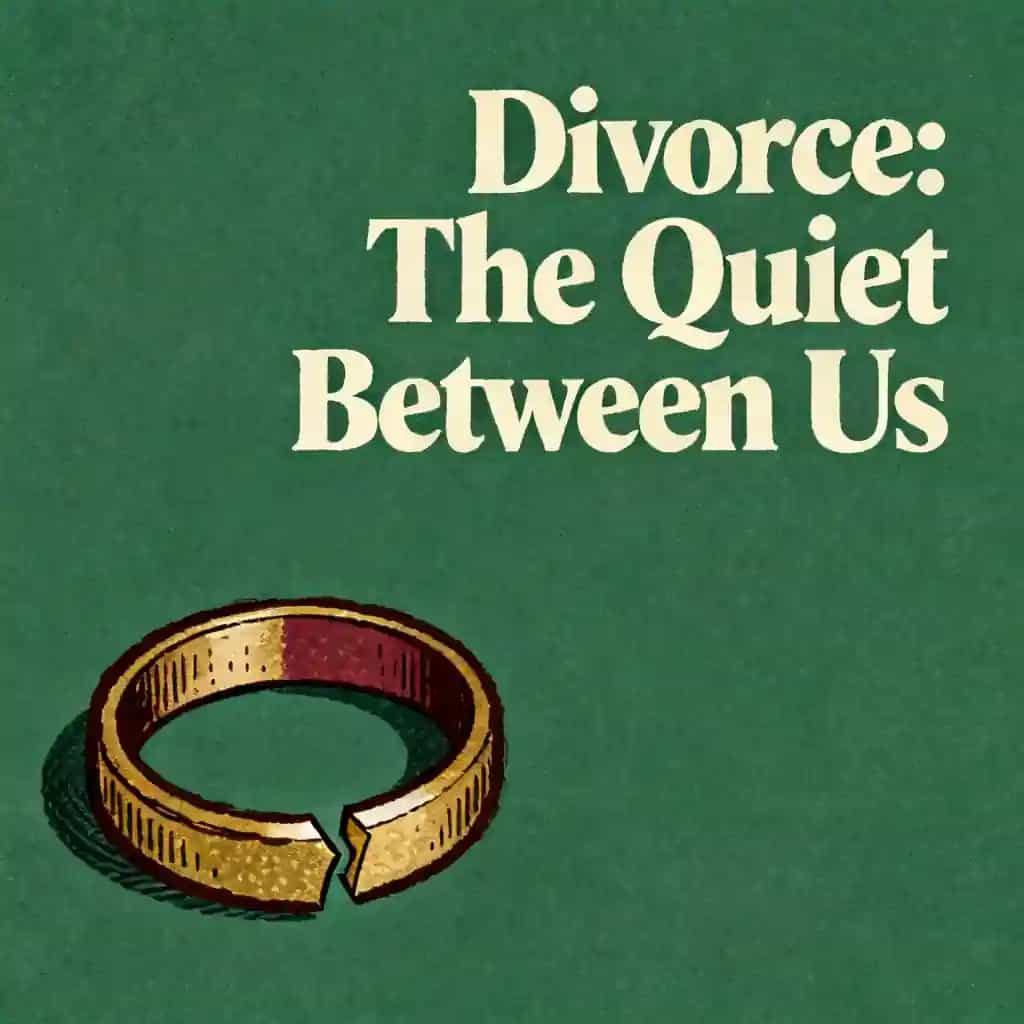
The Loudness of Quiet After Divorce: Managing Loneliness
Explore the neurological withdrawal and emotional void of post-divorce loneliness. Learn why silence feels like a weight and how to navigate nervous system recalibration.
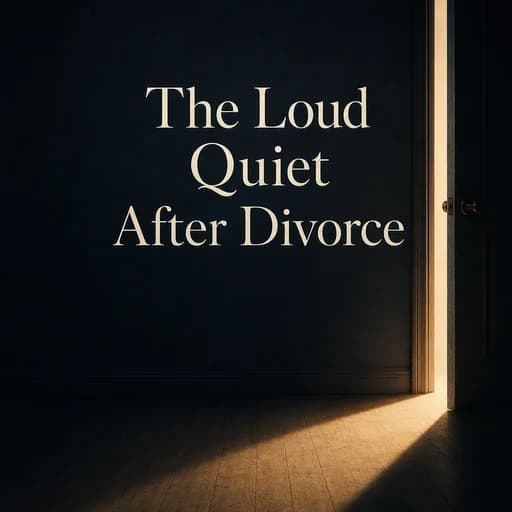
Bestes Zitat aus The Loudness of Quiet After Divorce: Managing Loneliness
Loneliness is actually the first honest environment your nervous system has had in years. It’s not a punishment; it’s a recalibration.
Generated by Lewis
Coping with the end of a relationship, specifically focusing on managing the loneliness and silence that follows a breakup or divorce.






Häufig gestellte Fragen
The silence following a divorce is often described as a physical weight or a vacuum because it represents the sudden absence of the 'we.' After years of living with another person, your brain is wired to their rhythms, moods, and even the sound of their footsteps. When these familiar sounds disappear, the resulting quiet can feel jarring and overwhelming rather than peaceful, leading to a sensation of ringing in your ears where conversations used to be.
Neurological withdrawal occurs because your nervous system has spent years adapted to another person's presence. When that person is gone, your brain doesn't immediately relax; instead, it may panic as it searches for familiar patterns. Even if the relationship was painful, your nervous system is accustomed to those specific rhythms. This withdrawal is a natural part of divorce recovery as the body struggles to adjust to the new, quiet environment.
Dr. Nicholas Jenner offers a unique perspective by framing post-divorce loneliness as the 'first honest environment' a person's nervous system has experienced in years. Rather than viewing this emotional void as a punishment or a sign that the divorce was a mistake, he considers it a necessary recalibration. This shift in perspective helps individuals understand that the discomfort of a half-empty closet or a quiet kitchen is actually a step toward healing and internal realignment.
While there is often massive pressure to 'hustle' through the loneliness or fill the empty space with new activities and people, it is important to recognize the silence as a period of recalibration. Coping with silence involves understanding that your nervous system is searching for the familiar. Instead of rushing to fill the void, acknowledging the neurological and emotional reality of the transition can be a more effective way to manage the loudness of quiet after divorce.
Von Columbia University Alumni in San Francisco entwickelt
"Instead of endless scrolling, I just hit play on BeFreed. It saves me so much time."


"I never knew where to start with nonfiction—BeFreed’s book lists turned into podcasts gave me a clear path."


"Perfect balance between learning and entertainment. Finished ‘Thinking, Fast and Slow’ on my commute this week."
"Crazy how much I learned while walking the dog. BeFreed = small habits → big gains."
"Reading used to feel like a chore. Now it’s just part of my lifestyle."

"Feels effortless compared to reading. I’ve finished 6 books this month already."
"BeFreed turned my guilty doomscrolling into something that feels productive and inspiring."

"BeFreed turned my commute into learning time. 20-min podcasts are perfect for finishing books I never had time for."
"BeFreed replaced my podcast queue. Imagine Spotify for books — that’s it. 🙌"

"It is great for me to learn something from the book without reading it."
"The themed book list podcasts help me connect ideas across authors—like a guided audio journey."
"Makes me feel smarter every time before going to work"
Von Columbia University Alumni in San Francisco entwickelt
"Instead of endless scrolling, I just hit play on BeFreed. It saves me so much time."
"I never knew where to start with nonfiction—BeFreed’s book lists turned into podcasts gave me a clear path."
"Perfect balance between learning and entertainment. Finished ‘Thinking, Fast and Slow’ on my commute this week."
"Crazy how much I learned while walking the dog. BeFreed = small habits → big gains."
"Reading used to feel like a chore. Now it’s just part of my lifestyle."
"Feels effortless compared to reading. I’ve finished 6 books this month already."
"BeFreed turned my guilty doomscrolling into something that feels productive and inspiring."
"BeFreed turned my commute into learning time. 20-min podcasts are perfect for finishing books I never had time for."
"BeFreed replaced my podcast queue. Imagine Spotify for books — that’s it. 🙌"
"It is great for me to learn something from the book without reading it."
"The themed book list podcasts help me connect ideas across authors—like a guided audio journey."
"Makes me feel smarter every time before going to work"
"Instead of endless scrolling, I just hit play on BeFreed. It saves me so much time."
"I never knew where to start with nonfiction—BeFreed’s book lists turned into podcasts gave me a clear path."
"Perfect balance between learning and entertainment. Finished ‘Thinking, Fast and Slow’ on my commute this week."
"Crazy how much I learned while walking the dog. BeFreed = small habits → big gains."
"Reading used to feel like a chore. Now it’s just part of my lifestyle."
"Feels effortless compared to reading. I’ve finished 6 books this month already."
"BeFreed turned my guilty doomscrolling into something that feels productive and inspiring."
"BeFreed turned my commute into learning time. 20-min podcasts are perfect for finishing books I never had time for."
"BeFreed replaced my podcast queue. Imagine Spotify for books — that’s it. 🙌"
"It is great for me to learn something from the book without reading it."
"The themed book list podcasts help me connect ideas across authors—like a guided audio journey."
"Makes me feel smarter every time before going to work"
"Instead of endless scrolling, I just hit play on BeFreed. It saves me so much time."
"I never knew where to start with nonfiction—BeFreed’s book lists turned into podcasts gave me a clear path."
"Perfect balance between learning and entertainment. Finished ‘Thinking, Fast and Slow’ on my commute this week."
"Crazy how much I learned while walking the dog. BeFreed = small habits → big gains."
"Reading used to feel like a chore. Now it’s just part of my lifestyle."
"Feels effortless compared to reading. I’ve finished 6 books this month already."
"BeFreed turned my guilty doomscrolling into something that feels productive and inspiring."
"BeFreed turned my commute into learning time. 20-min podcasts are perfect for finishing books I never had time for."
"BeFreed replaced my podcast queue. Imagine Spotify for books — that’s it. 🙌"
"It is great for me to learn something from the book without reading it."
"The themed book list podcasts help me connect ideas across authors—like a guided audio journey."
"Makes me feel smarter every time before going to work"