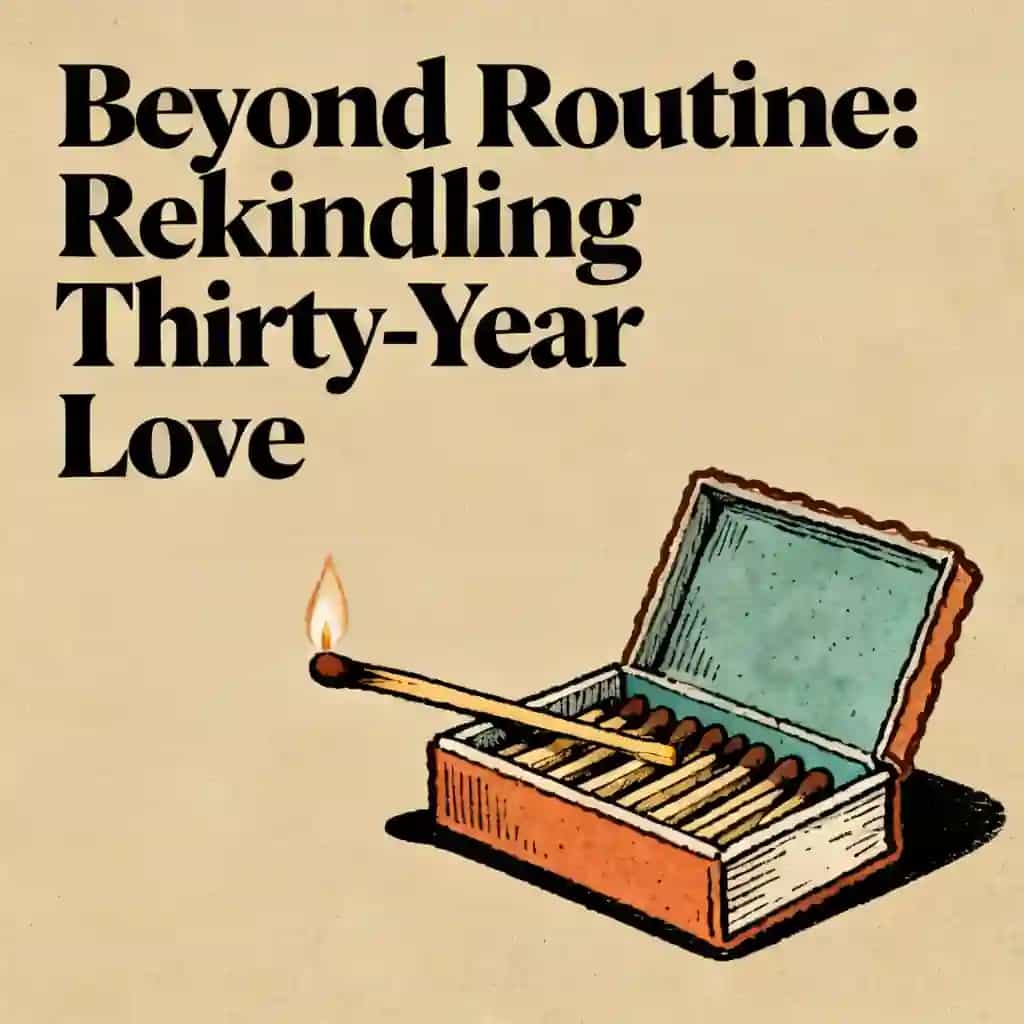
Long Marriages: The Art of Liking Each Other
Staying together for decades takes more than just love. Discover the daily rituals and deep friendships that turn a marriage into a lifelong haven.

Bestes Zitat aus Long Marriages: The Art of Liking Each Other
You have to like the person, as well as love. Love is the big, dramatic stuff, but liking is what gets you through a rainy Tuesday when the dishwasher breaks.
Generated with BeFreed
The Secret Lives of Long Marriages






Häufig gestellte Fragen
While love is often associated with big, dramatic emotions and passion, "liking" your partner is described as the essential ingredient for daily survival. According to Eleanor Gittens, who has been married for over 83 years, liking the person is what helps a couple navigate mundane or difficult moments, such as a broken dishwasher or a rainy day. Research suggests that successful long-term couples transition from initial passion into a "deeper friendship" where they genuinely enjoy each other's company and view their spouse as their best friend.
Long-term survivors of marriage practice "constructive engagement" and "empathic listening." Instead of focusing on blame, they aim to solve the problem, a concept described as "eating the grapes, not beating the vineyard owner." They also utilize "positivity buffers," which include using affectionate tones or terms of endearment even during disagreements. By maintaining "positivity resonance"—shared moments of laughter or mutual care—they build an emotional bank account that prevents the relationship from going bankrupt during stressful times.
Establishing an "invisible fence" around the marriage is a key factor in marital stability. Research indicates that protecting the privacy of the relationship and preventing third parties, such as in-laws or friends, from interfering in decisions or conflicts reduces stress. Successful couples maintain a "united front" and believe that marital problems should stay between the two people involved. This loyalty creates a sense of "we-ness" and a "haven of happiness" that is protected from external pressures.
No, maintaining a balance between "time together and time apart" is actually a protective factor for marriage. While shared rituals like a nightly "happy hour" or a morning kiss are vital for grounding the couple, having individual interests is equally important. For example, one long-term husband mentioned that going to the gym on his own gives him something new to talk about when he returns home. This balance allows individuals to maintain their own identity while still evolving into a shared "couple identity."
Small, everyday rituals act as a "slow-release vitamin" for a relationship, providing constant reconnection. Simple acts like saying "I love you" every morning, sharing a cup of coffee, or taking walks together help ground the couple regardless of external chaos. These habits foster "behavioral synchrony" and "gratitude," ensuring that both partners feel remembered and loved. Over time, these tiny gestures of kindness become the glue that holds the relationship together through the "exhausting volume of responsibilities" that come with life.
Von Columbia University Alumni in San Francisco entwickelt
"Instead of endless scrolling, I just hit play on BeFreed. It saves me so much time."


"I never knew where to start with nonfiction—BeFreed’s book lists turned into podcasts gave me a clear path."


"Perfect balance between learning and entertainment. Finished ‘Thinking, Fast and Slow’ on my commute this week."
"Crazy how much I learned while walking the dog. BeFreed = small habits → big gains."
"Reading used to feel like a chore. Now it’s just part of my lifestyle."

"Feels effortless compared to reading. I’ve finished 6 books this month already."
"BeFreed turned my guilty doomscrolling into something that feels productive and inspiring."

"BeFreed turned my commute into learning time. 20-min podcasts are perfect for finishing books I never had time for."
"BeFreed replaced my podcast queue. Imagine Spotify for books — that’s it. 🙌"

"It is great for me to learn something from the book without reading it."
"The themed book list podcasts help me connect ideas across authors—like a guided audio journey."
"Makes me feel smarter every time before going to work"
Von Columbia University Alumni in San Francisco entwickelt
"Instead of endless scrolling, I just hit play on BeFreed. It saves me so much time."
"I never knew where to start with nonfiction—BeFreed’s book lists turned into podcasts gave me a clear path."
"Perfect balance between learning and entertainment. Finished ‘Thinking, Fast and Slow’ on my commute this week."
"Crazy how much I learned while walking the dog. BeFreed = small habits → big gains."
"Reading used to feel like a chore. Now it’s just part of my lifestyle."
"Feels effortless compared to reading. I’ve finished 6 books this month already."
"BeFreed turned my guilty doomscrolling into something that feels productive and inspiring."
"BeFreed turned my commute into learning time. 20-min podcasts are perfect for finishing books I never had time for."
"BeFreed replaced my podcast queue. Imagine Spotify for books — that’s it. 🙌"
"It is great for me to learn something from the book without reading it."
"The themed book list podcasts help me connect ideas across authors—like a guided audio journey."
"Makes me feel smarter every time before going to work"
"Instead of endless scrolling, I just hit play on BeFreed. It saves me so much time."
"I never knew where to start with nonfiction—BeFreed’s book lists turned into podcasts gave me a clear path."
"Perfect balance between learning and entertainment. Finished ‘Thinking, Fast and Slow’ on my commute this week."
"Crazy how much I learned while walking the dog. BeFreed = small habits → big gains."
"Reading used to feel like a chore. Now it’s just part of my lifestyle."
"Feels effortless compared to reading. I’ve finished 6 books this month already."
"BeFreed turned my guilty doomscrolling into something that feels productive and inspiring."
"BeFreed turned my commute into learning time. 20-min podcasts are perfect for finishing books I never had time for."
"BeFreed replaced my podcast queue. Imagine Spotify for books — that’s it. 🙌"
"It is great for me to learn something from the book without reading it."
"The themed book list podcasts help me connect ideas across authors—like a guided audio journey."
"Makes me feel smarter every time before going to work"
"Instead of endless scrolling, I just hit play on BeFreed. It saves me so much time."
"I never knew where to start with nonfiction—BeFreed’s book lists turned into podcasts gave me a clear path."
"Perfect balance between learning and entertainment. Finished ‘Thinking, Fast and Slow’ on my commute this week."
"Crazy how much I learned while walking the dog. BeFreed = small habits → big gains."
"Reading used to feel like a chore. Now it’s just part of my lifestyle."
"Feels effortless compared to reading. I’ve finished 6 books this month already."
"BeFreed turned my guilty doomscrolling into something that feels productive and inspiring."
"BeFreed turned my commute into learning time. 20-min podcasts are perfect for finishing books I never had time for."
"BeFreed replaced my podcast queue. Imagine Spotify for books — that’s it. 🙌"
"It is great for me to learn something from the book without reading it."
"The themed book list podcasts help me connect ideas across authors—like a guided audio journey."
"Makes me feel smarter every time before going to work"