Kraków: Poland's Cultural Survivor
Discover how Kraków evolved from a 500-year capital to Poland's cultural heart, preserving its medieval and Renaissance treasures through wars that destroyed other cities, and how this remarkable survival shapes its vibrant modern identity.

Bestes Zitat aus Kraków: Poland's Cultural Survivor
Unlike Warsaw and many other Polish cities, Kraków survived World War II largely intact, allowing its medieval architecture and Renaissance treasures to remain standing while others had to be rebuilt brick by brick.

Diese Audiolektion wurde von einem BeFreed-Community-Mitglied erstellt
Provide a history of Krakow Poland over the last 500 years that explains its current culture

Mehr entdecken

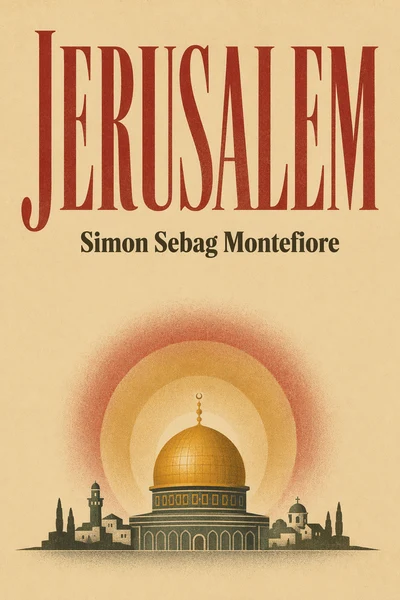
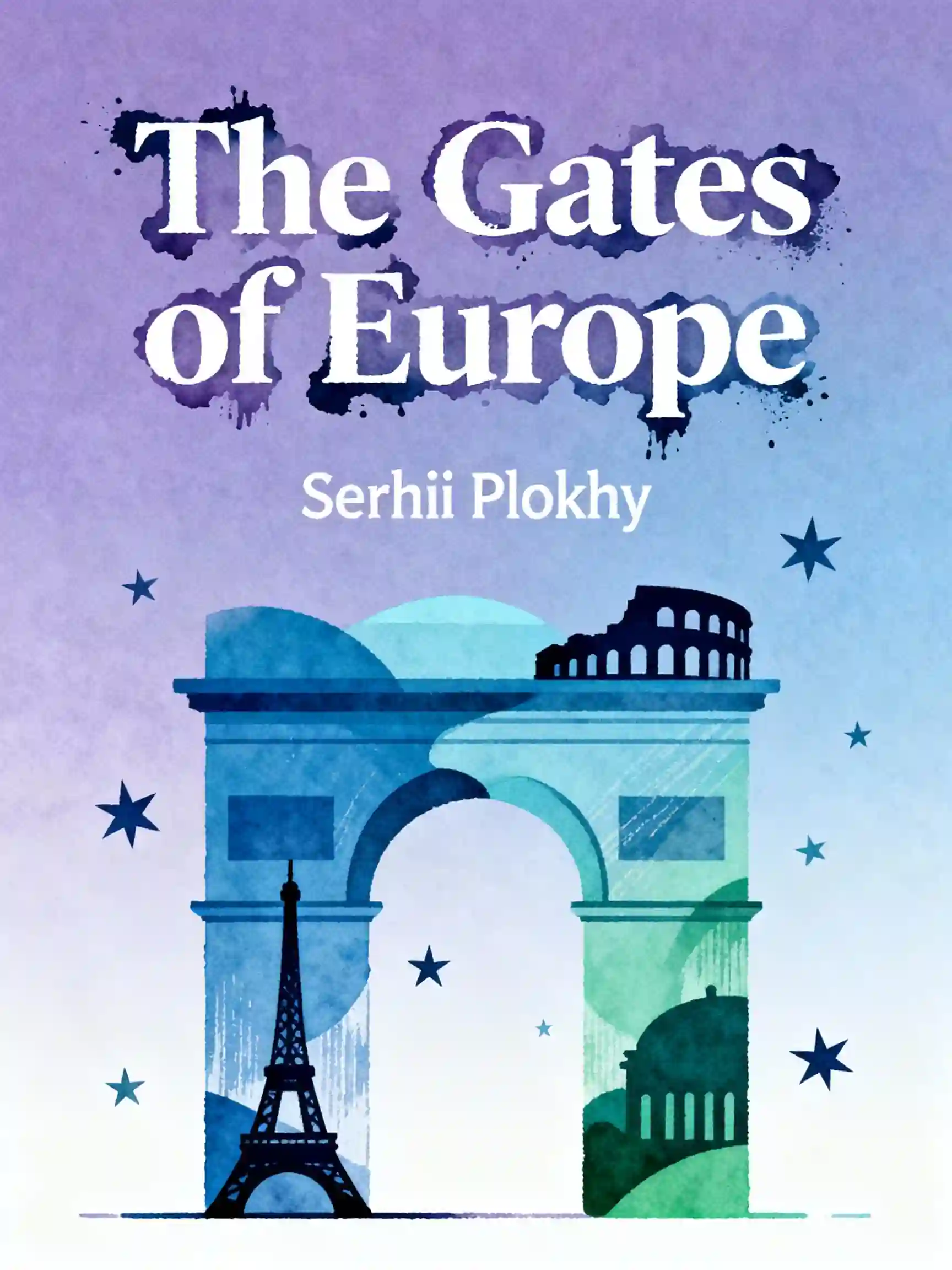
Central European Heritage and Flavors
This plan offers a deep dive into the cultural intersections of Central Europe, from the Baltic coast to the Alpine peaks. It is ideal for history enthusiasts and travelers seeking to understand how commerce and art forged the identities of Germany, Poland, and Austria.

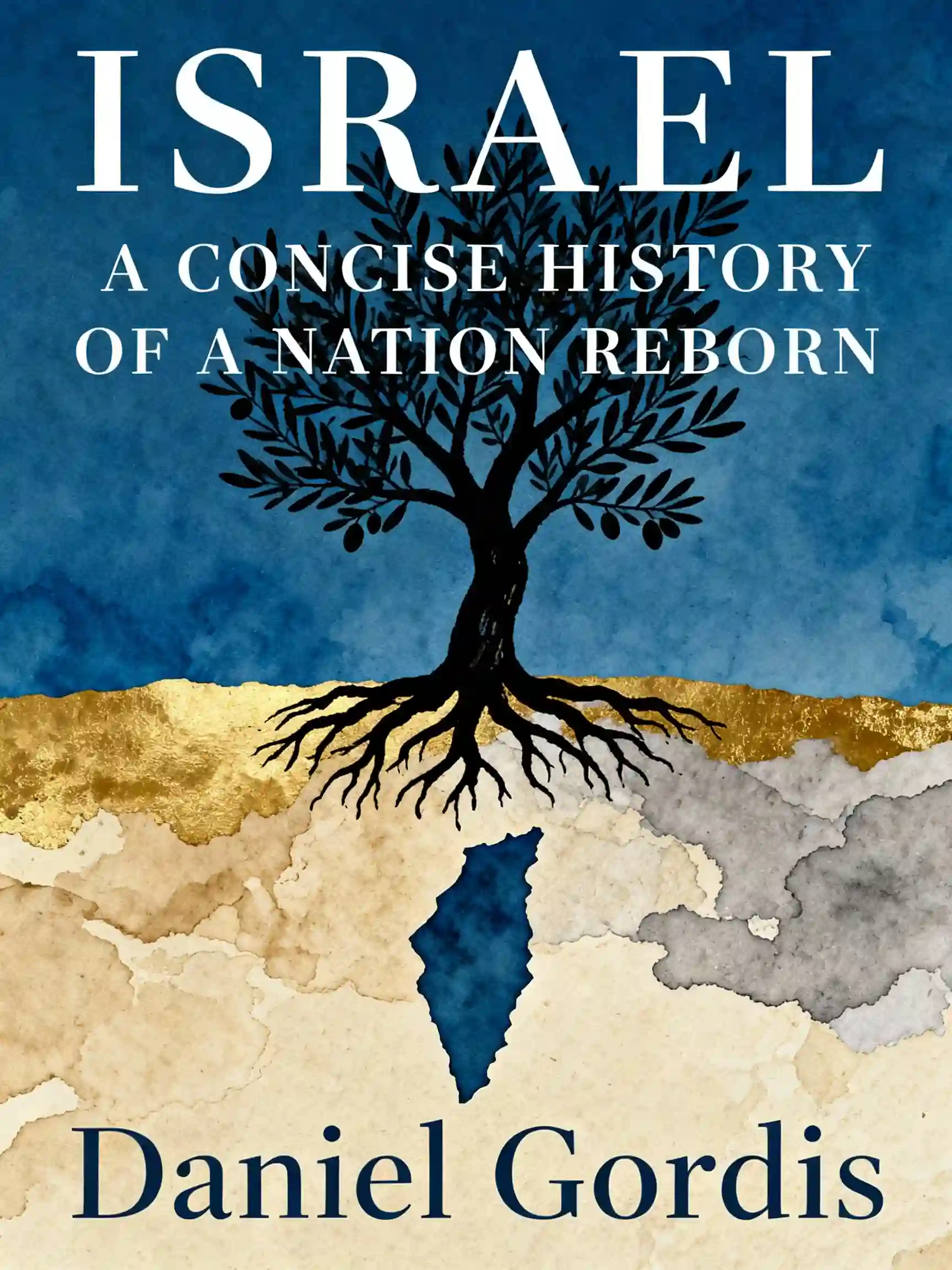
Adriatic Frontier: Religious and Social Evolution
This plan offers a deep dive into the cultural layering of the Adriatic, from ancient maritime roots to modern tourism. It is ideal for history enthusiasts and social scientists interested in how religious transitions and imperial pressures forge unique regional identities.

Counterculture Roots: From Renaissance to Punk
This plan bridges centuries of history to show how rebellion and alternative identities evolve over time. It is ideal for history buffs, subculture enthusiasts, and artists seeking to understand the deep roots of non-conformity.

Learn about German History
Understanding German history is essential for anyone looking to grasp the geopolitical landscape of modern Europe. This plan is ideal for students, history buffs, or travelers who want to move beyond the surface and explore the deep cultural and political shifts that defined the 20th century.

The Life and Death of Rome
Understanding the rise and fall of Rome provides essential lessons on the fragility of large-scale political systems. This plan is ideal for history enthusiasts and students of political science seeking to understand how internal decay and external pressures converge to dismantle an empire.

全球古文明与历史名城漫游指南
本计划专为历史爱好者和文化旅行者设计,通过系统梳理全球核心古文明,帮助学习者构建宏观的世界史框架。在文明碰撞与融合的视角下,您将领略人类智慧在不同地理环境下的璀璨结晶。
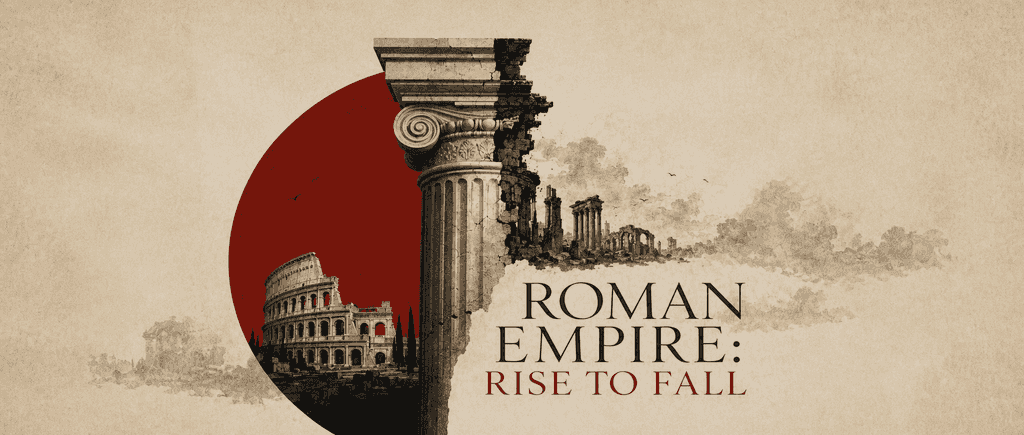
Roman Empire: Rise to Fall
Understanding the Roman Empire provides essential context for modern Western civilization, as Rome's innovations in law, governance, engineering, and military organization continue to influence contemporary institutions. This learning plan is ideal for history enthusiasts, students of political science and law, leaders seeking insights from historical patterns of power and decline, and anyone curious about how ancient civilizations shape our present world.

I would like to understand Renesance culture
This plan bridges the gap between historical art and modern philosophy, making it essential for anyone seeking to understand the roots of Western individualism. It is ideal for history enthusiasts, art lovers, and students of political science.
Von Columbia University Alumni in San Francisco entwickelt
"Instead of endless scrolling, I just hit play on BeFreed. It saves me so much time."


"I never knew where to start with nonfiction—BeFreed’s book lists turned into podcasts gave me a clear path."


"Perfect balance between learning and entertainment. Finished ‘Thinking, Fast and Slow’ on my commute this week."
"Crazy how much I learned while walking the dog. BeFreed = small habits → big gains."
"Reading used to feel like a chore. Now it’s just part of my lifestyle."

"Feels effortless compared to reading. I’ve finished 6 books this month already."
"BeFreed turned my guilty doomscrolling into something that feels productive and inspiring."

"BeFreed turned my commute into learning time. 20-min podcasts are perfect for finishing books I never had time for."
"BeFreed replaced my podcast queue. Imagine Spotify for books — that’s it. 🙌"

"It is great for me to learn something from the book without reading it."
"The themed book list podcasts help me connect ideas across authors—like a guided audio journey."
"Makes me feel smarter every time before going to work"
Von Columbia University Alumni in San Francisco entwickelt
"Instead of endless scrolling, I just hit play on BeFreed. It saves me so much time."
"I never knew where to start with nonfiction—BeFreed’s book lists turned into podcasts gave me a clear path."
"Perfect balance between learning and entertainment. Finished ‘Thinking, Fast and Slow’ on my commute this week."
"Crazy how much I learned while walking the dog. BeFreed = small habits → big gains."
"Reading used to feel like a chore. Now it’s just part of my lifestyle."
"Feels effortless compared to reading. I’ve finished 6 books this month already."
"BeFreed turned my guilty doomscrolling into something that feels productive and inspiring."
"BeFreed turned my commute into learning time. 20-min podcasts are perfect for finishing books I never had time for."
"BeFreed replaced my podcast queue. Imagine Spotify for books — that’s it. 🙌"
"It is great for me to learn something from the book without reading it."
"The themed book list podcasts help me connect ideas across authors—like a guided audio journey."
"Makes me feel smarter every time before going to work"
"Instead of endless scrolling, I just hit play on BeFreed. It saves me so much time."
"I never knew where to start with nonfiction—BeFreed’s book lists turned into podcasts gave me a clear path."
"Perfect balance between learning and entertainment. Finished ‘Thinking, Fast and Slow’ on my commute this week."
"Crazy how much I learned while walking the dog. BeFreed = small habits → big gains."
"Reading used to feel like a chore. Now it’s just part of my lifestyle."
"Feels effortless compared to reading. I’ve finished 6 books this month already."
"BeFreed turned my guilty doomscrolling into something that feels productive and inspiring."
"BeFreed turned my commute into learning time. 20-min podcasts are perfect for finishing books I never had time for."
"BeFreed replaced my podcast queue. Imagine Spotify for books — that’s it. 🙌"
"It is great for me to learn something from the book without reading it."
"The themed book list podcasts help me connect ideas across authors—like a guided audio journey."
"Makes me feel smarter every time before going to work"
"Instead of endless scrolling, I just hit play on BeFreed. It saves me so much time."
"I never knew where to start with nonfiction—BeFreed’s book lists turned into podcasts gave me a clear path."
"Perfect balance between learning and entertainment. Finished ‘Thinking, Fast and Slow’ on my commute this week."
"Crazy how much I learned while walking the dog. BeFreed = small habits → big gains."
"Reading used to feel like a chore. Now it’s just part of my lifestyle."
"Feels effortless compared to reading. I’ve finished 6 books this month already."
"BeFreed turned my guilty doomscrolling into something that feels productive and inspiring."
"BeFreed turned my commute into learning time. 20-min podcasts are perfect for finishing books I never had time for."
"BeFreed replaced my podcast queue. Imagine Spotify for books — that’s it. 🙌"
"It is great for me to learn something from the book without reading it."
"The themed book list podcasts help me connect ideas across authors—like a guided audio journey."
"Makes me feel smarter every time before going to work"