The Invisible Armor: Teen Mental Health and the Power of Connection
Explore how social bonds and family attachment act as an 'invisible armor' for teen mental health, featuring insights from a massive Penn State study.

Bestes Zitat aus The Invisible Armor: Teen Mental Health and the Power of Connection
If you can move a teen’s feeling of attachment to their family up just one notch—like from 'low' to 'moderate'—their risk of suicidal thoughts or actions drops by a third. It makes me realize that the 'invisible armor' is actually just us—it’s the way we show up in their lives.
Generated by Emi
Teach me a practical framework for building emotion-regulation through connection, using the Penn State study linking teen social bonds and recognition to lower suicidal thoughts as a case study. End with 3 daily practices and 3 warning signs.






Häufig gestellte Fragen
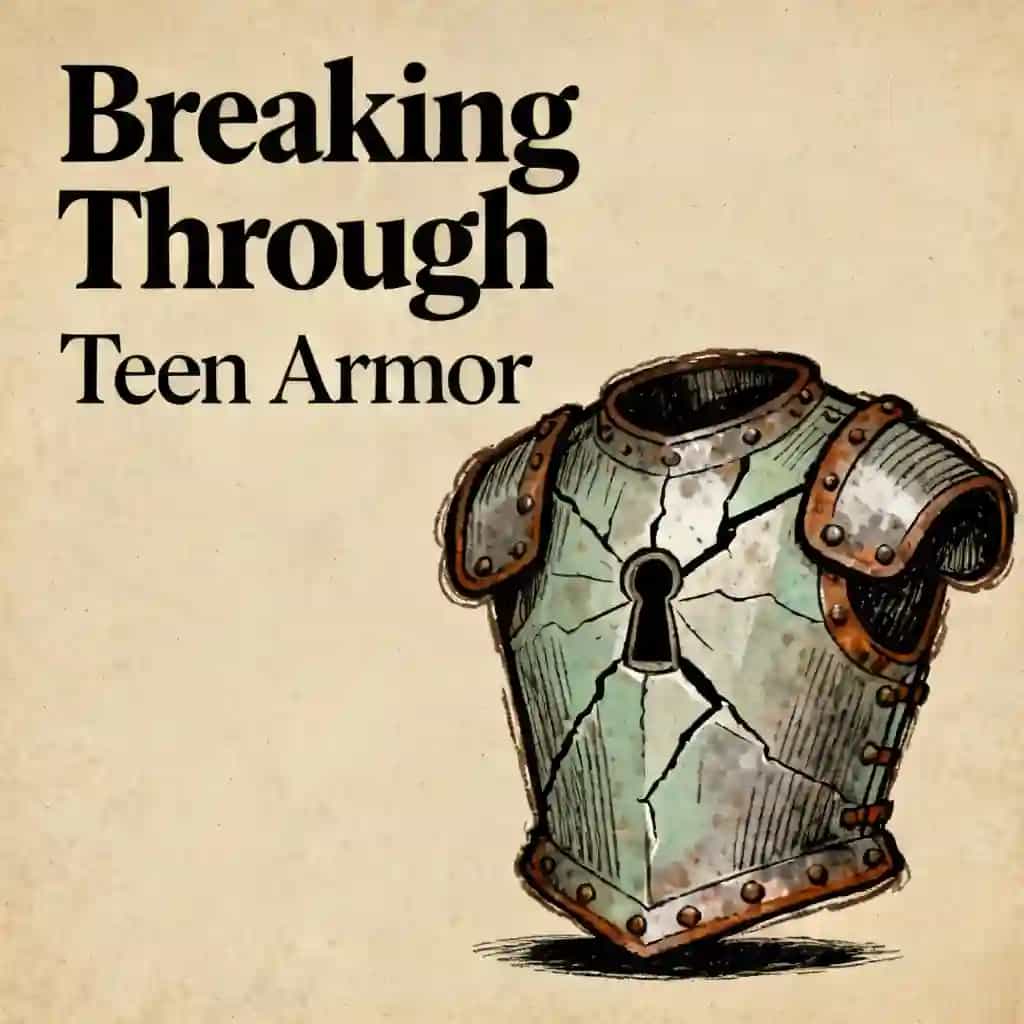
The 'invisible armor' refers to the powerful protective effect of social bonds and recognition in a teenager's life. According to a significant Penn State study of nearly 200,000 Pennsylvania youth, these connections act as a direct buffer against depression, bullying, and dark thoughts. Rather than relying solely on clinical interventions, the data suggests that the way adults show up and stay tethered to teens provides the most essential security.
Research from the Pennsylvania youth data shows a staggering correlation between family attachment and suicide prevention. Moving a teenager's feeling of connection to their family up just one level—for example, from 'low' to 'moderate'—can reduce the risk of suicidal thoughts or actions by one-third. This highlights that simple improvements in how families connect at the dinner table can lead to life-saving outcomes for adolescent mental health.
Published on August 4, 2026, the Penn State study analyzed data from approximately 200,000 teenagers to understand what keeps them safe. The findings flipped the traditional perspective on teen 'drama' by proving that social bonds and recognition are the single most important factors in mental health stability. These bonds serve as a primary defense mechanism, significantly lowering the risks associated with adolescent depression and self-harm.
Von Columbia University Alumni in San Francisco entwickelt
"Instead of endless scrolling, I just hit play on BeFreed. It saves me so much time."


"I never knew where to start with nonfiction—BeFreed’s book lists turned into podcasts gave me a clear path."


"Perfect balance between learning and entertainment. Finished ‘Thinking, Fast and Slow’ on my commute this week."
"Crazy how much I learned while walking the dog. BeFreed = small habits → big gains."
"Reading used to feel like a chore. Now it’s just part of my lifestyle."

"Feels effortless compared to reading. I’ve finished 6 books this month already."
"BeFreed turned my guilty doomscrolling into something that feels productive and inspiring."

"BeFreed turned my commute into learning time. 20-min podcasts are perfect for finishing books I never had time for."
"BeFreed replaced my podcast queue. Imagine Spotify for books — that’s it. 🙌"

"It is great for me to learn something from the book without reading it."
"The themed book list podcasts help me connect ideas across authors—like a guided audio journey."
"Makes me feel smarter every time before going to work"
 Ask ChatGPT
 Ask Claude
Von Columbia University Alumni in San Francisco entwickelt
"Instead of endless scrolling, I just hit play on BeFreed. It saves me so much time."
"I never knew where to start with nonfiction—BeFreed’s book lists turned into podcasts gave me a clear path."
"Perfect balance between learning and entertainment. Finished ‘Thinking, Fast and Slow’ on my commute this week."
"Crazy how much I learned while walking the dog. BeFreed = small habits → big gains."
"Reading used to feel like a chore. Now it’s just part of my lifestyle."
"Feels effortless compared to reading. I’ve finished 6 books this month already."
"BeFreed turned my guilty doomscrolling into something that feels productive and inspiring."
"BeFreed turned my commute into learning time. 20-min podcasts are perfect for finishing books I never had time for."
"BeFreed replaced my podcast queue. Imagine Spotify for books — that’s it. 🙌"
"It is great for me to learn something from the book without reading it."
"The themed book list podcasts help me connect ideas across authors—like a guided audio journey."
"Makes me feel smarter every time before going to work"
"Instead of endless scrolling, I just hit play on BeFreed. It saves me so much time."
"I never knew where to start with nonfiction—BeFreed’s book lists turned into podcasts gave me a clear path."
"Perfect balance between learning and entertainment. Finished ‘Thinking, Fast and Slow’ on my commute this week."
"Crazy how much I learned while walking the dog. BeFreed = small habits → big gains."
"Reading used to feel like a chore. Now it’s just part of my lifestyle."
"Feels effortless compared to reading. I’ve finished 6 books this month already."
"BeFreed turned my guilty doomscrolling into something that feels productive and inspiring."
"BeFreed turned my commute into learning time. 20-min podcasts are perfect for finishing books I never had time for."
"BeFreed replaced my podcast queue. Imagine Spotify for books — that’s it. 🙌"
"It is great for me to learn something from the book without reading it."
"The themed book list podcasts help me connect ideas across authors—like a guided audio journey."
"Makes me feel smarter every time before going to work"
"Instead of endless scrolling, I just hit play on BeFreed. It saves me so much time."
"I never knew where to start with nonfiction—BeFreed’s book lists turned into podcasts gave me a clear path."
"Perfect balance between learning and entertainment. Finished ‘Thinking, Fast and Slow’ on my commute this week."
"Crazy how much I learned while walking the dog. BeFreed = small habits → big gains."
"Reading used to feel like a chore. Now it’s just part of my lifestyle."
"Feels effortless compared to reading. I’ve finished 6 books this month already."
"BeFreed turned my guilty doomscrolling into something that feels productive and inspiring."
"BeFreed turned my commute into learning time. 20-min podcasts are perfect for finishing books I never had time for."
"BeFreed replaced my podcast queue. Imagine Spotify for books — that’s it. 🙌"
"It is great for me to learn something from the book without reading it."
"The themed book list podcasts help me connect ideas across authors—like a guided audio journey."
"Makes me feel smarter every time before going to work"