Increase memory capacity by sleeping better
Struggling to remember what you learn? Discover how sleep and cognitive offloading protect your brain from 'storage full' errors and sharpen your mind.

Bestes Zitat aus Increase memory capacity by sleeping better
The brain is like a muscle—if you don't use it, you lose it. But if you apply strategies like chunking, the Memory Palace, and spaced repetition, you’re not just memorizing; you’re building a systematic way to handle complexity.

Diese Audiolektion wurde von einem BeFreed-Community-Mitglied erstellt
I would like to increase my memory capacity

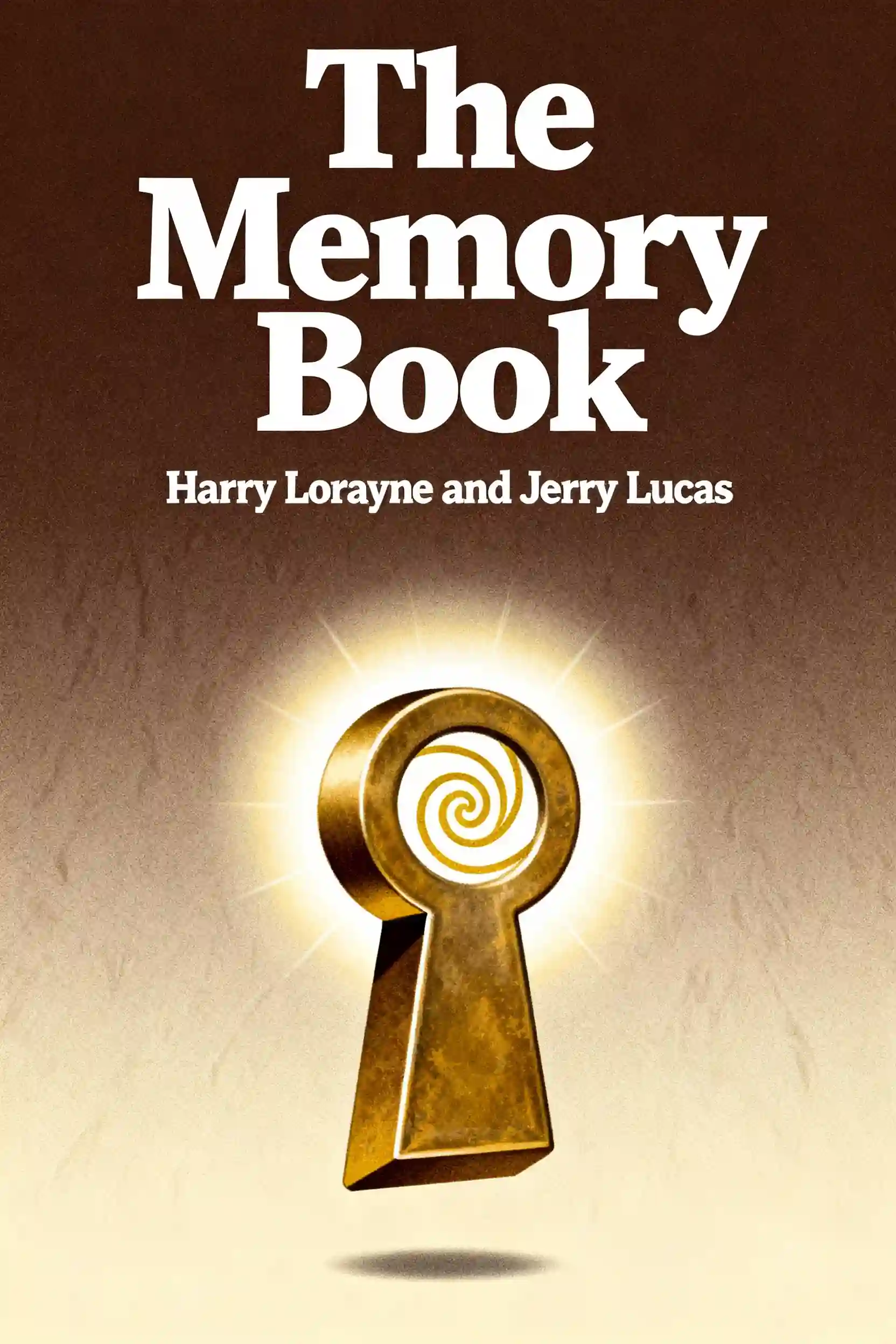
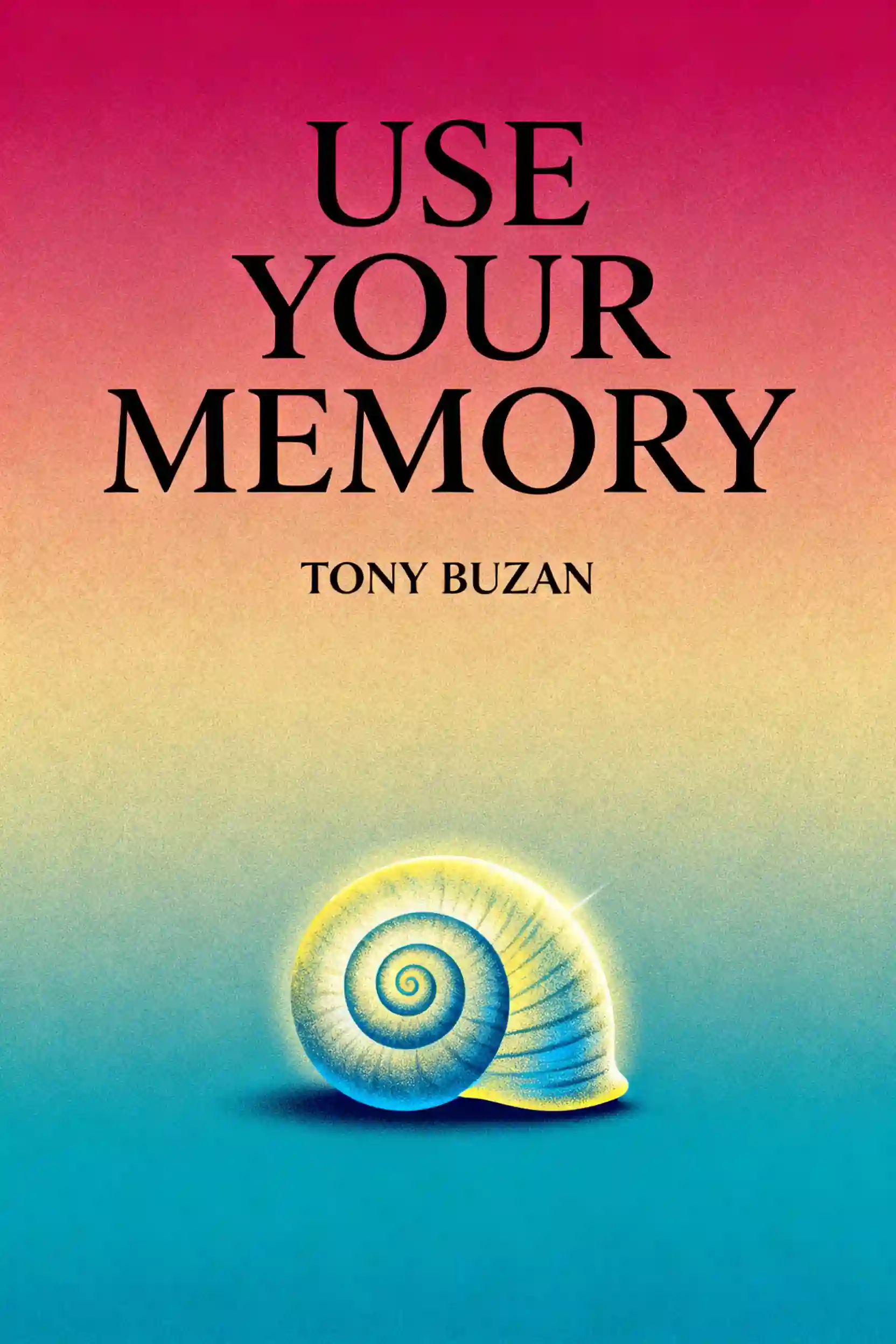
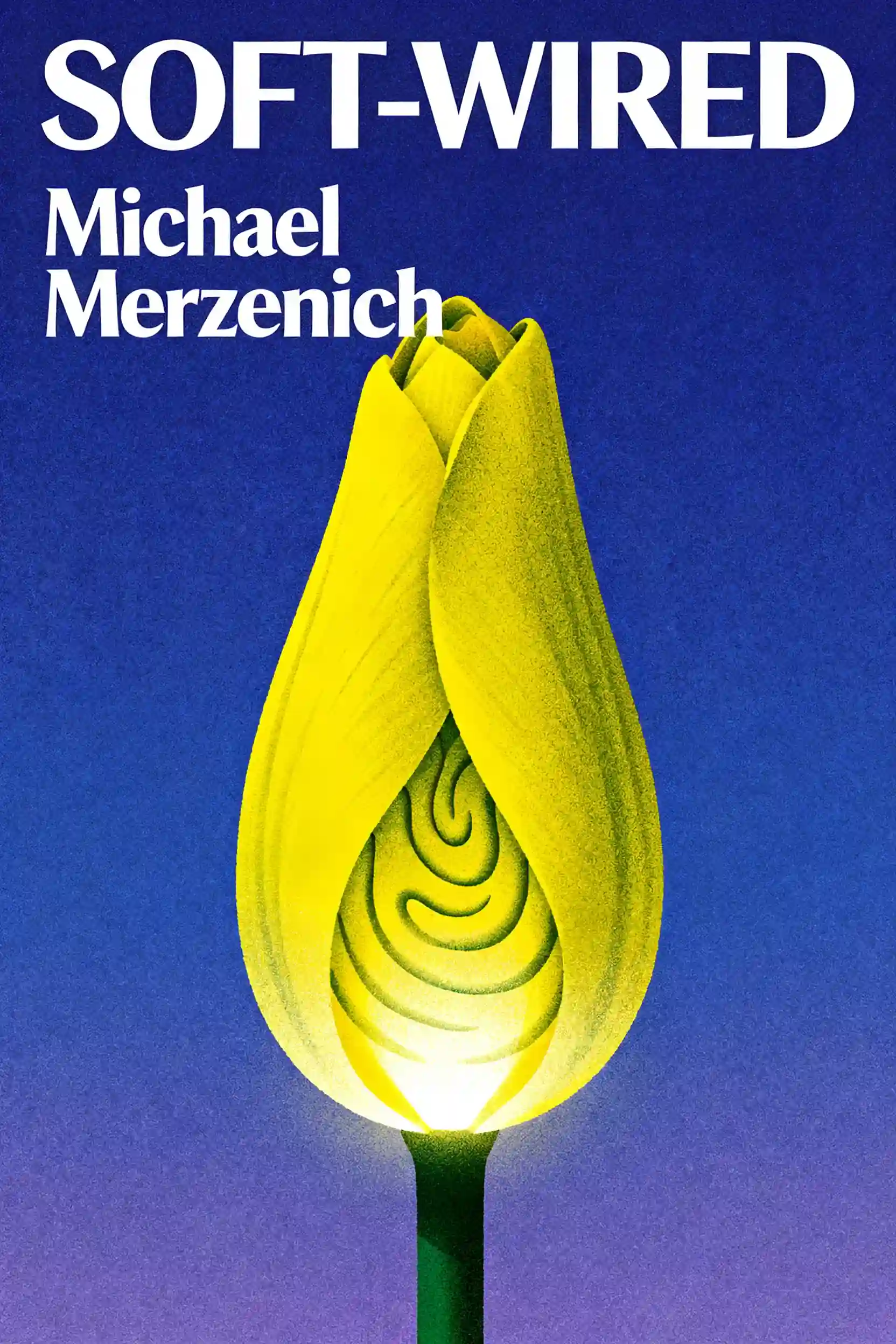
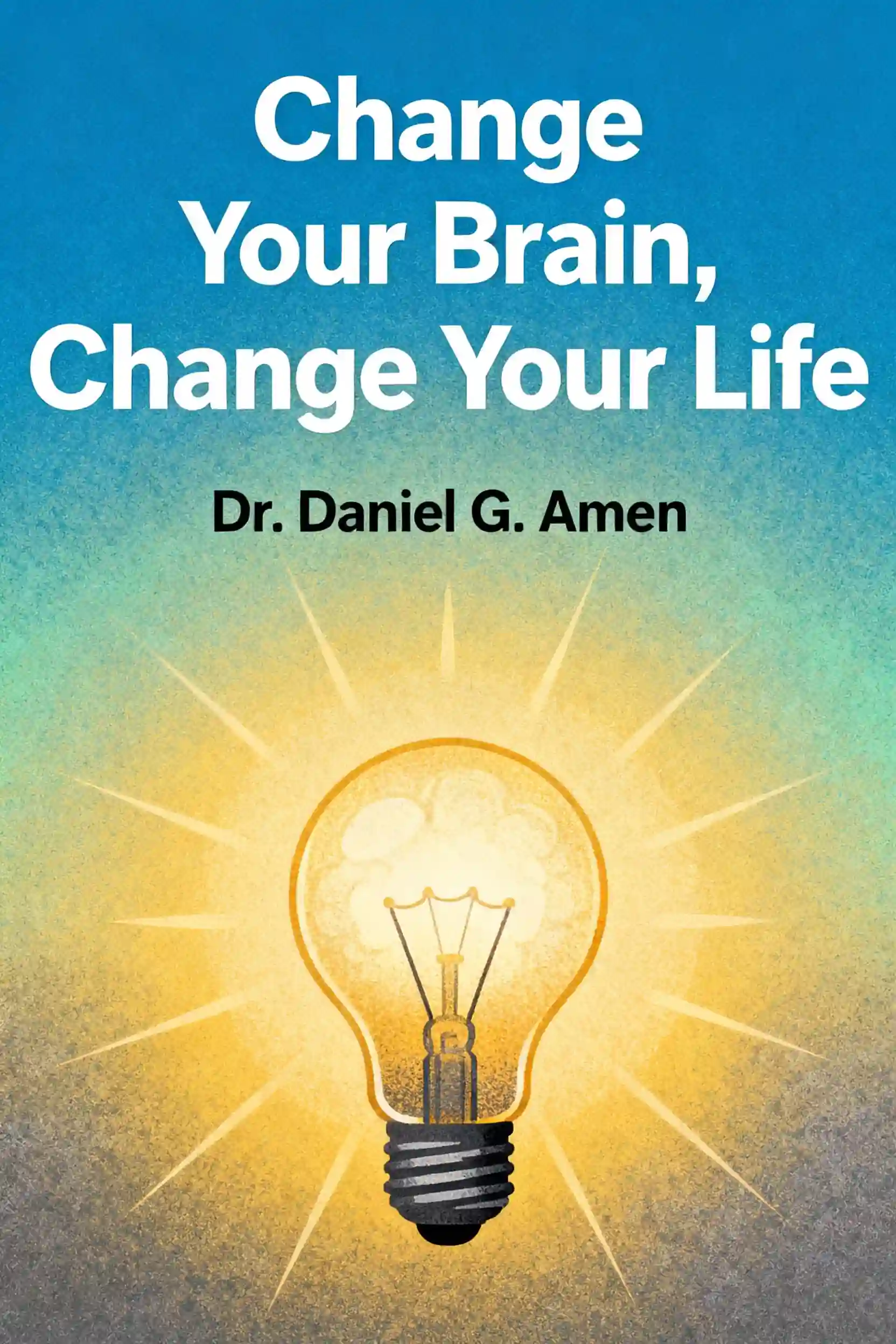
Häufig gestellte Fragen
Missing sleep after learning new information can slash your memory retention by 20% to 40%. While you sleep, your brain is intensely active, replaying memories to move them from temporary storage into long-term stability. Additionally, the brain's "cleaning system," known as the glymphatic system, is ten times more active during sleep, helping to maintain neural health.
The neural efficiency hypothesis suggests that as the brain becomes more skilled through training, it actually shows decreased activation in certain areas. Much like an expert driver uses less mental energy to shift gears than a beginner, a trained brain becomes more efficient. It develops "slicker" neural pathways that require less fuel and fewer recruited neurons to hold and process the same amount of information.
Yes, certain dietary choices act as "Miracle-Gro" for the brain by boosting Brain-Derived Neurotrophic Factor (BDNF). Research highlights that raisins and tart cherries are top-ranked for improving learning and memory in older adults due to their flavonoids. Additionally, supplements like Creatine provide energy reserves for neurons, while L-Arginine improves blood flow to the hippocampus, the brain's memory center.
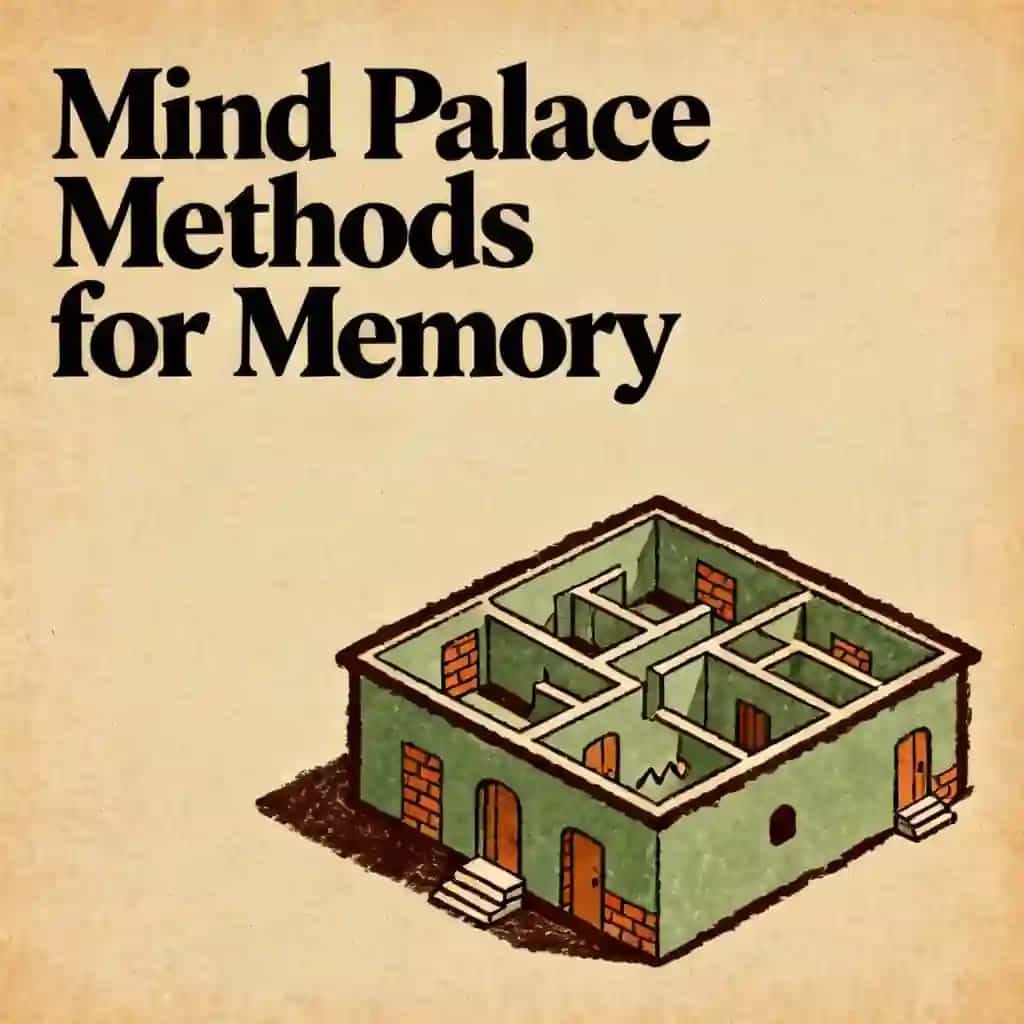
The Method of Loci, or "Memory Palace," is an ancient mnemonic strategy that ties abstract data to the brain’s natural spatial navigation abilities. To use it, you mentally walk through a familiar place, like your home, and "place" vivid, exaggerated images representing the facts you want to remember on specific furniture. When you need to recall the information, you simply retrace your mental path to find the visual cues.
Cognitive offloading is the practice of using external tools, like digital calendars or notes apps, to store logistical information such as dates and raw data. This is a sophisticated strategy that reduces "attention fragmentation" and frees up your biological working memory for higher-level thinking, such as problem-solving and making meaningful associations between concepts.
Mehr entdecken

Develop near-perfect memory
Memory is not fixed but a skill that can be dramatically improved through proven techniques. This learning plan benefits students, professionals, and anyone seeking to enhance cognitive performance by transforming ordinary memory into an exceptional tool for learning and daily life.
Rebuild Your Cognitive Engine
In an age of information overload, the ability to learn efficiently is the ultimate competitive advantage. This plan is designed for professionals and students who feel mentally drained and need a systematic approach to upgrading their memory, focus, and daily routines.

Sleep better
Quality sleep is the foundation of cognitive health and physical recovery in our fast-paced world. This plan is ideal for professionals, students, or anyone struggling with insomnia who wants to transform their rest into a competitive advantage.
Master photographic memory
Photographic memory skills can transform your learning capacity, professional performance, and everyday life. This learning plan is ideal for students, professionals, and lifelong learners seeking to enhance their memory capabilities and process information more efficiently.

How to study and learn
This plan bridges the gap between cognitive science and practical application for anyone looking to optimize their brain's potential. It is ideal for students, professionals, and lifelong learners who want to stop wasting time on ineffective habits and start mastering complex subjects faster.

Quiet the Evening Mind
This learning plan is designed for high-performers and chronic overthinkers who struggle to shut down their brains at the end of the day. By combining cognitive-behavioral insights with practical environmental shifts, it provides a roadmap for anyone looking to transform nighttime dread into genuine restoration.
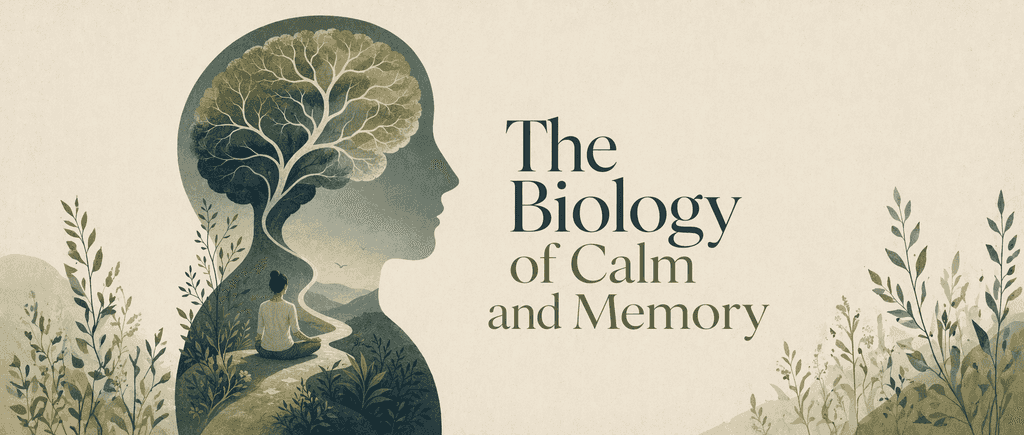
The Biology of Calm and Memory
This plan is essential for professionals and students who need to maintain cognitive clarity in high-stakes environments. It bridges the gap between neuroscience and practical study habits, making it ideal for anyone looking to master their memory while managing stress.

Biohack my sleep for oeak daily energy
In an era of chronic burnout, mastering your rest is the ultimate competitive advantage. This plan is designed for high-performers and professionals who want to leverage biological science to eliminate fatigue and unlock peak daily energy.
Von Columbia University Alumni in San Francisco entwickelt
"Instead of endless scrolling, I just hit play on BeFreed. It saves me so much time."


"I never knew where to start with nonfiction—BeFreed’s book lists turned into podcasts gave me a clear path."


"Perfect balance between learning and entertainment. Finished ‘Thinking, Fast and Slow’ on my commute this week."
"Crazy how much I learned while walking the dog. BeFreed = small habits → big gains."
"Reading used to feel like a chore. Now it’s just part of my lifestyle."

"Feels effortless compared to reading. I’ve finished 6 books this month already."
"BeFreed turned my guilty doomscrolling into something that feels productive and inspiring."

"BeFreed turned my commute into learning time. 20-min podcasts are perfect for finishing books I never had time for."
"BeFreed replaced my podcast queue. Imagine Spotify for books — that’s it. 🙌"

"It is great for me to learn something from the book without reading it."
"The themed book list podcasts help me connect ideas across authors—like a guided audio journey."
"Makes me feel smarter every time before going to work"
Von Columbia University Alumni in San Francisco entwickelt
"Instead of endless scrolling, I just hit play on BeFreed. It saves me so much time."
"I never knew where to start with nonfiction—BeFreed’s book lists turned into podcasts gave me a clear path."
"Perfect balance between learning and entertainment. Finished ‘Thinking, Fast and Slow’ on my commute this week."
"Crazy how much I learned while walking the dog. BeFreed = small habits → big gains."
"Reading used to feel like a chore. Now it’s just part of my lifestyle."
"Feels effortless compared to reading. I’ve finished 6 books this month already."
"BeFreed turned my guilty doomscrolling into something that feels productive and inspiring."
"BeFreed turned my commute into learning time. 20-min podcasts are perfect for finishing books I never had time for."
"BeFreed replaced my podcast queue. Imagine Spotify for books — that’s it. 🙌"
"It is great for me to learn something from the book without reading it."
"The themed book list podcasts help me connect ideas across authors—like a guided audio journey."
"Makes me feel smarter every time before going to work"
"Instead of endless scrolling, I just hit play on BeFreed. It saves me so much time."
"I never knew where to start with nonfiction—BeFreed’s book lists turned into podcasts gave me a clear path."
"Perfect balance between learning and entertainment. Finished ‘Thinking, Fast and Slow’ on my commute this week."
"Crazy how much I learned while walking the dog. BeFreed = small habits → big gains."
"Reading used to feel like a chore. Now it’s just part of my lifestyle."
"Feels effortless compared to reading. I’ve finished 6 books this month already."
"BeFreed turned my guilty doomscrolling into something that feels productive and inspiring."
"BeFreed turned my commute into learning time. 20-min podcasts are perfect for finishing books I never had time for."
"BeFreed replaced my podcast queue. Imagine Spotify for books — that’s it. 🙌"
"It is great for me to learn something from the book without reading it."
"The themed book list podcasts help me connect ideas across authors—like a guided audio journey."
"Makes me feel smarter every time before going to work"
"Instead of endless scrolling, I just hit play on BeFreed. It saves me so much time."
"I never knew where to start with nonfiction—BeFreed’s book lists turned into podcasts gave me a clear path."
"Perfect balance between learning and entertainment. Finished ‘Thinking, Fast and Slow’ on my commute this week."
"Crazy how much I learned while walking the dog. BeFreed = small habits → big gains."
"Reading used to feel like a chore. Now it’s just part of my lifestyle."
"Feels effortless compared to reading. I’ve finished 6 books this month already."
"BeFreed turned my guilty doomscrolling into something that feels productive and inspiring."
"BeFreed turned my commute into learning time. 20-min podcasts are perfect for finishing books I never had time for."
"BeFreed replaced my podcast queue. Imagine Spotify for books — that’s it. 🙌"
"It is great for me to learn something from the book without reading it."
"The themed book list podcasts help me connect ideas across authors—like a guided audio journey."
"Makes me feel smarter every time before going to work"




![MAKE IT STICK , BROWN, PETER C. [Hardcover] HARVARD UNIVERSITY PRESS](/_next/image?url=https%3A%2F%2Fd3lvzgn0lx7rb2.cloudfront.net%2Fcovers%2Fa3c49b6b-abd7-4c1b-afb2-09b323ee76c0%2Fimage_resized.webp&w=1024&q=50)