The High-Achiever’s Guide to Rumination and Overthinking
Explore why high-achievers struggle with rumination and overthinking. Learn about perseverative thought patterns and the evolutionary psychology behind mental replays.

Bestes Zitat aus The High-Achiever’s Guide to Rumination and Overthinking
The goal isn't to become a person who doesn't care; it’s to become a person who cares effectively. By understanding the neural loops of the brain, you can stop seeing your thoughts as 'the truth' and start seeing them as 'processes.'
Generated by Joseph Kirk
A 30-minute detailed audio lesson on the neuroscience and psychology of rumination and obsessive thinking in high-achieving individuals. Focus on: why the brain fixates on unresolved social/romantic situations and past embarrassments, the link between high ambition and rumination, and evidence-based techniques for interrupting thought loops permanently. Provide strategies for building mental architecture to stay present-focused rather than replaying the past or fantasizing about the future.






Häufig gestellte Fragen
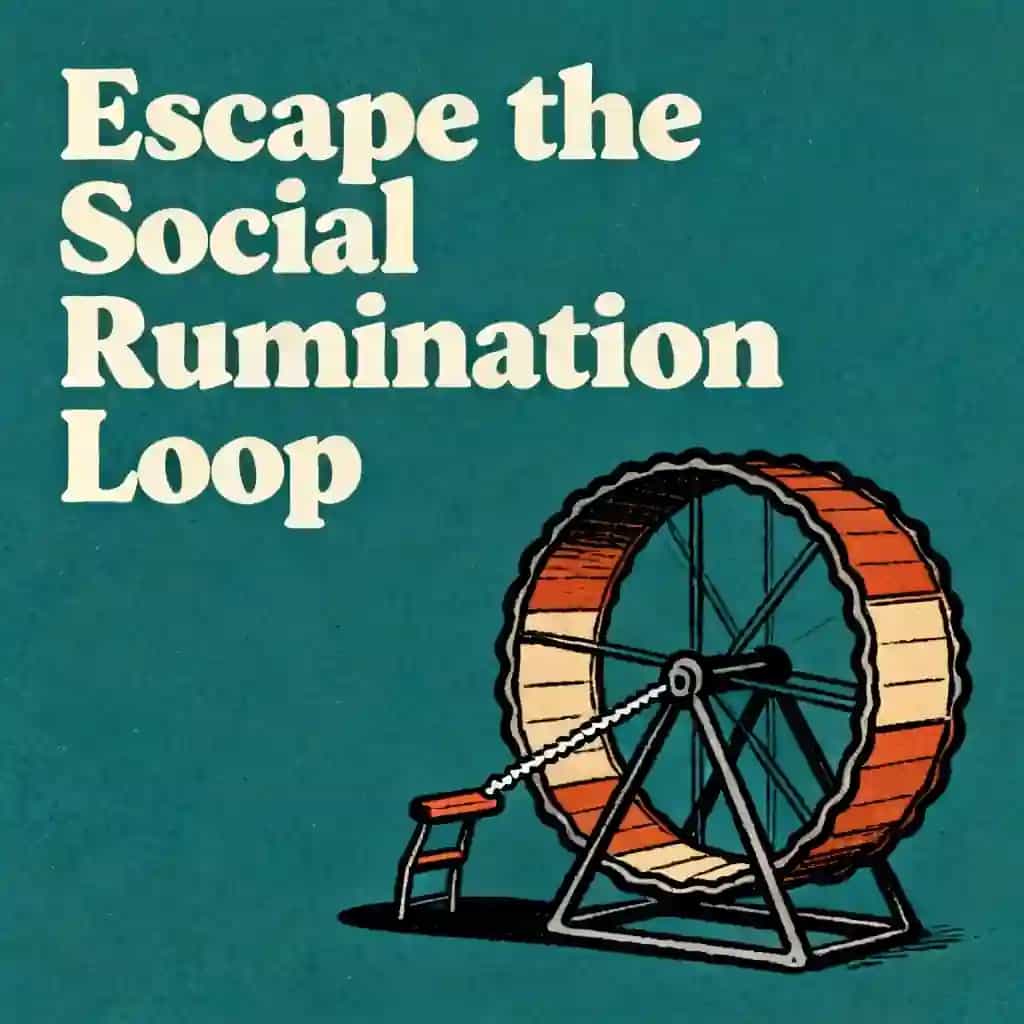
Rumination is a specific cognitive phenomenon characterized by a perseverative thought pattern that focuses on negative, self-relevant information. For high-achievers, this often manifests as intense mental replays of past mistakes or awkward social interactions, even after achieving significant success. It feels like a glitch where a high-powered brain becomes stuck in a spinning wheel of self-doubt, prioritizing minor errors over major professional milestones and personal accomplishments.
High-achievers often experience overthinking because their brains are wired for success but can become stuck in high-stakes dramas regarding past events. This process involves the brain acting like an overzealous security guard. From an evolutionary psychology perspective, the brain prioritizes uncomfortable emotions like shame or embarrassment to protect the individual, even if it leads to a frustrating cycle of questioning one's actions and worrying about the perceptions of others.
No, rumination is not a sign of failure; it is a common cognitive phenomenon among those focused on mental health for success. Even individuals who land promotions or lead major presentations can find their brains focusing on a single moment where they tripped over their words. Understanding that this is a perseverative thought pattern—rather than a reflection of actual performance—is key to navigating the high-achiever's guide to rumination and overthinking.
Von Columbia University Alumni in San Francisco entwickelt
"Instead of endless scrolling, I just hit play on BeFreed. It saves me so much time."


"I never knew where to start with nonfiction—BeFreed’s book lists turned into podcasts gave me a clear path."


"Perfect balance between learning and entertainment. Finished ‘Thinking, Fast and Slow’ on my commute this week."
"Crazy how much I learned while walking the dog. BeFreed = small habits → big gains."
"Reading used to feel like a chore. Now it’s just part of my lifestyle."

"Feels effortless compared to reading. I’ve finished 6 books this month already."
"BeFreed turned my guilty doomscrolling into something that feels productive and inspiring."

"BeFreed turned my commute into learning time. 20-min podcasts are perfect for finishing books I never had time for."
"BeFreed replaced my podcast queue. Imagine Spotify for books — that’s it. 🙌"

"It is great for me to learn something from the book without reading it."
"The themed book list podcasts help me connect ideas across authors—like a guided audio journey."
"Makes me feel smarter every time before going to work"
 Ask ChatGPT
 Ask Claude
Von Columbia University Alumni in San Francisco entwickelt
"Instead of endless scrolling, I just hit play on BeFreed. It saves me so much time."
"I never knew where to start with nonfiction—BeFreed’s book lists turned into podcasts gave me a clear path."
"Perfect balance between learning and entertainment. Finished ‘Thinking, Fast and Slow’ on my commute this week."
"Crazy how much I learned while walking the dog. BeFreed = small habits → big gains."
"Reading used to feel like a chore. Now it’s just part of my lifestyle."
"Feels effortless compared to reading. I’ve finished 6 books this month already."
"BeFreed turned my guilty doomscrolling into something that feels productive and inspiring."
"BeFreed turned my commute into learning time. 20-min podcasts are perfect for finishing books I never had time for."
"BeFreed replaced my podcast queue. Imagine Spotify for books — that’s it. 🙌"
"It is great for me to learn something from the book without reading it."
"The themed book list podcasts help me connect ideas across authors—like a guided audio journey."
"Makes me feel smarter every time before going to work"
"Instead of endless scrolling, I just hit play on BeFreed. It saves me so much time."
"I never knew where to start with nonfiction—BeFreed’s book lists turned into podcasts gave me a clear path."
"Perfect balance between learning and entertainment. Finished ‘Thinking, Fast and Slow’ on my commute this week."
"Crazy how much I learned while walking the dog. BeFreed = small habits → big gains."
"Reading used to feel like a chore. Now it’s just part of my lifestyle."
"Feels effortless compared to reading. I’ve finished 6 books this month already."
"BeFreed turned my guilty doomscrolling into something that feels productive and inspiring."
"BeFreed turned my commute into learning time. 20-min podcasts are perfect for finishing books I never had time for."
"BeFreed replaced my podcast queue. Imagine Spotify for books — that’s it. 🙌"
"It is great for me to learn something from the book without reading it."
"The themed book list podcasts help me connect ideas across authors—like a guided audio journey."
"Makes me feel smarter every time before going to work"
"Instead of endless scrolling, I just hit play on BeFreed. It saves me so much time."
"I never knew where to start with nonfiction—BeFreed’s book lists turned into podcasts gave me a clear path."
"Perfect balance between learning and entertainment. Finished ‘Thinking, Fast and Slow’ on my commute this week."
"Crazy how much I learned while walking the dog. BeFreed = small habits → big gains."
"Reading used to feel like a chore. Now it’s just part of my lifestyle."
"Feels effortless compared to reading. I’ve finished 6 books this month already."
"BeFreed turned my guilty doomscrolling into something that feels productive and inspiring."
"BeFreed turned my commute into learning time. 20-min podcasts are perfect for finishing books I never had time for."
"BeFreed replaced my podcast queue. Imagine Spotify for books — that’s it. 🙌"
"It is great for me to learn something from the book without reading it."
"The themed book list podcasts help me connect ideas across authors—like a guided audio journey."
"Makes me feel smarter every time before going to work"