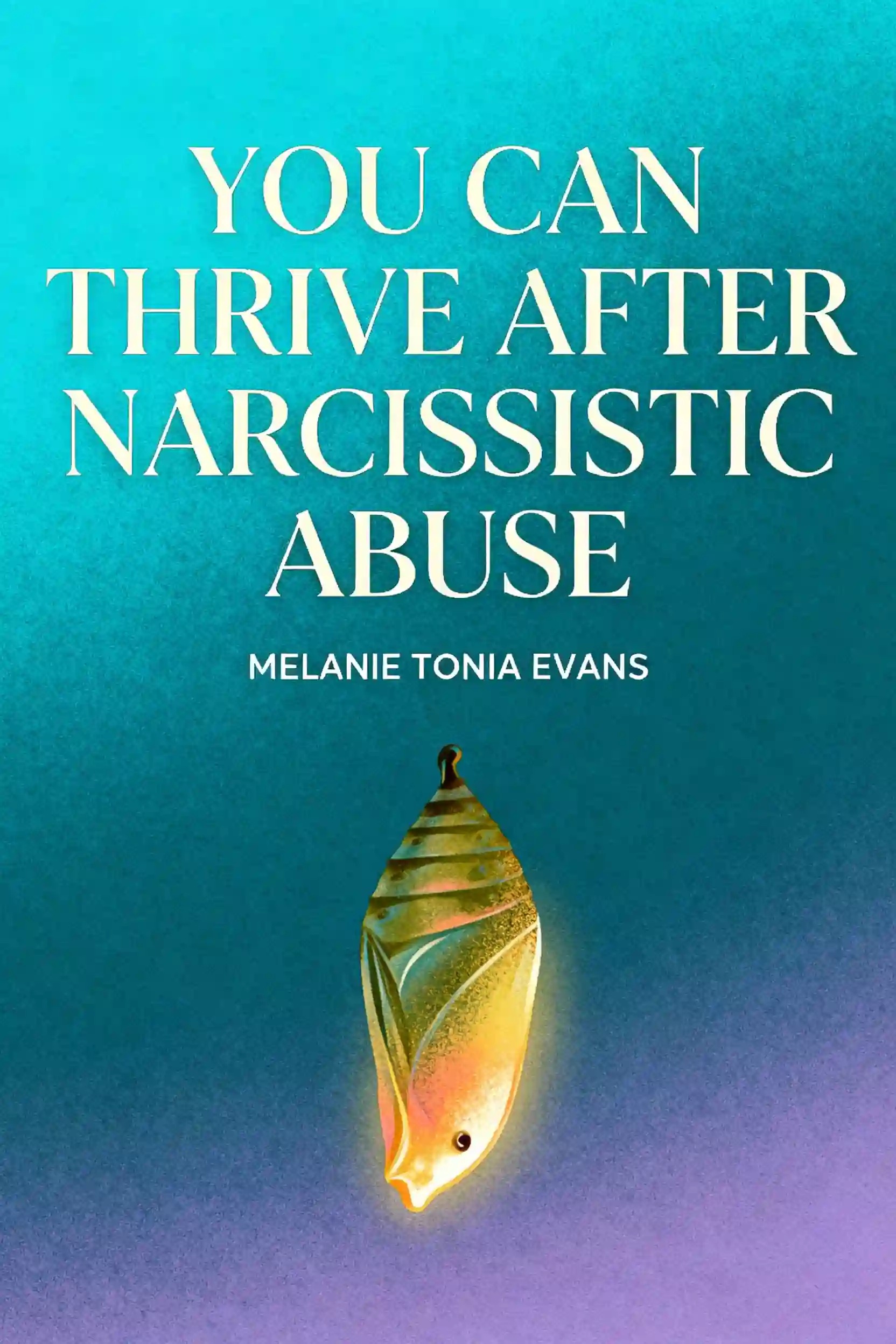
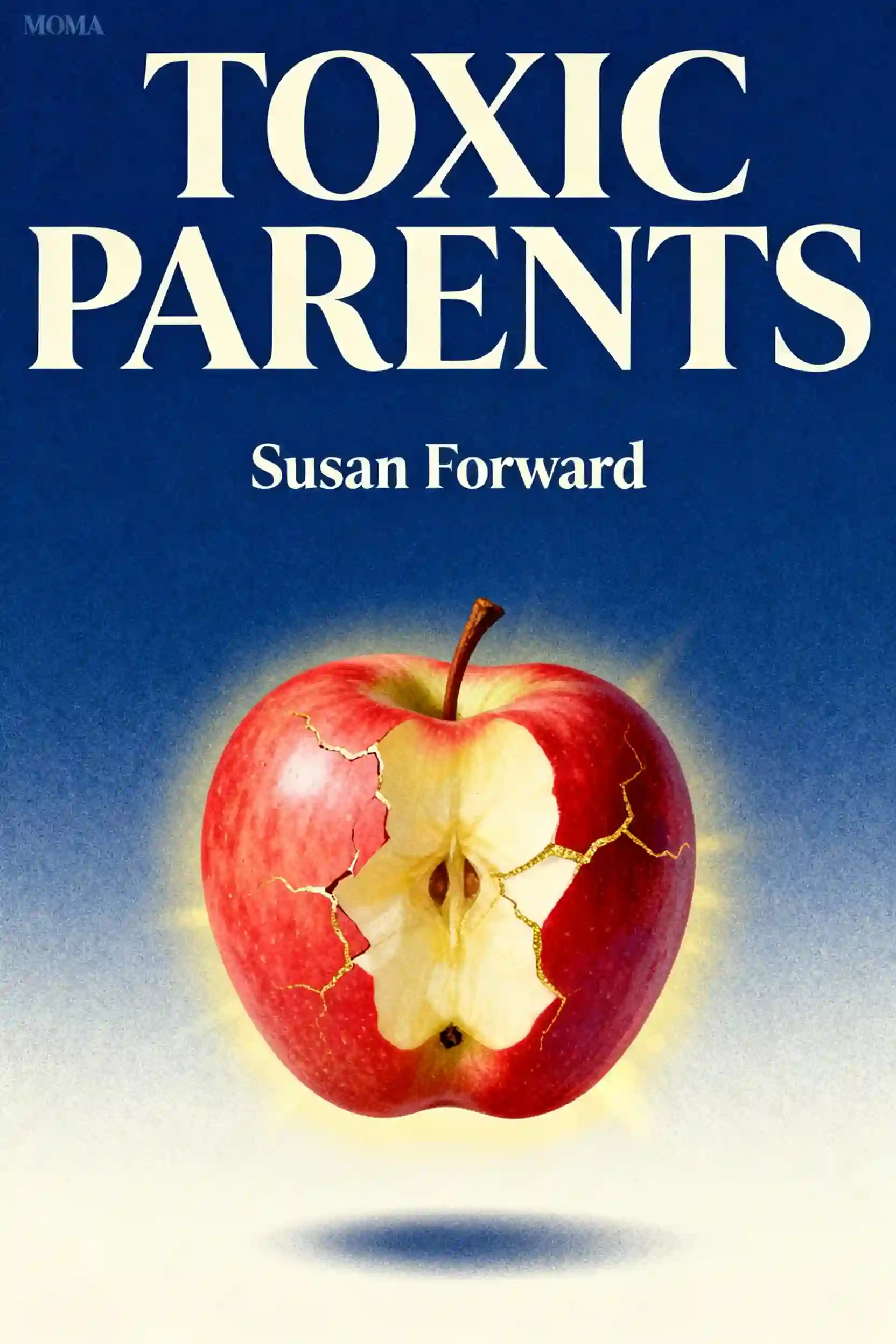
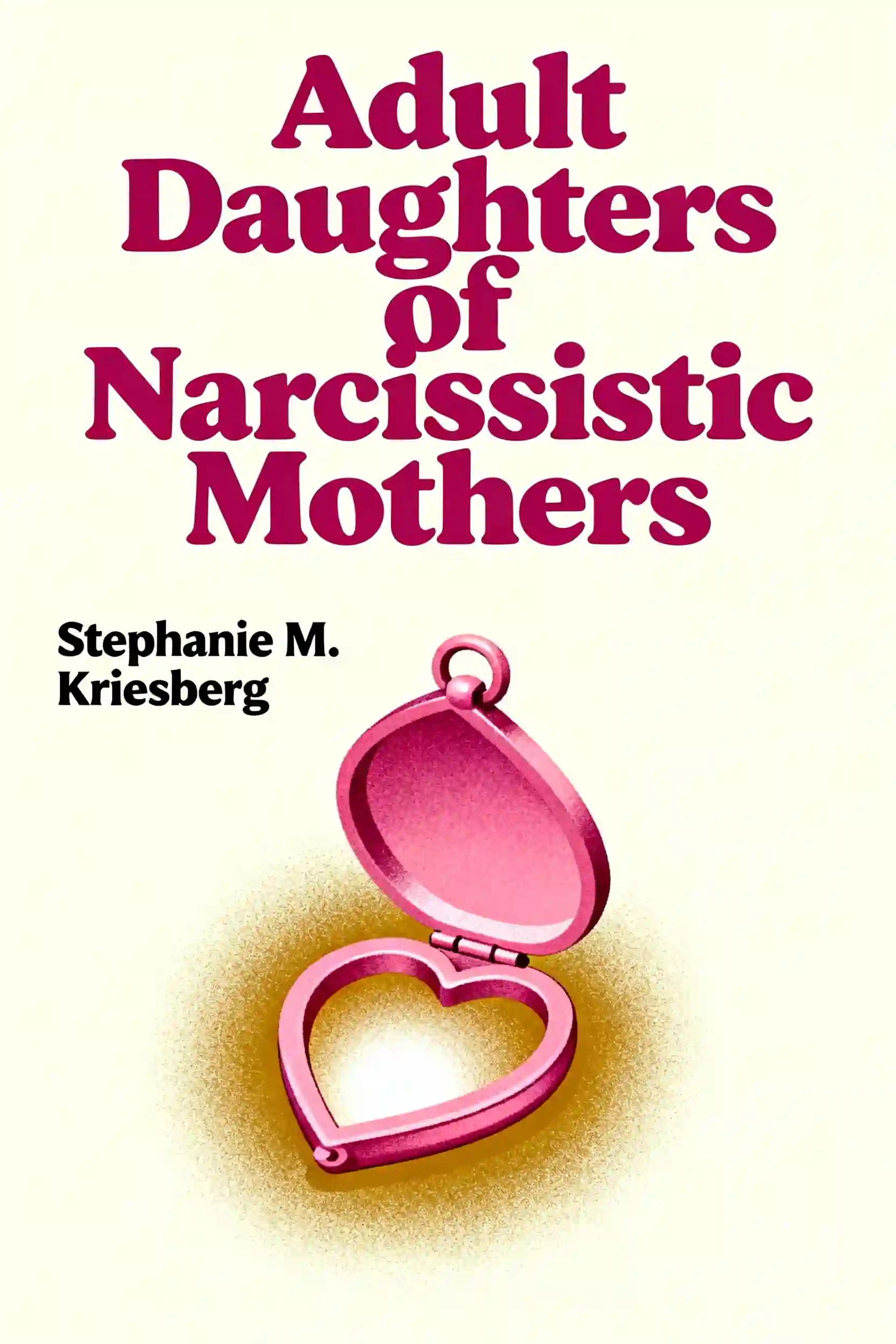
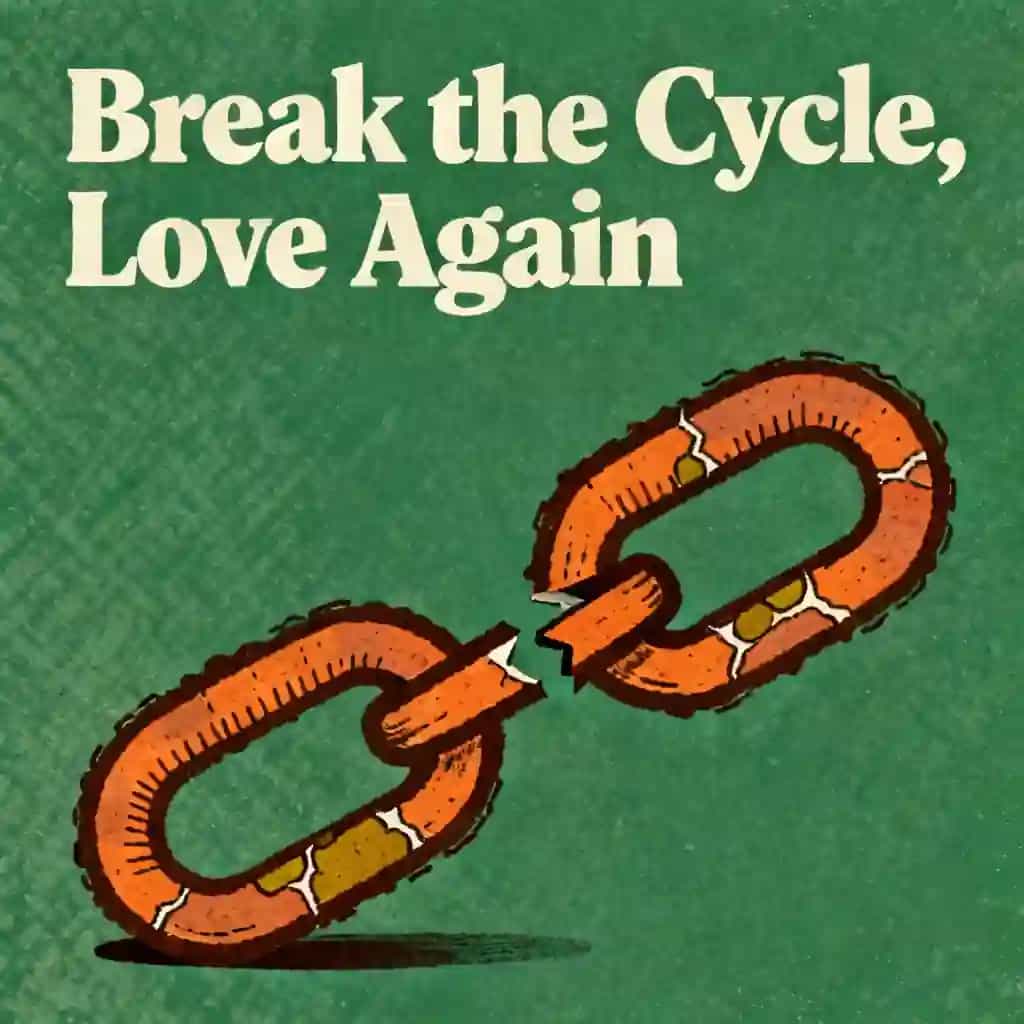
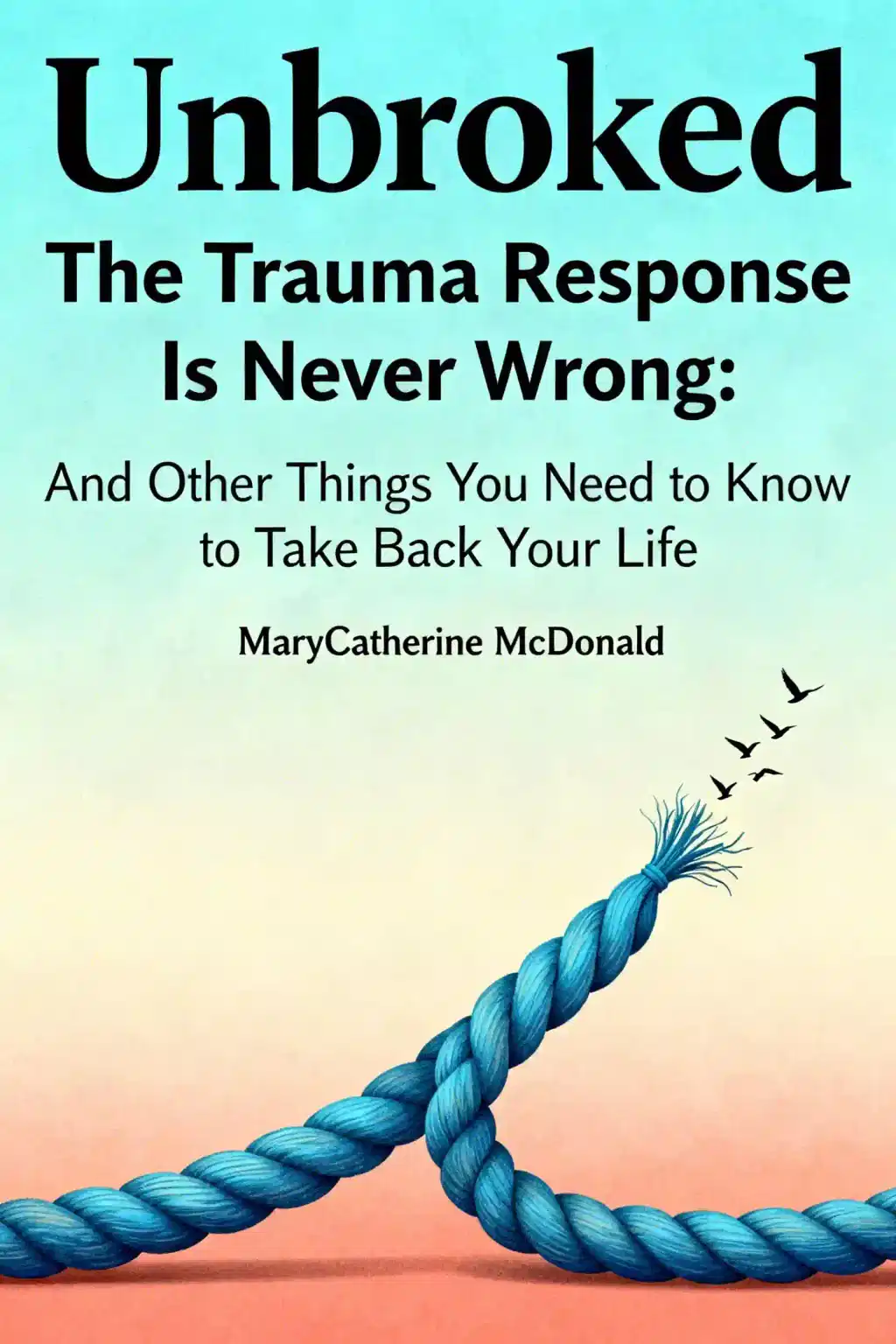
Recovering from a toxic relationship is a physiological process, not just a breakup. Learn how to rewire your nervous system and reclaim your identity.
Bestes Zitat aus Healing From Narcissistic Abuse Is More Than Time
“
Recovery isn't a straight line, and it’s not just a matter of waiting for time to pass; it is a staged, physiological process of reclaiming your nervous system and your identity.
”
M
Generated by Madison
Eingabefrage
healing from narcissistic abu
Moderatorstimmen
Lena
Miles
Wissensquellen
Häufig gestellte Fragen
Healing from narcissistic abuse is more complex than recovering from a standard breakup because the experience causes a physiological injury to the nervous system. The "trauma bond" a survivor feels is not a sign of love, but a biological response similar to an addiction caused by intermittent rewards and "neural hijacking." Because the abuse systematically erodes a person’s sense of identity and trust in their own perceptions through gaslighting, recovery requires a structured roadmap rather than just the passage of time.
While standard PTSD often stems from a single traumatic event, narcissistic abuse typically results in Complex PTSD (CPTSD). Clinicians describe this as "death by a thousand cuts" because it involves prolonged, repeated relational trauma. Symptoms of CPTSD include emotional dysregulation, a pervasively negative self-concept, and a fundamentally altered sense of identity. Because this trauma is stored in the body—manifesting as hypervigilance or "muscular armoring"—recovery often requires somatic-based therapies like EMDR to help the brain archive these memories as past events.
When physical or financial ties make "No Contact" impossible, the "Grey Rock" method is the recommended alternative. This strategy involves becoming as boring and unrewarding as a grey rock by providing only factual, brief, and non-emotional responses to the abuser. By refusing to provide "emotional supply," you lower the emotional temperature of the interaction. This allows your nervous system to exit the "fight-or-flight" mode and creates a window of tolerance where you can begin to think clearly and prioritize your own safety.
The recovery roadmap emphasizes that safety and stabilization must come before deep psychological work or new romantic attachments. Immediately after the abuse, the brain's fear center (the amygdala) is on high alert, and the body is still reacting to the "push-pull" cycle of the trauma bond. Attempting to rush into a new relationship or intense therapy before establishing basic safety can stall progress. Survivors are encouraged to first practice "graduated exposure" by building low-stakes connections with friends or support groups to retrain their "social heart" to recognize true safety.
Identity reconstruction is the stage where a survivor generates a new version of themselves rather than trying to return to their "pre-abuse" self. Since narcissistic abuse involves "identity erosion"—where the abuser’s version of the victim replaces their own self-concept—healing requires a "deep-cleaning" of internal beliefs. This involves examining every internal thought to determine if it is your own voice or the voice of the abuser, eventually replacing "conditions of worth" with unconditional self-regard and a return to trusting your own "gut feelings."
Von Columbia University Alumni | in San Francisco entwickelt
BeFreed vereint eine globale Gemeinschaft wissbegieriger Menschen
4.7
Durchschnittsbewertung
7.840+ App-Bewertungen
BeFreed-Community
Ehrlich, ich habe die App noch gar nicht komplett erkundet, aber nach den letzten Tagen bin ich schwer beeindruckt… BeFreed spielt in einer ganz anderen Liga als alle anderen Lern-Apps, die ich benutzt habe. Es ist unglaublich fesselnd und verbessert tatsächlich die Konzentration — perfekt für alle Doomscroller!
@ladyInfinity
Ich habe BeFreed vor genau 23 Tagen gekauft und es seitdem jeden einzelnen Tag benutzt. Es ist fest in meinen Arbeitsalltag und meine Lernroutine eingebettet.
@jayallen
Die App hat ehrlich gesagt alle meine Erwartungen übertroffen. Ich kann sie zu jedem beliebigen Thema Audio erstellen lassen, und das Ergebnis ist beeindruckend. Mein Fachgebiet ist eine Spezialisierung in Psychotherapie, sehr interdisziplinär — trotzdem sind die Antworten sehr präzise.
@Raguipa
Am meisten schätze ich, wie sehr es mein Scrollen reduziert hat – ich verbringe weniger Zeit mit Suchen und mehr Zeit damit, Wissen aufzunehmen. Die Kombination aus kompletten Hörbüchern, Podcasts und den Lernplänen ist brillant.
@colonyofcreatorsNGO
Ich bin seit 24 Jahren PhotoReading-Trainer für beschleunigtes Lernen… Bücher, Lesen und Lernen sind mein Ding, und BeFreed liefert einen innovativen Ansatz, Wissen leicht konsumierbar aufzubereiten und zu vermitteln — wirklich gut gemacht.
@BeFreed user
Es ist nicht nur eine Buchzusammenfassungs-App: Ich habe die Option „Fun Reading“ ausprobiert — eine viel bessere Zusammenfassung und ein besserer Weg, Ideen zu erfassen als auf die klassische Art. Allein das ist den Preis wert.
@austinakon
Ich liebe diese App. Ich benutze sie seit ein paar Tagen und kann nicht aufhören zuzuhören. Ein großartiger Einstieg.
@jcrules328
Ich mag das Programm wirklich sehr; ich teste es jetzt seit etwa einem Monat und finde, es ist ein echtes Juwel. Es funktioniert so gut, weil ich mit BeFreed meine eigenen Themen erstellen kann, und die Stimme ist großartig — mit unbegrenzter Auswahl an Erzählstimmen.
@DanielCZ
Ehrlich, ich habe die App noch gar nicht komplett erkundet, aber nach den letzten Tagen bin ich schwer beeindruckt… BeFreed spielt in einer ganz anderen Liga als alle anderen Lern-Apps, die ich benutzt habe. Es ist unglaublich fesselnd und verbessert tatsächlich die Konzentration — perfekt für alle Doomscroller!
@ladyInfinity
Ich habe BeFreed vor genau 23 Tagen gekauft und es seitdem jeden einzelnen Tag benutzt. Es ist fest in meinen Arbeitsalltag und meine Lernroutine eingebettet.
@jayallen
Die App hat ehrlich gesagt alle meine Erwartungen übertroffen. Ich kann sie zu jedem beliebigen Thema Audio erstellen lassen, und das Ergebnis ist beeindruckend. Mein Fachgebiet ist eine Spezialisierung in Psychotherapie, sehr interdisziplinär — trotzdem sind die Antworten sehr präzise.
@Raguipa
Am meisten schätze ich, wie sehr es mein Scrollen reduziert hat – ich verbringe weniger Zeit mit Suchen und mehr Zeit damit, Wissen aufzunehmen. Die Kombination aus kompletten Hörbüchern, Podcasts und den Lernplänen ist brillant.
@colonyofcreatorsNGO
Ich bin seit 24 Jahren PhotoReading-Trainer für beschleunigtes Lernen… Bücher, Lesen und Lernen sind mein Ding, und BeFreed liefert einen innovativen Ansatz, Wissen leicht konsumierbar aufzubereiten und zu vermitteln — wirklich gut gemacht.
@BeFreed user
Es ist nicht nur eine Buchzusammenfassungs-App: Ich habe die Option „Fun Reading“ ausprobiert — eine viel bessere Zusammenfassung und ein besserer Weg, Ideen zu erfassen als auf die klassische Art. Allein das ist den Preis wert.
@austinakon
Ich liebe diese App. Ich benutze sie seit ein paar Tagen und kann nicht aufhören zuzuhören. Ein großartiger Einstieg.
@jcrules328
Ich mag das Programm wirklich sehr; ich teste es jetzt seit etwa einem Monat und finde, es ist ein echtes Juwel. Es funktioniert so gut, weil ich mit BeFreed meine eigenen Themen erstellen kann, und die Stimme ist großartig — mit unbegrenzter Auswahl an Erzählstimmen.
@DanielCZ
Ich liebe es, nützliche, verdichtete Informationen und Ideen in einem 8–15-minütigen Audio im Podcast-Stil zu bekommen. Ich bin eigentlich kein Podcast-Fan, weil da so viel Füllmaterial dabei ist — aber hier fällt das alles weg.
@BeFreed user
Ich bin gerade dabei, meine Doktorarbeit abzuschließen, und muss viel unbekanntes Material lesen… Bei BeFreed gibst du einfach einen Prompt ein, die App findet Quellenmaterial für dich und erstellt einen Audio-Podcast. Ich finde den Ablauf in BeFreed schlanker als bei NotebookLM.
@Brad
Ich suche oft auf YouTube nach etwas zum Anhören — beim Frühstückmachen, Spazierengehen oder Pendeln — und BeFreed bietet einen noch gezielteren Ansatz, ohne Werbung und ohne Füllmaterial!
@BeFreed user
Das absolut Beste an dieser Plattform ist ihre Vielseitigkeit. Es gibt buchstäblich kein Thema, das nicht geht. Sie meistert alles, was man ihr gibt… Es ist selten, ein Lerntool ohne Einschränkungen zu finden, das seine Versprechen wirklich hält.
@jayallen
BeFreed ist fantastisch. Das benutzerfreundliche Design bedeutet, dass ich weniger Zeit mit Navigieren und mehr Zeit mit Lernen verbringe. Die Mischung aus Hörbüchern, Podcasts und Lernplänen ist eine geniale Kombination, die meinen Alltag komplett verändert hat.
@BeFreed user
Am Anfang habe ich eine Weile gebraucht, um zu verstehen, wie man Podcasts auf Italienisch erstellt — und dann: boom! Es ist so großartig! Ich kann mir jedes Thema erklären lassen, und das macht es richtig gut und richtig clever!
@matteo77
BeFreed ist meine tägliche App für Hörbücher geworden… Am besten gefällt mir, dass man seinen Text einfügt und ein Audio bekommt, das man unterwegs anhören kann.
@kotanzu1
Ich liebe es, nützliche, verdichtete Informationen und Ideen in einem 8–15-minütigen Audio im Podcast-Stil zu bekommen. Ich bin eigentlich kein Podcast-Fan, weil da so viel Füllmaterial dabei ist — aber hier fällt das alles weg.
@BeFreed user
Ich bin gerade dabei, meine Doktorarbeit abzuschließen, und muss viel unbekanntes Material lesen… Bei BeFreed gibst du einfach einen Prompt ein, die App findet Quellenmaterial für dich und erstellt einen Audio-Podcast. Ich finde den Ablauf in BeFreed schlanker als bei NotebookLM.
@Brad
Ich suche oft auf YouTube nach etwas zum Anhören — beim Frühstückmachen, Spazierengehen oder Pendeln — und BeFreed bietet einen noch gezielteren Ansatz, ohne Werbung und ohne Füllmaterial!
@BeFreed user
Das absolut Beste an dieser Plattform ist ihre Vielseitigkeit. Es gibt buchstäblich kein Thema, das nicht geht. Sie meistert alles, was man ihr gibt… Es ist selten, ein Lerntool ohne Einschränkungen zu finden, das seine Versprechen wirklich hält.
@jayallen
BeFreed ist fantastisch. Das benutzerfreundliche Design bedeutet, dass ich weniger Zeit mit Navigieren und mehr Zeit mit Lernen verbringe. Die Mischung aus Hörbüchern, Podcasts und Lernplänen ist eine geniale Kombination, die meinen Alltag komplett verändert hat.
@BeFreed user
Am Anfang habe ich eine Weile gebraucht, um zu verstehen, wie man Podcasts auf Italienisch erstellt — und dann: boom! Es ist so großartig! Ich kann mir jedes Thema erklären lassen, und das macht es richtig gut und richtig clever!
@matteo77
BeFreed ist meine tägliche App für Hörbücher geworden… Am besten gefällt mir, dass man seinen Text einfügt und ein Audio bekommt, das man unterwegs anhören kann.
Exploring whether narcissists can truly transform from betrayer to healer, examining the spectrum of narcissism, trauma bonds, and the complex question of whether relationships with narcissists are worth saving.
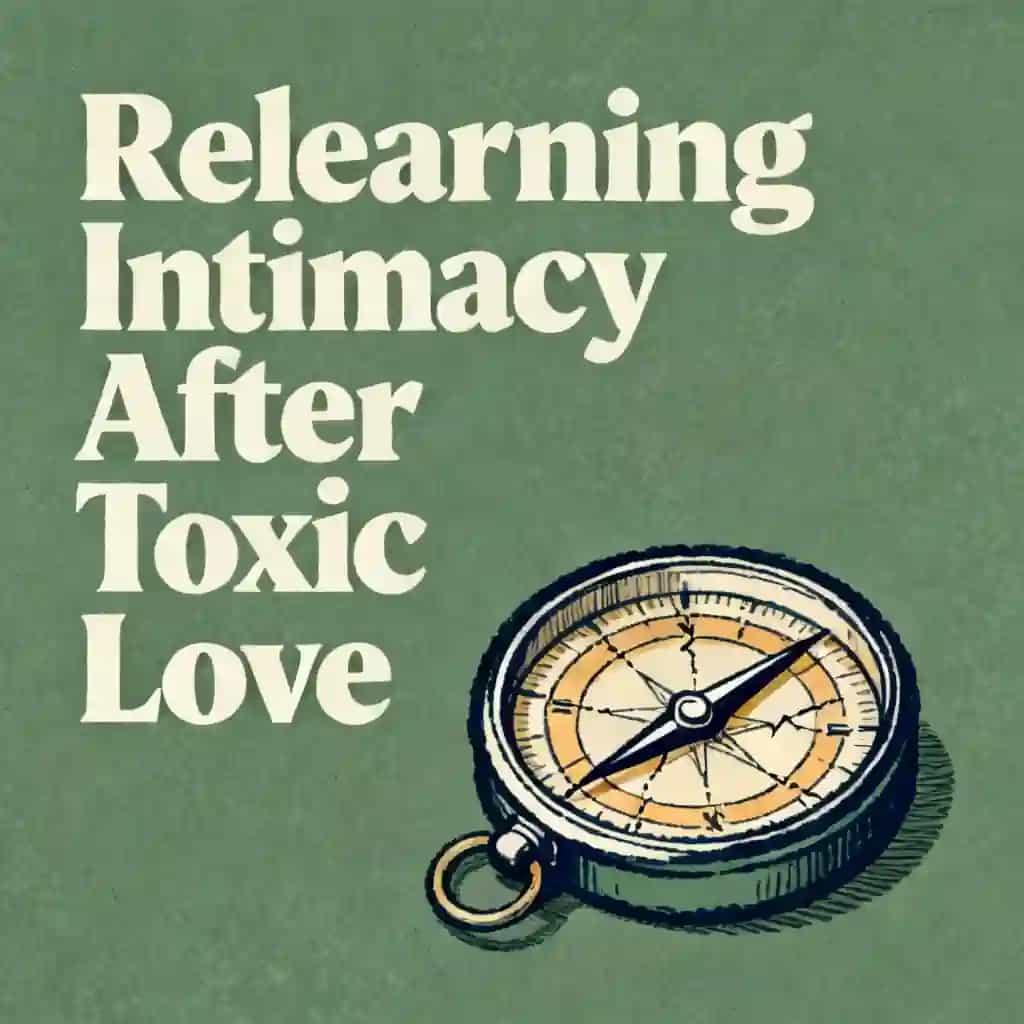
Learn how to retrain your nervous system and dismantle protective barriers so you can fully embrace a healthy relationship without the weight of your past.
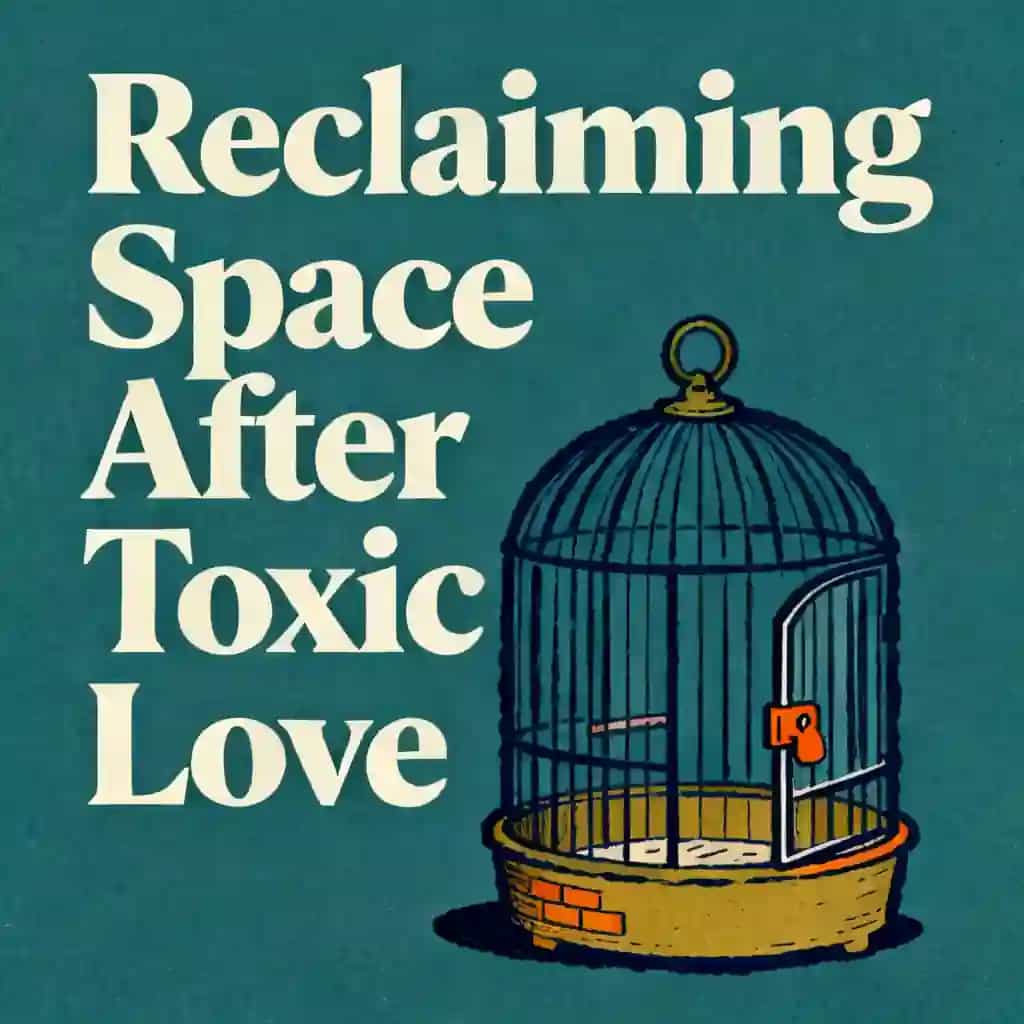
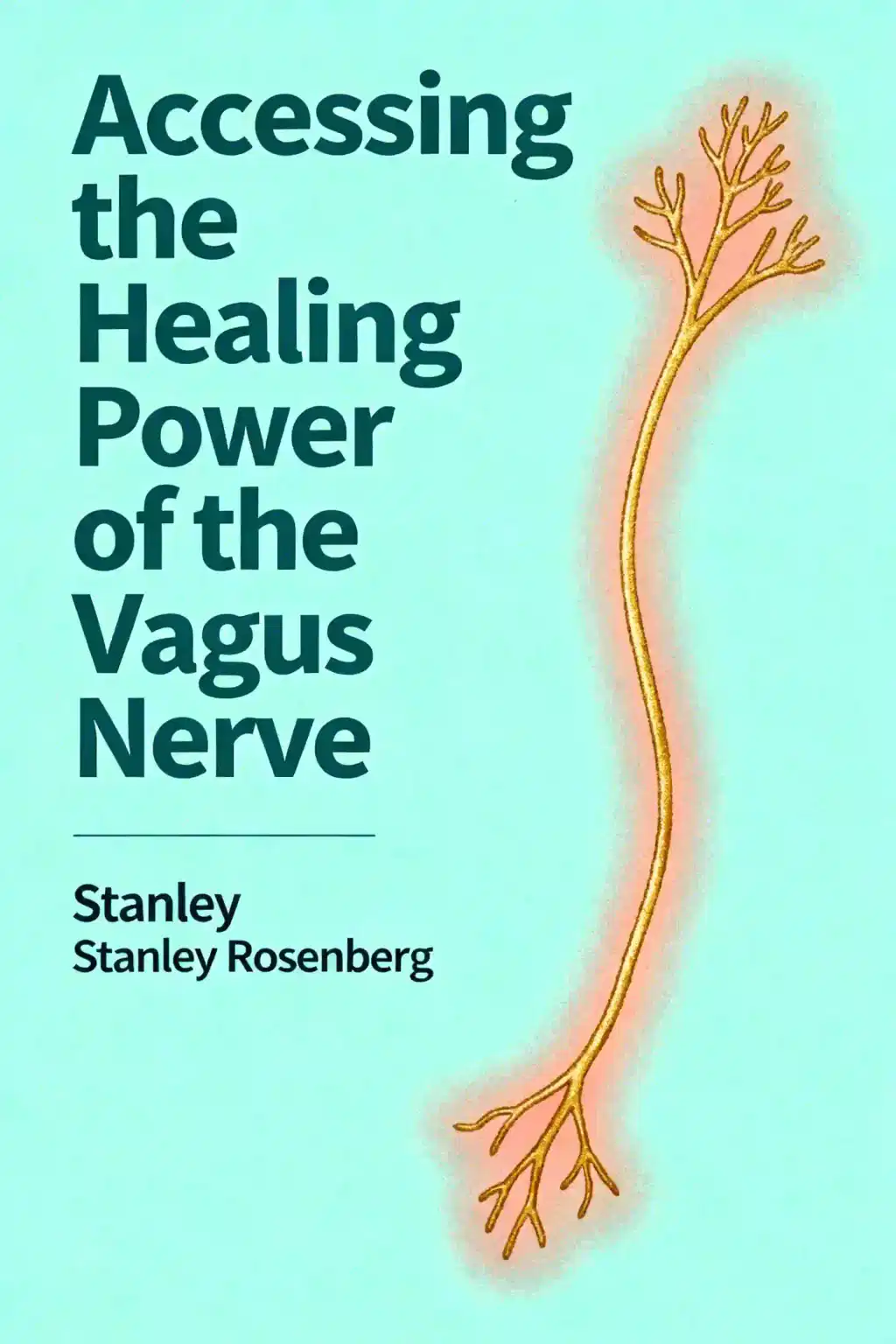
Discover how to transform your relationship with your nervous system from adversary to ally, breaking free from complex PTSD, attachment wounds, and rejection sensitivity through body-based healing practices.