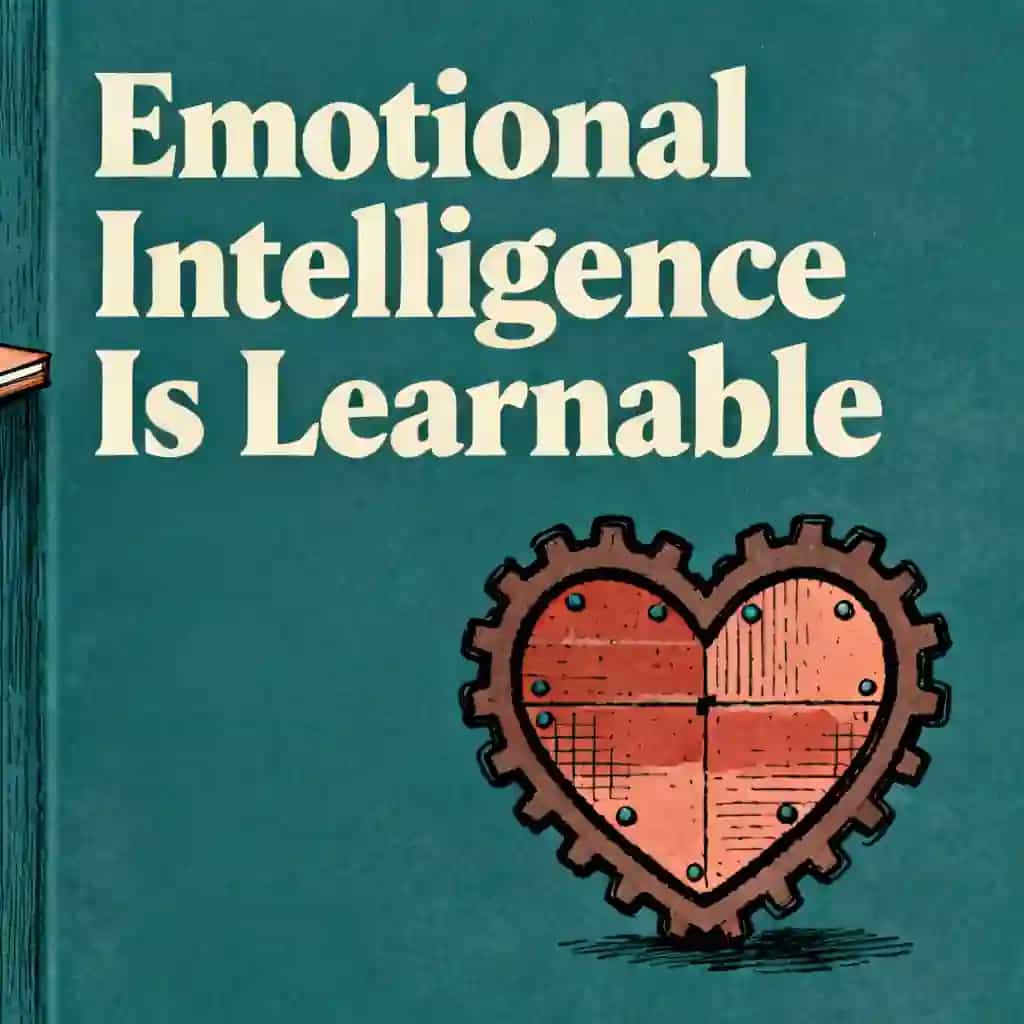
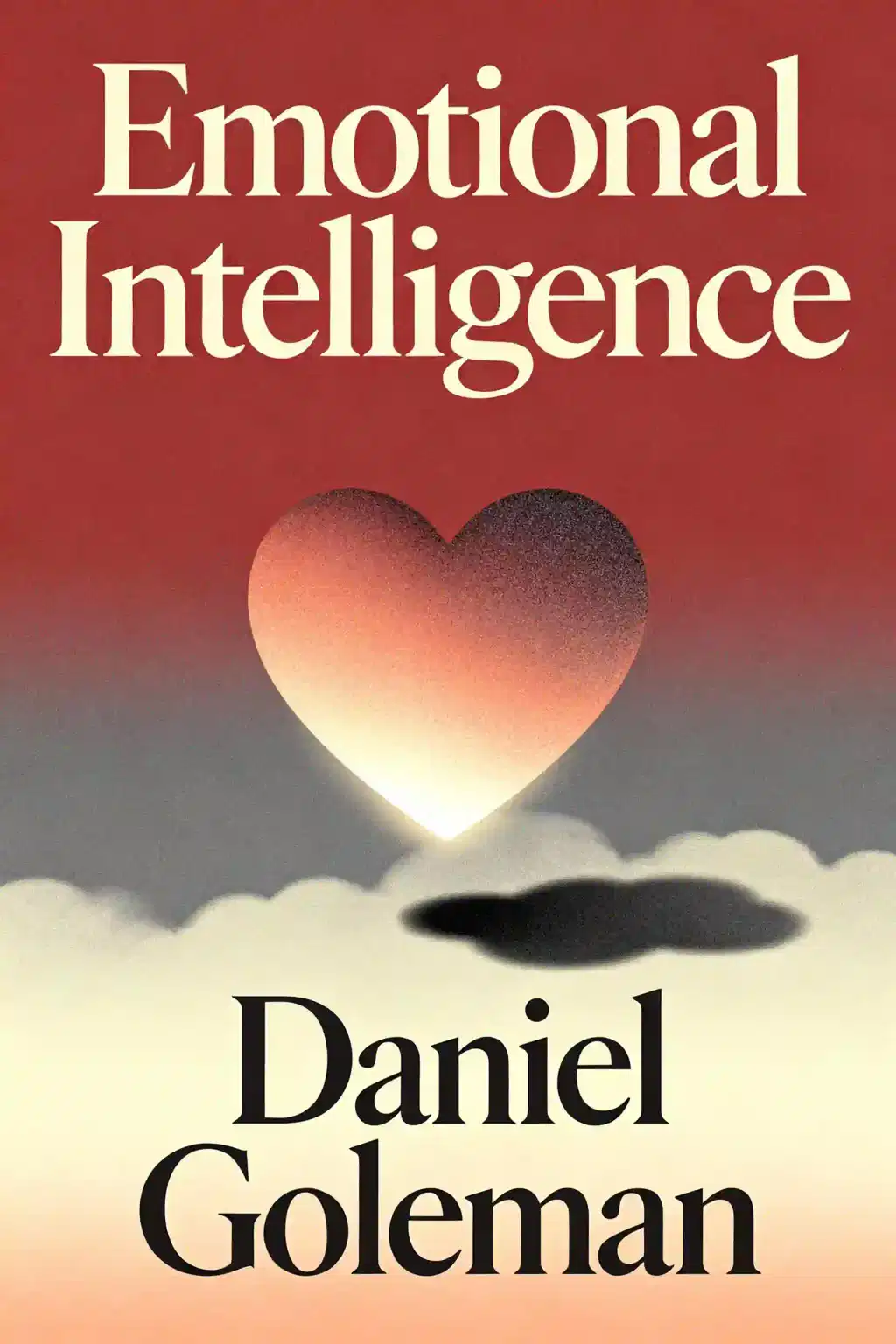
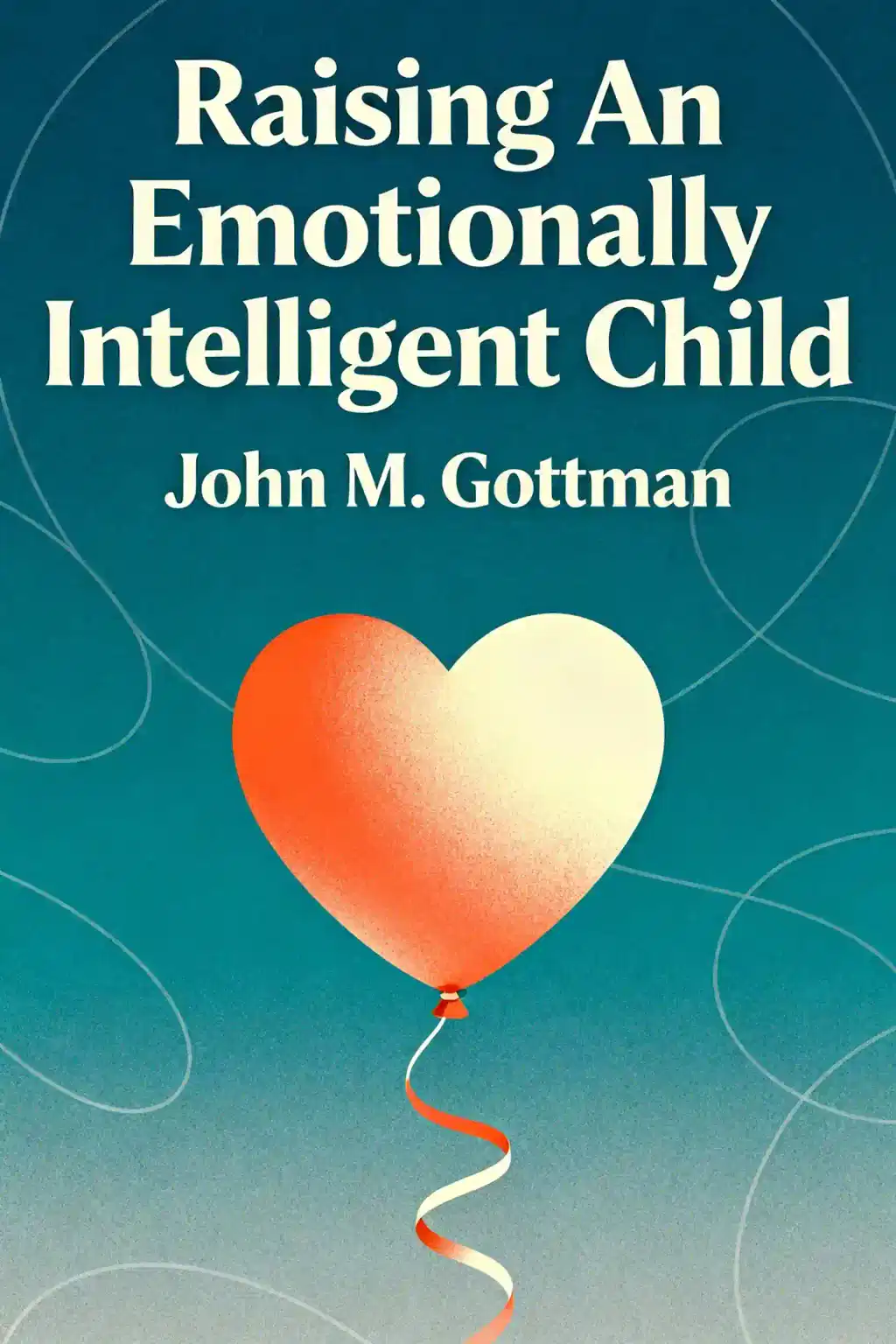
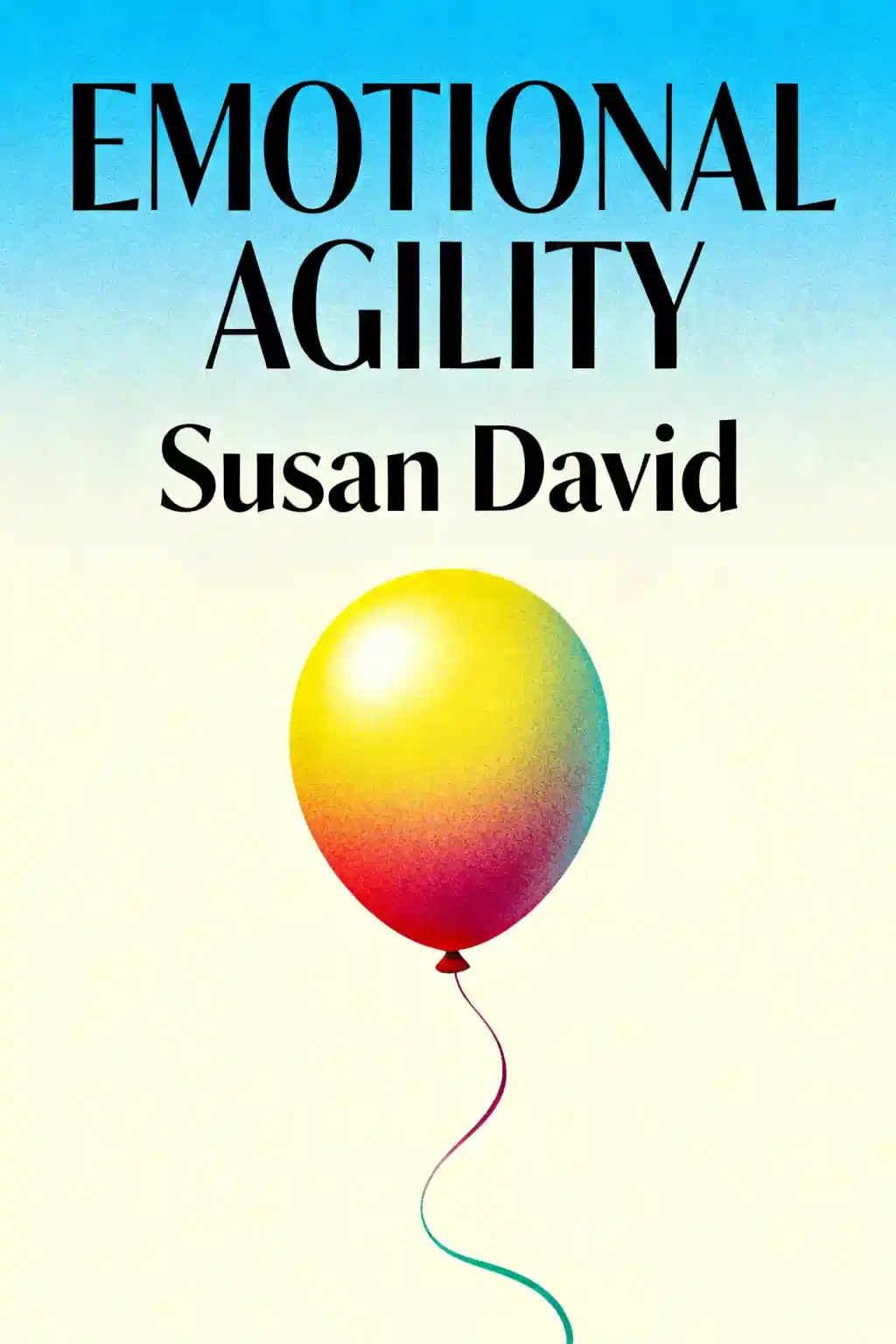
Emotional intelligence is a skill you can learn
Struggling to name how you feel makes stress harder to manage. Learn how naming specific emotions helps you regulate reactions and connect with others.

Bestes Zitat aus Emotional intelligence is a skill you can learn
Emotional intelligence is the internal work of self-mastery, while social intelligence is the external application—it is the difference between holding the map and actually walking the path without tripping over every stone.
Generated by Anthony
I want to improve on my soft skills and understanding humans on a deeper level. So I can connect easier with anyone and become more successful in my social life through emotional intelligence.

Häufig gestellte Fragen
Emotional intelligence is described as the internal work of self-mastery and understanding your own feelings, acting as the "map" you hold in your hands. Social intelligence is the external application of those internal insights, representing your ability to navigate the path of human interaction without "tripping over stones." While emotional intelligence focuses on self-awareness and regulation, social intelligence is about social awareness and the ability to connect effectively with others.
Mirror neurons act as the brain's "neural Wi-Fi," firing both when we perform an action and when we observe someone else doing it, which provides the biological basis for empathy. However, this can lead to "emotional contagion," where we unintentionally "catch" the stress or negative emotions of those around us. To manage this, the script suggests practicing cognitive empathy—understanding a person's perspective—rather than just affective empathy, which involves feeling exactly what they feel.
An amygdala hijack occurs when your rational brain goes offline and your "lizard brain" takes over, making everything feel like a threat. To prevent this, you can use a "circuit breaker" like the 4-7-8 breathing technique—inhaling for four seconds, holding for seven, and exhaling for eight. This breathing pattern shifts brainwaves toward a "Theta state," which is the optimal frequency for staying calm and processing emotions.
The "Bid and Turn" framework involves recognizing "bids" for connection, which are small invitations to interact, such as a sigh, a glance, or a casual comment. "Turning toward" these bids by acknowledging them—even with a simple nod—builds trust and intimacy over time. Consistently ignoring these micro-moments can damage a relationship, as responding to small bids signals to the other person that they are seen and valued.
You can use "habit stacking" to integrate new skills into your existing routine, such as performing a "Daily Emotion Audit" while drinking your morning coffee to name three emotions you felt the previous day. Other practical exercises include the "10-Minute Observation," where you watch people in a public space to identify nonverbal cues, and the "2-question rule," which requires asking two follow-up questions before sharing your own opinion during a conversation.
Von Columbia University Alumni in San Francisco entwickelt
BeFreed vereint eine globale Gemeinschaft wissbegieriger Menschen


"Instead of endless scrolling, I just hit play on BeFreed. It saves me so much time."


"I never knew where to start with nonfiction—BeFreed’s book lists turned into podcasts gave me a clear path."


"Perfect balance between learning and entertainment. Finished ‘Thinking, Fast and Slow’ on my commute this week."
"Crazy how much I learned while walking the dog. BeFreed = small habits → big gains."
"Reading used to feel like a chore. Now it’s just part of my lifestyle."

"Feels effortless compared to reading. I’ve finished 6 books this month already."
"BeFreed turned my guilty doomscrolling into something that feels productive and inspiring."

"BeFreed turned my commute into learning time. 20-min podcasts are perfect for finishing books I never had time for."
"BeFreed replaced my podcast queue. Imagine Spotify for books — that’s it. 🙌"

"It is great for me to learn something from the book without reading it."
"The themed book list podcasts help me connect ideas across authors—like a guided audio journey."
"Makes me feel smarter every time before going to work"
Von Columbia University Alumni in San Francisco entwickelt
BeFreed vereint eine globale Gemeinschaft wissbegieriger Menschen
"Instead of endless scrolling, I just hit play on BeFreed. It saves me so much time."
"I never knew where to start with nonfiction—BeFreed’s book lists turned into podcasts gave me a clear path."
"Perfect balance between learning and entertainment. Finished ‘Thinking, Fast and Slow’ on my commute this week."
"Crazy how much I learned while walking the dog. BeFreed = small habits → big gains."
"Reading used to feel like a chore. Now it’s just part of my lifestyle."
"Feels effortless compared to reading. I’ve finished 6 books this month already."
"BeFreed turned my guilty doomscrolling into something that feels productive and inspiring."
"BeFreed turned my commute into learning time. 20-min podcasts are perfect for finishing books I never had time for."
"BeFreed replaced my podcast queue. Imagine Spotify for books — that’s it. 🙌"
"It is great for me to learn something from the book without reading it."
"The themed book list podcasts help me connect ideas across authors—like a guided audio journey."
"Makes me feel smarter every time before going to work"
"Instead of endless scrolling, I just hit play on BeFreed. It saves me so much time."
"I never knew where to start with nonfiction—BeFreed’s book lists turned into podcasts gave me a clear path."
"Perfect balance between learning and entertainment. Finished ‘Thinking, Fast and Slow’ on my commute this week."
"Crazy how much I learned while walking the dog. BeFreed = small habits → big gains."
"Reading used to feel like a chore. Now it’s just part of my lifestyle."
"Feels effortless compared to reading. I’ve finished 6 books this month already."
"BeFreed turned my guilty doomscrolling into something that feels productive and inspiring."
"BeFreed turned my commute into learning time. 20-min podcasts are perfect for finishing books I never had time for."
"BeFreed replaced my podcast queue. Imagine Spotify for books — that’s it. 🙌"
"It is great for me to learn something from the book without reading it."
"The themed book list podcasts help me connect ideas across authors—like a guided audio journey."
"Makes me feel smarter every time before going to work"
"Instead of endless scrolling, I just hit play on BeFreed. It saves me so much time."
"I never knew where to start with nonfiction—BeFreed’s book lists turned into podcasts gave me a clear path."
"Perfect balance between learning and entertainment. Finished ‘Thinking, Fast and Slow’ on my commute this week."
"Crazy how much I learned while walking the dog. BeFreed = small habits → big gains."
"Reading used to feel like a chore. Now it’s just part of my lifestyle."
"Feels effortless compared to reading. I’ve finished 6 books this month already."
"BeFreed turned my guilty doomscrolling into something that feels productive and inspiring."
"BeFreed turned my commute into learning time. 20-min podcasts are perfect for finishing books I never had time for."
"BeFreed replaced my podcast queue. Imagine Spotify for books — that’s it. 🙌"
"It is great for me to learn something from the book without reading it."
"The themed book list podcasts help me connect ideas across authors—like a guided audio journey."
"Makes me feel smarter every time before going to work"