Embracing womanhood and the joy of gender euphoria
Transitioning can feel like a spiritual homecoming. Explore how moving past survival to find genuine joy allows you to finally feel at home in your body.

Bestes Zitat aus Embracing womanhood and the joy of gender euphoria
Transitioning is not about becoming someone else; it’s about finally stripping away the layers of who society told you to be so you can reveal who you’ve always been.
Generated by Glen
Embracing womanhood for transgender women

Häufig gestellte Fragen
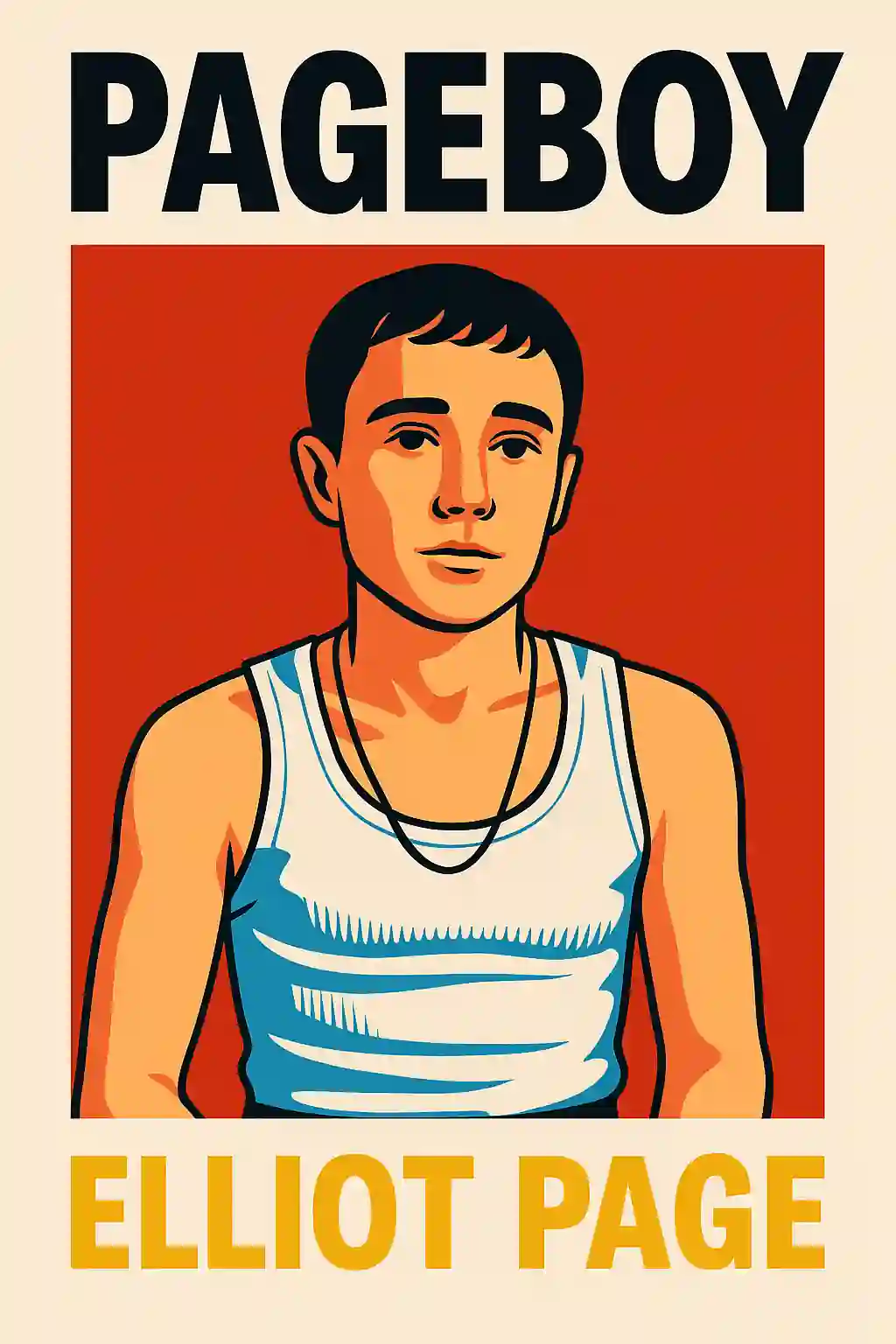
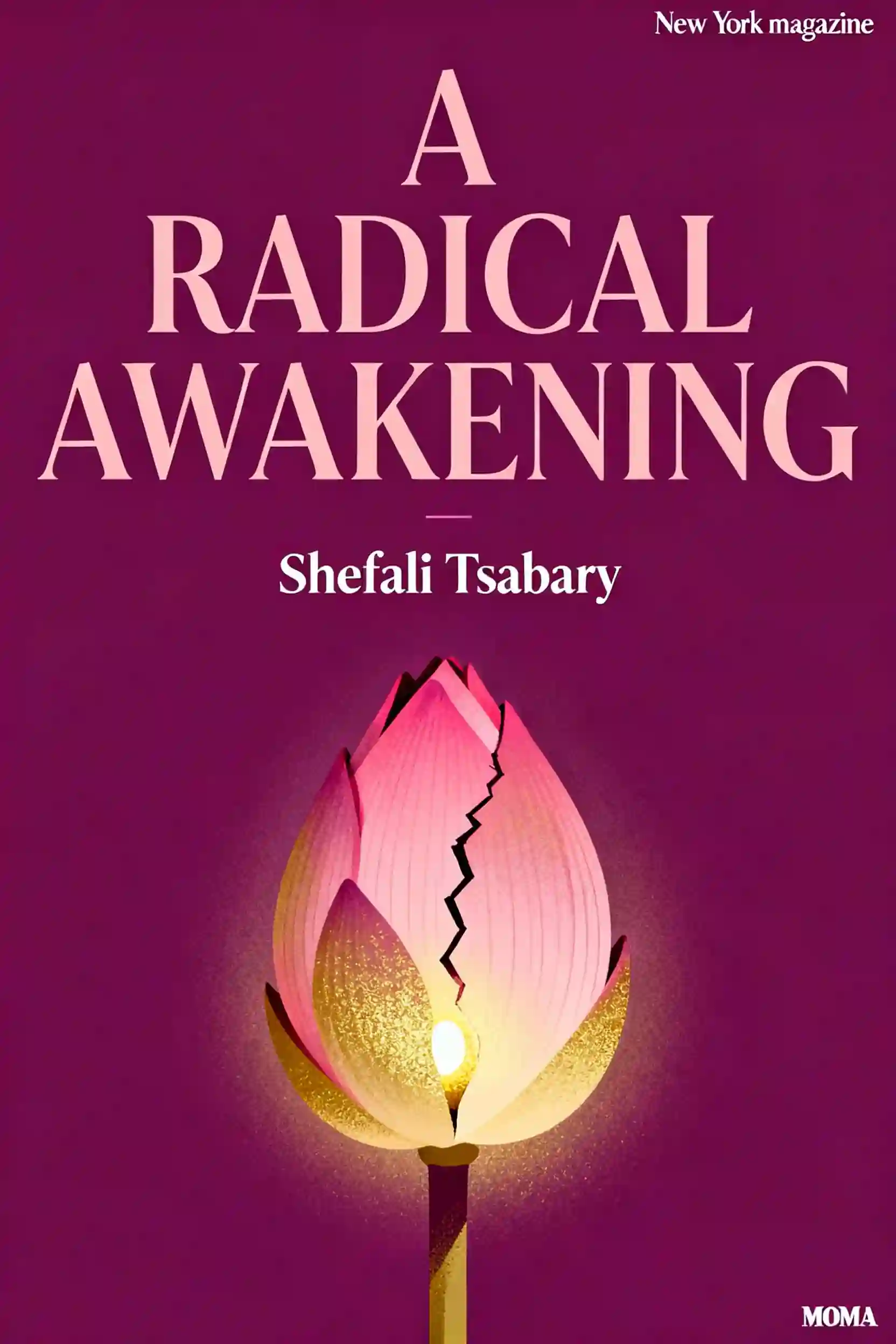
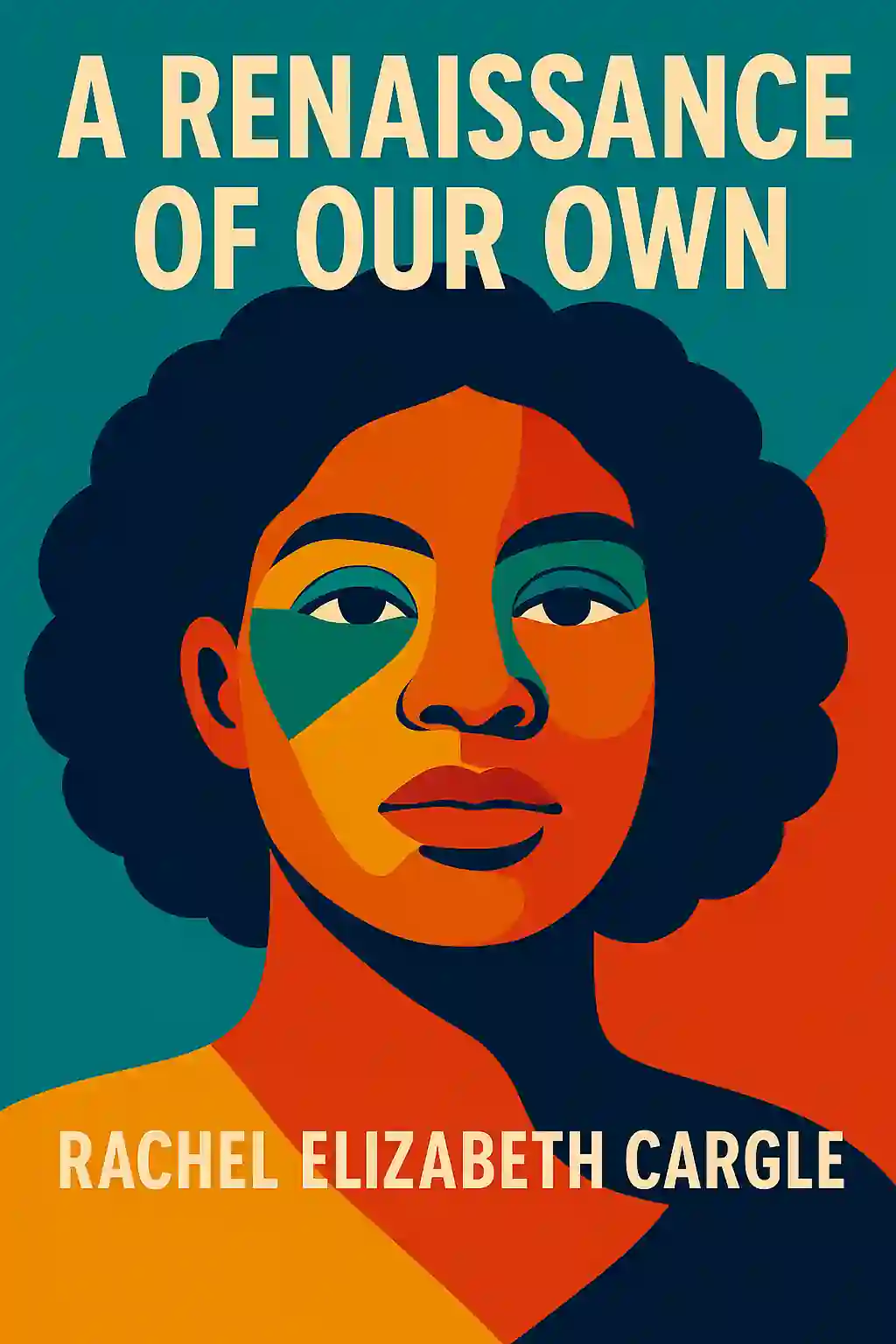
The journey of transition is broken down into four distinct dimensions: physical, psychological, social, and creative. The physical pillar involves aligning the body with the soul through changes like hormone replacement therapy (HRT). The psychological pillar focuses on internal self-construction and resisting societal binary boxes. The social pillar involves navigating the world through clothing, pronouns, and interactions with power structures. Finally, the creative pillar uses art and performance as a safe space to "test drive" and manifest one's true identity.
Gender euphoria is the genuine joy and sense of "homecoming" experienced when a person’s inner self and outer world finally align. It is the opposite of the distress often associated with transition. This feeling can be sparked by "gender-affirming antecedents," which are specific stimuli like seeing a different silhouette in the mirror, being addressed with correct pronouns, or experiencing physical changes from HRT that make the body feel like a "useful artifact" reflecting the soul.
Creative manifestation acts as a "lab for the soul" or a shortcut to gender euphoria. By engaging in arts such as theater, blogging, or storytelling, trans individuals can explore their identity in a low-stakes environment. For example, activist Living Smile Vidya used performance to express her truth long before she could live it out publicly. This creative process provides agency, allowing individuals to write their own narratives rather than letting society dictate their stories.
Gender Minority Stress refers to the unique strain of living in a "cisnormative" society that assumes everyone remains the gender they were assigned at birth. It includes distal stressors, such as external discrimination and harassment, and proximal stressors, like internalized transphobia and constant hypervigilance. Resilience against this stress is built through community connectedness—finding spaces where one is understood—and identity pride, which celebrates the unique perspective of being trans.
Proposed by philosopher Talia Mae Bettcher, First-Person Authority suggests that a person's gender identity should be treated with the same validity as their emotions. Just as an individual is the ultimate authority on whether they feel sad, they are the authority on their own internal gender state. This framework challenges "reality enforcement," where society tries to label trans people as deceivers, and instead views gender as an existential self-identity that the individual takes responsibility for.
Von Columbia University Alumni in San Francisco entwickelt
BeFreed vereint eine globale Gemeinschaft wissbegieriger Menschen


"Instead of endless scrolling, I just hit play on BeFreed. It saves me so much time."


"I never knew where to start with nonfiction—BeFreed’s book lists turned into podcasts gave me a clear path."


"Perfect balance between learning and entertainment. Finished ‘Thinking, Fast and Slow’ on my commute this week."
"Crazy how much I learned while walking the dog. BeFreed = small habits → big gains."
"Reading used to feel like a chore. Now it’s just part of my lifestyle."

"Feels effortless compared to reading. I’ve finished 6 books this month already."
"BeFreed turned my guilty doomscrolling into something that feels productive and inspiring."

"BeFreed turned my commute into learning time. 20-min podcasts are perfect for finishing books I never had time for."
"BeFreed replaced my podcast queue. Imagine Spotify for books — that’s it. 🙌"

"It is great for me to learn something from the book without reading it."
"The themed book list podcasts help me connect ideas across authors—like a guided audio journey."
"Makes me feel smarter every time before going to work"
Von Columbia University Alumni in San Francisco entwickelt
BeFreed vereint eine globale Gemeinschaft wissbegieriger Menschen
"Instead of endless scrolling, I just hit play on BeFreed. It saves me so much time."
"I never knew where to start with nonfiction—BeFreed’s book lists turned into podcasts gave me a clear path."
"Perfect balance between learning and entertainment. Finished ‘Thinking, Fast and Slow’ on my commute this week."
"Crazy how much I learned while walking the dog. BeFreed = small habits → big gains."
"Reading used to feel like a chore. Now it’s just part of my lifestyle."
"Feels effortless compared to reading. I’ve finished 6 books this month already."
"BeFreed turned my guilty doomscrolling into something that feels productive and inspiring."
"BeFreed turned my commute into learning time. 20-min podcasts are perfect for finishing books I never had time for."
"BeFreed replaced my podcast queue. Imagine Spotify for books — that’s it. 🙌"
"It is great for me to learn something from the book without reading it."
"The themed book list podcasts help me connect ideas across authors—like a guided audio journey."
"Makes me feel smarter every time before going to work"
"Instead of endless scrolling, I just hit play on BeFreed. It saves me so much time."
"I never knew where to start with nonfiction—BeFreed’s book lists turned into podcasts gave me a clear path."
"Perfect balance between learning and entertainment. Finished ‘Thinking, Fast and Slow’ on my commute this week."
"Crazy how much I learned while walking the dog. BeFreed = small habits → big gains."
"Reading used to feel like a chore. Now it’s just part of my lifestyle."
"Feels effortless compared to reading. I’ve finished 6 books this month already."
"BeFreed turned my guilty doomscrolling into something that feels productive and inspiring."
"BeFreed turned my commute into learning time. 20-min podcasts are perfect for finishing books I never had time for."
"BeFreed replaced my podcast queue. Imagine Spotify for books — that’s it. 🙌"
"It is great for me to learn something from the book without reading it."
"The themed book list podcasts help me connect ideas across authors—like a guided audio journey."
"Makes me feel smarter every time before going to work"
"Instead of endless scrolling, I just hit play on BeFreed. It saves me so much time."
"I never knew where to start with nonfiction—BeFreed’s book lists turned into podcasts gave me a clear path."
"Perfect balance between learning and entertainment. Finished ‘Thinking, Fast and Slow’ on my commute this week."
"Crazy how much I learned while walking the dog. BeFreed = small habits → big gains."
"Reading used to feel like a chore. Now it’s just part of my lifestyle."
"Feels effortless compared to reading. I’ve finished 6 books this month already."
"BeFreed turned my guilty doomscrolling into something that feels productive and inspiring."
"BeFreed turned my commute into learning time. 20-min podcasts are perfect for finishing books I never had time for."
"BeFreed replaced my podcast queue. Imagine Spotify for books — that’s it. 🙌"
"It is great for me to learn something from the book without reading it."
"The themed book list podcasts help me connect ideas across authors—like a guided audio journey."
"Makes me feel smarter every time before going to work"