Embracing Contradictions: The Berlin Paradox of Healing
Explore Dr. Lena Hoffmann's groundbreaking concept of healing through embracing contradictions, where our protective mechanisms can become barriers to recovery, and true transformation occurs at the intersection of opposing truths.

Bestes Zitat aus Embracing Contradictions: The Berlin Paradox of Healing
The Berlin paradox describes how our most adaptive survival mechanisms—the very ones that protected us during trauma—can become our greatest barriers to recovery. Healing doesn't require you to destroy these parts of yourself; it requires you to help them understand that the context has changed.

Diese Audiolektion wurde von einem BeFreed-Community-Mitglied erstellt
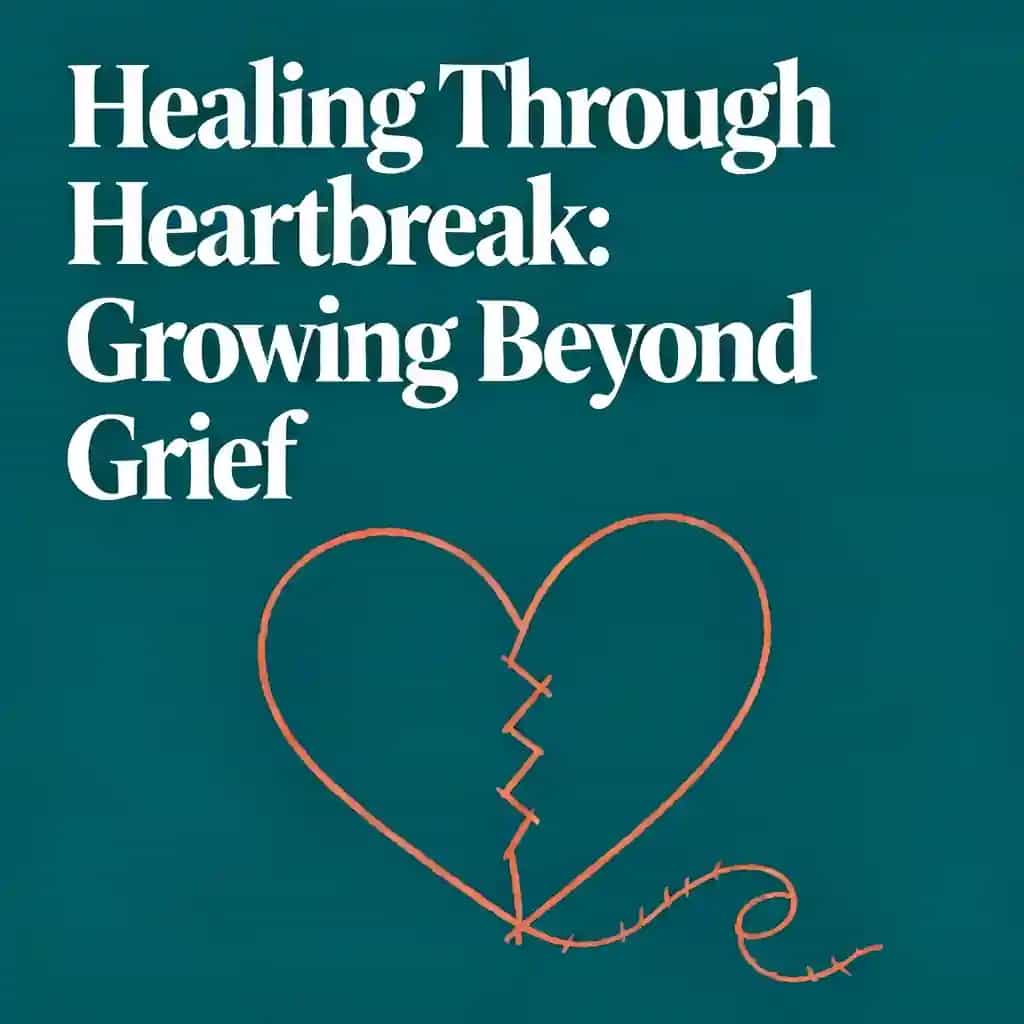
A comprehensive lesson about healing in the context of the Berlin paradox (by dr Lena Hoffmann)

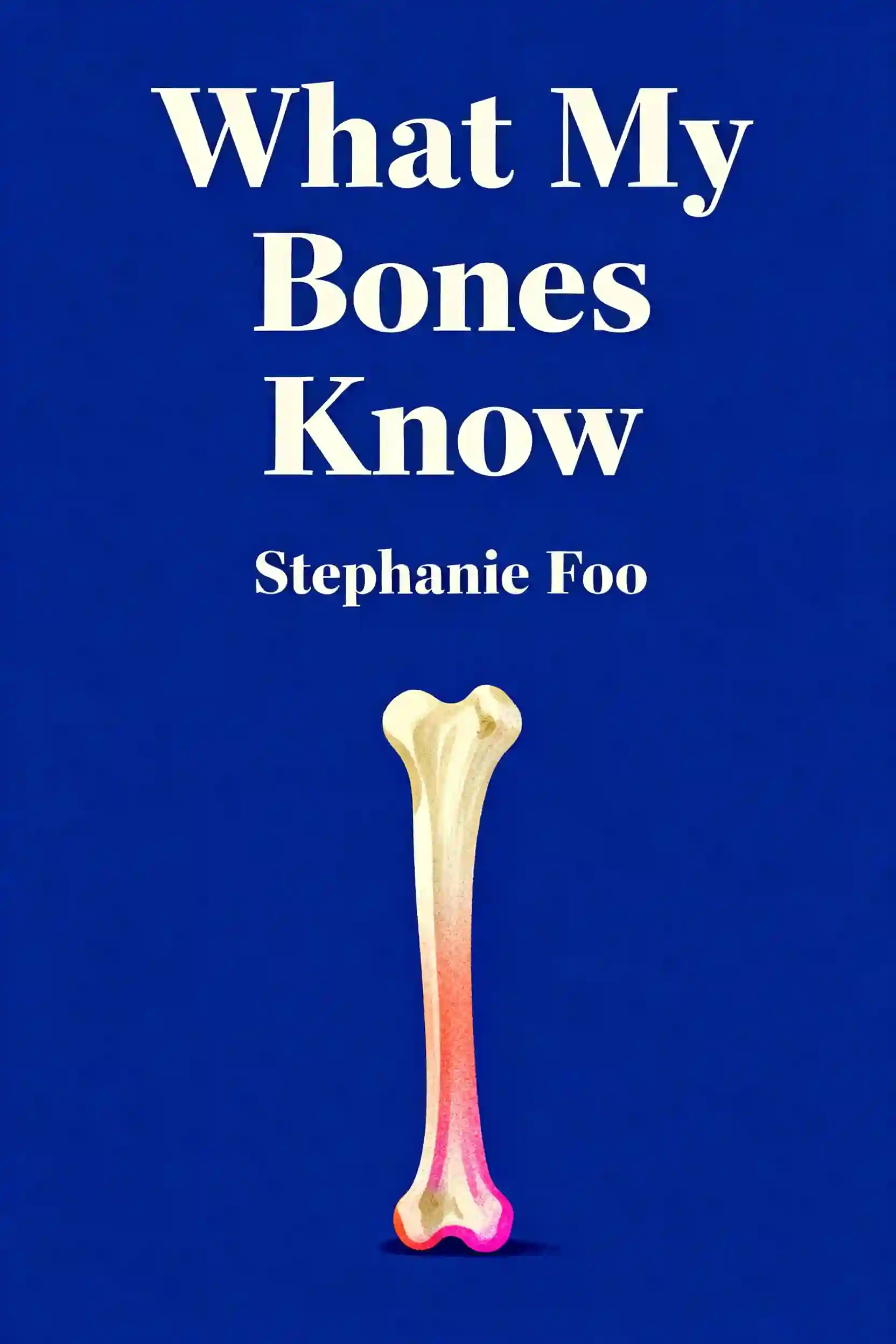
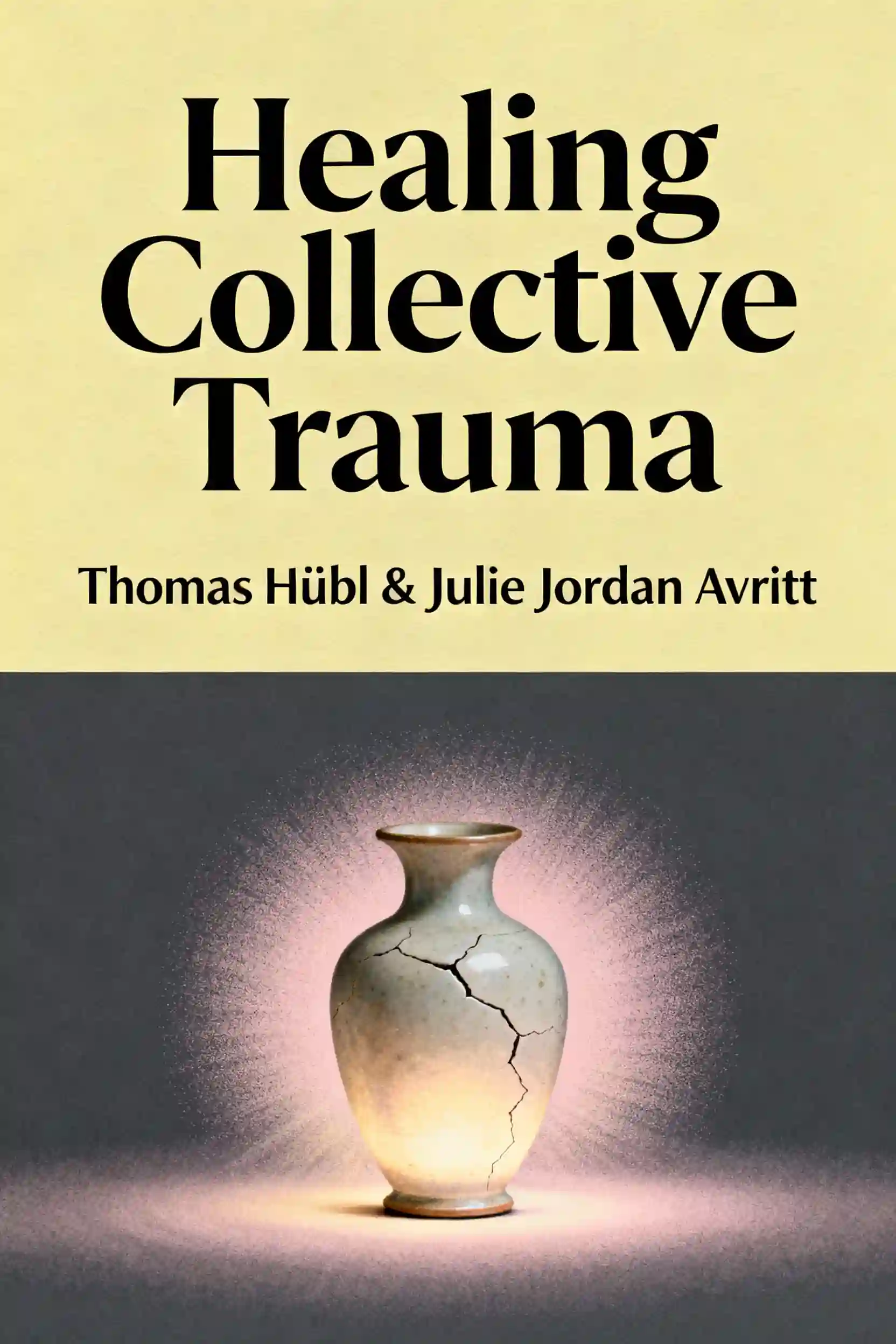
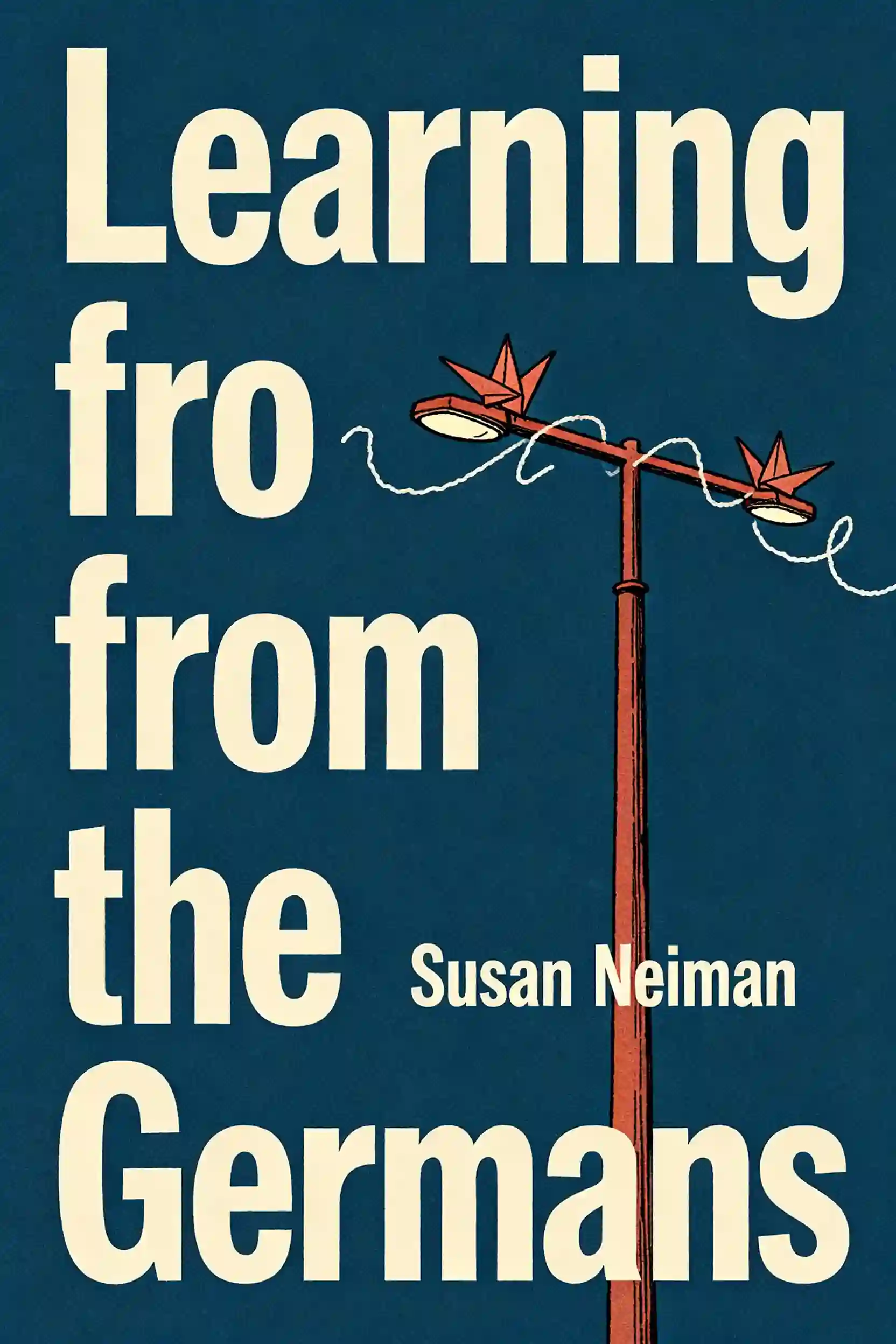
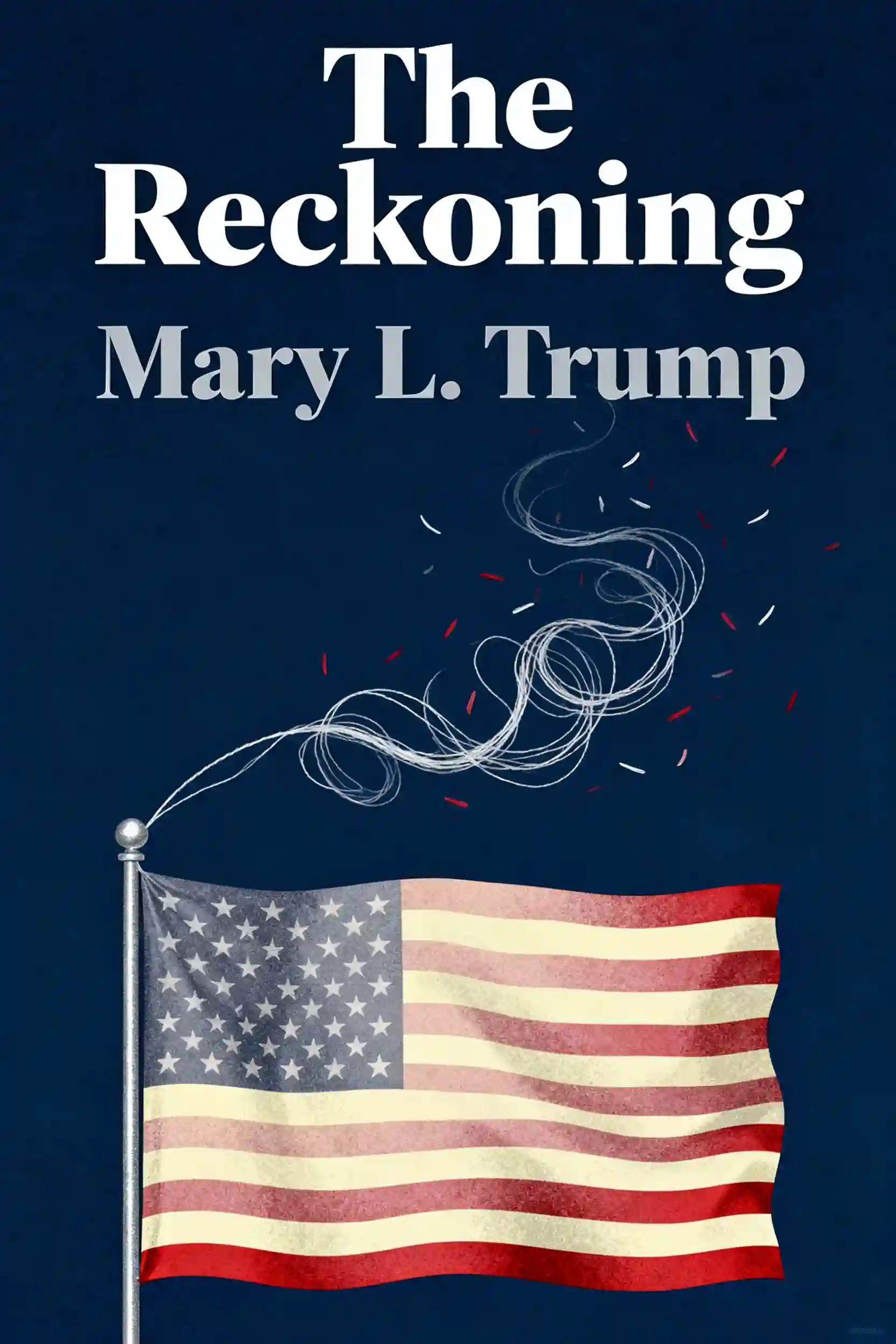
Mehr entdecken

Self healing
Self healing
Self-healing is essential for anyone carrying unprocessed trauma, chronic self-criticism, or disconnection from their body and emotions. This learning plan offers a compassionate, structured path for those ready to understand their wounds, release stored pain, and cultivate the self-love necessary for genuine transformation and lasting peace.
Holistic Health, Intimacy & Recovery
Holistic Health, Intimacy & Recovery
This plan is essential for individuals seeking to bridge the gap between physical health, emotional intelligence, and trauma recovery. It is designed for anyone looking to heal their nervous system and build deeper, more meaningful connections through a whole-person approach.

Polarity theory
Polarity theory
This plan bridges ancient energy wisdom with modern trauma-informed science. It is essential for bodyworkers and holistic practitioners looking to deepen their somatic healing skills and master energy anatomy.

Holistic Wellness & Relationship Growth
Holistic Wellness & Relationship Growth
In an era of burnout and disconnection, true health requires balancing internal harmony with external relational success. This plan is designed for individuals seeking to heal their nervous systems and master the art of secure attachment for more fulfilling lives.
Heal, forgive, and end self-blame to move on.
Heal, forgive, and end self-blame to move on.
This plan is essential for anyone trapped in cycles of regret or emotional pain following difficult life experiences. It provides a structured path for individuals seeking to reclaim their peace of mind by turning self-criticism into self-compassion and trauma into growth.

Healing from childhood trauma
Healing from childhood trauma
This plan is essential for individuals seeking to break free from the lasting impact of early life adversity. It provides a structured path for those ready to move beyond survival mode toward emotional regulation and authentic self-reclamation.

Taoism and Trauma Healing Exploration
Taoism and Trauma Healing Exploration
This exploration bridges ancient Eastern wisdom with modern trauma science to offer a holistic path toward recovery. It is ideal for individuals seeking alternative somatic healing methods and practitioners looking to integrate Taoist energy principles into their therapeutic toolkit.

Heal from Bipolar Narcissist & Infidelity
Heal from Bipolar Narcissist & Infidelity
This plan is designed for individuals navigating the aftermath of complex betrayal trauma and emotional abuse. It provides a structured path to physiological healing and psychological empowerment for those ready to reclaim their identity.
Von Columbia University Alumni in San Francisco entwickelt
"Instead of endless scrolling, I just hit play on BeFreed. It saves me so much time."


"I never knew where to start with nonfiction—BeFreed’s book lists turned into podcasts gave me a clear path."


"Perfect balance between learning and entertainment. Finished ‘Thinking, Fast and Slow’ on my commute this week."
"Crazy how much I learned while walking the dog. BeFreed = small habits → big gains."
"Reading used to feel like a chore. Now it’s just part of my lifestyle."

"Feels effortless compared to reading. I’ve finished 6 books this month already."
"BeFreed turned my guilty doomscrolling into something that feels productive and inspiring."

"BeFreed turned my commute into learning time. 20-min podcasts are perfect for finishing books I never had time for."
"BeFreed replaced my podcast queue. Imagine Spotify for books — that’s it. 🙌"

"It is great for me to learn something from the book without reading it."
"The themed book list podcasts help me connect ideas across authors—like a guided audio journey."
"Makes me feel smarter every time before going to work"
Von Columbia University Alumni in San Francisco entwickelt
"Instead of endless scrolling, I just hit play on BeFreed. It saves me so much time."
"I never knew where to start with nonfiction—BeFreed’s book lists turned into podcasts gave me a clear path."
"Perfect balance between learning and entertainment. Finished ‘Thinking, Fast and Slow’ on my commute this week."
"Crazy how much I learned while walking the dog. BeFreed = small habits → big gains."
"Reading used to feel like a chore. Now it’s just part of my lifestyle."
"Feels effortless compared to reading. I’ve finished 6 books this month already."
"BeFreed turned my guilty doomscrolling into something that feels productive and inspiring."
"BeFreed turned my commute into learning time. 20-min podcasts are perfect for finishing books I never had time for."
"BeFreed replaced my podcast queue. Imagine Spotify for books — that’s it. 🙌"
"It is great for me to learn something from the book without reading it."
"The themed book list podcasts help me connect ideas across authors—like a guided audio journey."
"Makes me feel smarter every time before going to work"
"Instead of endless scrolling, I just hit play on BeFreed. It saves me so much time."
"I never knew where to start with nonfiction—BeFreed’s book lists turned into podcasts gave me a clear path."
"Perfect balance between learning and entertainment. Finished ‘Thinking, Fast and Slow’ on my commute this week."
"Crazy how much I learned while walking the dog. BeFreed = small habits → big gains."
"Reading used to feel like a chore. Now it’s just part of my lifestyle."
"Feels effortless compared to reading. I’ve finished 6 books this month already."
"BeFreed turned my guilty doomscrolling into something that feels productive and inspiring."
"BeFreed turned my commute into learning time. 20-min podcasts are perfect for finishing books I never had time for."
"BeFreed replaced my podcast queue. Imagine Spotify for books — that’s it. 🙌"
"It is great for me to learn something from the book without reading it."
"The themed book list podcasts help me connect ideas across authors—like a guided audio journey."
"Makes me feel smarter every time before going to work"
"Instead of endless scrolling, I just hit play on BeFreed. It saves me so much time."
"I never knew where to start with nonfiction—BeFreed’s book lists turned into podcasts gave me a clear path."
"Perfect balance between learning and entertainment. Finished ‘Thinking, Fast and Slow’ on my commute this week."
"Crazy how much I learned while walking the dog. BeFreed = small habits → big gains."
"Reading used to feel like a chore. Now it’s just part of my lifestyle."
"Feels effortless compared to reading. I’ve finished 6 books this month already."
"BeFreed turned my guilty doomscrolling into something that feels productive and inspiring."
"BeFreed turned my commute into learning time. 20-min podcasts are perfect for finishing books I never had time for."
"BeFreed replaced my podcast queue. Imagine Spotify for books — that’s it. 🙌"
"It is great for me to learn something from the book without reading it."
"The themed book list podcasts help me connect ideas across authors—like a guided audio journey."
"Makes me feel smarter every time before going to work"