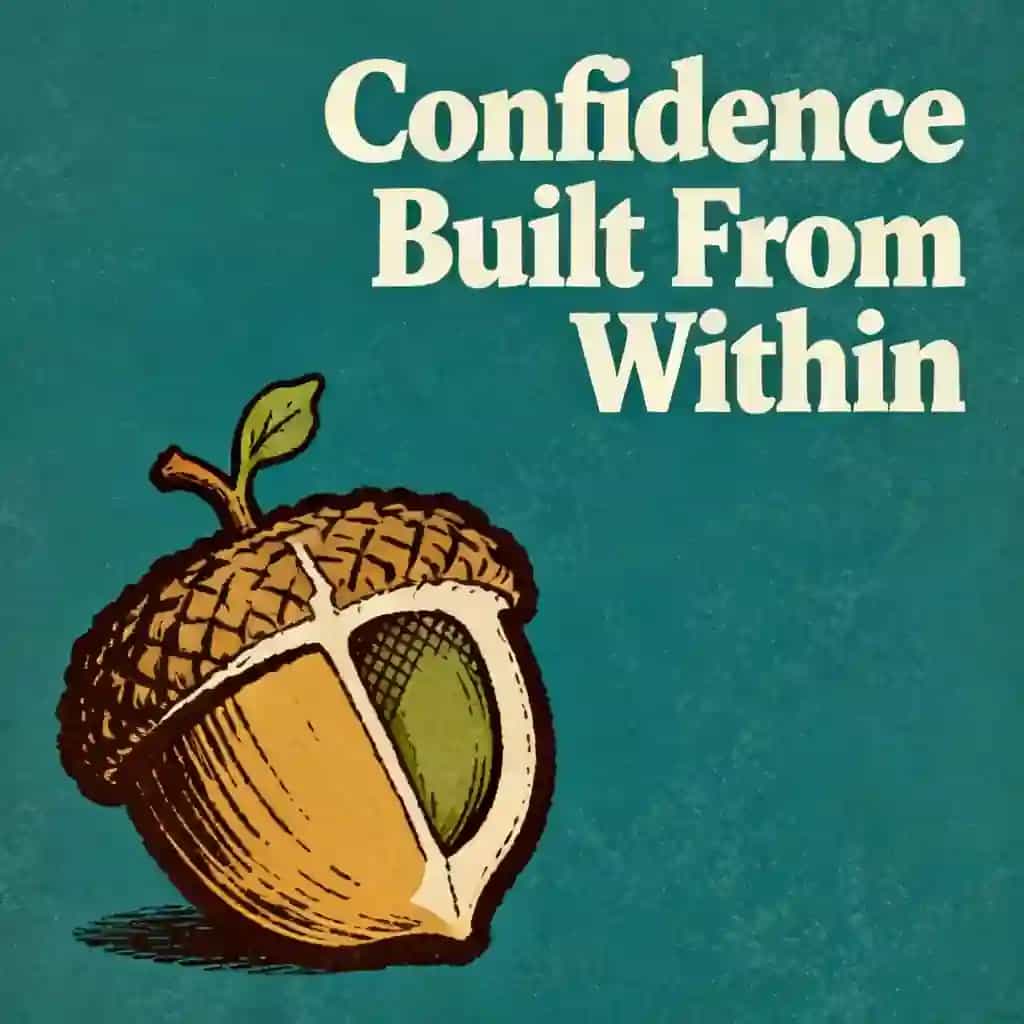
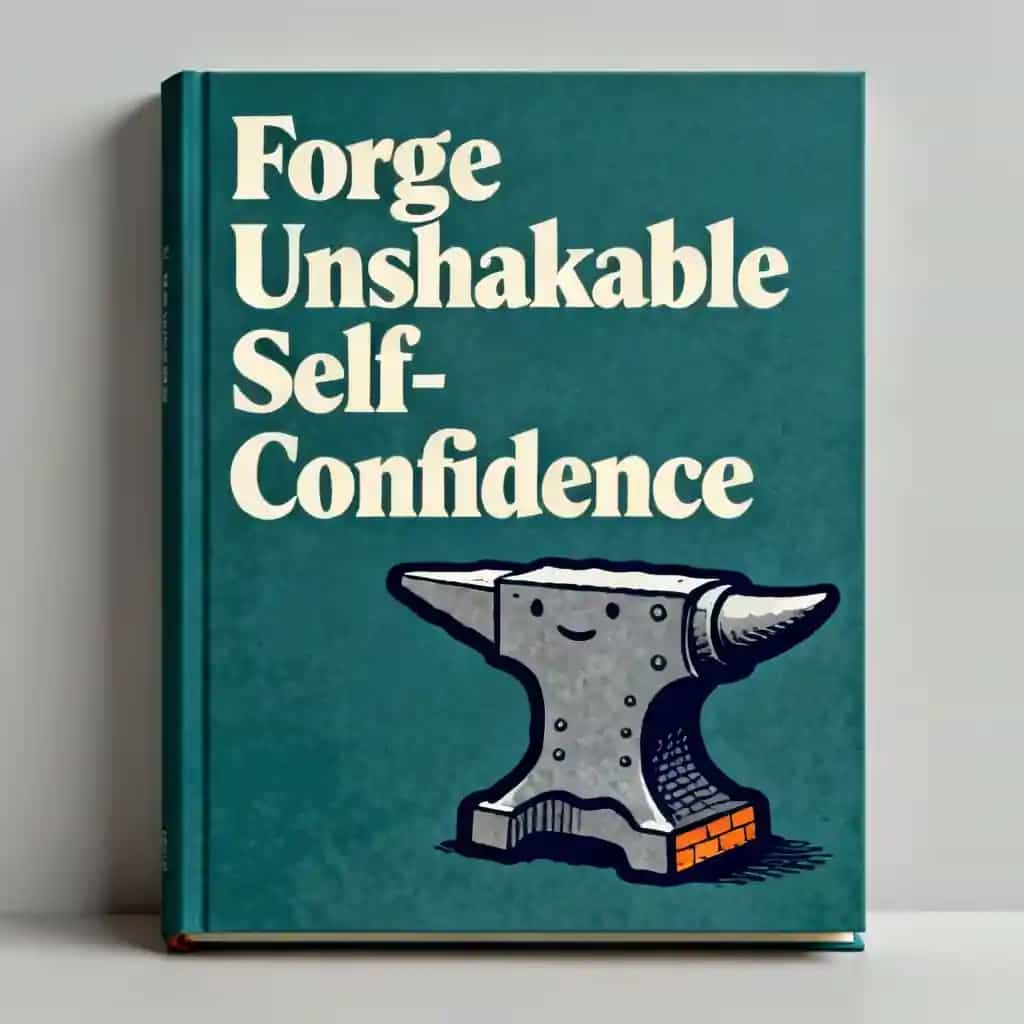
Building Self-Trust and Discipline: How to Stop Overthinking
Learn to build self-trust, master discipline, and stop overthinking. Discover how to protect your energy and make confident decisions by choosing yourself daily.

Bestes Zitat aus Building Self-Trust and Discipline: How to Stop Overthinking
Self-trust isn't about being perfect; it's just the quiet knowing that you’ll walk yourself through whatever happens next.
Generated by Laura
I don’t overthink—I decide and move. I trust myself to handle whatever happens. My feelings are valid, but I stay in control. I don’t need approval, reassurance, or chasing. I choose myself. I follow through. I build discipline. I keep promises to me. I protect my peace, my energy, and my standards. I am becoming calm, confident, and certain—every single day.

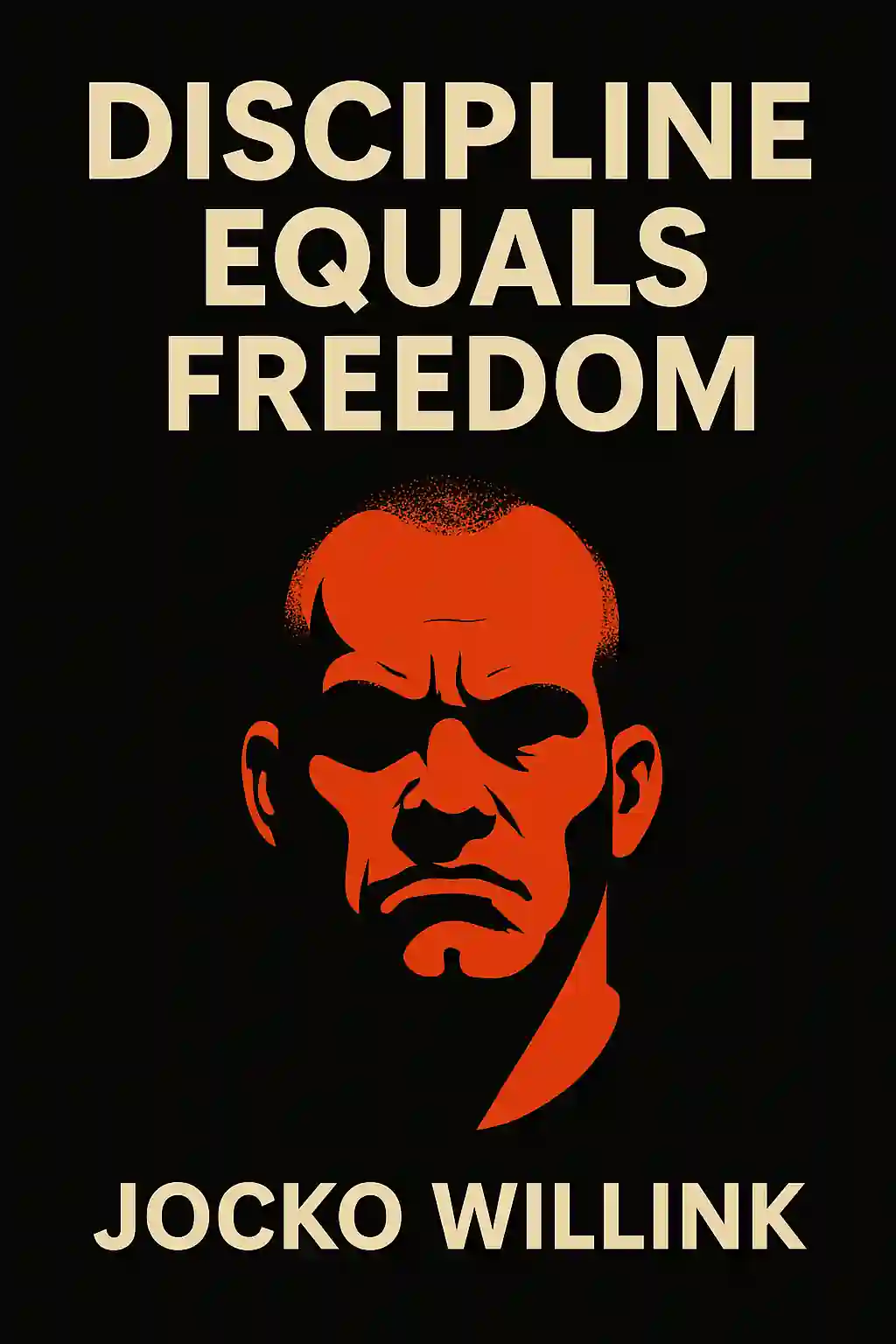
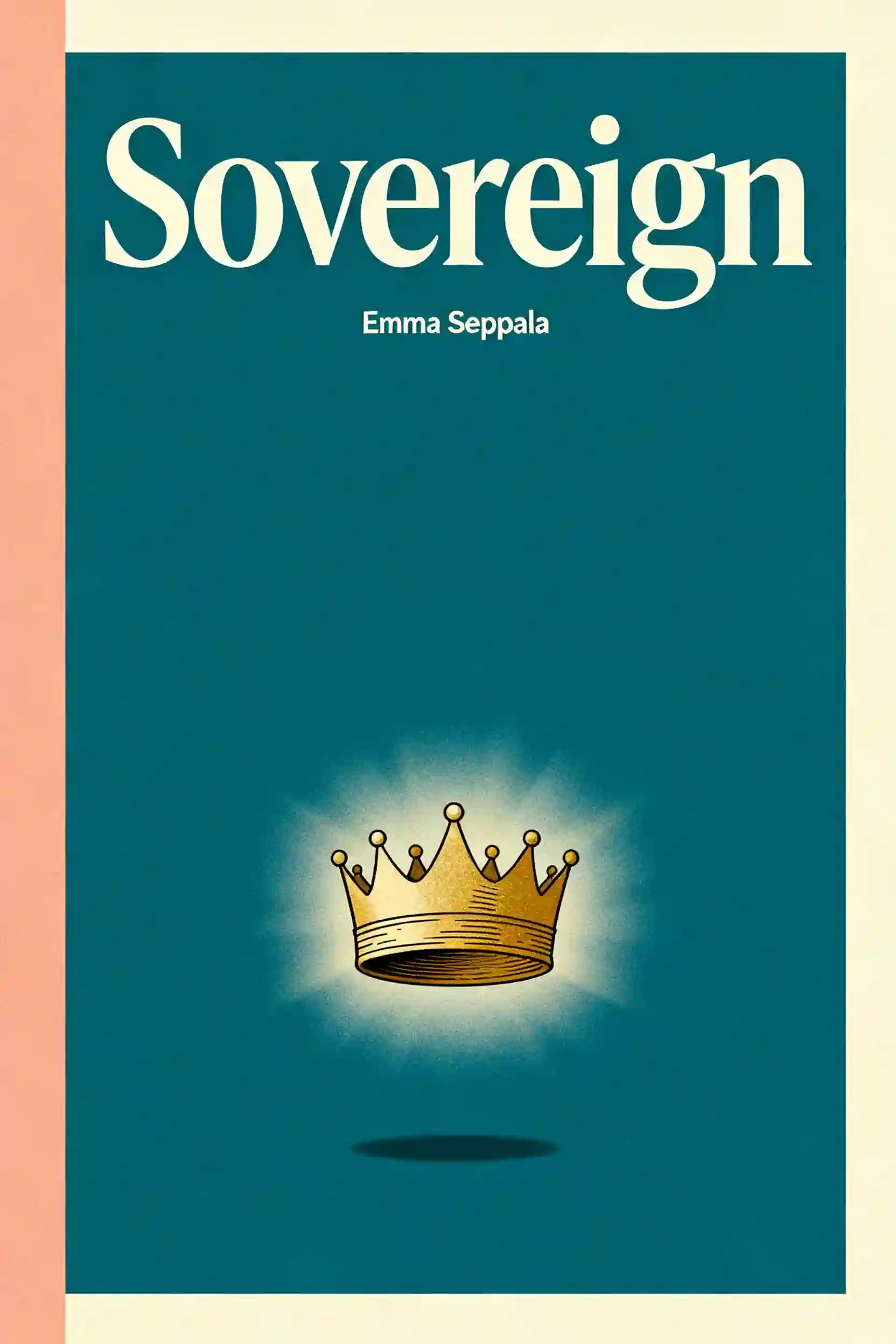
Häufig gestellte Fragen
To stop overthinking, you must shift your focus from constant analysis to decisive action. By trusting yourself to handle any outcome, you reduce the need for external reassurance. This podcast explores how making a choice and moving forward builds the confidence necessary to trust your instincts. Developing a habit of quick decision making helps you stay in control of your life and prevents the paralysis that often comes with overanalyzing every possible scenario.
Building self-trust and discipline starts with keeping the promises you make to yourself. When you follow through on your intentions, you reinforce the belief that you are reliable and capable. This process involves setting high personal standards and practicing discipline even when you don't feel motivated. Over time, these consistent actions transform your self-image, helping you become a more certain and confident individual who doesn't rely on the approval of others.
Maintaining emotional control means acknowledging that your feelings are valid without letting them dictate your every move. You can stay in control by observing your emotions while remaining committed to your personal standards and goals. This balance allows you to protect your peace and energy, ensuring that your reactions are intentional rather than impulsive. By choosing yourself and your long-term growth over temporary emotional impulses, you build a foundation of calm and certainty.
Protecting your energy and maintaining high personal standards is essential for long-term confidence building. When you stop chasing approval and start prioritizing your own peace, you create a life that reflects your true values. This practice involves setting boundaries and being selective about where you invest your time and effort. By focusing on your own growth and discipline, you ensure that your energy is preserved for the things that truly matter to your personal development.
Von Columbia University Alumni in San Francisco entwickelt
"Instead of endless scrolling, I just hit play on BeFreed. It saves me so much time."


"I never knew where to start with nonfiction—BeFreed’s book lists turned into podcasts gave me a clear path."


"Perfect balance between learning and entertainment. Finished ‘Thinking, Fast and Slow’ on my commute this week."
"Crazy how much I learned while walking the dog. BeFreed = small habits → big gains."
"Reading used to feel like a chore. Now it’s just part of my lifestyle."

"Feels effortless compared to reading. I’ve finished 6 books this month already."
"BeFreed turned my guilty doomscrolling into something that feels productive and inspiring."

"BeFreed turned my commute into learning time. 20-min podcasts are perfect for finishing books I never had time for."
"BeFreed replaced my podcast queue. Imagine Spotify for books — that’s it. 🙌"

"It is great for me to learn something from the book without reading it."
"The themed book list podcasts help me connect ideas across authors—like a guided audio journey."
"Makes me feel smarter every time before going to work"
Von Columbia University Alumni in San Francisco entwickelt
"Instead of endless scrolling, I just hit play on BeFreed. It saves me so much time."
"I never knew where to start with nonfiction—BeFreed’s book lists turned into podcasts gave me a clear path."
"Perfect balance between learning and entertainment. Finished ‘Thinking, Fast and Slow’ on my commute this week."
"Crazy how much I learned while walking the dog. BeFreed = small habits → big gains."
"Reading used to feel like a chore. Now it’s just part of my lifestyle."
"Feels effortless compared to reading. I’ve finished 6 books this month already."
"BeFreed turned my guilty doomscrolling into something that feels productive and inspiring."
"BeFreed turned my commute into learning time. 20-min podcasts are perfect for finishing books I never had time for."
"BeFreed replaced my podcast queue. Imagine Spotify for books — that’s it. 🙌"
"It is great for me to learn something from the book without reading it."
"The themed book list podcasts help me connect ideas across authors—like a guided audio journey."
"Makes me feel smarter every time before going to work"
"Instead of endless scrolling, I just hit play on BeFreed. It saves me so much time."
"I never knew where to start with nonfiction—BeFreed’s book lists turned into podcasts gave me a clear path."
"Perfect balance between learning and entertainment. Finished ‘Thinking, Fast and Slow’ on my commute this week."
"Crazy how much I learned while walking the dog. BeFreed = small habits → big gains."
"Reading used to feel like a chore. Now it’s just part of my lifestyle."
"Feels effortless compared to reading. I’ve finished 6 books this month already."
"BeFreed turned my guilty doomscrolling into something that feels productive and inspiring."
"BeFreed turned my commute into learning time. 20-min podcasts are perfect for finishing books I never had time for."
"BeFreed replaced my podcast queue. Imagine Spotify for books — that’s it. 🙌"
"It is great for me to learn something from the book without reading it."
"The themed book list podcasts help me connect ideas across authors—like a guided audio journey."
"Makes me feel smarter every time before going to work"
"Instead of endless scrolling, I just hit play on BeFreed. It saves me so much time."
"I never knew where to start with nonfiction—BeFreed’s book lists turned into podcasts gave me a clear path."
"Perfect balance between learning and entertainment. Finished ‘Thinking, Fast and Slow’ on my commute this week."
"Crazy how much I learned while walking the dog. BeFreed = small habits → big gains."
"Reading used to feel like a chore. Now it’s just part of my lifestyle."
"Feels effortless compared to reading. I’ve finished 6 books this month already."
"BeFreed turned my guilty doomscrolling into something that feels productive and inspiring."
"BeFreed turned my commute into learning time. 20-min podcasts are perfect for finishing books I never had time for."
"BeFreed replaced my podcast queue. Imagine Spotify for books — that’s it. 🙌"
"It is great for me to learn something from the book without reading it."
"The themed book list podcasts help me connect ideas across authors—like a guided audio journey."
"Makes me feel smarter every time before going to work"



![Facing Codependence [ABRIDGED]](/_next/image?url=https%3A%2F%2Fd3lvzgn0lx7rb2.cloudfront.net%2Fcovers%2F1d91cc59-653c-487c-bb06-0a03ac09820d%2Fimage_resized.webp&w=1024&q=50)