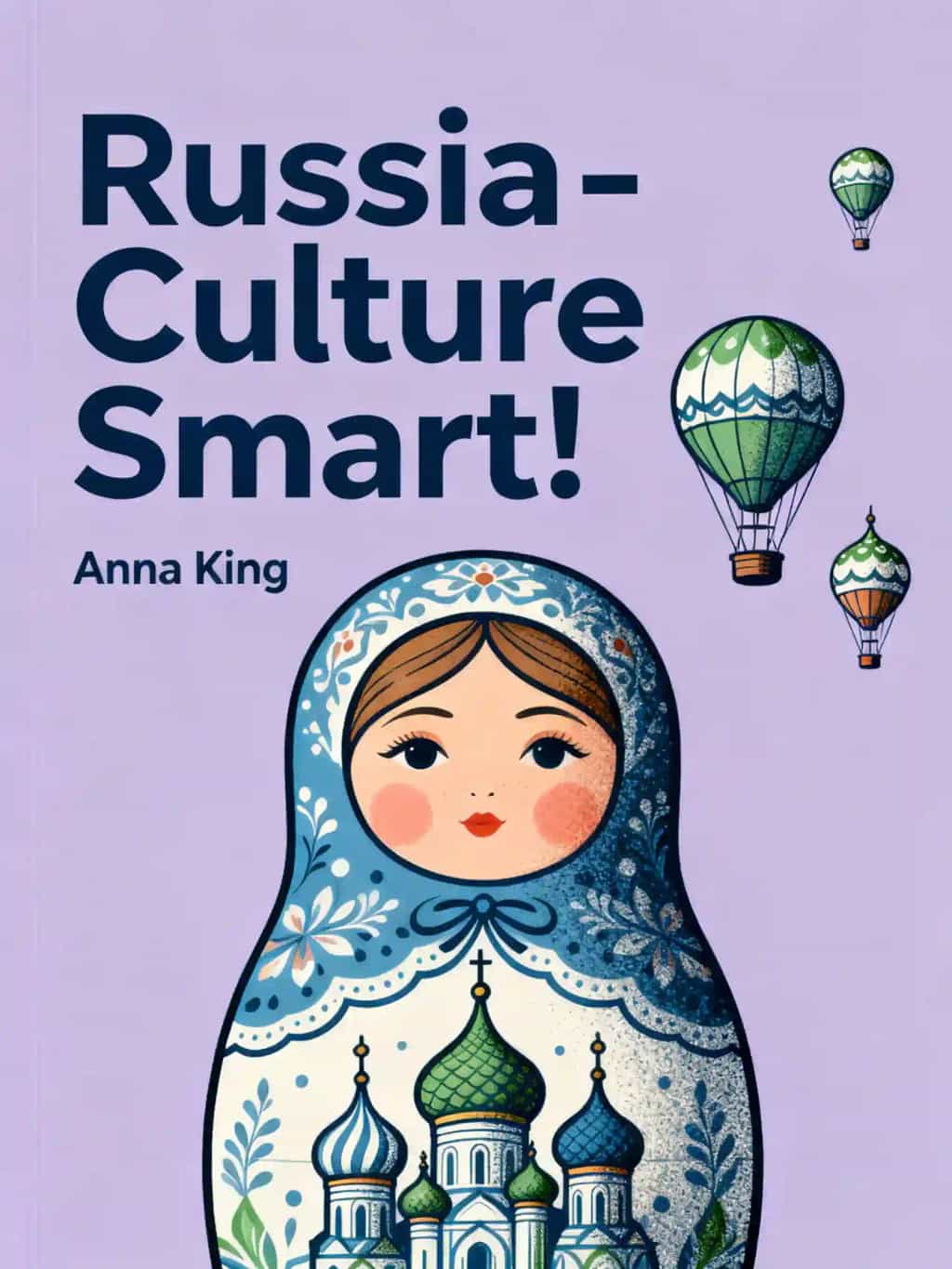
Bridging Russian-Japanese Hearts
Discover how to blend Russian and Japanese cultures in your relationship, creating a unique 'third culture' that honors both backgrounds while building a strong foundation for long-term happiness together.

Bestes Zitat aus Bridging Russian-Japanese Hearts
The goal isn't to erase their differences; they're creating a 'third culture'—a unique blend of both backgrounds that honors both identities while creating something new together.

Diese Audiolektion wurde von einem BeFreed-Community-Mitglied erstellt
male russian-american 30yo male with 29yo japanese female. how to build happy dating relationship for long term


Mehr entdecken

Synthesize research on the science of romance
This plan bridges the gap between biological drive and psychological behavior to decode the complexities of human intimacy. It is ideal for researchers, psychology students, or anyone seeking a data-driven understanding of how we form and maintain romantic bonds.

Grow Together: The Science of Lasting Connection
This plan is essential for couples or individuals looking to move beyond surface-level romance toward a resilient, science-based partnership. It is ideal for those seeking practical habits to navigate conflict and build lasting emotional intimacy.

Relationship and dating
Modern dating and long-term commitment require a blend of self-awareness and practical communication skills. This plan is ideal for individuals seeking to break negative cycles and build a secure, lasting foundation with a partner.

The Neurobiology of Romantic Spark
This plan bridges the gap between biological hardwiring and social interaction, offering a scientific lens on why we feel 'sparks' with certain people. It is ideal for individuals looking to improve their dating life or professionals interested in the intersection of neuroscience and human behavior.

Deepening Bonds and Setting Boundaries
This plan is essential for anyone looking to move beyond surface-level interactions and build resilient, long-lasting partnerships. It is particularly beneficial for individuals seeking to balance emotional intimacy with strong personal boundaries.

Build a Deep, Lasting & Healthy Relationship
This plan is essential for individuals and couples seeking to move beyond surface-level interactions toward a secure, science-based partnership. It is ideal for anyone looking to break negative cycles and master the practical skills required for a resilient, lifelong connection.

Mastering the Flow of Romantic Conversation
Effective communication is the foundation of romantic chemistry, yet many struggle to move past superficial small talk. This guide is designed for individuals looking to build genuine rapport and emotional depth through structured conversation and non-verbal techniques.

Reignite Desire in Long-Term Love
Long-term relationships often struggle to maintain passion as domestic life takes over. This plan is designed for couples seeking to bridge the gap between stability and desire by integrating novelty and erotic intelligence into their daily lives.
Von Columbia University Alumni in San Francisco entwickelt
"Instead of endless scrolling, I just hit play on BeFreed. It saves me so much time."


"I never knew where to start with nonfiction—BeFreed’s book lists turned into podcasts gave me a clear path."


"Perfect balance between learning and entertainment. Finished ‘Thinking, Fast and Slow’ on my commute this week."
"Crazy how much I learned while walking the dog. BeFreed = small habits → big gains."
"Reading used to feel like a chore. Now it’s just part of my lifestyle."

"Feels effortless compared to reading. I’ve finished 6 books this month already."
"BeFreed turned my guilty doomscrolling into something that feels productive and inspiring."

"BeFreed turned my commute into learning time. 20-min podcasts are perfect for finishing books I never had time for."
"BeFreed replaced my podcast queue. Imagine Spotify for books — that’s it. 🙌"

"It is great for me to learn something from the book without reading it."
"The themed book list podcasts help me connect ideas across authors—like a guided audio journey."
"Makes me feel smarter every time before going to work"
Von Columbia University Alumni in San Francisco entwickelt
"Instead of endless scrolling, I just hit play on BeFreed. It saves me so much time."
"I never knew where to start with nonfiction—BeFreed’s book lists turned into podcasts gave me a clear path."
"Perfect balance between learning and entertainment. Finished ‘Thinking, Fast and Slow’ on my commute this week."
"Crazy how much I learned while walking the dog. BeFreed = small habits → big gains."
"Reading used to feel like a chore. Now it’s just part of my lifestyle."
"Feels effortless compared to reading. I’ve finished 6 books this month already."
"BeFreed turned my guilty doomscrolling into something that feels productive and inspiring."
"BeFreed turned my commute into learning time. 20-min podcasts are perfect for finishing books I never had time for."
"BeFreed replaced my podcast queue. Imagine Spotify for books — that’s it. 🙌"
"It is great for me to learn something from the book without reading it."
"The themed book list podcasts help me connect ideas across authors—like a guided audio journey."
"Makes me feel smarter every time before going to work"
"Instead of endless scrolling, I just hit play on BeFreed. It saves me so much time."
"I never knew where to start with nonfiction—BeFreed’s book lists turned into podcasts gave me a clear path."
"Perfect balance between learning and entertainment. Finished ‘Thinking, Fast and Slow’ on my commute this week."
"Crazy how much I learned while walking the dog. BeFreed = small habits → big gains."
"Reading used to feel like a chore. Now it’s just part of my lifestyle."
"Feels effortless compared to reading. I’ve finished 6 books this month already."
"BeFreed turned my guilty doomscrolling into something that feels productive and inspiring."
"BeFreed turned my commute into learning time. 20-min podcasts are perfect for finishing books I never had time for."
"BeFreed replaced my podcast queue. Imagine Spotify for books — that’s it. 🙌"
"It is great for me to learn something from the book without reading it."
"The themed book list podcasts help me connect ideas across authors—like a guided audio journey."
"Makes me feel smarter every time before going to work"
"Instead of endless scrolling, I just hit play on BeFreed. It saves me so much time."
"I never knew where to start with nonfiction—BeFreed’s book lists turned into podcasts gave me a clear path."
"Perfect balance between learning and entertainment. Finished ‘Thinking, Fast and Slow’ on my commute this week."
"Crazy how much I learned while walking the dog. BeFreed = small habits → big gains."
"Reading used to feel like a chore. Now it’s just part of my lifestyle."
"Feels effortless compared to reading. I’ve finished 6 books this month already."
"BeFreed turned my guilty doomscrolling into something that feels productive and inspiring."
"BeFreed turned my commute into learning time. 20-min podcasts are perfect for finishing books I never had time for."
"BeFreed replaced my podcast queue. Imagine Spotify for books — that’s it. 🙌"
"It is great for me to learn something from the book without reading it."
"The themed book list podcasts help me connect ideas across authors—like a guided audio journey."
"Makes me feel smarter every time before going to work"