Breaking the Perfectionism Paradox
Discover how to transform the 'high standards trap' into actionable progress. This episode explores the science of procrastination and provides a practical playbook to overcome study paralysis and exam anxiety.

Bestes Zitat aus Breaking the Perfectionism Paradox
Perfectionism is not about your standards being too high; it’s about the fear of the story changing. As long as you don't fully start, the possibility of perfection stays safe.
Generated by Freedee_9323E6CE
help me with this: I’ve always struggled with school—no matter how much I care, I only do “good,” not excellent. Perfectionism makes me feel dumb, and when things get hard, I avoid them (skipping school or work) because I feel overwhelmed. Last year’s admission exam result was disappointing; back then, my perfectionism showed in making aesthetic notes instead of truly studying. I’ll try again, but I’m scared I can’t improve.

Häufig gestellte Fragen
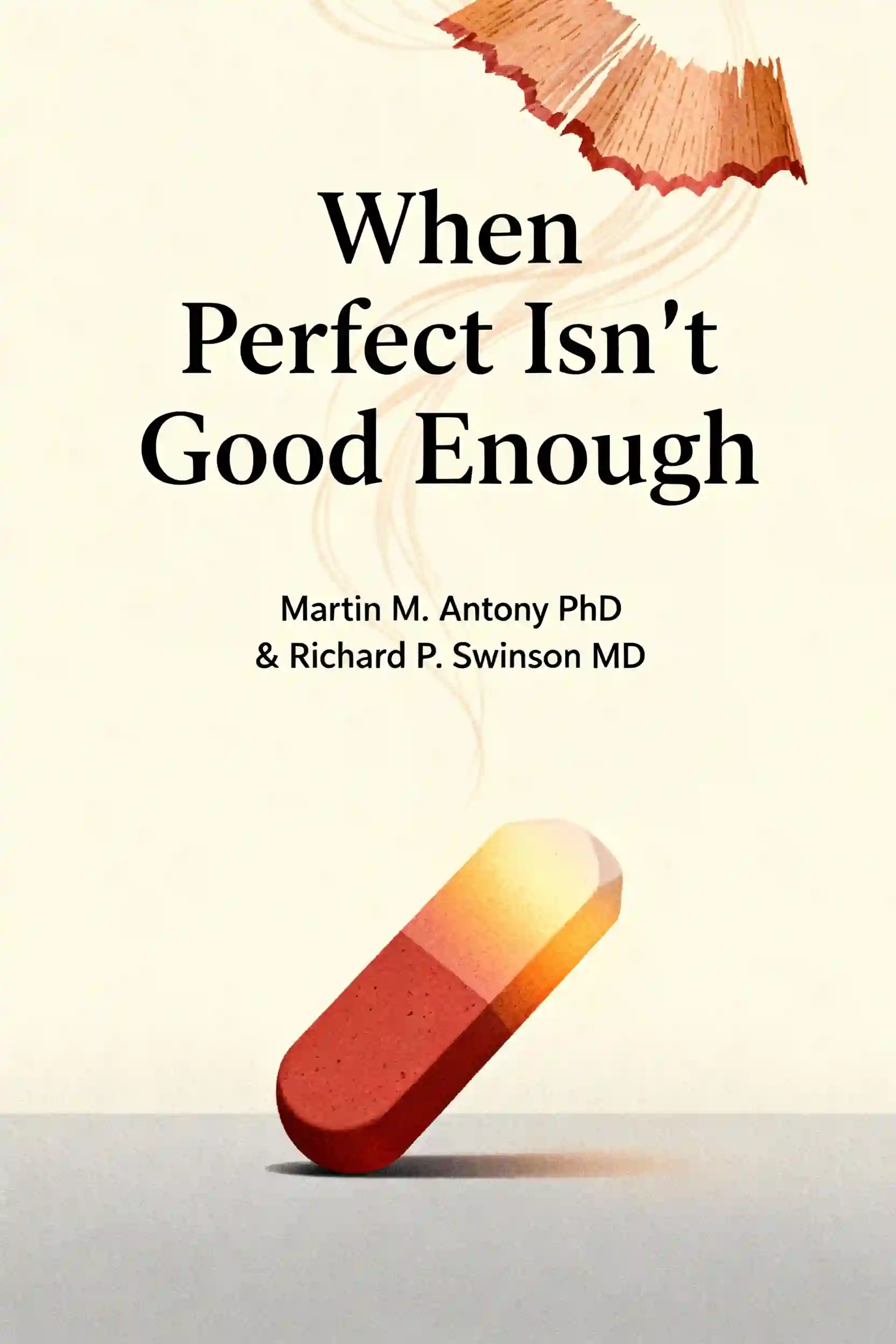
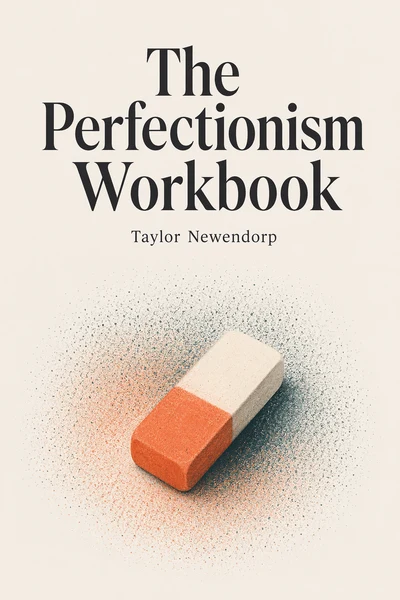
Perfectionism often acts as a "protective shield" driven by a fear of being judged or falling short. This creates a paradox where the higher your standards are, the less you actually do because as long as you don't fully start a task, the possibility of it being "perfect" remains safe. Psychologically, this is linked to all-or-nothing thinking, where anything less than a flawless result is viewed as a total failure. This triggers a "freeze" or "flee" response in the nervous system, leading to avoidance or "productive procrastination," such as spending hours on the aesthetics of notes rather than the difficult work of learning.
The fluency illusion occurs when a student mistakes the familiarity of study materials for actual mastery of the content. When you spend time on low-effort tasks like re-reading, highlighting, or making notes look aesthetically pleasing with calligraphy and colors, your brain recognizes the layout and appearance of the page and falsely assumes it understands the information. Research indicates that these "low utility" methods do not trigger the "desirable difficulty" required for long-term retention. On an exam, you may remember what the page looked like but find yourself unable to recall the actual facts or concepts.
Active recall is the process of forcing your brain to retrieve information from memory, such as using the "Blank Page Method" to write down everything you remember without looking at your notes. This "retrieval effort" strengthens neural pathways, making the information easier to find later. Spaced repetition complements this by scheduling reviews just as you are about to forget the material, which signals the brain to move that information into long-term storage. Together, these techniques are significantly more effective than cramming because they work with the brain's natural "forgetting curve" to build deep, integrated mastery.
Perfection is a static, often impossible goal that ties a person's entire self-worth to their achievements, leading to high-alert anxiety and paralysis. In contrast, sustainable excellence is a dynamic process that focuses on the effort and the system rather than just the outcome. It involves setting high but flexible standards, such as the "70 Percent Rule," which encourages getting a "good enough" version of work done so it can be polished later. By viewing mistakes as diagnostic data rather than personal failures, a pursuer of excellence can maintain consistency and resilience over the long term.
Von Columbia University Alumni in San Francisco entwickelt
"Instead of endless scrolling, I just hit play on BeFreed. It saves me so much time."


"I never knew where to start with nonfiction—BeFreed’s book lists turned into podcasts gave me a clear path."


"Perfect balance between learning and entertainment. Finished ‘Thinking, Fast and Slow’ on my commute this week."
"Crazy how much I learned while walking the dog. BeFreed = small habits → big gains."
"Reading used to feel like a chore. Now it’s just part of my lifestyle."

"Feels effortless compared to reading. I’ve finished 6 books this month already."
"BeFreed turned my guilty doomscrolling into something that feels productive and inspiring."

"BeFreed turned my commute into learning time. 20-min podcasts are perfect for finishing books I never had time for."
"BeFreed replaced my podcast queue. Imagine Spotify for books — that’s it. 🙌"

"It is great for me to learn something from the book without reading it."
"The themed book list podcasts help me connect ideas across authors—like a guided audio journey."
"Makes me feel smarter every time before going to work"
Von Columbia University Alumni in San Francisco entwickelt
"Instead of endless scrolling, I just hit play on BeFreed. It saves me so much time."
"I never knew where to start with nonfiction—BeFreed’s book lists turned into podcasts gave me a clear path."
"Perfect balance between learning and entertainment. Finished ‘Thinking, Fast and Slow’ on my commute this week."
"Crazy how much I learned while walking the dog. BeFreed = small habits → big gains."
"Reading used to feel like a chore. Now it’s just part of my lifestyle."
"Feels effortless compared to reading. I’ve finished 6 books this month already."
"BeFreed turned my guilty doomscrolling into something that feels productive and inspiring."
"BeFreed turned my commute into learning time. 20-min podcasts are perfect for finishing books I never had time for."
"BeFreed replaced my podcast queue. Imagine Spotify for books — that’s it. 🙌"
"It is great for me to learn something from the book without reading it."
"The themed book list podcasts help me connect ideas across authors—like a guided audio journey."
"Makes me feel smarter every time before going to work"
"Instead of endless scrolling, I just hit play on BeFreed. It saves me so much time."
"I never knew where to start with nonfiction—BeFreed’s book lists turned into podcasts gave me a clear path."
"Perfect balance between learning and entertainment. Finished ‘Thinking, Fast and Slow’ on my commute this week."
"Crazy how much I learned while walking the dog. BeFreed = small habits → big gains."
"Reading used to feel like a chore. Now it’s just part of my lifestyle."
"Feels effortless compared to reading. I’ve finished 6 books this month already."
"BeFreed turned my guilty doomscrolling into something that feels productive and inspiring."
"BeFreed turned my commute into learning time. 20-min podcasts are perfect for finishing books I never had time for."
"BeFreed replaced my podcast queue. Imagine Spotify for books — that’s it. 🙌"
"It is great for me to learn something from the book without reading it."
"The themed book list podcasts help me connect ideas across authors—like a guided audio journey."
"Makes me feel smarter every time before going to work"
"Instead of endless scrolling, I just hit play on BeFreed. It saves me so much time."
"I never knew where to start with nonfiction—BeFreed’s book lists turned into podcasts gave me a clear path."
"Perfect balance between learning and entertainment. Finished ‘Thinking, Fast and Slow’ on my commute this week."
"Crazy how much I learned while walking the dog. BeFreed = small habits → big gains."
"Reading used to feel like a chore. Now it’s just part of my lifestyle."
"Feels effortless compared to reading. I’ve finished 6 books this month already."
"BeFreed turned my guilty doomscrolling into something that feels productive and inspiring."
"BeFreed turned my commute into learning time. 20-min podcasts are perfect for finishing books I never had time for."
"BeFreed replaced my podcast queue. Imagine Spotify for books — that’s it. 🙌"
"It is great for me to learn something from the book without reading it."
"The themed book list podcasts help me connect ideas across authors—like a guided audio journey."
"Makes me feel smarter every time before going to work"