Breaking the Anxious-Avoidant Love Trap
Discover how an anxiously attached woman and trauma-affected avoidant man can transform their push-pull dynamic into lasting love through understanding, patience, and proven strategies.

Bestes Zitat aus Breaking the Anxious-Avoidant Love Trap
Neither of these responses is wrong or broken; they made perfect sense given what each person experienced growing up. Instead of seeing it as 'my partner is too clingy' or 'too distant,' we can see it as 'we learned different ways to protect ourselves, and now we need to learn how to create safety together.'

Diese Audiolektion wurde von einem BeFreed-Community-Mitglied erstellt
Make a long term relashionship work with an avoidant man with trauma and an axiously attached extrovert woman


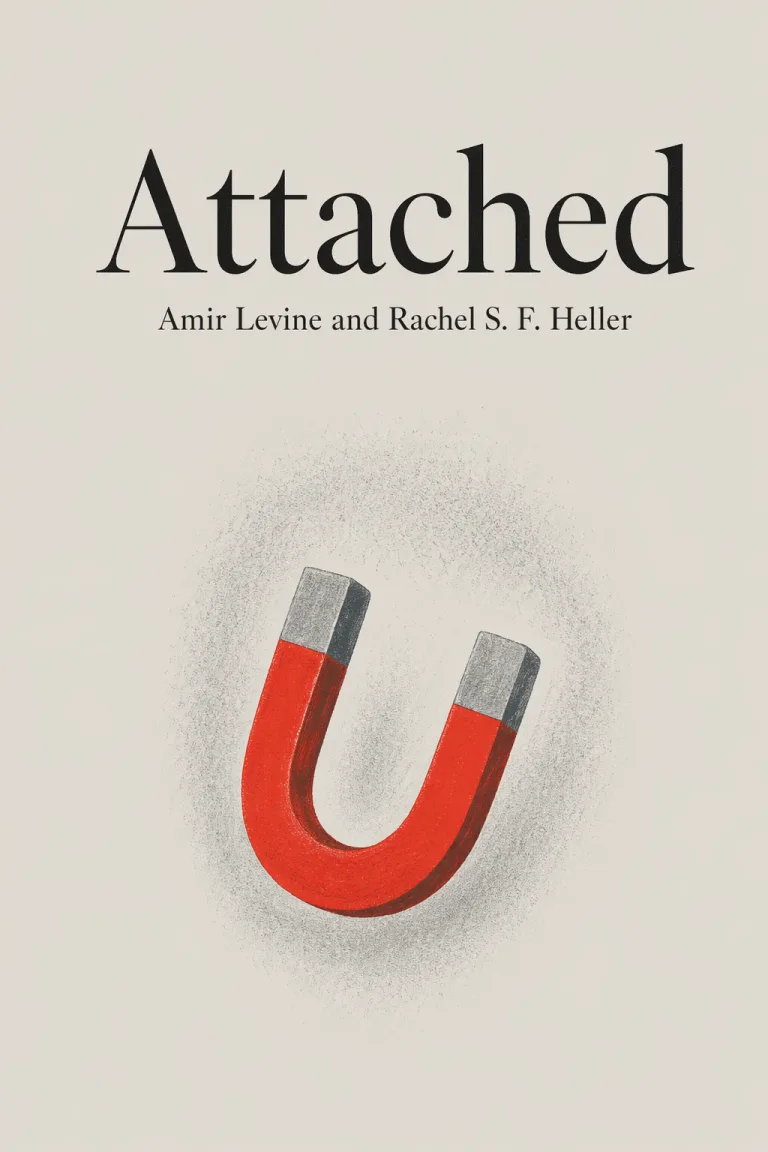

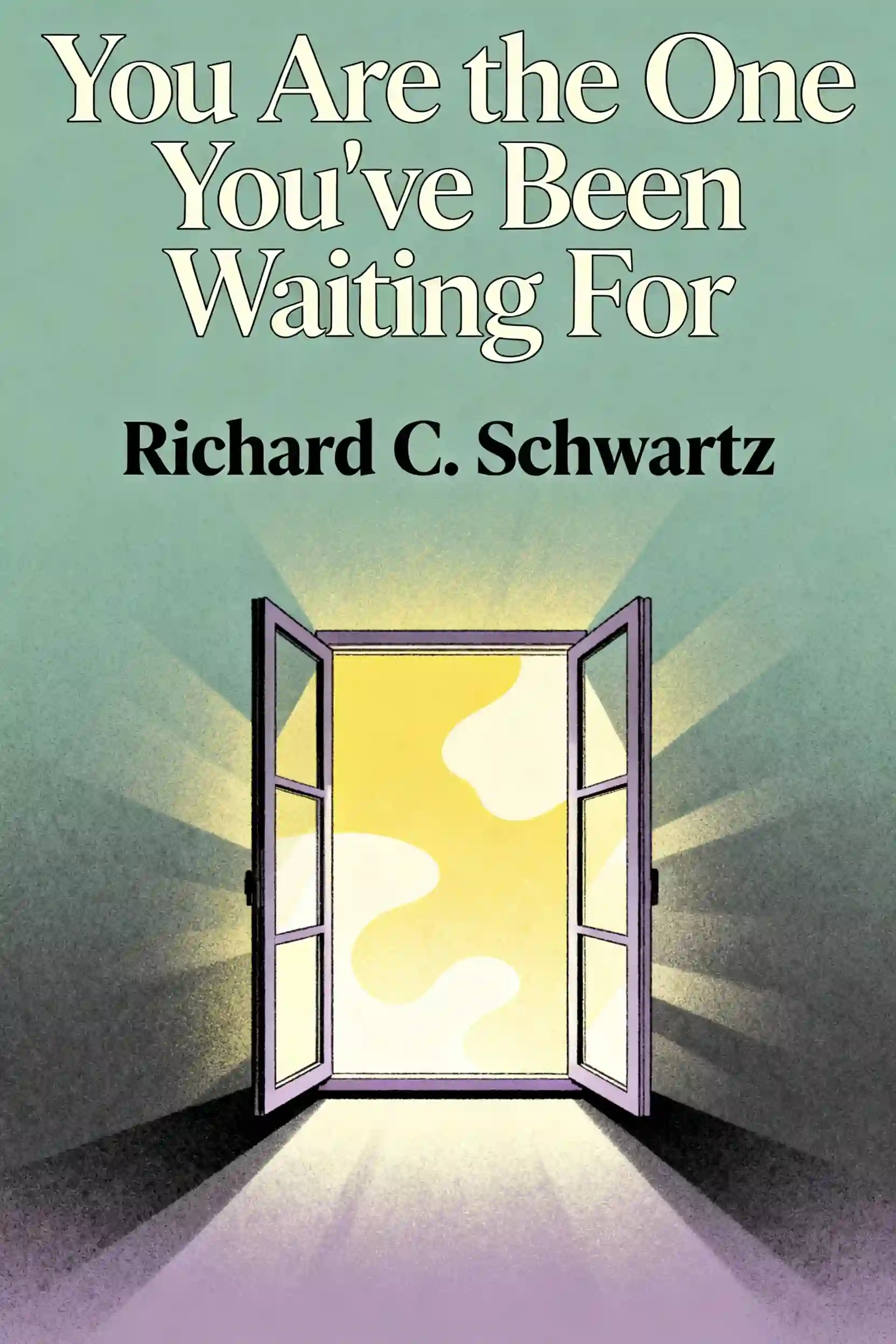
Mehr entdecken
Break the Anxious-Avoidant Trap
This plan is essential for individuals or couples caught in the exhausting cycle of pursuit and withdrawal. It provides practical somatic and behavioral tools for anyone looking to transform defensive patterns into a secure, lasting emotional connection.

Break the Cycle of Unavailable Love
This plan is essential for anyone who feels stuck in a loop of chasing emotionally distant partners and mistaking instability for passion. It provides a roadmap for healing childhood wounds and shifting from anxious attachment toward secure, fulfilling relationships.

Attachment theory fearful avoidants
This plan is designed for individuals who struggle with the push-pull dynamic of fearful avoidance and past trauma. It offers a practical roadmap for anyone seeking to stabilize their emotional health and build secure, lasting intimacy.
As a man, overcoming avoidant attachment
This plan is essential for men who feel a cycle of pulling away just as relationships get serious. It provides a roadmap for those ready to bridge the gap between their need for independence and their desire for lasting intimacy.
Lead and deepen avoidant partner connections
This plan is essential for individuals struggling with the push-pull dynamic of avoidant relationships. It provides the psychological tools and communication frameworks needed to bridge emotional gaps and build lasting security with a partner who tends to withdraw.

Manage anxious attachment in relationships
Anxious attachment patterns can significantly disrupt relationships, causing excessive worry, need for reassurance, and fear of abandonment. This learning plan helps those struggling with relationship anxiety understand their attachment style, regulate their emotions, and build healthier, more secure connections.

Rewire Your Avoidant Heart
This plan is designed for individuals who struggle with emotional distance and the impulse to pull away in relationships. It provides a practical roadmap to shift from self-protection to secure connection by integrating nervous system regulation with actionable communication skills.

Break free from limerent obsession patterns
This plan is designed for individuals who feel trapped in cycles of obsessive longing or emotionally draining relationships. It provides a science-backed roadmap to healing attachment wounds and reclaiming emotional autonomy from codependent patterns.
Von Columbia University Alumni in San Francisco entwickelt
"Instead of endless scrolling, I just hit play on BeFreed. It saves me so much time."


"I never knew where to start with nonfiction—BeFreed’s book lists turned into podcasts gave me a clear path."


"Perfect balance between learning and entertainment. Finished ‘Thinking, Fast and Slow’ on my commute this week."
"Crazy how much I learned while walking the dog. BeFreed = small habits → big gains."
"Reading used to feel like a chore. Now it’s just part of my lifestyle."

"Feels effortless compared to reading. I’ve finished 6 books this month already."
"BeFreed turned my guilty doomscrolling into something that feels productive and inspiring."

"BeFreed turned my commute into learning time. 20-min podcasts are perfect for finishing books I never had time for."
"BeFreed replaced my podcast queue. Imagine Spotify for books — that’s it. 🙌"

"It is great for me to learn something from the book without reading it."
"The themed book list podcasts help me connect ideas across authors—like a guided audio journey."
"Makes me feel smarter every time before going to work"
Von Columbia University Alumni in San Francisco entwickelt
"Instead of endless scrolling, I just hit play on BeFreed. It saves me so much time."
"I never knew where to start with nonfiction—BeFreed’s book lists turned into podcasts gave me a clear path."
"Perfect balance between learning and entertainment. Finished ‘Thinking, Fast and Slow’ on my commute this week."
"Crazy how much I learned while walking the dog. BeFreed = small habits → big gains."
"Reading used to feel like a chore. Now it’s just part of my lifestyle."
"Feels effortless compared to reading. I’ve finished 6 books this month already."
"BeFreed turned my guilty doomscrolling into something that feels productive and inspiring."
"BeFreed turned my commute into learning time. 20-min podcasts are perfect for finishing books I never had time for."
"BeFreed replaced my podcast queue. Imagine Spotify for books — that’s it. 🙌"
"It is great for me to learn something from the book without reading it."
"The themed book list podcasts help me connect ideas across authors—like a guided audio journey."
"Makes me feel smarter every time before going to work"
"Instead of endless scrolling, I just hit play on BeFreed. It saves me so much time."
"I never knew where to start with nonfiction—BeFreed’s book lists turned into podcasts gave me a clear path."
"Perfect balance between learning and entertainment. Finished ‘Thinking, Fast and Slow’ on my commute this week."
"Crazy how much I learned while walking the dog. BeFreed = small habits → big gains."
"Reading used to feel like a chore. Now it’s just part of my lifestyle."
"Feels effortless compared to reading. I’ve finished 6 books this month already."
"BeFreed turned my guilty doomscrolling into something that feels productive and inspiring."
"BeFreed turned my commute into learning time. 20-min podcasts are perfect for finishing books I never had time for."
"BeFreed replaced my podcast queue. Imagine Spotify for books — that’s it. 🙌"
"It is great for me to learn something from the book without reading it."
"The themed book list podcasts help me connect ideas across authors—like a guided audio journey."
"Makes me feel smarter every time before going to work"
"Instead of endless scrolling, I just hit play on BeFreed. It saves me so much time."
"I never knew where to start with nonfiction—BeFreed’s book lists turned into podcasts gave me a clear path."
"Perfect balance between learning and entertainment. Finished ‘Thinking, Fast and Slow’ on my commute this week."
"Crazy how much I learned while walking the dog. BeFreed = small habits → big gains."
"Reading used to feel like a chore. Now it’s just part of my lifestyle."
"Feels effortless compared to reading. I’ve finished 6 books this month already."
"BeFreed turned my guilty doomscrolling into something that feels productive and inspiring."
"BeFreed turned my commute into learning time. 20-min podcasts are perfect for finishing books I never had time for."
"BeFreed replaced my podcast queue. Imagine Spotify for books — that’s it. 🙌"
"It is great for me to learn something from the book without reading it."
"The themed book list podcasts help me connect ideas across authors—like a guided audio journey."
"Makes me feel smarter every time before going to work"




![How to Develop a Secure Attachment Style as an Adult [According to a Therapist] - Madison Square Psychotherapy](/_next/image?url=https%3A%2F%2Fd1y2du6z1jfm9e.cloudfront.net%2Fassets%2Fpodcast%2Fyellow.png&w=1024&q=50)