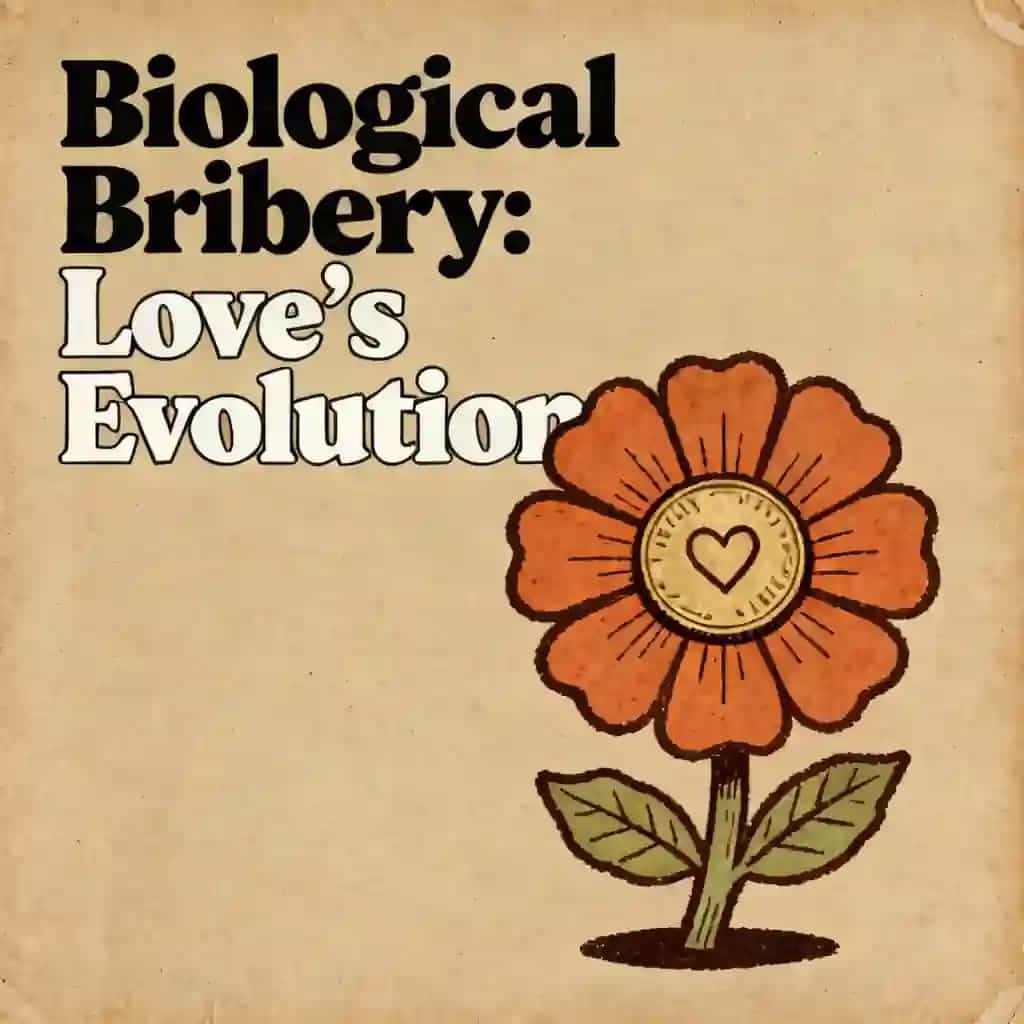
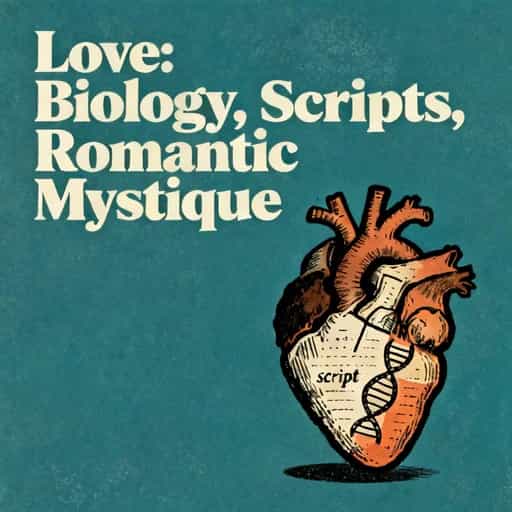
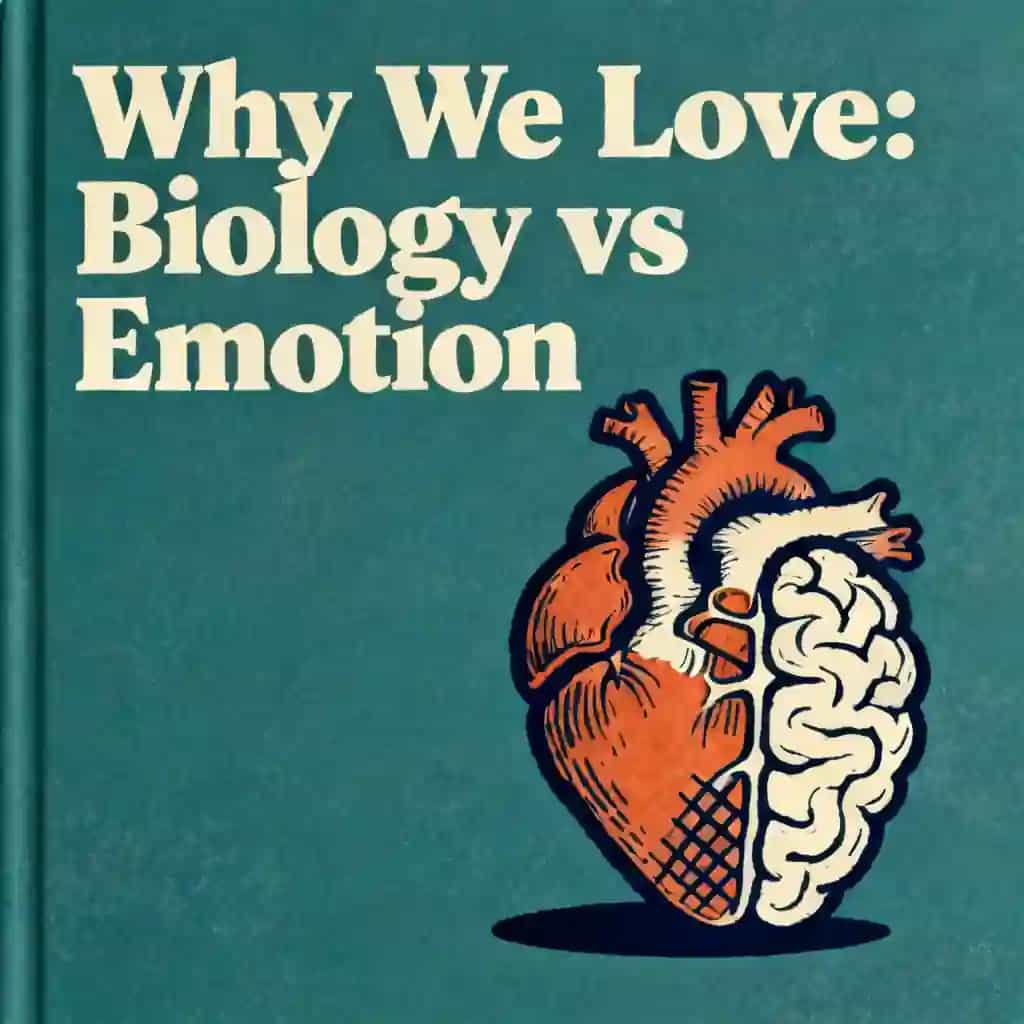
Explore the biological blueprint of love and how romantic attraction evolved from the ancient neurobiological machinery of the mother-infant bond and survival.

Romantic love did not just appear out of nowhere in the human lineage; rather, it evolved by co-opting the pre-existing neurobiological machinery of the mother-infant bond.
Biological and evolutionary roots of pair bonding in humans, focusing on its history and development over time, including dopamine/oxytocin roles and the evolutionary 'why'.


![Springer MRW: [AU:0, IDX:0]](https://d1y2du6z1jfm9e.cloudfront.net/assets/podcast/blue.png)
The biological blueprint of love refers to an ancient neurological system that predates the human species. It is a high-stakes brain activation that creates a focused drive for connection, often manifesting as the heart-pounding sensation of new romance. This system utilizes a specific neurobiological machinery designed to turn the brain into a heat-seeking missile for attachment, ensuring that individuals form the deep bonds necessary for survival and the protection of the next generation.
Research suggests that romantic love evolved by co-opting the pre-existing neurobiological scaffolding of the mother-infant bond. Rather than appearing independently, the attachment felt for a partner is built upon the same ancient machinery ancestors used to care for helpless infants. This evolutionary shift moved humans from promiscuity toward lifelong partnership, repurposing life-sustaining systems to bridge the gap between being strangers and becoming a committed pair.
The brain uses a powerful cocktail of dopamine and oxytocin to facilitate the neurobiology of attachment. These chemicals work together to effectively addict an individual to their partner, ensuring a focused and lasting connection. By leveraging these neurotransmitters, the biological blueprint of love creates a neurological takeover that can influence sleep, appetite, and constant thoughts about a specific person, all to maintain the safety of the lineage.
Von Columbia University Alumni in San Francisco entwickelt
"Instead of endless scrolling, I just hit play on BeFreed. It saves me so much time."
"I never knew where to start with nonfiction—BeFreed’s book lists turned into podcasts gave me a clear path."
"Perfect balance between learning and entertainment. Finished ‘Thinking, Fast and Slow’ on my commute this week."
"Crazy how much I learned while walking the dog. BeFreed = small habits → big gains."
"Reading used to feel like a chore. Now it’s just part of my lifestyle."
"Feels effortless compared to reading. I’ve finished 6 books this month already."
"BeFreed turned my guilty doomscrolling into something that feels productive and inspiring."
"BeFreed turned my commute into learning time. 20-min podcasts are perfect for finishing books I never had time for."
"BeFreed replaced my podcast queue. Imagine Spotify for books — that’s it. 🙌"
"It is great for me to learn something from the book without reading it."
"The themed book list podcasts help me connect ideas across authors—like a guided audio journey."
"Makes me feel smarter every time before going to work"
Von Columbia University Alumni in San Francisco entwickelt