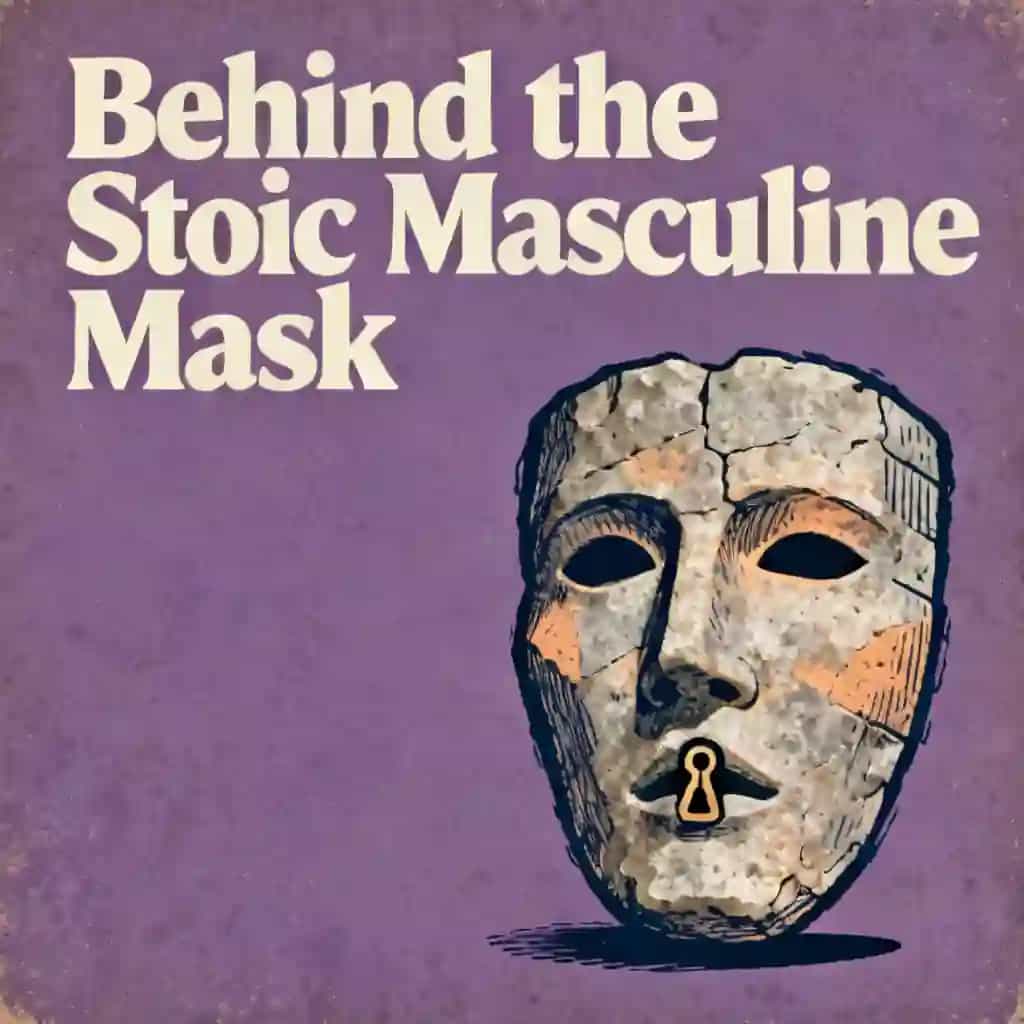
Behind the Mask: Supporting Men’s Mental Health and Well-being
Explore how to support men’s mental health by understanding emotional stoicism, male depression symptoms, and the cultural scripts that impact well-being.

Bestes Zitat aus Behind the Mask: Supporting Men’s Mental Health and Well-being
The cultural script—the 'man up' or 'big boys don't cry' narrative—is more than just an outdated cliché; it is a mindset causing profound damage, often acting as the single greatest health concern men face today.

Diese Audiolektion wurde von einem BeFreed-Community-Mitglied erstellt
Create a audiobook on men’s mental health and what women can do to help.






Häufig gestellte Fragen
Depression in men often wears a mask that looks different from traditional symptoms. You might notice a subtle withdrawal, increased irritability, or a sudden obsession with work that serves as an escape. Because men are often socialized toward emotional stoicism and self-reliance, their struggle may manifest as silence or sudden outbursts rather than outward sadness, making it vital for partners to recognize these shifting behaviors.
The cultural narrative of emotional stoicism, often summarized by phrases like "man up," teaches men that their value lies in self-reliance and hiding vulnerability. This mindset acts as a significant health concern, preventing men from processing emotions through connection. This internal pressure to keep everything together can lead to profound damage, contributing to a quiet, heavy reality that impacts their overall well-being and relationships.
Supporting male partners is essential because men account for nearly three out of four "deaths of despair," a category that includes suicide and substance use. While women may report higher rates of depression, men often face higher risks due to the pressure to maintain a mask of strength. As a partner, you are often the first line of defense who notices when that mask begins to crack.
The term "deaths of despair" refers to a tragic category of mortality that includes suicide and substance use. Despite reporting lower rates of depression than women, men are disproportionately represented in these statistics. Understanding this reality is crucial for mental health awareness, as it highlights the urgent need to address the unique ways men experience and hide their psychological struggles.
Mehr entdecken

Understand Male Sexual Health
This learning plan addresses the often-stigmatized aspects of male wellness by combining biological facts with psychological insights. It is designed for men seeking to optimize their physical performance, understand age-related changes, and foster a healthier relationship with their own masculinity.

Depression
This plan offers a comprehensive roadmap for anyone struggling with low mood or seeking to support others. It combines clinical understanding with actionable cognitive and mindfulness tools to foster lasting mental health recovery.

Master my mind and be the dad they deserve
This plan is designed for fathers who want to break cycles of reactivity and lead their families with emotional stability. It provides the essential psychological tools needed to transform stress into presence, making it ideal for any dad seeking a deeper bond with his children.

Anger management
Uncontrolled anger can damage health and relationships, yet traditional advice often fails to address its root causes. This plan is ideal for anyone seeking to transition from reactive outbursts to mindful, constructive communication and emotional stability.

Master Manhood: Love, Wealth & Mastery
This plan is designed for men seeking to integrate emotional maturity with professional and financial excellence. It provides a comprehensive roadmap for those looking to lead with purpose and build lasting wealth while maintaining deep, fulfilling relationships.

Male psychology
This plan is essential for anyone seeking to understand the unique psychological landscape men navigate today. It benefits men looking for personal growth and professionals wanting to support male mental health more effectively.

Build healthy masculine self-confidence
In an era of shifting social dynamics, many men struggle to balance traditional strength with modern emotional awareness. This plan is designed for men seeking to replace insecurity with authentic confidence and purpose-driven leadership.

become a better man
In an era of shifting social norms, this plan provides a roadmap for men seeking to balance traditional strength with modern emotional intelligence. It is ideal for anyone looking to bridge the gap between personal discipline and impactful leadership in their private and professional lives.
Von Columbia University Alumni in San Francisco entwickelt
"Instead of endless scrolling, I just hit play on BeFreed. It saves me so much time."


"I never knew where to start with nonfiction—BeFreed’s book lists turned into podcasts gave me a clear path."


"Perfect balance between learning and entertainment. Finished ‘Thinking, Fast and Slow’ on my commute this week."
"Crazy how much I learned while walking the dog. BeFreed = small habits → big gains."
"Reading used to feel like a chore. Now it’s just part of my lifestyle."

"Feels effortless compared to reading. I’ve finished 6 books this month already."
"BeFreed turned my guilty doomscrolling into something that feels productive and inspiring."

"BeFreed turned my commute into learning time. 20-min podcasts are perfect for finishing books I never had time for."
"BeFreed replaced my podcast queue. Imagine Spotify for books — that’s it. 🙌"

"It is great for me to learn something from the book without reading it."
"The themed book list podcasts help me connect ideas across authors—like a guided audio journey."
"Makes me feel smarter every time before going to work"
Von Columbia University Alumni in San Francisco entwickelt
"Instead of endless scrolling, I just hit play on BeFreed. It saves me so much time."
"I never knew where to start with nonfiction—BeFreed’s book lists turned into podcasts gave me a clear path."
"Perfect balance between learning and entertainment. Finished ‘Thinking, Fast and Slow’ on my commute this week."
"Crazy how much I learned while walking the dog. BeFreed = small habits → big gains."
"Reading used to feel like a chore. Now it’s just part of my lifestyle."
"Feels effortless compared to reading. I’ve finished 6 books this month already."
"BeFreed turned my guilty doomscrolling into something that feels productive and inspiring."
"BeFreed turned my commute into learning time. 20-min podcasts are perfect for finishing books I never had time for."
"BeFreed replaced my podcast queue. Imagine Spotify for books — that’s it. 🙌"
"It is great for me to learn something from the book without reading it."
"The themed book list podcasts help me connect ideas across authors—like a guided audio journey."
"Makes me feel smarter every time before going to work"
"Instead of endless scrolling, I just hit play on BeFreed. It saves me so much time."
"I never knew where to start with nonfiction—BeFreed’s book lists turned into podcasts gave me a clear path."
"Perfect balance between learning and entertainment. Finished ‘Thinking, Fast and Slow’ on my commute this week."
"Crazy how much I learned while walking the dog. BeFreed = small habits → big gains."
"Reading used to feel like a chore. Now it’s just part of my lifestyle."
"Feels effortless compared to reading. I’ve finished 6 books this month already."
"BeFreed turned my guilty doomscrolling into something that feels productive and inspiring."
"BeFreed turned my commute into learning time. 20-min podcasts are perfect for finishing books I never had time for."
"BeFreed replaced my podcast queue. Imagine Spotify for books — that’s it. 🙌"
"It is great for me to learn something from the book without reading it."
"The themed book list podcasts help me connect ideas across authors—like a guided audio journey."
"Makes me feel smarter every time before going to work"
"Instead of endless scrolling, I just hit play on BeFreed. It saves me so much time."
"I never knew where to start with nonfiction—BeFreed’s book lists turned into podcasts gave me a clear path."
"Perfect balance between learning and entertainment. Finished ‘Thinking, Fast and Slow’ on my commute this week."
"Crazy how much I learned while walking the dog. BeFreed = small habits → big gains."
"Reading used to feel like a chore. Now it’s just part of my lifestyle."
"Feels effortless compared to reading. I’ve finished 6 books this month already."
"BeFreed turned my guilty doomscrolling into something that feels productive and inspiring."
"BeFreed turned my commute into learning time. 20-min podcasts are perfect for finishing books I never had time for."
"BeFreed replaced my podcast queue. Imagine Spotify for books — that’s it. 🙌"
"It is great for me to learn something from the book without reading it."
"The themed book list podcasts help me connect ideas across authors—like a guided audio journey."
"Makes me feel smarter every time before going to work"