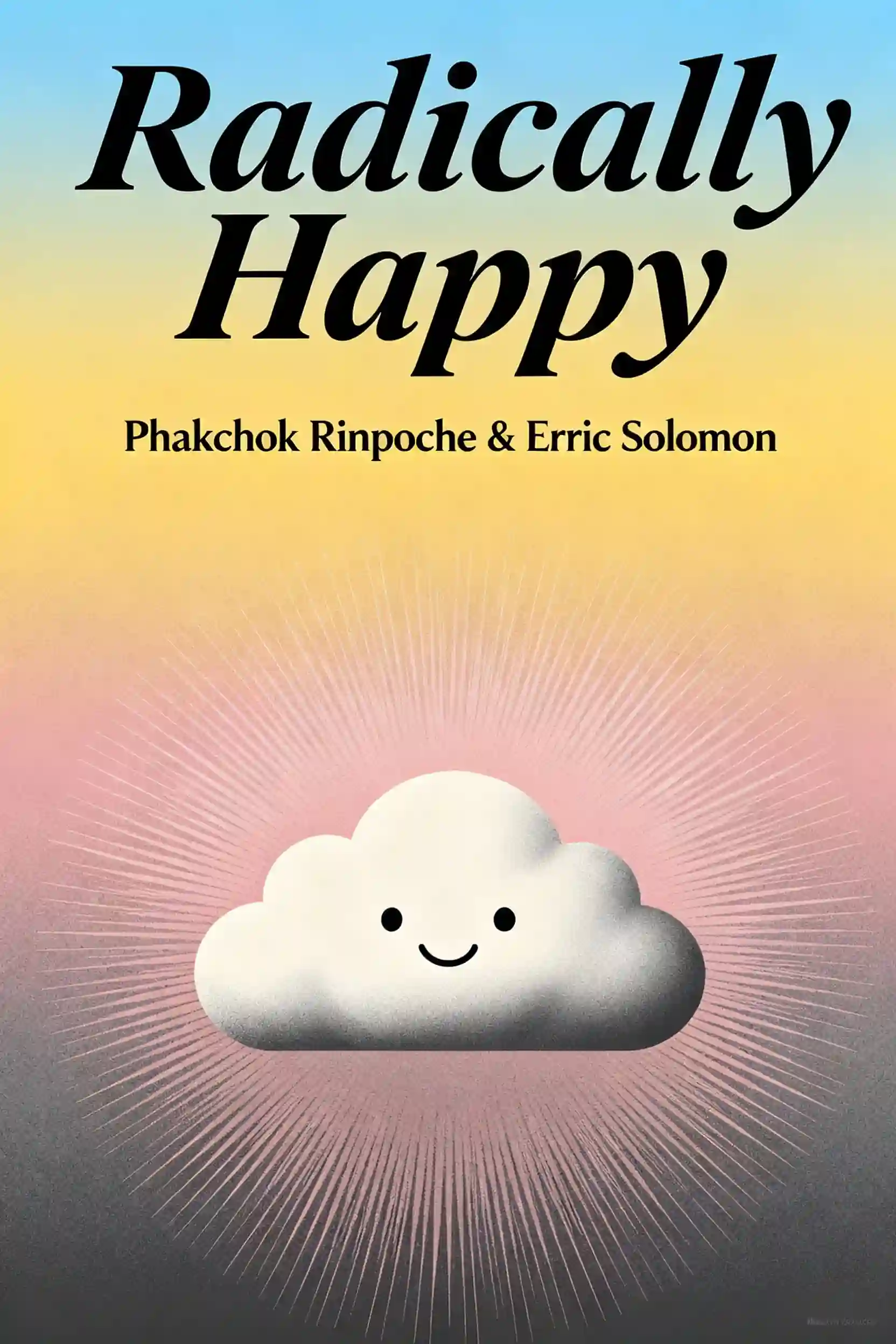
Be Present and Stop Living on Autopilot
We spend nearly half our lives stuck in our heads. Learn how to shift out of doing mode and build the skill of noticing to reclaim your daily life.

Bestes Zitat aus Be Present and Stop Living on Autopilot
Mindfulness isn't just meditation. Meditation is the gym where you go to build the strength, but mindfulness is the lifestyle—it’s how you use that strength in the real world.
Generated by Melanie
Be present

Häufig gestellte Fragen
The five pillars serve as a "Swiss Army knife" for the mind to help individuals return to the present moment. They include Awareness (tuning into physical sensations like breath), Non-Judgment (observing thoughts without labeling them as good or bad), Acceptance (actively acknowledging reality as it is without resistance), Letting Go (releasing the grip on specific thoughts or outcomes), and Beginner’s Mind (approaching experiences with fresh curiosity as if seeing them for the first time).
Consistent mindfulness practice can lead to measurable structural changes in the brain, moving beyond mere "nice ideas" into biological reality. Research using fMRI scans shows that it can increase gray matter density in the hippocampus, which is responsible for learning and memory. Simultaneously, it can shrink the amygdala, the brain's "fear center," making the alarm system less reactive to stress and effectively rewiring the brain for calm.
R.A.I.N. is a gold-standard mindfulness tool used to navigate intense emotions by becoming a "scientist" of your own feelings. The acronym stands for Recognize what is happening, Allow the emotion to be there without trying to kick it out, Investigate the feeling with kindness by noticing where it sits in the body, and Nurture yourself with compassion. This process helps individuals move from being a victim of their emotions to observing them with clarity.
Mindfulness can be integrated into daily life through "habit stacking," which involves anchoring awareness to existing routines. Examples include taking three intentional breaths while coffee is brewing, practicing "mindful driving" by feeling the texture of the steering wheel at red lights, or using the "raisin exercise" to eat a meal with total sensory focus. These micro-moments allow a person to inhabit their life more fully without needing a silent retreat or special equipment.
To combat the "reflexive twitch" of checking phones, the script suggests a "Three-Second Check-in" to ask yourself why you are picking up the device. Other strategies include using "pattern interrupts" like mindful lock-screens or browser plug-ins that create a five-second delay before social media sites load. Additionally, practicing "box breathing" (inhaling, holding, and exhaling for four seconds each) can help stabilize the nervous system after exposure to blue light or digital stress.
Von Columbia University Alumni in San Francisco entwickelt
"Instead of endless scrolling, I just hit play on BeFreed. It saves me so much time."


"I never knew where to start with nonfiction—BeFreed’s book lists turned into podcasts gave me a clear path."


"Perfect balance between learning and entertainment. Finished ‘Thinking, Fast and Slow’ on my commute this week."
"Crazy how much I learned while walking the dog. BeFreed = small habits → big gains."
"Reading used to feel like a chore. Now it’s just part of my lifestyle."

"Feels effortless compared to reading. I’ve finished 6 books this month already."
"BeFreed turned my guilty doomscrolling into something that feels productive and inspiring."

"BeFreed turned my commute into learning time. 20-min podcasts are perfect for finishing books I never had time for."
"BeFreed replaced my podcast queue. Imagine Spotify for books — that’s it. 🙌"

"It is great for me to learn something from the book without reading it."
"The themed book list podcasts help me connect ideas across authors—like a guided audio journey."
"Makes me feel smarter every time before going to work"
 Ask ChatGPT
 Ask Claude
Von Columbia University Alumni in San Francisco entwickelt
"Instead of endless scrolling, I just hit play on BeFreed. It saves me so much time."
"I never knew where to start with nonfiction—BeFreed’s book lists turned into podcasts gave me a clear path."
"Perfect balance between learning and entertainment. Finished ‘Thinking, Fast and Slow’ on my commute this week."
"Crazy how much I learned while walking the dog. BeFreed = small habits → big gains."
"Reading used to feel like a chore. Now it’s just part of my lifestyle."
"Feels effortless compared to reading. I’ve finished 6 books this month already."
"BeFreed turned my guilty doomscrolling into something that feels productive and inspiring."
"BeFreed turned my commute into learning time. 20-min podcasts are perfect for finishing books I never had time for."
"BeFreed replaced my podcast queue. Imagine Spotify for books — that’s it. 🙌"
"It is great for me to learn something from the book without reading it."
"The themed book list podcasts help me connect ideas across authors—like a guided audio journey."
"Makes me feel smarter every time before going to work"
"Instead of endless scrolling, I just hit play on BeFreed. It saves me so much time."
"I never knew where to start with nonfiction—BeFreed’s book lists turned into podcasts gave me a clear path."
"Perfect balance between learning and entertainment. Finished ‘Thinking, Fast and Slow’ on my commute this week."
"Crazy how much I learned while walking the dog. BeFreed = small habits → big gains."
"Reading used to feel like a chore. Now it’s just part of my lifestyle."
"Feels effortless compared to reading. I’ve finished 6 books this month already."
"BeFreed turned my guilty doomscrolling into something that feels productive and inspiring."
"BeFreed turned my commute into learning time. 20-min podcasts are perfect for finishing books I never had time for."
"BeFreed replaced my podcast queue. Imagine Spotify for books — that’s it. 🙌"
"It is great for me to learn something from the book without reading it."
"The themed book list podcasts help me connect ideas across authors—like a guided audio journey."
"Makes me feel smarter every time before going to work"
"Instead of endless scrolling, I just hit play on BeFreed. It saves me so much time."
"I never knew where to start with nonfiction—BeFreed’s book lists turned into podcasts gave me a clear path."
"Perfect balance between learning and entertainment. Finished ‘Thinking, Fast and Slow’ on my commute this week."
"Crazy how much I learned while walking the dog. BeFreed = small habits → big gains."
"Reading used to feel like a chore. Now it’s just part of my lifestyle."
"Feels effortless compared to reading. I’ve finished 6 books this month already."
"BeFreed turned my guilty doomscrolling into something that feels productive and inspiring."
"BeFreed turned my commute into learning time. 20-min podcasts are perfect for finishing books I never had time for."
"BeFreed replaced my podcast queue. Imagine Spotify for books — that’s it. 🙌"
"It is great for me to learn something from the book without reading it."
"The themed book list podcasts help me connect ideas across authors—like a guided audio journey."
"Makes me feel smarter every time before going to work"