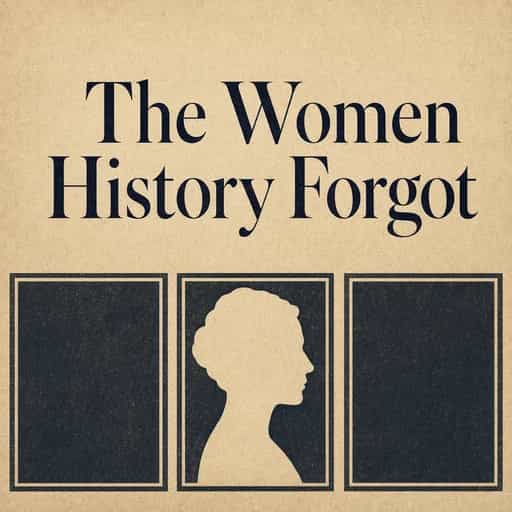
Ban Zhao: China's Paradoxical First Female Historian
Discover how Ban Zhao broke barriers as China's first female historian while reinforcing traditional gender roles, creating a legacy that continues to spark debate among feminists and scholars 2,000 years later.

Bestes Zitat aus Ban Zhao: China's Paradoxical First Female Historian
She was both empowering and constraining women at the same time, breaking barriers as a female intellectual while reinforcing traditional gender roles.

Diese Audiolektion wurde von einem BeFreed-Community-Mitglied erstellt
Ban Zhao

Mehr entdecken

Understand china history
This plan offers a vital perspective on China's trajectory from an ancient empire to a modern global leader. It is ideal for students, professionals, and history enthusiasts seeking to understand the historical forces driving today's geopolitical landscape.

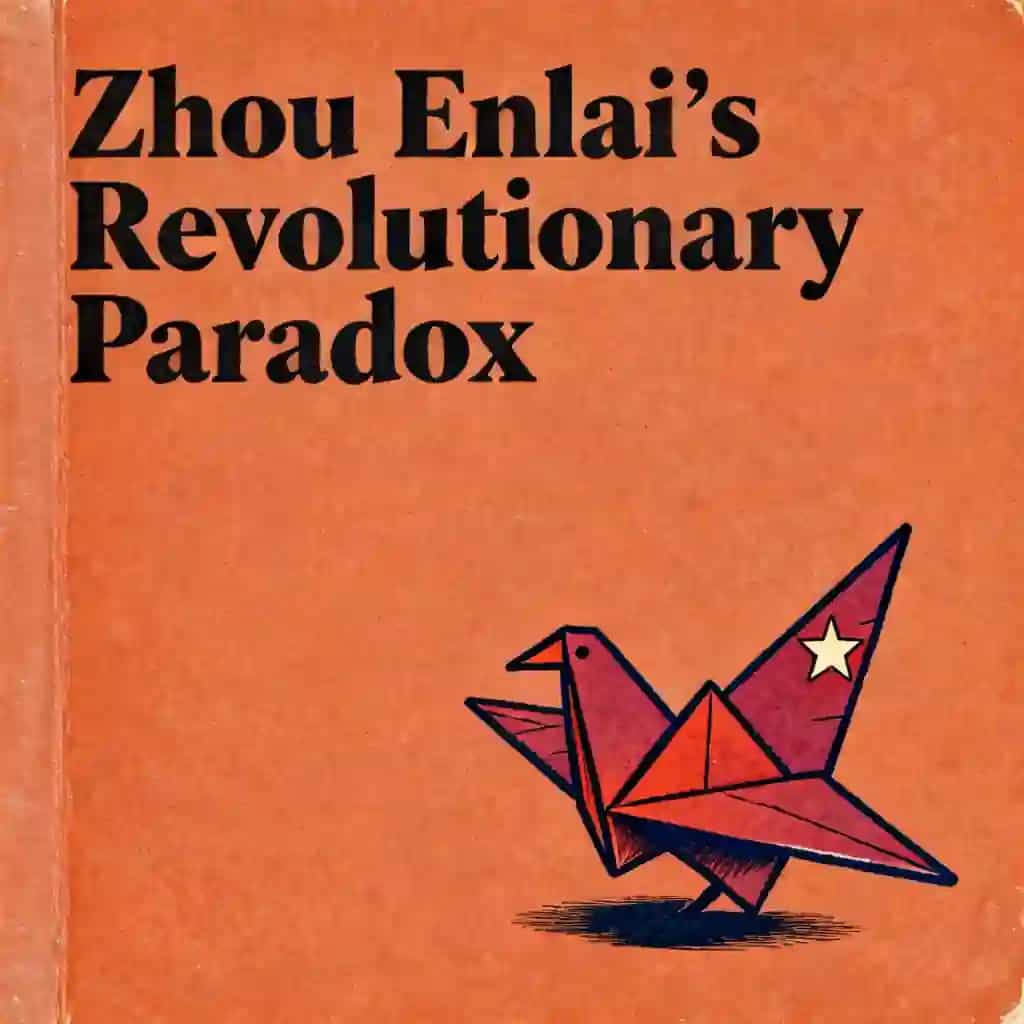
The Mandate of Heaven: Dynastic Transitions
This plan provides a deep dive into the cyclical nature of Chinese imperial history and the philosophical justifications for power. It is ideal for history enthusiasts and political science students seeking to understand how legitimacy and collapse shaped one of the world's oldest civilizations.

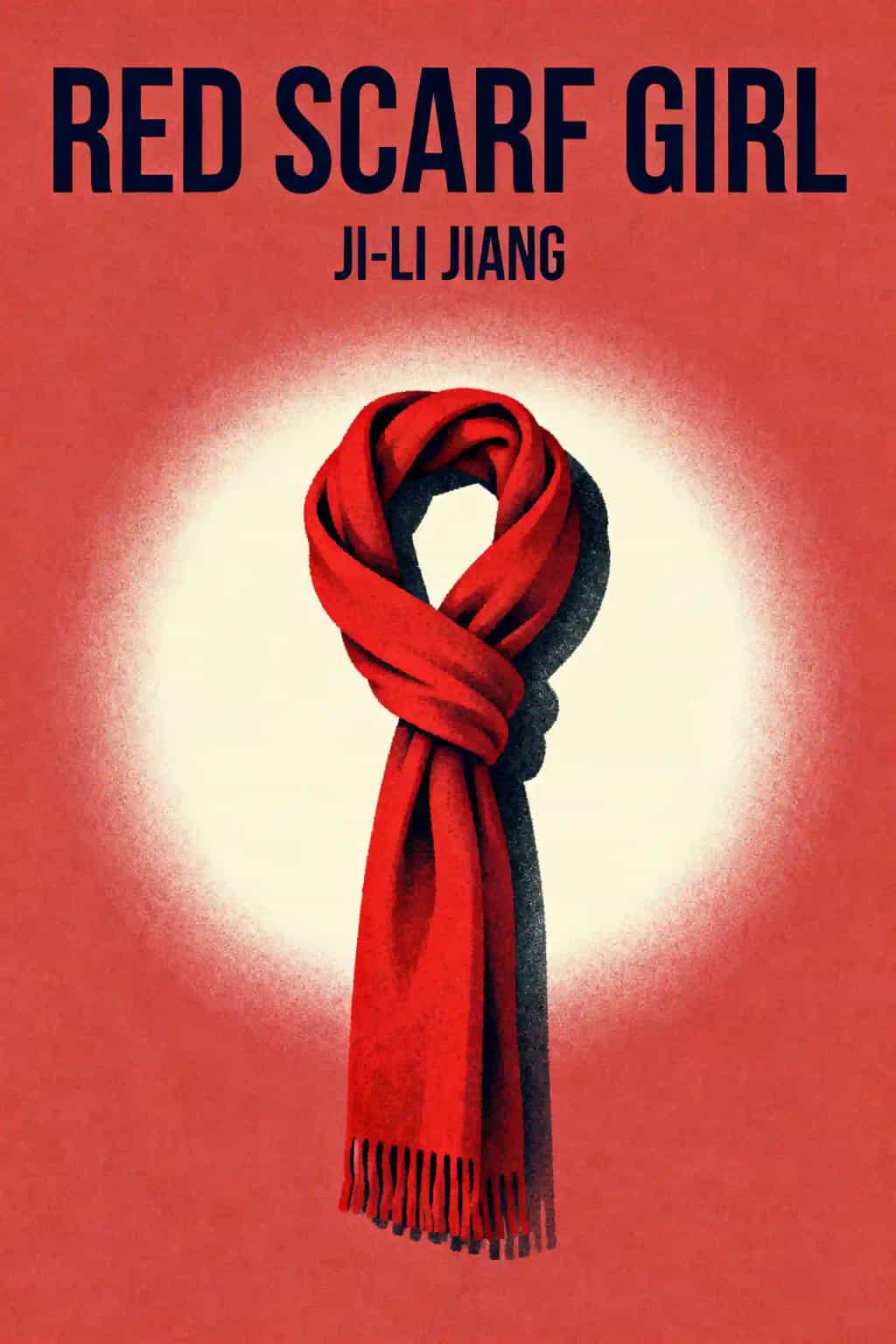
Female authors
This learning plan provides essential knowledge for anyone seeking to understand the vital contributions of women to world literature and feminist thought. It's particularly valuable for students of literature, gender studies, and cultural history, as well as readers who want to broaden their literary perspectives beyond traditionally male-dominated canons. By exploring both historical pioneers and contemporary voices, learners gain insight into how women writers have shaped—and continue to shape—our cultural conversations about identity, equality, and human experience.

The Female Eunuch: Reclaiming Vitality
This plan is essential for anyone seeking to understand the radical roots of modern feminism and the social construction of gender. It is ideal for students of sociology, gender studies, or readers looking to reclaim their personal autonomy from societal expectations.

The Bronze Age Silence
This learning plan offers a deep dive into the catastrophic end of the first globalized era, making it essential for history enthusiasts and students of archaeology. It provides a comprehensive framework for understanding how environmental, military, and systemic failures converge to reshape human history.

The Lineage of Gender Diversity
This plan bridges the gap between historical cultural traditions and modern clinical science. It is essential for educators, healthcare providers, and advocates seeking a comprehensive understanding of gender diversity across time and biology.

Unstoppable: Women Leading Global Change
This plan is essential for aspiring and established female leaders looking to break systemic barriers and drive meaningful global change. It offers a unique blend of historical perspective, practical navigation of modern workplace dynamics, and advanced visionary leadership skills.

Feminism
This learning plan provides essential frameworks for understanding gender inequality and social justice in our world today. It's valuable for anyone seeking to critically analyze power structures, engage in advocacy work, or simply understand how gender shapes experiences across different communities and contexts.
Von Columbia University Alumni in San Francisco entwickelt
"Instead of endless scrolling, I just hit play on BeFreed. It saves me so much time."


"I never knew where to start with nonfiction—BeFreed’s book lists turned into podcasts gave me a clear path."


"Perfect balance between learning and entertainment. Finished ‘Thinking, Fast and Slow’ on my commute this week."
"Crazy how much I learned while walking the dog. BeFreed = small habits → big gains."
"Reading used to feel like a chore. Now it’s just part of my lifestyle."

"Feels effortless compared to reading. I’ve finished 6 books this month already."
"BeFreed turned my guilty doomscrolling into something that feels productive and inspiring."

"BeFreed turned my commute into learning time. 20-min podcasts are perfect for finishing books I never had time for."
"BeFreed replaced my podcast queue. Imagine Spotify for books — that’s it. 🙌"

"It is great for me to learn something from the book without reading it."
"The themed book list podcasts help me connect ideas across authors—like a guided audio journey."
"Makes me feel smarter every time before going to work"
Von Columbia University Alumni in San Francisco entwickelt
"Instead of endless scrolling, I just hit play on BeFreed. It saves me so much time."
"I never knew where to start with nonfiction—BeFreed’s book lists turned into podcasts gave me a clear path."
"Perfect balance between learning and entertainment. Finished ‘Thinking, Fast and Slow’ on my commute this week."
"Crazy how much I learned while walking the dog. BeFreed = small habits → big gains."
"Reading used to feel like a chore. Now it’s just part of my lifestyle."
"Feels effortless compared to reading. I’ve finished 6 books this month already."
"BeFreed turned my guilty doomscrolling into something that feels productive and inspiring."
"BeFreed turned my commute into learning time. 20-min podcasts are perfect for finishing books I never had time for."
"BeFreed replaced my podcast queue. Imagine Spotify for books — that’s it. 🙌"
"It is great for me to learn something from the book without reading it."
"The themed book list podcasts help me connect ideas across authors—like a guided audio journey."
"Makes me feel smarter every time before going to work"
"Instead of endless scrolling, I just hit play on BeFreed. It saves me so much time."
"I never knew where to start with nonfiction—BeFreed’s book lists turned into podcasts gave me a clear path."
"Perfect balance between learning and entertainment. Finished ‘Thinking, Fast and Slow’ on my commute this week."
"Crazy how much I learned while walking the dog. BeFreed = small habits → big gains."
"Reading used to feel like a chore. Now it’s just part of my lifestyle."
"Feels effortless compared to reading. I’ve finished 6 books this month already."
"BeFreed turned my guilty doomscrolling into something that feels productive and inspiring."
"BeFreed turned my commute into learning time. 20-min podcasts are perfect for finishing books I never had time for."
"BeFreed replaced my podcast queue. Imagine Spotify for books — that’s it. 🙌"
"It is great for me to learn something from the book without reading it."
"The themed book list podcasts help me connect ideas across authors—like a guided audio journey."
"Makes me feel smarter every time before going to work"
"Instead of endless scrolling, I just hit play on BeFreed. It saves me so much time."
"I never knew where to start with nonfiction—BeFreed’s book lists turned into podcasts gave me a clear path."
"Perfect balance between learning and entertainment. Finished ‘Thinking, Fast and Slow’ on my commute this week."
"Crazy how much I learned while walking the dog. BeFreed = small habits → big gains."
"Reading used to feel like a chore. Now it’s just part of my lifestyle."
"Feels effortless compared to reading. I’ve finished 6 books this month already."
"BeFreed turned my guilty doomscrolling into something that feels productive and inspiring."
"BeFreed turned my commute into learning time. 20-min podcasts are perfect for finishing books I never had time for."
"BeFreed replaced my podcast queue. Imagine Spotify for books — that’s it. 🙌"
"It is great for me to learn something from the book without reading it."
"The themed book list podcasts help me connect ideas across authors—like a guided audio journey."
"Makes me feel smarter every time before going to work"