Kapitel 4
The Diet Culture Trap
Jackson: This brings us to what I call the diet culture trap. Have you ever noticed how rigid food rules often lead to the exact opposite of what we want?
Nia: Oh my gosh, yes! The whole "clean eating Monday through Friday, then weekend blowout" cycle. It's like the more I restrict, the more I eventually rebel.
Jackson: Neuroscientist Sandra Aamodt explains this perfectly in her TED talk. Chronic dieting can actually push your brain to defend a higher "set point," amplifying hunger and slowing metabolism. Her message is about living sanely with food-focusing on habits and mindful cues rather than rigid rules.
Nia: I love her quote: "Our daughters have learned to measure their worth by a wrong scale." That hits hard.
Jackson: And social media makes it worse. That 2025 meta-analysis of 83 studies found it's not just screen time that matters, but the content-weight-loss and appearance-focused feeds correlate with more eating disorder symptoms.
Nia: So we should curate our feeds like our pantries! That makes so much sense.
Kapitel 5
Breaking the Cycle with Evidence-Based Approaches
Nia: So if someone is struggling, what actually works? There's so much conflicting advice out there.
Jackson: Clinical guidelines from the American Psychiatric Association and NICE in the UK point to several evidence-based treatments. For adults across different eating disorders, CBT-E (enhanced cognitive behavioral therapy) is often the first-line psychotherapy. It targets the overvaluation of weight and shape, rigid rules, and unhelpful habits.
Nia: And for teenagers with anorexia, isn't there a family-based approach that's shown good results?
Jackson: Yes! Family-Based Treatment, sometimes called the Maudsley approach, empowers parents to help restore nutrition. It has strong evidence outperforming individual therapies for many teens.
Nia: What about medications? I know they're not the whole solution, but do they help?
Jackson: They can be part of comprehensive care. For binge eating disorder, lisdexamfetamine (Vyvanse) is FDA-approved for adults and shows reduced binge days in trials. For bulimia, SSRIs-particularly fluoxetine at higher doses-have evidence for reducing binge/purge frequency. For anorexia, no medication "treats" the condition fully, but olanzapine has modest evidence for helping adult outpatients gain weight.
Nia: And I imagine medical monitoring is crucial too?
Jackson: Absolutely non-negotiable. All eating disorders can produce dangerous electrolyte shifts, cardiac issues, bone loss-these are medical emergencies requiring proper care.
Kapitel 6
Building a Healthier Relationship with Food
Jackson: Let's get practical. What can people actually do in the real world to build a healthier relationship with food?
Nia: I've found that creating a food environment that makes the default easy helps tremendously. Like, having satisfying meals and snacks ready when I need them.
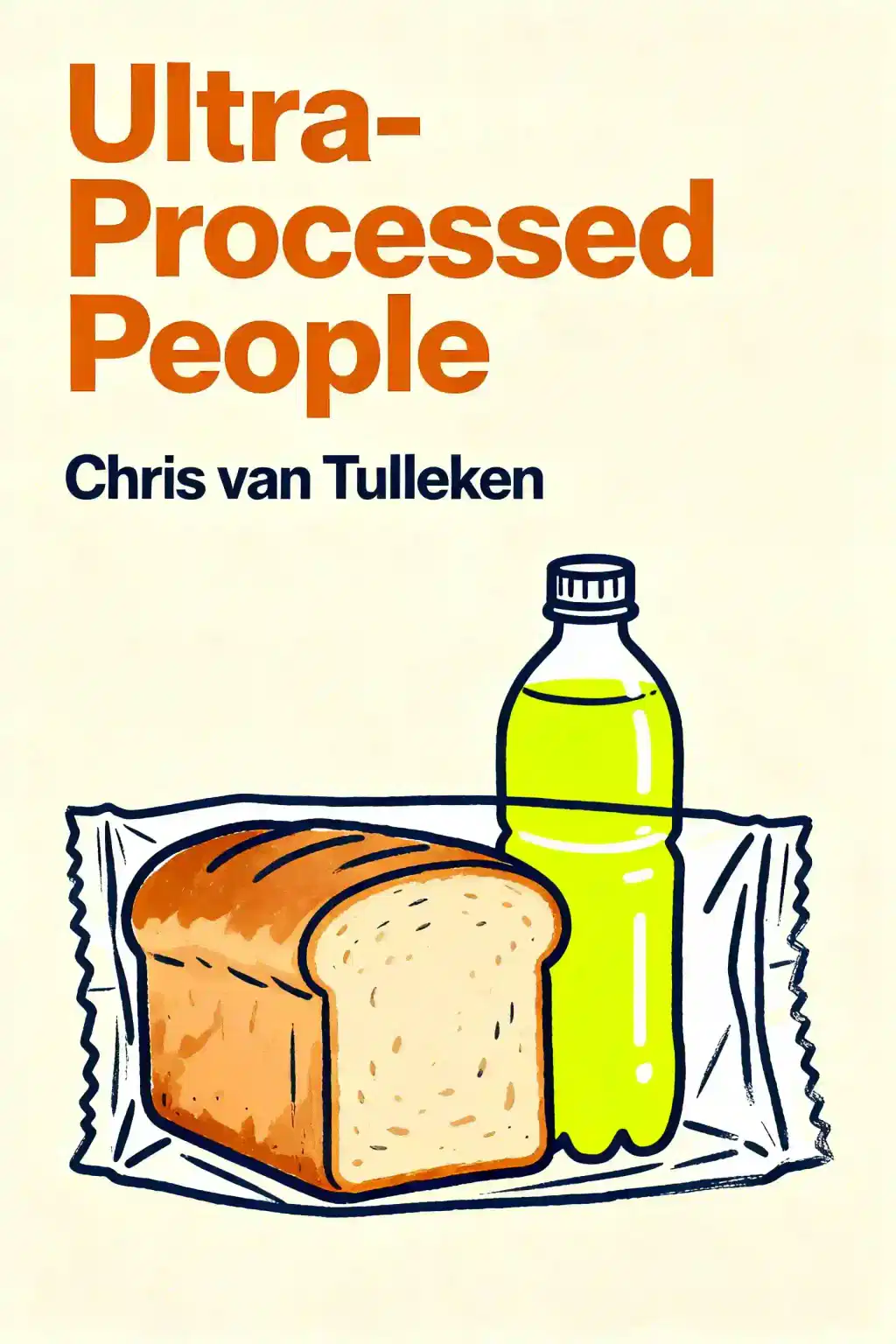
Jackson: That's brilliant! The Hall study supports that approach-emphasizing minimally processed staples when possible helps your homeostatic signals function better. And slowing down your eating rate, especially with those hyper-palatable foods, gives satiety signals time to catch up.
Nia: I've also noticed that when I have some structure-regular meals and planned snacks-I'm less likely to get ravenously hungry and then overeat later.
Jackson: That's actually a therapeutic tool in CBT-E! It's about creating guardrails, not chains. You're not micromanaging; you're preventing those extreme hunger swings that trigger binges.
Nia: And watching for those "diet rules" that become part of your identity seems important too. If you can't break a rule-like no carbs after 6pm-the rule owns you.
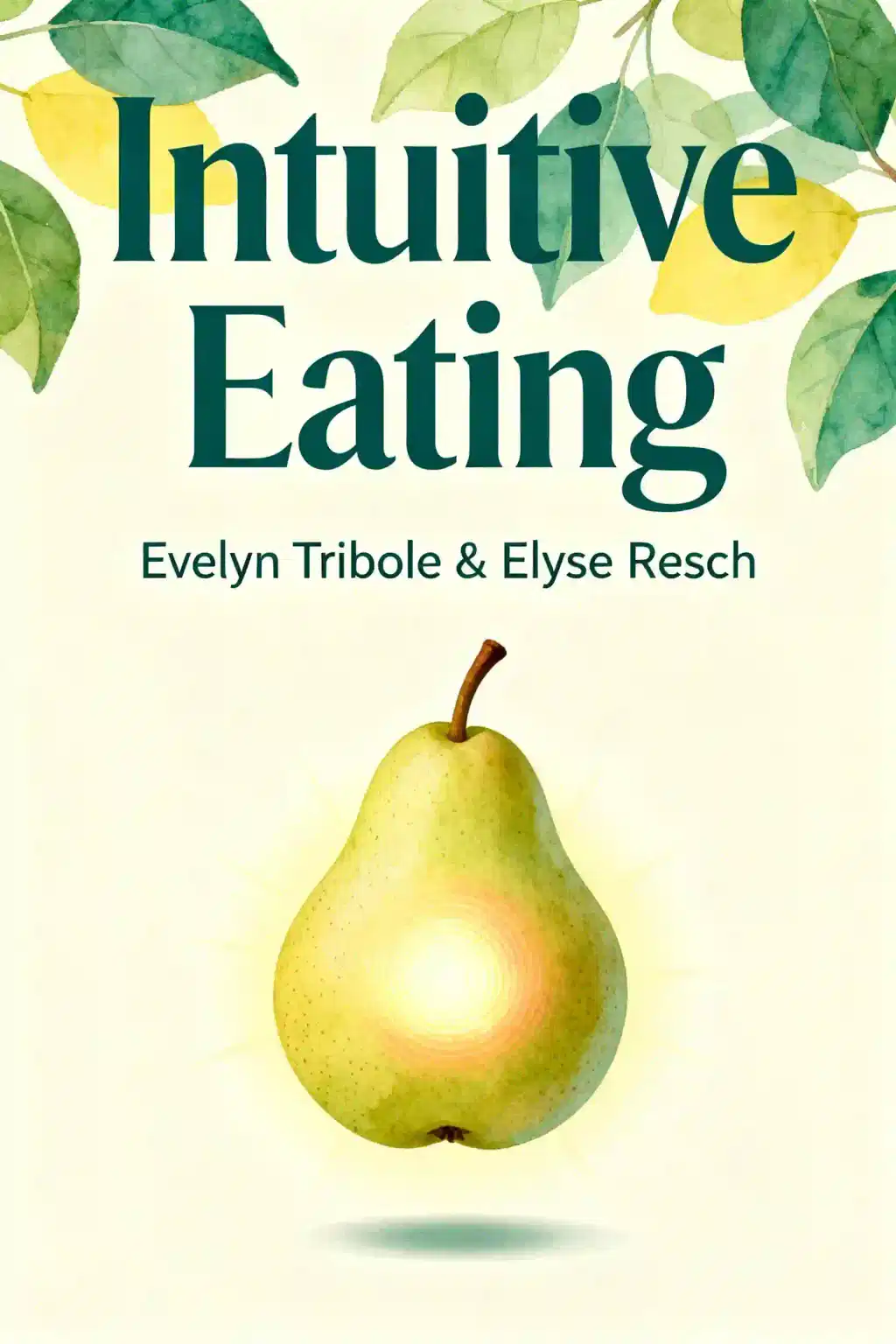
Jackson: Exactly. Both Aamodt's talk and the Intuitive Eating approach emphasize internal cues over external dogma. Ironically, this often leads to more balanced choices long-term.
Kapitel 7
Supporting Others Through Recovery
Nia: What if you're worried about someone else? How can you help without making things worse?
Jackson: Great question. First, avoid comments about appearance-even well-intentioned ones like "but you look fine" can be harmful. Instead, express concern about specific behaviors and offer to help them find support.
Nia: So something like, "I care about you. I've noticed you seem stressed around food. I'm here to listen and help you find support"?
Jackson: Perfect. And definitely avoid casual diet advice or suggesting they try the latest trend. NIMH emphasizes that eating disorders can affect anyone-any age, gender, or body size-so assumptions based on appearance are often wrong.
Nia: What about athletes? They face unique pressures around food and body image, right?
Jackson: Absolutely. The International Olympic Committee has addressed this with their concept of RED-S (Relative Energy Deficiency in Sport)-when athletes don't consume enough calories to support their training. It affects hormones, bone health, and performance. If performance or mood worsens while training increases, that's a red flag to check for disordered eating patterns.
Kapitel 8
Hope on the Horizon: Finding Balance
Nia: Despite those sobering statistics, there is hope, right?
Jackson: Definitely! Treatment options have expanded significantly. We've sharpened psychotherapies like CBT-E, family treatments have evolved, and we have more options for conditions like binge eating disorder. The key is combining compassionate, skilled therapy with medical monitoring and creating a food environment that supports-not sabotages-recovery.
Nia: I think what's most powerful is the idea that you can nourish yourself well without making nourishment your entire identity.
Jackson: That's it exactly. The science-and lived experience of millions-suggests a path that protects both physical and mental health: more structure, less perfectionism; more support, less secrecy; more compassion, fewer rules.
Kapitel 9
The Path Forward: Practical Steps
Nia: So if we had to distill this down to a few takeaways people could act on this week, what would they be?
Jackson: First, build guardrails, not chains. Use regular meals and satisfying snacks to prevent those "hangry" swings that trigger binges.
Nia: Second, nudge your environment. Keep minimally processed, protein-forward options visible and ready, and slow down during the first five minutes of each meal.
Jackson: Third, audit your social media feeds. Unfollow comparison-heavy accounts and follow creators who model flexible, joyful eating instead.
Nia: And finally, if you're concerned about yourself or someone else, don't wait. Ask for an ED-informed assessment and bring those APA or NICE recommendations to your visit.
Jackson: Exactly. You can eat well without obsession. You can care about nutrition without it becoming your religion. And if you're struggling, there's help available.
Nia: That's your daily dose of smarter from the BeFreed Podcast. I'm Nia.
Jackson: And I'm Jackson. Remember, your relationship with food should nourish your life, not consume it. See you next time!