Kapitel 1
The Silent Struggle: Recognizing ADHD in Girls and Women
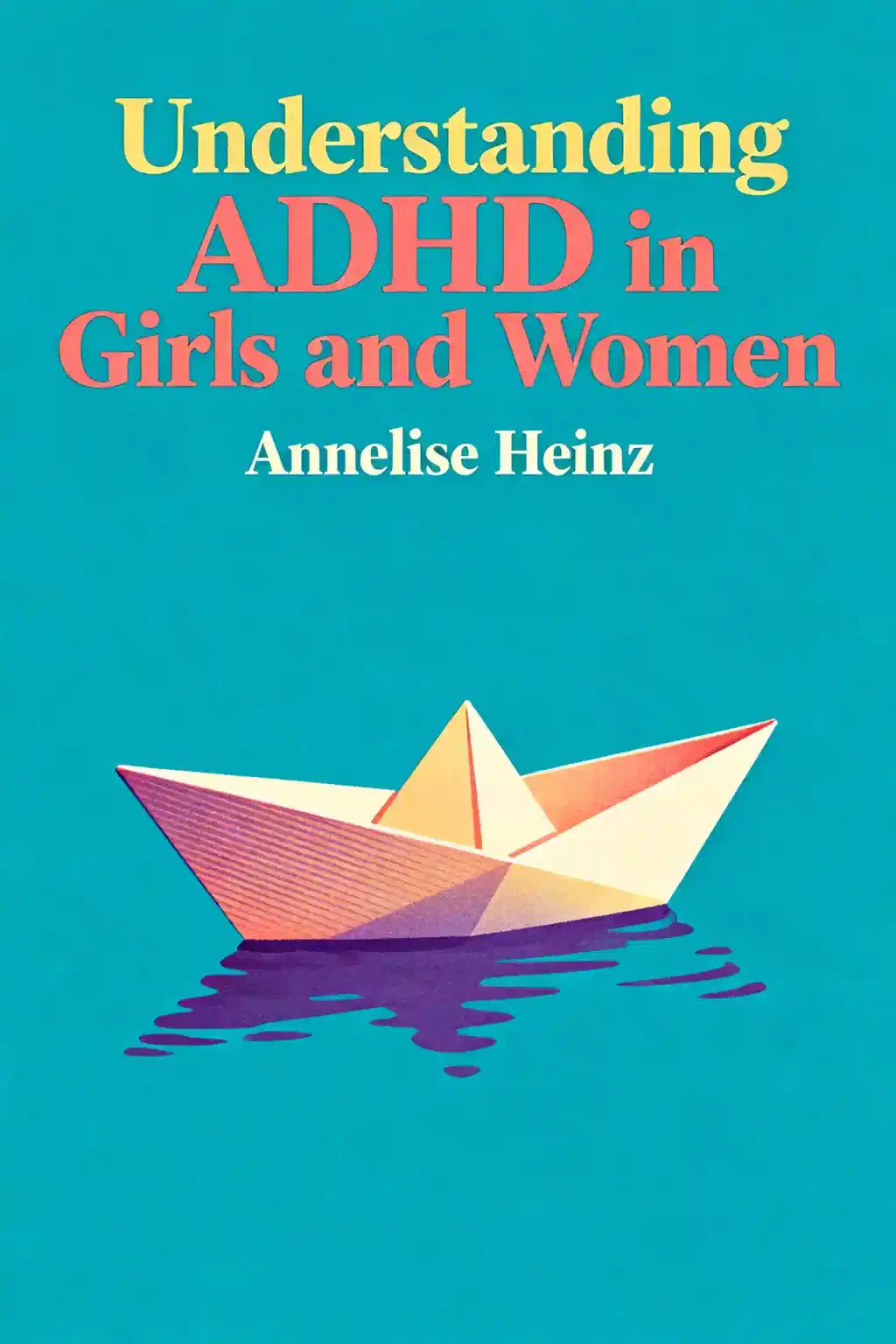
Have you ever wondered why your bright, creative daughter seems to daydream through class, yet can focus intensely on her passions for hours? Or why, despite your intelligence and capabilities, you've spent a lifetime feeling chronically disorganized, emotionally overwhelmed, and somehow "different" from your peers? The answer might be hidden in plain sight. "Understanding ADHD in Girls and Women" by Joanne Steer illuminates a critical blind spot in our understanding of attention deficit hyperactivity disorder-one that has left countless females struggling without diagnosis or support. This groundbreaking work, celebrated by mental health professionals and patients alike, challenges the traditional 4:1 male-to-female prevalence ratio, exposing how diagnostic tools fundamentally misunderstand female presentations of ADHD. With celebrities like Simone Biles and Emma Watson bringing attention to neurodiversity in women, this book arrives at a cultural tipping point when society is finally ready to recognize that ADHD isn't just a "boy's disorder"-and that proper diagnosis can transform lives.
Kapitel 2
The Invisible Girls: How ADHD Manifests Differently in Females
For decades, our understanding of ADHD has been shaped by its presentation in boys-fidgety, disruptive, and hyperactive. Yet for girls and women, ADHD often wears a different mask entirely. Rather than physical hyperactivity, females typically experience mental restlessness, appearing "hyper-social," "hyper-talkative," or "hyper-emotional." Their inattention manifests as daydreaming, disorganization, and forgetfulness-traits often misattributed to personality quirks or emotional difficulties rather than a neurodevelopmental condition. Girls might excel at masking their symptoms through perfectionism, people-pleasing behaviors, or by developing elaborate compensatory strategies that can delay diagnosis well into adulthood.
"She's just a Chatty Kathy," "She's such a ditzy girl," "She's too emotional"-these dismissive labels mask genuine neurological differences that require understanding and accommodation. The consequences of this mischaracterization are profound: girls with ADHD commonly develop internalizing conditions like anxiety and depression, in contrast to boys' more visible externalizing behaviors. Research indicates that girls with ADHD are three times more likely to experience major depression and anxiety than their neurotypical peers, with many reporting chronic feelings of overwhelm and inadequacy.
Society's harsh judgment of "unfeminine" traits like hyperactivity and disorganization causes many girls to mask their symptoms, further complicating diagnosis. They work tirelessly to appear "normal," only to experience emotional "meltdowns" at home when the masking becomes too exhausting. This pattern creates assessment challenges when school reports differ dramatically from home observations, sometimes creating tension between parents and educators. Teachers might see a quiet, well-behaved student who simply "needs to try harder," while parents witness the emotional toll of maintaining this facade.
The timing couldn't be worse-ADHD symptoms in girls typically intensify during puberty as executive function demands increase. Hormonal fluctuations can exacerbate symptoms, making menstruation and puberty particularly challenging periods. As one clinician notes, "The transition to secondary school brings increased expectations for independence, revealing previously hidden difficulties as parental scaffolding is reduced." Girls must suddenly juggle multiple classes, long-term projects, and social relationships with less external structure, often leading to academic struggles despite high intelligence.
Unlike boys with ADHD who might find role models in successful public figures who openly discuss their condition, few female celebrities have historically spoken about their ADHD, limiting inspiration for diagnosed girls. This cultural silence compounds the isolation many girls feel, believing they're alone in their struggles rather than part of a community with shared experiences. Recent years have seen more women in the public eye sharing their ADHD experiences, including Olympic athletes, entrepreneurs, and artists, helping to break down stigma and provide much-needed representation.
The financial and professional impact of delayed diagnosis can be substantial. Many women report decades of underemployment, challenged relationships, and damaged self-esteem before receiving proper diagnosis and treatment. Early identification and intervention are crucial for preventing these long-term consequences and helping girls develop effective coping strategies that honor their neurodiversity while supporting their success.
Kapitel 3
The Diagnostic Dilemma: Why Girls Are Missed
The stark reality is that our diagnostic systems are fundamentally biased toward male presentations of ADHD. Screening tools rely heavily on subjective parent and teacher observations, which research shows consistently underestimate impairment in girls compared to boys. Parents perceive diagnostic criteria as more descriptive of boys, creating a gender stereotype that makes recognition harder in girls.
This bias extends to clinicians themselves-studies show identical case vignettes receive more ADHD diagnoses when the child is male. Most research on ADHD uses predominantly male participants, with diagnostic criteria historically based on male observations. Even population-based studies of females still face the challenge of rater bias.
The statistics tell a troubling story: while the UK prevalence of ADHD ranges from 1.9-5% of children, gender ratios vary dramatically across studies, from 1:3 to 1:16 females to males. Clinic-based samples show much higher male-to-female ratios than population-based samples, suggesting significant underdiagnosis in females. By adulthood, the ratio shifts closer to 1:1, further indicating girls are missed in childhood.
The 2018 NICE guidelines specifically highlight that ADHD is under-recognized in girls, who are less likely to be referred and more likely to receive incorrect diagnoses. This diagnostic delay has serious consequences-late or missed diagnosis increases risks for developing secondary mental health conditions including anxiety, depression, substance misuse, and eating disorders.
What makes this particularly tragic is that self-reporting is crucial for girls, as they alone fully understand their struggles. When a girl finally receives an ADHD diagnosis-often in her teens or even adulthood-the most common reaction is profound relief. As one woman described, "I'm starting to feel hopeful...I'm not thick, or an idiot, or mad!...I am sort of mourning the last ten years...Better late than never though isn't it?"
Kapitel 4
Inside the ADHD Female Brain: Mental Restlessness and Emotional Intensity
In women, ADHD manifests primarily as mental restlessness rather than visible hyperactivity. Women describe an internal "jitter" or feeling "filled with electricity," with multiple simultaneous thoughts and an inability to quiet their minds. Many report having "100,000 thoughts swirling" or describe their mind as "a whirlwind full of words and pictures." This hyperarousal is frequently misdiagnosed as anxiety, but differs fundamentally as it stems from uncontrollable mental activity rather than fear.
"I have never known what it feels like to have a quiet mind," one woman explains. "I thought everyone had constant thoughts racing through their head at all times." This ceaseless mental activity contributes to rumination, insomnia, and an inability to "switch off," which responds better to ADHD treatment than anxiety medication.
Another hallmark of female ADHD is inconsistent rather than deficient attention. Women can hyperfocus on interesting topics but struggle severely with engagement on mundane tasks. They often excel professionally while their personal administration falls apart. As one clinician observes, "Simply asking 'How are you with paperwork?' often elicits knowing laughter from women with ADHD."
Perhaps most misunderstood is the emotional component of ADHD in women. Many experience intense emotional reactivity, including a "short fuse" and feeling easily overwhelmed by stress. Many identify with "rejection sensitive dysphoria" (RSD)-an exquisite sensitivity to perceived criticism or rejection that triggers either rage or profound low mood with physical sensations of being wounded.
Unlike depression, mood shifts in ADHD are event-triggered, quick in onset, congruent with the trigger, and relatively short-lasting. These emotional shifts can be confusing to observers as women may transition from despair to engagement within hours when their interest is captured. This trait-based emotional reactivity is often mistaken for bipolar disorder or borderline personality disorder if not carefully assessed.
As one woman describes it: "My emotions are like a light switch that flips instantly, not a dimmer that gradually changes. I can go from fine to furious in seconds, and then back to calm just as quickly once the trigger is gone."
Kapitel 5
Compensation and Camouflage: The High Cost of Hiding
Many undiagnosed women with ADHD develop unconscious coping mechanisms to function in a world not designed for their neurotype. They create strict systems for object placement, make frequent lists (though rarely completing them), or delegate organizational tasks to others. Some become hypervigilant about immediate task completion to avoid forgetting. Parents often provide extensive support or "scaffolding" for children with ADHD in early years, which can mask symptoms-particularly inattention.
While these strategies provide short-term functionality, they extract a heavy toll of fatigue, burnout, worry and self-doubt. Despite achievements, many women feel undeserving of recognition, knowing the extraordinary effort required for what others accomplish more easily. Their compensatory mechanisms often involve excessive energy expenditure just to maintain basic organization, severely limiting their ability to relax and enjoy life.
Adolescent girls with ADHD typically display one of two working styles. Some exhibit perfectionist traits, spending excessive time on schoolwork, often working into early morning hours as they struggle to keep pace with peers-efforts that may go unnoticed by schools but impact their mental health. These girls describe frustration, difficulty starting tasks, disorganization with homework, and procrastination, sometimes followed by periods of hyperfocus.
Alternatively, some girls become completely avoidant of schoolwork, creating tension at home when they reject parental support. This avoidance can manifest as physical symptoms in younger girls (stomach aches, clinginess) or school avoidance and emotional distress in teens.
As girls age, they become increasingly aware of their differences from peers, which can be both helpful for self-management and emotionally challenging. Many withdraw socially, stopping home entertaining due to organizational challenges, living in the "here and now" rather than planning ahead, or feeling ashamed of disorganized living spaces.
The cumulative effect of decades of underachievement and emotional reactivity creates a deep sense of shame and feeling like "imposters" or difficult people, making them less likely to seek help. As one woman put it: "I spent my whole life thinking I was just lazy and stupid. Finding out I had ADHD was like someone finally handing me the right pair of glasses after years of trying to function with the wrong prescription."
Kapitel 6
The Physical Toll: ADHD and Women's Health
Beyond the psychological impact, women with ADHD experience significantly higher rates of physical health conditions, with studies showing triple the prevalence of insomnia and chronic pain compared to women without ADHD. Those with five or more medical conditions have three times higher odds of having ADHD across all age groups.
Sleep disturbances are particularly common, with most adults with ADHD suffering from sleep problems intrinsic to the condition itself. Many experience racing thoughts preventing sleep onset despite extreme fatigue, sometimes staying awake for up to 48 hours. Over 70% of ADHD patients show evidence of circadian rhythm sleep disturbances, particularly delayed sleep phase syndrome. Many are "night owls" who feel most productive when the household is quiet, starting projects at midnight with unexpected energy.
Hormonal fluctuations create additional challenges unique to women with ADHD. Many report that their symptoms worsen significantly during the premenstrual phase and perimenopause. Research shows stimulant medications become notably less effective premenstrually (when progesterone levels are higher and estrogen is falling). This explains why increasing stimulant dosage premenstrually often fails, while the same medication works effectively after menstruation begins when both hormone levels are low.
Other physical conditions associated with ADHD in women include obesity (with meta-analyses demonstrating a clear relationship), asthma and allergic conditions (significantly higher rates even accounting for confounding variables), and fibromyalgia (with one study finding 44% of fibromyalgia patients meeting ADHD screening criteria).
Perhaps most concerning is the relationship between ADHD and risk behaviors. Women with ADHD face twice the risk of marital separation and divorce. They tend toward earlier sexual activity with more partners, resulting in five times higher rates of STIs and ten times higher rates of unplanned teenage pregnancies. Females with childhood-diagnosed ADHD have a six-fold increased risk of experiencing intimate partner violence in young adulthood.
Kapitel 7
Treatment Approaches: Medication and Beyond
Despite these challenges, ADHD remains one of psychiatry's most treatable disorders, with most patients experiencing rapid symptom reduction on appropriate medication. Patients frequently describe medication effects as transformative: "The chatter in my head is gone," "My thoughts line up, one by one," and "I feel a sense of deep calm and order." Many report feeling like they can finally access their true capabilities and potential after starting treatment.
Women respond to the same ADHD medications and dosages as men, with dosing based on individual response rather than gender, weight, age, height, or symptom severity. ADHD medications fall into two main groups: stimulants (methylphenidate and amphetamine-based) and non-stimulants (atomoxetine, guanfacine, and clonidine). Stimulants work quickly, often within 30-60 minutes, while non-stimulants may take several weeks to reach full effectiveness but offer more consistent 24-hour coverage.
About 70% of people respond well to either methylphenidate or lisdexamfetamine, with success rates reaching 85-90% when both are tried sequentially. While typically prescribed for daily use, some women take stimulants flexibly as needed for challenging tasks like work presentations, important meetings, or intensive studying. Research suggests amphetamine-based medications have superior efficacy and tolerability in adults compared to methylphenidate and non-stimulants, with lower reported side effects and higher adherence rates.
However, medication is just one component of effective treatment. Psychological interventions help individuals understand how ADHD has affected their lives and develop improved coping strategies. Cognitive behavioral therapy (CBT) specifically adapted for ADHD has shown particular promise, helping women address negative thought patterns and develop organizational systems. The best outcomes combine pharmacological and psychological approaches, as medication helps women concentrate during therapy and implement new skills consistently.
Coaching provides another valuable support avenue, particularly for executive functioning challenges like time management, organization, and goal-setting. The coaching relationship explores strengths, talents and tools to increase self-awareness and personal empowerment. Coaches help clients break down overwhelming tasks into manageable steps, establish routines, and create accountability systems. Together, coach and client design short-term strategies toward chosen goals, with regular discussion of progress and adjustment of approaches as needed.
Support groups offer additional benefits, connecting women with others who share similar experiences. As one woman shared about her combined treatment experience: "The coaching sessions were my sanity, the only space to explore my own mind and develop my own solutions. The medication helped me focus, but learning strategies from my coach and hearing others' stories in group showed me I wasn't alone. I learnt that I didn't need to do things the way others did - I could find my own path to success."
Kapitel 8
Education and Advocacy: Supporting Girls with ADHD in School
School environments can make or break girls with ADHD. Even knowledgeable teachers may overlook girls with inattentive-type ADHD, especially those with average or above-average intelligence who manage to progress without obvious symptoms. These girls often become masters of masking their struggles, developing sophisticated coping mechanisms that can actually delay proper identification and support.
The fundamental challenge of education for girls with ADHD requires them to function outside their areas of competence-like asking "a fish to climb a tree." Despite often having average or above-average intelligence, girls with ADHD struggle with executive functioning skills essential for academic success: organizing, prioritizing, focusing, regulating emotions, and self-monitoring. This manifests in various ways: forgotten homework assignments, messy backpacks, incomplete notes, difficulty transitioning between tasks, and challenges with long-term project planning.
Students with ADHD should receive documentation confirming their diagnosis to support disability accommodations. These accommodations commonly include 25% extra time for exams, separate testing rooms to minimize distractions, additional breaks during long assignments, mentoring support, and structured study skills training. Some students may also benefit from preferential seating, breaking tasks into smaller chunks, visual schedules, and the use of technology for note-taking and organization. The Equality Act 2010 requires schools to take reasonable steps to avoid substantial disadvantages for disabled children, which includes most children with ADHD.
Parents can advocate effectively by understanding the legal framework and building collaborative relationships with educators. Children with ADHD legally qualify as having special educational needs and are protected under the Equality Act 2010 as having a disability. Without an Education, Health and Care Plan (EHCP), children are entitled to SEN Support where schools must use their "best endeavours" to secure special educational provision. This can include specialized teaching approaches, additional support staff, or modified learning materials.
For more significant needs, an EHCP assessment can be requested. Despite common myths (like schools needing to spend over 6000 or the child being two years behind), the legal threshold for triggering an assessment is remarkably low-the child simply "may" have special educational needs and it "may" be necessary for special provision to be made. Parents should document their concerns, maintain detailed records of their child's challenges and interventions tried, and understand that persistence in advocacy is often necessary.
Regular communication between home and school is crucial for success. This might include weekly progress updates, behavior monitoring systems, and collaborative problem-solving meetings. Teachers can implement classroom strategies such as clear routines, visual aids, movement breaks, and structured organization systems to support girls with ADHD while benefiting all students. Additionally, building self-advocacy skills in girls with ADHD helps them understand their learning needs and communicate effectively with teachers about necessary accommodations.
Kapitel 9
Living with ADHD: Voices of Experience
Throughout the book, personal narratives showcase the diverse presentations of ADHD while highlighting shared experiences. Eleven-year-old Beth shares both positive and negative aspects of having ADHD: "I like that I'm unique, have a good sense of humor, and go on funny tangents. But I hate when people act like it's nothing, blame everything on my ADHD, or constantly tell me to 'shush.'"
Rachel Banks, diagnosed with severe combined type ADHD at 21, describes her journey with exuberant energy that's both productive and challenging. She's channeled her passion into raising money for charities, trying numerous sports, and starting a successful tennis racket stringing business despite no prior experience. She concludes that while "ADHD can bring about a storm," outcomes depend on how individuals approach that storm.
For Jessie, ADHD feels like always being on the brink of brilliance but often not quite getting there. Her most-used phrases are "Wait. What?" and "I forgot, never mind." While ADHD has expanded her imagination and creativity, creating "whole universes" in her head, it made school challenging where teachers labeled her as "misbehaved" and "troublesome."
Sara grew up as the "naughty one," using humor as a mask for feelings of inadequacy. While struggling socially and academically, she excelled in arts and sports. Her coping mechanisms darkened in adolescence-alcohol, self-harm, and eating disorders to manage intense emotions. After years of therapy, she discovered ADHD through an online course. Now diagnosed, she wonders how different her life might have been with earlier intervention and proper coping skills.
These stories highlight a crucial truth: while ADHD presents significant challenges for girls and women, early identification and proper support can transform these challenges into strengths-channeling hyperactive energy into sports, encouraging daydreamers' creativity, or supporting risk-takers toward entrepreneurial pursuits. As one woman reflected after finally receiving her diagnosis in her thirties: "Knowing what was wrong enabled solutions. Knowledge becomes a superpower."
Kapitel 10
Breaking the Silence: The Path Forward
Despite growing awareness, the UK remains at the beginning of its journey in recognizing and supporting girls and women with ADHD. The accounts throughout this book highlight ongoing battles for proper referrals, appropriate treatment, quality information, workplace support, and simply being taken seriously. Many women report waiting 10-15 years or longer between first seeking help and receiving an accurate diagnosis, often seeing multiple healthcare providers along the way.
While ADHD symptoms may present differently in females, they're no less impairing than in males, and sometimes more so due to the additional burden of masking and societal expectations. Women often internalize their struggles, leading to anxiety, depression, and low self-esteem. The discrepancy between childhood and adult ADHD prevalence indicates girls are underdiagnosed in childhood but more frequently identified in adulthood due to increasing coping difficulties and greater public awareness. Studies suggest that for every girl diagnosed with ADHD in childhood, as many as five to seven may be missed.
Recognition barriers include different behavioral patterns compared to males, gender biases, alternative diagnoses, and compensatory strategies that mask ADHD symptoms. Girls typically display less hyperactivity and more inattentiveness, perfectionism, and people-pleasing behaviors. They're more likely to be labeled as daydreamers, chatty, or emotionally sensitive rather than having ADHD. The misconception that ADHD primarily affects males as a behavioral disorder persists, despite research showing similar prevalence rates between genders when accounting for different presentation patterns. Consequently, females with ADHD often remain unrecognized or misidentified, leading to lower referral, assessment and treatment rates with long-term implications for social, educational and mental health outcomes.
Improving clinician understanding of ADHD in females is essential for better long-term outcomes. This means focusing on broader symptoms, especially emotional regulation, alongside traditional diagnostic criteria to provide a more complete understanding of patients. Healthcare providers need specific training in female ADHD presentation, including common co-existing conditions like anxiety, depression, and eating disorders. ADHD-related emotional dysregulation often responds to ADHD medication, potentially preventing unnecessary additional treatments due to misdiagnosis. Regular screening for ADHD in girls showing anxiety, perfectionism, or academic struggles could help identify cases earlier.
The goal must be raising awareness so future generations won't wait "nearly half of their lifetime for the right diagnosis and support." This requires systematic changes in healthcare, education, and workplace environments. Schools need better identification protocols, employers need to understand workplace accommodations, and healthcare systems need streamlined assessment pathways. With proper recognition, understanding, and treatment, girls and women with ADHD can not only manage their challenges but harness their unique strengths-transforming what was once seen as a deficit into a different, valuable way of experiencing and contributing to the world. Success stories of women thriving post-diagnosis demonstrate the life-changing impact of appropriate support and treatment.