Kapitel 4
Facing Mortality Young
Death had shadowed me since childhood. Mama, my grandmother, was formidable and cold, yet she baked wonderful bread in her clay oven that became her path to independence from my wealthy, polygamous grandfather. By my eighth birthday, she was gone, joining my other grandparents who had died before I was born.
At seventeen, I discovered a lump in my breast during a self-exam. For a month before my biopsy, I lived in constant fear, feeling the lump's presence even without touching it. Though it proved benign, this brush with mortality changed me. I began rebelling - skipping classes, sneaking out, drinking with friends - not for fun but to distract myself from the anxiety that consumed me. I couldn't share these worries with my stoic mother or my carefree friends. Death had revealed itself as a constant presence, one that could touch even me.
The Prozac I took daily became my armor against emotional lows, but it also dulled my capacity for joy. While it prevented me from sinking too deep, it kept me from experiencing life's highs. Simple pleasures disappeared - the excitement of cheering at football games felt hollow, and books that once emotionally transported me now left me feeling like a detached observer. I existed in an emotional purgatory, wrapped in a cotton ball where nothing could hurt me, but I couldn't feel the good stuff either.
At Wesleyan, I fell for Ben, a wealthy white British-accented student who aspired to be a rapper. Despite my dreams of finding a "Black prince" like in the film Love Jones, I found myself drawn to this white rapper who wrote thoughtful, philosophical rhymes. Unlike my previous secretive relationship with Leevert, Ben and I were openly affectionate on campus.
He was romantic and thoughtful during the day, but revealed a darker side at night, confessing insecurities and sometimes exhibiting troubling behavior - storming out after accusing me of "looking into his soul" and disappearing for days. His jealousy and emotional manipulation confused me, but I interpreted his behavior as insecurity rather than illness.
After junior year, my relationship with Ben fluctuated between warm and cool. When Wesleyan expelled him for poor grades, our New York dreams became urgent, but his parents insisted he return to Geneva instead. Though he called often and wrote loving emails, his messages grew increasingly dark. Depression consumed him, washing away his desire to create music. He drank constantly and smoked, confessing, "Things in my head, Dino, they're not right." Despite my suggestions to seek help, he refused medication.
One night, after leaving increasingly desperate messages while I was at dinner with friends, Ben called from a bridge in Geneva. When I returned home and heard his final message, I frantically tried reaching him, eventually calling his parents. Hours later, we learned he had jumped. I've carried the weight of wondering if I could have saved him by answering that last call.
Kapitel 5
Building a Life Together
When I told my parents I wanted to try living in New York after my sister graduated from Wesleyan, they remained fixed on their medical school dreams for me but offered no financial support. I moved to Manhattan knowing just one Wesleyan graduate who let me crash on her Harlem couch in exchange for cooking dinner.
Living broke meant no phone, so I'd seal myself in a payphone booth at 125th and Broadway every morning, calling a temp agency every fifteen minutes hoping for work. Between calls, I'd duck into Floridita, a Cuban restaurant where a kind woman at the counter noticed my hunger and began giving me free buttered rolls, becoming my cheerleader with daily encouragements of "Today is the day!"
After six discouraging weeks, the agency finally called with a position at Spike DDB, legendary director Spike Lee's advertising startup. Despite his initial dismissal of me as "Miss America" in my prim gray polyester suit, I boldly asked to read his screenplay for "Bamboozled" and returned it with grammar corrections and margin notes. Though this initially angered him, Spike eventually recognized my value, leading to a four-year career that began with "You made some good notes. You should stick around."
Peter and I built a life together in New York, eating our way through Zagat's guide and hosting spontaneous pasta-and-wine potlucks at our apartment. Yet my father's reluctant blessing for us living together created an endless loop of shame in my mind. I knew eventually I'd have to get married, though at twenty-four, I felt no rush.
Everything changed on September 11, 2001. We watched the Twin Towers collapse from our office building, defied my boss's orders to stay, and joined the exodus of ash-covered survivors trudging uptown. The next day, as we fled the city with friends who announced their engagement plans, Peter simply said, "We should get married. Now." I insisted on a proper ceremony, knowing my father would never forgive us otherwise.
On November 9, 2001 - exactly one year after our first date - Peter took me to dinner at the Beekman Tower. As the pianist played, Peter fidgeted nervously before taking my hand. "You know how much you mean to me..." was all I heard before leaving my body, watching his lips move as he dropped to one knee.
The ring was a work of art - a platinum setting shaped like the roses I love to doodle, holding a single round diamond. Without my knowledge, Peter had researched diamonds, consulted jewelers, and sketched designs. We spent the night in a rose petal-strewn suite at the Roosevelt Hotel, where I fell asleep thrilled to be engaged yet thinking, "Oh shit. Now I've got to get married."
Kapitel 6
Bridging Cultural Divides
Rather than compromise between my desire for a traditional Ghanaian ceremony and Peter's wish for a Roman Catholic wedding, we decided to do both, exactly one year apart. The Ghanaian ceremony came first at my parents' Colorado home.
Unlike Western weddings where the couple speaks their vows, in Ghanaian tradition, the bride and groom are voiceless - it's the families who commit to each other. Peter's mother, despite recovering from a double mastectomy, insisted on attending and carefully arranged her traditional outfit.
In Ghana, a groom's family is typically turned away multiple times before being accepted. We shortened this ritual but maintained its spirit, refusing Peter's family once before welcoming them into our packed house of relatives from New York, England, and Ghana. When Peter's representative asked to see the bride, my mother presented my veiled sister Aba instead. Peter's panicked reaction - "No! It's not her!" - sent the house into uproarious laughter. Only when I was brought down next, secretly squeezing his hand under my veil, did he relax.
The 90-minute ceremony was loud and celebratory, full of symbolism and trickery - revealing marriage as both a transaction and a commitment involving far more than just the couple. Peter presented my dowry: rainbow-colored kente cloth for celebrations, golden swatches for my trousseau, purple fabric for our anniversary, and navy-and-white cloth for when our first child was born. As tradition demanded, my family playfully harassed Peter for more money for various relatives until my father finally accepted the dowry.
A year after our Ghanaian ceremony, Peter and I married in a Roman Catholic ceremony in New York City on June 21, 2003. Though I wasn't Catholic, we received permission to marry in the church after completing Pre-Cana counseling (where I secretly crossed my fingers behind my back during some of the lessons).
Unlike the Ghanaian ceremony controlled by our families, this wedding was entirely ours. We paid for everything ourselves and chose all the details. It was truly homemade - my aunt baked our four-layer cake and transported it from London, while my mother crafted my wedding dress from fabric embroidered in Ghana, adding the Gye Nyame symbol (representing God) as protection against my father's earlier doubts about our interracial marriage.
The ceremony took place in an ornate church near our apartment that left my Ghanaian parents in awe of its elaborate marble and gold decorations. We celebrated with 300 guests, with Peter's childhood priest conducting the mass assisted by my father's friend. For our reception at the more inclusive Universalist Society, friends made centerpieces of beta fish in bowls, and we decorated with fresh roses. Peter and I danced our first dance to Sade's "By Your Side" from the album "Lovers Rock" - words we'd inscribed inside our wedding bands.
Kapitel 7
When Cracks Begin to Show
That lasagna became a symbol in the early years of our marriage - a covenant of sorts. We were eternal newlyweds who didn't wait for special occasions to express love. Despite the labor involved, I'd come home midweek, change into sweats, and start cooking. Peter could smell it as soon as he got off the elevator, exclaiming "I know you're cooking something good!" as he opened the door. We'd eat gazing into each other's eyes or out the window framed by curtains I'd sewn myself. This, I thought, was pure bliss.
But real life inevitably crept in through small irritations that formed like tiny cracks threatening collapse. Peter rose with dawn while I preferred sleeping in. He wanted bike rides; I suggested leisurely drives. His Catholic faith, once endearing for its dedication to tradition, troubled me with its stance on homosexuality. Though Peter never spoke derogatively about gay people, his faith clearly conflicted him, while I remained steadfast that God made everyone as they were meant to be. So Peter attended mass early Sundays while I stayed in bed asking him to bring back brunch.
Our ambitions formed another divide. Peter moved cautiously between positions or agencies, while I craved constant challenge and change. Initially, I appreciated his steadying influence against my impulsiveness, but his tentativeness increasingly irritated me when I didn't get my way. Though he supported my career restlessness by paying bills during my transitions, our differences in approach to professional advancement became a growing source of tension.
When Spike called offering me a position overseeing Pepsi's campaign after I'd left his agency, Peter immediately questioned the decision despite it being an exciting opportunity with an iconic brand. Though it meant a $5,000 pay cut from my recruiting job, I was miserable there. Peter insisted I should stay put for stability and higher pay.
I'd grown up watching my mother defer to my father's final decisions, and I knew Peter was financially stable and more deliberative than Dad. His caution made sense logically. But when I protested "I hate it!" about my current job, I quit the recruiting firm within days and returned to work with Spike.
This professional push-pull became a pattern. With each job offer, Peter urged caution while I wanted to follow my instincts. I began questioning his motives: Was he truly protective, or did he lack vision? Was my paycheck more important to him than my happiness? Was he simply weak? My resentment of his caution grew, feeding doubts about how well I really knew my husband.
Kapitel 8
The First Devastating Loss
As our marriage progressed, fundamental differences emerged. My parents' divorce revealed Peter's different view of responsibility, while my career opportunities highlighted our divergent professional expectations. Most critically, we'd never properly discussed having children.
After four years, Peter wanted to start a family while I remained uncertain. In March 2008, despite being on birth control, I became pregnant. Though I tried to accept it as God's will, I spent days crying in private while Peter celebrated.
The pregnancy intensified my doubts about our marriage just as my career in New York was flourishing. I feared motherhood would further diminish my identity beyond the compromises I'd already made as Peter's wife.
At six months pregnant, tests showed low amniotic fluid, though the nurse seemed unconcerned. During a Fourth of July visit to Cape Cod, I developed alarming swelling. Follow-up tests revealed the baby wasn't developing properly, despite a strong heartbeat.
At work, a routine check at the company clinic turned serious when they discovered my dangerously high blood pressure. At the hospital, I learned I had severe preeclampsia. My obstetrician, who had dismissed my earlier concerns, delivered devastating news: I wouldn't survive another month of pregnancy.
As I drifted in and out of consciousness, my mother arrived from Colorado while nurses prepared to induce labor. Peter then faced an impossible choice: save me or save the baby. Though I chose our baby, Peter had already decided to save me.
During labor, I felt my baby fighting to stay inside, and I desperately resisted pushing. My daughter arrived with just one push. In the silence that followed, I held her perfect tiny form, with golden hair like Peter's. We named her Eve, after my mother Evelyn.
Kapitel 9
Finding Hope Again
My milk came in days later, a cruel reminder of my body's confusion - it didn't know my baby was gone. A Jamaican nurse had warned me this would happen, instructing me to massage my breasts just enough for relief without encouraging more production. At home, I watched my mother's milk slip down the drain.
We cremated Eve in a pale green heart-shaped urn. The service was held at a beautiful Manhattan Catholic church, where the priest assured us we would one day see our daughter again. I wore pink heels and traditional Ghanaian blue and white fabric - colors we would have used for her naming ceremony.
Grief consumed me. I returned to work just three weeks after losing Eve, desperate for normalcy, only to break down when a colleague innocently asked to see baby pictures. My relationship with Peter became complicated - he was both the source of my anger and my only comfort. We started therapy, where I struggled to forgive him for making the decision to deliver Eve without consulting me.
Despite everyone's warnings, I became obsessed with getting pregnant again immediately. I found a specialist, took medications for my hypertension and blood-clotting issues, and tracked my fertility religiously. When I finally conceived, I knew instantly. On our anniversary, I left the positive pregnancy test on Peter's pillow. While I was overjoyed, Peter was terrified of going through such pain again.
My relationship with God was complex - shaped by both my parents' Christian devotion and our Ghanaian spiritual beliefs. After losing Eve, I felt God owed me. I could love God without liking God, unable to forgive the pain I'd endured. Yet when I became pregnant again, I felt God had finally come through.
For this pregnancy, I found a new doctor I nicknamed "Dr. Sprite" - warm yet frank. She monitored my blood pressure closely and had me check it daily at home. In my eighth week, just before Christmas in Florida, my reading spiked dangerously high. When diagnosed with preeclampsia and the same protein deficiency I'd had with Eve, I needed daily blood thinner injections. Peter and I struggled comically with the first shot before I mastered it myself, turning it into a daily ritual of strength.
Despite positive checkups, fear dominated my days. I refused a baby shower and wouldn't set up a nursery. Peter's constant hovering irritated me, revealing the complex emotions still lingering after Eve. I watched him like a hawk during doctor visits, determined no decisions would be made without me this time.
When my blood pressure spiked at 31 weeks, I was hospitalized. Unlike Eve's delivery, the nurses were cheerful and optimistic. On May 28, two months early, our daughter Lael was born - tiny enough to fit in my palm but with a powerful cry. Her name, meaning "Belonging to God" in Hebrew, was both prayer and warning to anything that might try to take her from me.
Kapitel 10
Marriage Unraveling
It was my turn to cry and scream when they took my newborn daughter away. But this time, I could watch every move they made. They cleaned her up, attached monitors to her tiny frame, and took her to the NICU. I insisted on following.
Lael's skin was so thin I could see her heartbeat. When she grabbed my pinky finger, I knew she was a fighter. We both were.
The NICU became my second home - a place of miracles and morbidity where babies tread the thin line between life and death. The silence was eerie, broken only by machine beeps and nurse whispers. I'd sit in an uncomfortable rocking chair for eighteen hours daily, watching Lael grow stronger, memorizing the names of all the babies, making up stories about them as playmates.
Over those weeks, I witnessed transformations most mothers never see - eyelashes growing in, fingernails thickening, skin gaining color. But my vigil created another fault line between Peter and me. I became fiercely overprotective, irritated when he disrupted Lael's routines during his evening visits.
Peter and I continued our subtle battle of wills - his judgment when I had wine, my selfishness during feeding time. Instead of bringing us together, having a child was tearing us apart. We competed for Lael's attention while our apartment felt increasingly claustrophobic.
We moved to a spacious condo in Edgewater, New Jersey, briefly rekindling our connection during a Caribbean cruise. But after Lael's first birthday celebration, I realized I was just living for special occasions, with no urgency or joy in everyday moments.
One night at our favorite Indian restaurant, I finally said it: "I don't think I want to be married anymore." Peter looked stunned, blood draining from his face. I tried to convince him he must feel the same way, but he responded, "Why would I not want it? Even when it's hard, this is all I've ever wanted."
Seeing his pain hurt me, but I couldn't turn back. Too much sadness, blame, and regret had accumulated. Every time I looked at Peter, I saw Eve. While I'd been willing to die for our babies, I wasn't willing to die for this marriage. I was no longer the same person Peter met ten years before - now I was a woman who knew what it was to face death and constant fear. I wanted Lael to know the bold, fearless Boz who carved her future into the shape of her dreams, not this frightened version of me. I knew she'd never know that person if I stayed with Peter.
"You're like sand," Peter said tearfully. "I try to hold you, but you just keep slipping through my fingers." I understood what he meant. But I didn't want him to try anymore.
Kapitel 11
When Time Becomes Precious
In early 2013, I discovered women's shoes at Peter's apartment that weren't mine. My reaction surprised me - first jealousy, then elation that someone might finally free me from our limbo. When I eventually asked about them, Peter admitted, "I've met someone. Her name's Angela."
I had conflicted feelings about her race - not wanting her to be Black (feeling replaced) or white (feeling defeated). When we met, Angela was both - biracial, lovely not just in appearance but in spirit, bouncing energetically in leggings and fuzzy socks. She was natural and earthy, perfect for Peter's hiking adventures. Despite my jealousy, I focused on how good it was that Peter found someone who made him happy.
In May, I noticed a growth on Peter's neck that seemed to be getting larger. After initially brushing it off, Peter finally saw our family doctor who diagnosed tonsillitis. I teased him endlessly about still having his tonsils as an adult. But after surgery, tests revealed the devastating truth: Burkitt's lymphoma, a rare cancer.
Cancer had always stalked us - claiming Peter's mother, my aunt Amma, and attacking my mother twice. Though we knew many survivors and believed Peter would beat it too, his pain worried me. At Lael's fourth birthday party in the park, Peter grimaced through the celebration until I convinced him to leave early, never imagining he wouldn't live to see her turn five.
My life became an exhausting marathon - taking Mom to chemo, checking on Peter, working remotely, caring for Lael, then starting over again the next day. I kept silent about my struggles at work, feeling this burden was mine alone, perhaps even my penance for wanting a simpler life without Peter.
Angela and I became unexpected allies, trading hospital shifts and updates on Peter's condition as he underwent treatment. We'd send each other encouraging messages with photos after his chemo sessions. Sometimes all of us - Angela, Peter's parents, and I - would crowd into his hospital room, creating awkward moments like when the doctor needed someone to sign papers and Peter said, "Give them to my wife."
When Peter's cancer appeared to be in remission, we celebrated at his favorite Italian restaurant. Though I felt jealous watching Angela kiss him while I passed rolls to his mother, I accepted my new role. Peter thanked me publicly for supporting him when he lost his hair, then turned to Angela and praised how alive she made him feel.
That night convinced me it was time for divorce. With Peter's health improving, I called him the next day, and surprisingly, he agreed. We naively thought we could divorce as amicably as we'd separated. But once lawyers got involved, everything changed. The attorneys created artificial conflicts about hypothetical scenarios, turning our friendship adversarial. Our communication deteriorated, and my relationship with Angela grew snippy and terse.
Then came the devastating call that Peter's cancer was terminal, and suddenly none of our petty grievances mattered.
Kapitel 12
The Final Chapter
Stopping our divorce was simple compared to facing Peter's terminal illness. When you're planning a funeral and your child's future without their father, legal paperwork seems trivial. We quietly informed our lawyers, while family and friends acknowledged our reunion through silent support.
I asked Peter to end things with Angela, unable to share our precious remaining time despite her role in his care. After he did, she lashed out via text, calling me manipulative. Peter made it Facebook official, writing that God had restored his "kingdom" regardless of time left.
During my morning prayers, I confronted my fear: if Peter survived, would our love endure? One morning, God's answer thundered through me: "You didn't appreciate them." I hadn't truly valued Ben, Eve, or Peter until losing them. This revelation sparked a commitment to intentional gratitude.
We savored every moment while handling difficult practicalities. I documented everything - meals, laughter, precious moments. Peter insisted on a final fishing trip alone with Lael. In an unexpected gesture, he proposed again at a Manhattan overlook we'd never visited, insisting I say yes despite already being married. We celebrated by watching our wedding video with family, toasting with white wine and Hostess cupcakes.
Peter's decline accelerated rapidly. He lost feeling in his perineum, then his ability to walk. When internal bleeding appeared around his eye, we spent Thanksgiving in the hospital, surrounded by family. The lymphoma attacked his nervous system mercilessly, affecting his mobility, hands, and vision. One night, he voiced his deepest fear: "What if I get trapped? What if I can't open my eyes and you don't know I'm still in here?" I promised never to leave his side.
Kapitel 13
Living With Urgency
We didn't tell Lael about her father's death until after her Christmas pageant that afternoon. Christmas had been Peter's favorite holiday, and our grieving family watched as she sang "What Child Is This?" That night, when she asked "Where's Daddy?" I simply said, "He's gone." Her quiet "Okay" response broke my heart.
The next morning, I found Peter's pill caddy mysteriously shattered - another sign of his spiritual presence, like our wedding song playing in the car after his death. Peter had told me: "I'll go to heaven and take care of Eve, while you stay here and take care of Lael."
His niece Gia later called about a dream where she saw Uncle Peter holding a little girl behind a tree. Though our families never discussed Eve, her innocent vision delivered his message that "everything is okay."
We held Peter's memorial on his forty-fourth birthday. Despite a snowstorm, two hundred people filled the sanctuary - a diverse group connected only by Peter. I placed his ashes beside Eve's heart-shaped urn in the church crypt, comforted they weren't alone.
That Christmas, struggling to assemble Lael's dollhouse alone, I felt both helpless and determined. Seeking escape, I reached out to Marvet Britto, who arranged our retreat to Anguilla, where we found care and rest.
I discovered relief was more complex than grief. While grateful Peter's suffering had ended, I felt guilty for feeling relieved from the anticipation and pretense. I didn't want us defined as "the widow and fatherless child" - I wanted us to just be.
Turning forty-four - Peter's final age - terrified me. I'd seen 444 everywhere since his death, tattooing it on my wrist in his honor. When the day arrived, I felt peaceful acceptance and gratitude for life.
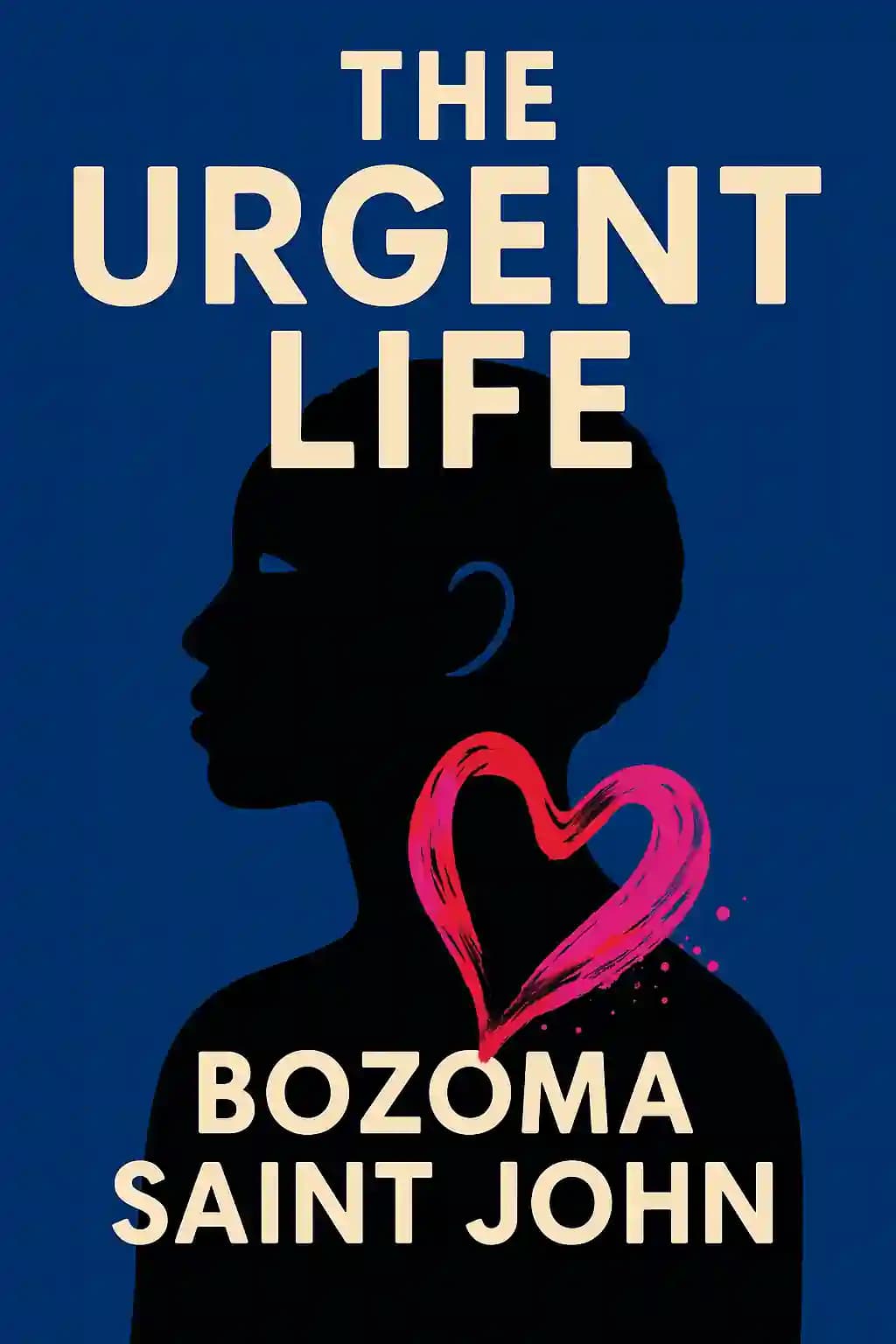
My journey through loss - my college boyfriend's suicide, Eve's death, losing Peter - taught me profound lessons. From Ben, I learned to defy boundaries; from Eve, that love grows even in absence; from Peter, to live with intentional urgency. This wisdom guided major decisions, including becoming Netflix's CMO.
Despite lingering fears, especially about leaving Lael motherless, tragedy taught me resilience. Loss taught urgency, faith taught survival, and love gave endurance. I still update Peter's Facebook page, keeping his presence alive. Though I sometimes question God about these painful lessons, I know they shaped me. On my forty-fourth birthday, surrounded by loved ones in Malibu, I celebrated by living urgently and gratefully, knowing I am more than just a survivor.