Kapitel 1
Unleash Your Inner Optimist: The Book That Changed Millions
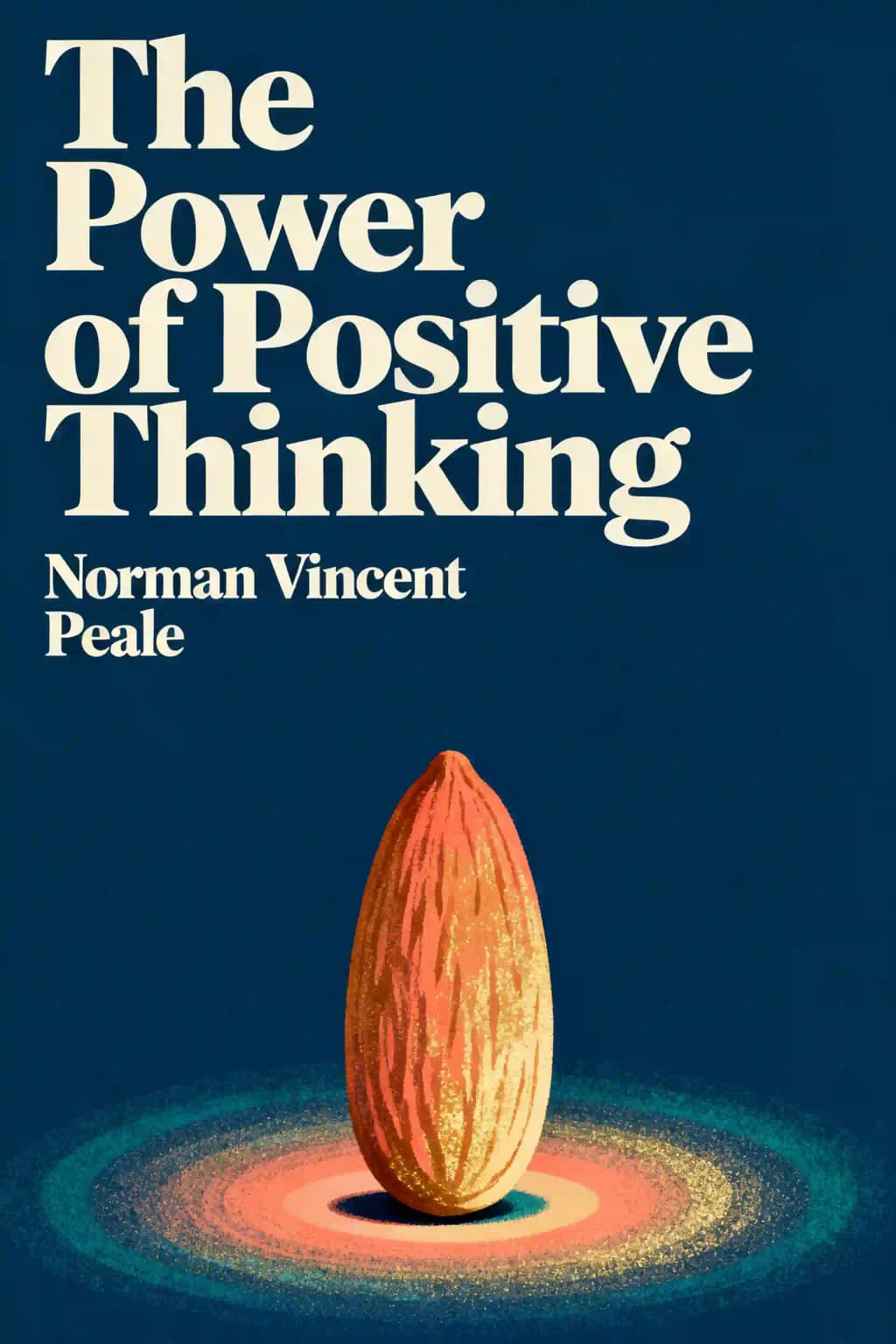
The Power of Positive Thinking isn't just another self-help book-it's a cultural phenomenon that has transformed millions of lives since its publication in 1952. Norman Vincent Peale's masterpiece has sold over 5 million copies, been translated into 42 languages, and remained on bestseller lists for years. Even today, it continues to influence modern thought leaders from Oprah Winfrey to Tony Robbins. What makes this book so enduring? Perhaps it's the perfect fusion of practical psychology and spiritual wisdom that speaks to both the mind and soul. Or maybe it's the countless testimonials from business leaders, celebrities, and everyday people who credit the book with changing their lives. Former President Ronald Reagan awarded Peale the Presidential Medal of Freedom, citing how the book helped him through difficult times. As we navigate our increasingly anxious world, Peale's timeless message about harnessing the power of faith and positive thinking feels more relevant than ever. Let's explore how this revolutionary approach to life's challenges can transform your reality too.
Kapitel 2
The Transformative Power of Self-Belief
Have you ever wondered why some people seem naturally confident while others struggle with persistent self-doubt? The answer lies not in inherent abilities but in the power of belief. Norman Vincent Peale understood this profound truth-that self-belief is the foundation upon which all achievement is built. Without it, our dreams remain just that-dreams, never materializing into reality.
Consider the businessman Peale describes who suffered from debilitating inferiority. Despite his professional position, he felt constantly inadequate, his potential shackled by his own negative self-perception. What transformed him? It wasn't a change in circumstances but a change in mindset. By adopting positive affirmations-words of faith that acknowledged his God-given abilities-he gradually rebuilt his self-image and unleashed his true capabilities.
This transformation illustrates a fundamental principle: inferiority complexes aren't innate; they're developed, often in childhood. Perhaps you were compared unfavorably to siblings or peers. Maybe you internalized criticism until it became your inner voice. These experiences create emotional scars that limit our vision of what's possible.
But here's the liberating truth-what's learned can be unlearned. The path forward begins with recognizing that your feelings of inadequacy aren't facts but interpretations shaped by past experiences. Through deliberate practice, you can replace these limiting beliefs with empowering ones.
Start by forming a detailed mental image of yourself succeeding. Visualize not just the outcome but the person you need to become to achieve it. Hold this image firmly in your mind, returning to it whenever doubt creeps in. Combat negative thoughts with deliberate positive affirmations-not empty platitudes but statements rooted in genuine faith in your capabilities.
Remember, self-confidence isn't about denying challenges but about approaching them with the belief that, with divine help, you possess the resources to overcome them. As you practice these techniques, you'll find your inferiority complex gradually dissolving, replaced by an authentic confidence that empowers rather than limits.
Kapitel 3
Finding Peace in a Chaotic World
In our hyperconnected, always-on society, mental peace seems increasingly elusive. We're bombarded with notifications, news cycles, and noise that leave our minds perpetually agitated. Yet, as Peale beautifully illustrates, a peaceful mind isn't just a luxury-it's the foundation of personal power.
Imagine two contrasting scenes: One man, disturbed by watching late-night news, tosses and turns, his sleep fragmented and unsatisfying. Another, who spends his evening reading Scripture and in prayer, sleeps deeply and wakes refreshed. The difference isn't their circumstances but their mental state before sleep.
What fills your mind in those crucial moments before rest? This question matters profoundly because our pre-sleep thoughts shape not just our night's rest but our overall mental equilibrium. The path to peace begins with intentionally shifting our focus-from tension and worry to tranquility and trust.
Think of your mind as a vessel. When filled with anxiety, there's simply no room for peace. The solution isn't complicated, but it requires deliberate practice: empty your mind of negativity and refill it with thoughts that nurture calm. This might mean turning off the news and instead reading words that inspire serenity. It could involve a simple prayer, releasing the day's burdens before you attempt to rest.
The therapeutic power of certain biblical passages illustrates this principle beautifully. Words like "Peace I leave with you, my peace I give unto you" aren't merely religious sentiments-they're practical tools that, when absorbed into consciousness, spread tranquility throughout your being. One businessman found that carrying a small Bible and turning to marked passages brought immediate relief from tension, more effective than any medication.
Even our conversations shape our mental state. Have you noticed how certain discussions leave you energized while others drain you? Peace-focused dialogue creates an atmosphere of serenity, while negative talk breeds unease. Choose your words intentionally, filling conversations with expressions that build rather than destroy.
Perhaps most countercultural is Peale's prescription for daily silence. In a world that values constant productivity, spending 15 minutes in complete quiet seems almost radical. Yet this practice-creating space for mental regeneration-is essential for lasting peace. Like a lake that settles when undisturbed, your mind finds its natural clarity in stillness.
Kapitel 4
Tapping Into Boundless Energy
Have you ever wondered why some days you feel energized and productive while other days you can barely drag yourself through routine tasks? The secret to consistent vitality isn't found in another cup of coffee or energy supplement-it lies in understanding the profound connection between your emotional state and your energy levels.
Consider the insight from legendary football coach Knute Rockne, who recognized that energy flows freely when emotions are harmonious. When psychological conflicts remain unresolved, they create blockages that drain your vitality. These emotional knots-guilt, fear, resentment-act like energy vampires, siphoning away the power you need for effective living.
Take the businessman entangled in an affair that Peale describes. His energy wasn't diminished by overwork but redirected toward maintaining deception and managing guilt. Only when he faced his fears head-on-breaking off the relationship and seeking forgiveness-did his natural vitality return. His experience reveals a profound truth: emotional integrity is essential for physical energy.
Similarly, a professor experiencing academic burnout found renewal not through conventional rest but through strategic disengagement that allowed for spiritual rejuvenation. Spending time in nature, guided by biblical wisdom, he returned to his work with fresh perspective and vigor. His story illustrates that true renewal often requires more than physical rest-it demands spiritual and mental refreshment as well.
What drains your energy? Perhaps it's unresolved conflicts that replay endlessly in your mind. Maybe it's the emotional labor of maintaining appearances or suppressing authentic feelings. Whatever the source, addressing these emotional burdens directly-through courage, forgiveness, or spiritual reconciliation-can dissolve the blockages that limit your vitality.
The pathway to constant energy involves aligning yourself with divine power through faith and prayer. This isn't merely religious sentiment but practical psychology-when you believe in a source of energy beyond your own limited resources, you open channels for renewed vitality. Prayer becomes not just a spiritual practice but an energy-generating one, connecting you to power beyond yourself.
Kapitel 5
Harnessing the Extraordinary Power of Prayer
What if the most powerful force for change in your life was already within your reach? Prayer-often dismissed in our scientific age as mere superstition-emerges in Peale's work as perhaps the most practical and potent tool for personal transformation. But this isn't prayer as empty ritual or desperate pleading. It's prayer as a strategic, scientific approach to life's challenges.
Consider the industrialist who incorporated prayer into his business decisions. Facing a complex dilemma, he didn't just analyze spreadsheets-he sought divine guidance through specific biblical formulas. The results demonstrated an intelligence beyond mere human calculation, suggesting divine influence in his decision-making process.
What makes prayer effective isn't mystical thinking but a systematic approach that Peale calls "Prayerize, Picturize, Actualize." This three-step formula begins with saturating your daily life with prayer-not formal, stilted communication but natural conversation with God as a partner in your decisions. Even casual thoughts directed toward divine wisdom count in this continuous dialogue.
The second step, "picturization," involves holding vivid mental images of your desired outcome. This isn't wishful thinking but a deliberate activation of creative forces that align with your visualized goals. A New York businessman applied this technique to launch a small enterprise, finding that his clear mental picture simplified the path to achievement.
Perhaps most moving is the story of a woman who saved her troubled marriage through this method. Rather than dwelling on conflict, she visualized her husband returning home and their relationship restored to harmony. Through persistent prayer and vivid imagination, she created the conditions for reconciliation. Her experience demonstrates that prayer isn't just about asking for what we want but about becoming receptive to solutions we might otherwise miss.
Prayer also serves as a catalyst for creativity, quieting the conscious mind to allow deeper resources to emerge. Business teams that pray together often find innovative solutions to challenges that seemed insurmountable. The silence and receptivity of prayer create space for inspiration that busy, analytical thinking might block.
What distinguishes effective prayer from mere wishing? Specificity, faith, and persistence. Vague requests yield vague results. Prayer powered by genuine faith-even faith as small as a mustard seed-activates forces beyond our understanding. And persistence in prayer demonstrates the sincerity that attracts divine response.
Kapitel 6
Creating Your Own Happiness Factory
Have you ever noticed how some people seem perpetually happy despite facing the same challenges as everyone else? What's their secret? According to Peale, happiness isn't something that happens to you-it's something you actively create through deliberate mental habits.
Many of us unknowingly operate happiness-destroying factories in our minds, manufacturing our own misery through negative thoughts, resentment, and worry. We nurse grievances against others who seem to get more than they deserve. We dwell on past hurts or future anxieties rather than present joys. Each negative thought is another product rolling off our unhappiness assembly line.
But here's the liberating truth: if you can create unhappiness through thought patterns, you can also create happiness the same way. Happiness is fundamentally a choice-a habit you can develop through consistent practice. Just as musicians become proficient through daily practice, you can train your mind to default to happiness rather than discontent.
Start by memorizing happy phrases that resonate with you-perhaps lines of poetry, scripture, or personal affirmations that evoke joy. Repeat these throughout your day, especially when negative thoughts threaten to take over. Anticipate happiness in upcoming events rather than dreading potential problems. This expectation of joy becomes a self-fulfilling prophecy.
Cultivate what Peale calls "childlike heart and spiritual simplicity." Children naturally find delight in small pleasures-a colorful leaf, a puddle to splash in, a friendly dog. They haven't yet learned to complicate their happiness with conditions and comparisons. By recapturing this simplicity, you free yourself to experience joy in ordinary moments.
Love and goodwill form the foundation of lasting happiness. When you express genuine appreciation for others, you create a chain reaction of positivity that returns to enhance your own joy. Notice the good in people and situations rather than focusing on flaws. This isn't naive optimism but a deliberate choice to direct your attention toward what uplifts rather than what diminishes.
Perhaps most importantly, practice gratitude for small blessings. The habit of appreciation shifts your focus from what's missing to what's present, from what's wrong to what's right. This simple practice can transform your emotional landscape, revealing abundant sources of joy you might otherwise overlook.
Kapitel 7
Breaking Free from Worry's Grip
Worry-that persistent mental habit that steals peace, drains energy, and accomplishes nothing positive. Yet for many of us, it's become such an ingrained pattern that we barely notice its constant presence in our mental landscape. Like any habit, worry becomes established through practice, but the good news is that what's learned can be unlearned through deliberate counter-practice.
The first step in breaking the worry habit is recognizing its true nature-not as an inevitable response to circumstances but as a mental choice we make repeatedly. This recognition empowers us to interrupt the pattern and choose differently. When worry thoughts arise, imagine them being flushed away, replaced by affirmations of faith and confidence.
Consider implementing a practical strategy for confronting fears directly. Many worries persist because we never examine them in the clear light of reason. Write down exactly what you're afraid might happen, then analyze each fear methodically. Ask yourself: What's the worst possible outcome? How likely is it? What could I do if it happened? This systematic approach often reveals that our fears are exaggerated and manageable.
The imagery of trimming a tree offers a helpful metaphor for tackling worry. Just as you wouldn't attempt to cut down an entire tree at once, don't try to eliminate all worries simultaneously. Start with smaller concerns, gaining confidence with each success. Each small victory strengthens your ability to face larger fears.
Perhaps the most powerful antidote to worry is maintaining a faith-focused mindset. When your consciousness is filled with trust in divine guidance and protection, worry finds no room to flourish. This isn't blind optimism but a grounded confidence that whatever challenges arise, you won't face them alone or without resources.
Practical techniques like deliberate relaxation also help break worry's physical grip. Tension and worry form a self-reinforcing cycle-worry creates physical tension, which in turn intensifies worry. By consciously relaxing your body, you interrupt this cycle and create space for calmer thoughts.
Remember that worry is essentially negative prayer-concentrated thought directed toward what you don't want rather than what you do want. By redirecting that same mental energy toward positive outcomes and divine support, you transform worry's power into constructive force for good.
Kapitel 8
Partnering with the Divine for Problem-Solving
Life inevitably presents problems that test our resilience and resourcefulness. What if the most effective approach to these challenges isn't struggling alone but partnering with divine wisdom? This perspective transforms problem-solving from solitary struggle to collaborative creation.
Consider the pragmatic approach Peale suggests: begin with a simple, clear plan, infused with spiritual insight. Rather than viewing problems as obstacles, see them as opportunities to draw closer to divine wisdom. This shift in perspective alone can reveal solutions previously hidden from view.
The concept of God as a literal partner in your daily endeavors might seem abstract, but its application is remarkably practical. A skeptical businessman, facing financial ruin, decided to experiment with this approach. He began treating God as if He were physically present in his office, consulting this divine partner on decisions both major and minor. The result wasn't just financial recovery but a complete transformation in his outlook and operations.
This partnership approach works because it combines human effort with divine guidance-neither passive dependence nor self-reliant struggle, but collaborative creation. When facing a difficult decision, apply your best thinking while simultaneously remaining open to inspiration beyond your own resources. This balanced approach often leads to solutions that neither prayer alone nor analysis alone would discover.
The story of Maurice and Mary Alice Flint beautifully illustrates how faith transforms circumstances. Initially overwhelmed by adversity, they embraced the biblical metaphor of mustard seed faith-belief that starts small but grows powerful. This simple act of faith not only changed their personal outlook but launched a thriving business built around sharing this symbol of hope with others.
What makes this approach effective isn't the size of your faith but its authenticity. Even faith "as small as a mustard seed" can move mountains of difficulty when it's genuine. The Flints' journey from negativity to positivity, from failure to success, demonstrates how even modest faith can revolutionize both personal circumstances and professional endeavors.
When applying this partnership approach to your own challenges, avoid both extremes-neither expecting divine intervention without personal effort nor relying solely on your own resources without spiritual guidance. Instead, bring your best thinking to each situation while remaining receptive to wisdom beyond your own. This balanced approach creates space for solutions that might otherwise remain undiscovered.
Kapitel 9
The Mind-Body Connection: Faith and Healing
The relationship between faith and physical healing represents one of the most fascinating intersections of spirituality and science. While modern medicine has made remarkable advances, growing evidence suggests that religious faith plays a crucial role in healing processes that can't be explained by medical intervention alone.
This isn't about rejecting conventional medicine in favor of faith healing-it's about recognizing that optimal health comes from integrating spiritual, psychological, and physical approaches. Numerous testimonies and carefully investigated cases reveal that faith serves as a genuine avenue for health when combined with appropriate medical and psychological resources.
What happens during these faith-centered healing experiences? Participants consistently report sensations of warmth, light, healing assurance, and significant internal change. These subjective experiences often correlate with measurable improvements in physical condition, suggesting that something profound occurs when faith is activated in the healing process.
The mechanism appears to involve a total surrender to divine will and trust in healing powers beyond oneself. This surrender doesn't mean passive resignation but active alignment with restorative forces. It creates an internal environment conducive to healing by reducing stress, increasing hope, and activating the body's natural recovery systems.
Consider the dramatic case of the sales manager whose productivity plummeted due to unresolved emotional and mental burdens. Initially resistant to spiritual solutions, he reluctantly sought help at a religio-psychiatric clinic. The turning point came through confession-pouring out his troubled heart and seeking divine forgiveness released him from his burdens, restoring both his emotional equilibrium and professional effectiveness.
Medical professionals increasingly recognize that emotions like resentment, hate, and jealousy directly impact physical health. One doctor diagnosed patients with "grudgitis"-a condition where harbored grievances manifested as physical symptoms. These negative emotions literally strain the heart and compromise immune function, opening the body to various ailments.
Multiple anecdotes illustrate this connection-from a woman whose arthritis miraculously improved after resolving deep-seated emotional conflicts to another whose eczema cleared when she reconciled with estranged family members. These cases suggest that emotional healing often precedes physical recovery, highlighting the integrated nature of human health.
This understanding aligns with biblical teachings that advocate for a life free of undue resentments or anger. The ancient wisdom that emotional peace contributes to physical well-being finds increasing support in modern medical research, suggesting that spiritual and emotional harmony are not peripheral but central to lasting health.
Kapitel 10
The Art of Relaxation: Finding Strength in Stillness
In a society that glorifies busyness and productivity, the concept of relaxation is often misunderstood as laziness or indulgence. Yet true relaxation-the art of finding strength in stillness-may be exactly what our exhausted culture needs most desperately.
The alarming statistics on America's dependence on sleeping tablets reveal a nation struggling with fundamental relaxation. Millions rely on pharmaceutical aids nightly, with consumption rates skyrocketing year after year. This widespread inability to naturally rest poses serious questions about our modern lifestyles and mental health.
Relaxation isn't passive idleness but an active art form that balances rest with spiritual and mental tranquility. Consider the image of peacefully sitting in sunshine, observing the undisturbed rhythm of nature. This isn't wasted time but essential rejuvenation that restores vitality and aligns us with deeper purpose.
Implementing a three-point method can transform tension into tranquility. First, practice physical relaxation by envisioning your body as completely limp-like a bag of potatoes with no rigidity or resistance. Feel each muscle group releasing its hold. Second, mentally drain away negative thoughts and stresses, allowing your mind to empty of concerns. Third, center spiritually through regular reflective intervals that connect you to something larger than daily pressures.
In practical situations requiring calm-whether stuck in traffic between appointments or facing a challenging audience-simple practices can create islands of peace. Draw on divine energy even in brief pauses. Follow examples like Roger Babson or Dale Carnegie who found renewal in their unique settings-whether churches, nature, or quiet rooms.
The anecdote of a Congressman demonstrates the power of composure when facing hostile audiences: breathing deeply, speaking quietly, and trusting in divine support enhanced his tranquility and effectiveness. Similarly, the rhythmic worker who swung his shovel as if part of nature's own cadence exemplifies the grace and joy of "easy does it" in labor-working not with strain but with flow.
This effortless diligence comes through ten simple rules: relinquishing excess burden, finding joy in tasks, planning systematically, focusing on singular objectives, and fostering a mindset that perceives challenges as manageable. Efficiency breeds ease when relaxation is woven into every action. Avoid procrastination, and invite divine partnership in everyday tasks, ensuring a steady flow of energy and peace.
Kapitel 11
Building Meaningful Connections Through Genuine Love
What makes someone truly likable? Psychology suggests numerous traits contribute to popularity, but Christianity proposes a single core quality: genuine interest and love for others. This principle-simple yet profound-transforms relationships when sincerely applied.
The path begins with honest self-examination. What traits in your personality might create friction in interactions? Perhaps you dominate conversations, criticize too readily, or focus exclusively on your own interests. Through personality adjustment-eliminating these negative traits and cultivating positive ones-you can dramatically improve your relationships.
Consider the story Peale shares of someone who discovered their relationships were failing because self-love overshadowed love for others. The transformation came through a deliberate shift in focus-from self-absorption to genuine interest in others' well-being. This change wasn't superficial technique but authentic reorientation of heart and mind.
Implementing this change involves recognizing and eliminating negative traits, engaging sincerely with others, and offering genuine kindness without expectation of return. When you build others' self-worth through genuine regard, you naturally enhance reciprocal affection. People respond warmly to those who make them feel valued and understood.
Will Rogers exemplified this principle through his upbeat acceptance of others, finding something to appreciate in everyone he met. His genuine interest wasn't calculated strategy but authentic engagement that naturally drew people to him. To become well-liked, lift others by showing them their worth, always bolstering rather than diminishing their sense of value.
Practical techniques for enhancing connections include remembering names, listening attentively, showing appreciation, avoiding arguments, respecting opinions, and being genuinely interested in others' concerns. These aren't manipulative tactics but expressions of authentic regard that foster genuine bonds.
Perhaps most importantly, see the divine potential in each person you encounter. This spiritual perspective transforms ordinary interactions into meaningful connections, elevating both parties in the process. When you recognize the inherent worth in others-not based on achievement or status but on their essential humanity-you create space for authentic relationship that enriches rather than depletes.
The ultimate secret to being liked isn't technique but transformation-becoming someone who genuinely cares about others' well-being. This shift from self-focus to other-focus doesn't diminish your importance but paradoxically enhances it, creating a life rich with meaningful connection rather than shallow popularity.